How GLP-1 Therapy Affects Fasting Glucose Levels
Glucagon-like peptide-1 (GLP-1) therapy has revolutionized the treatment of type 2 diabetes by offering an effective way to lower fasting glucose levels and manage the condition. But how exactly does GLP-1 therapy impact fasting glucose levels? In this article, we'll delve into the mechanisms behind GLP-1 therapy and its effects on fasting glucose levels.
The Incretin Effect and GLP-1 Therapy
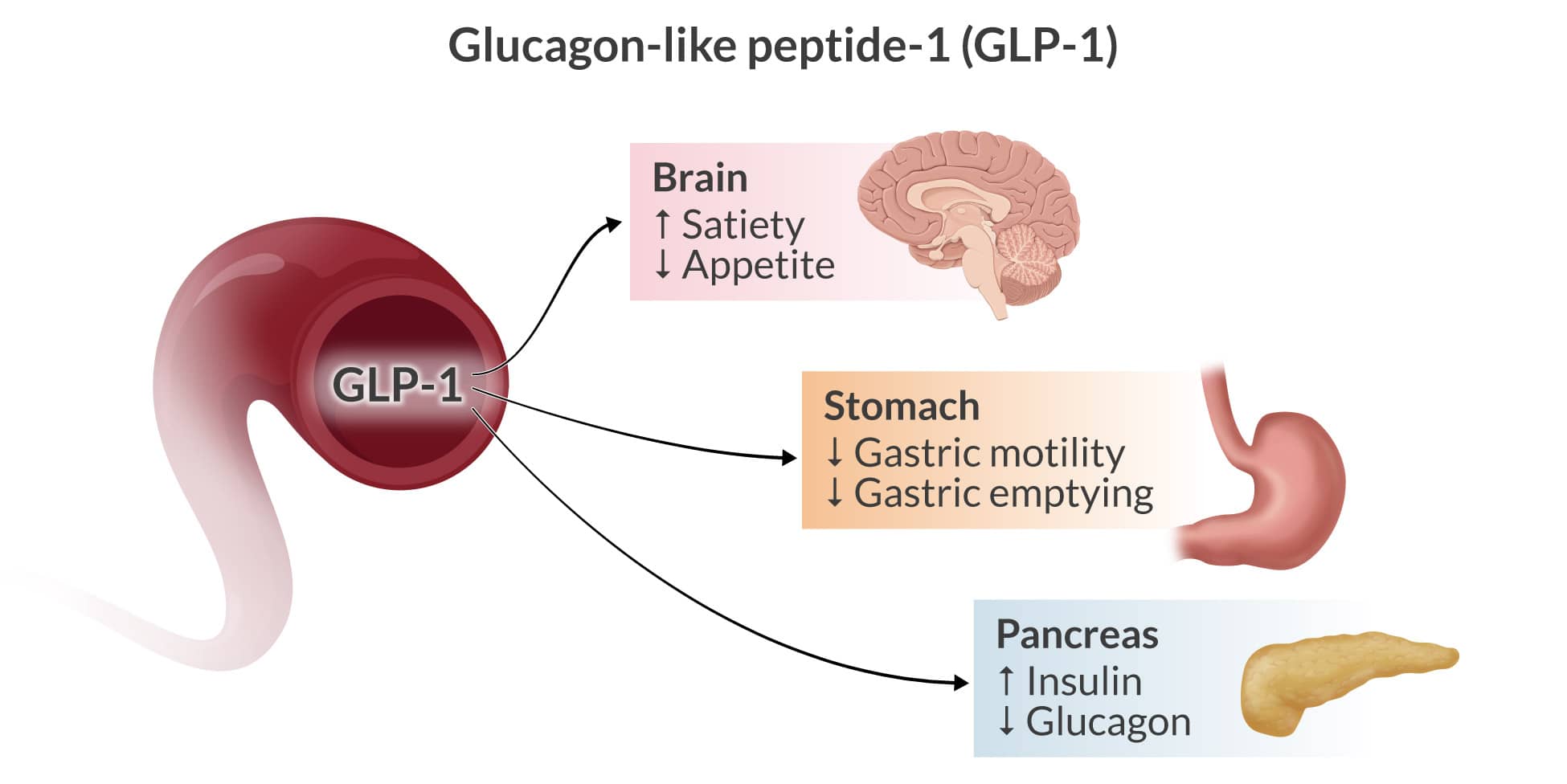
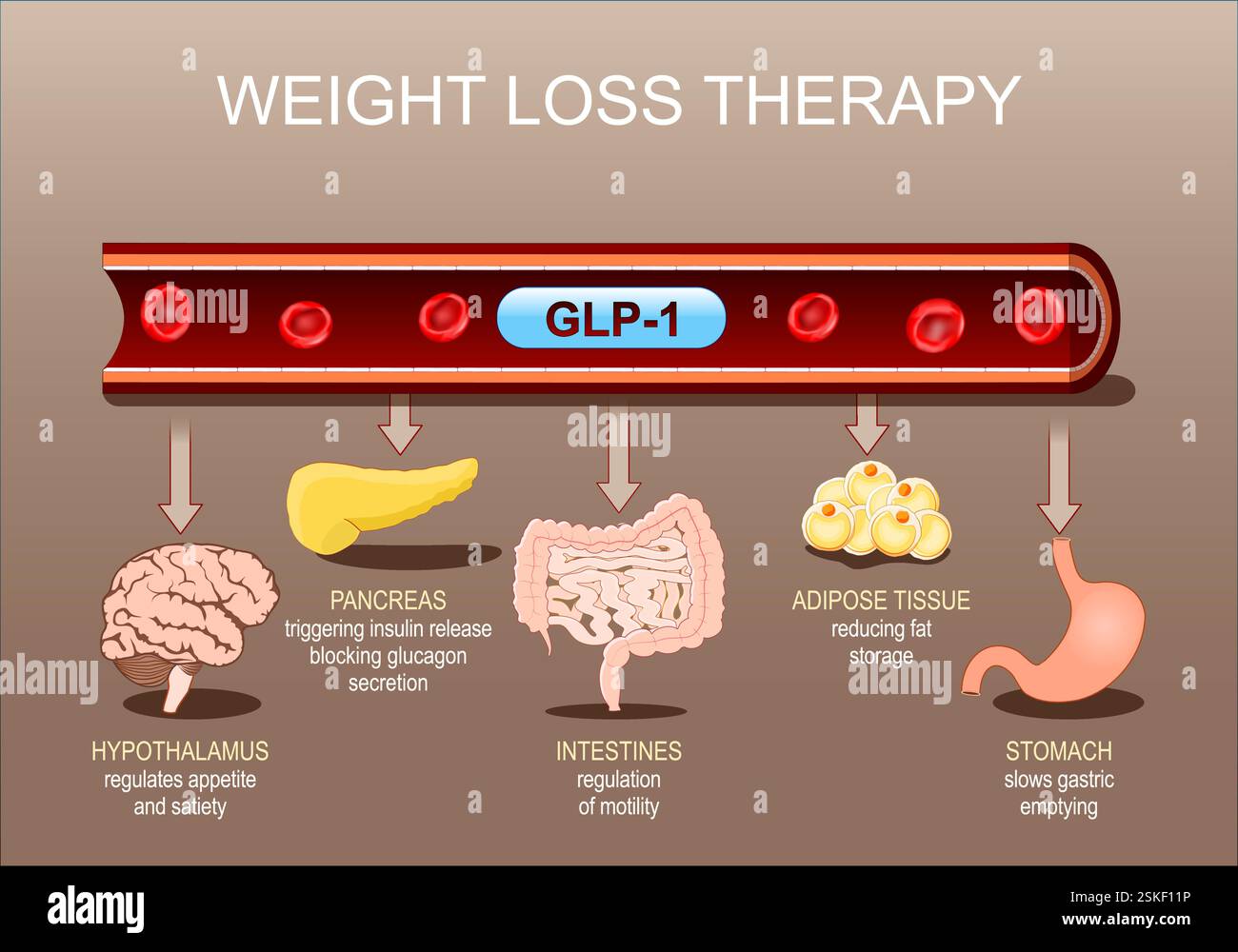
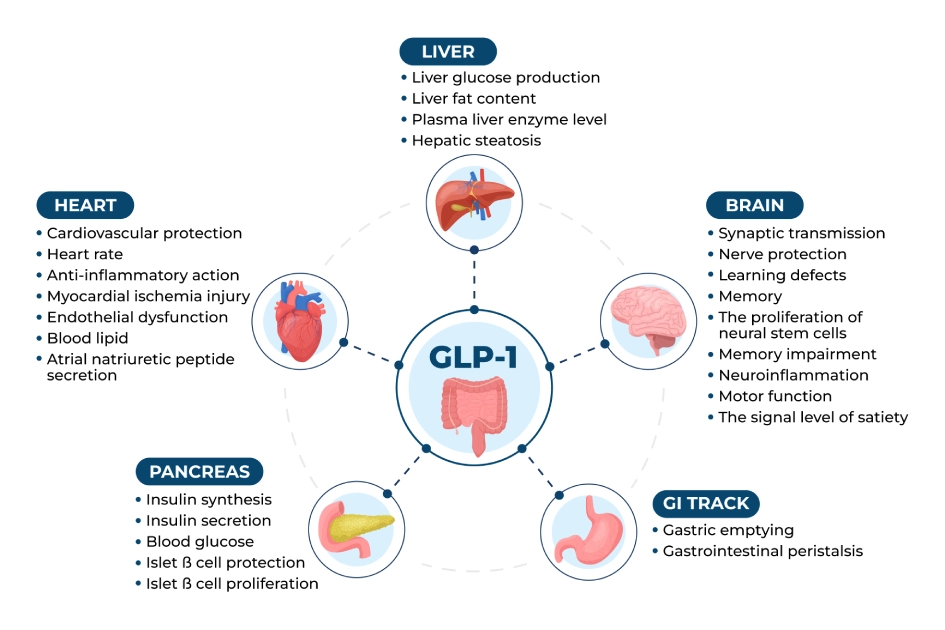
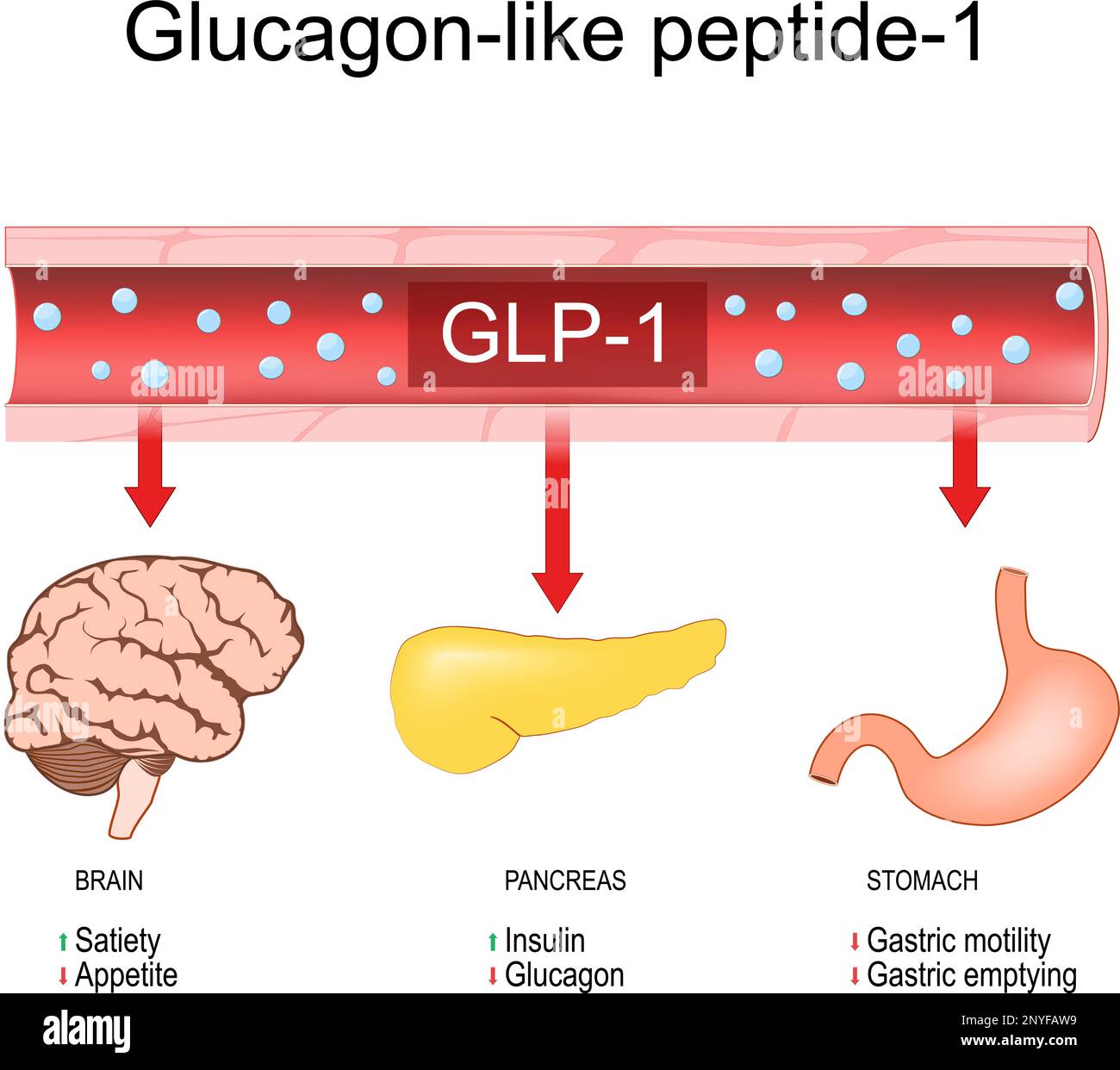
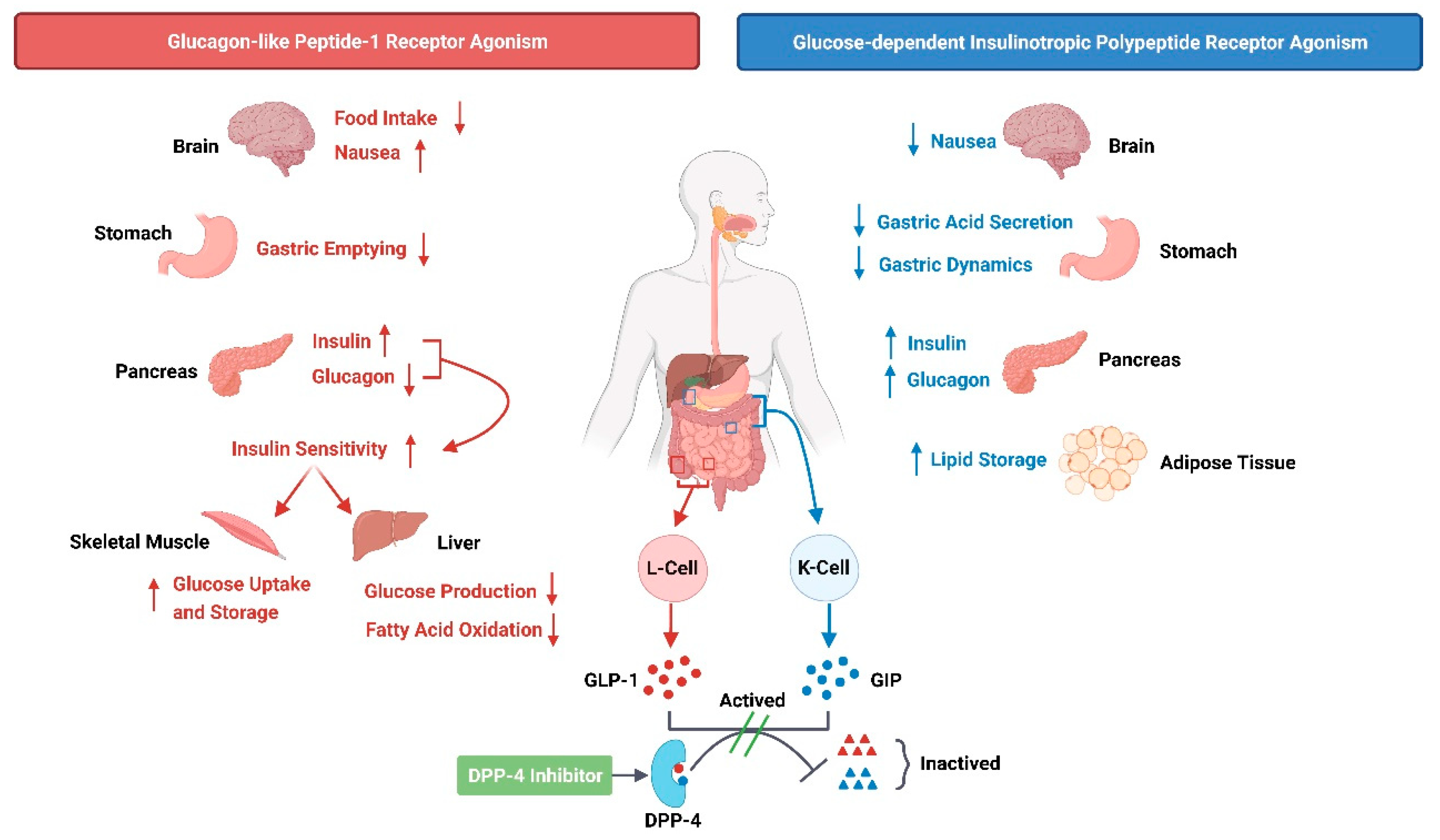
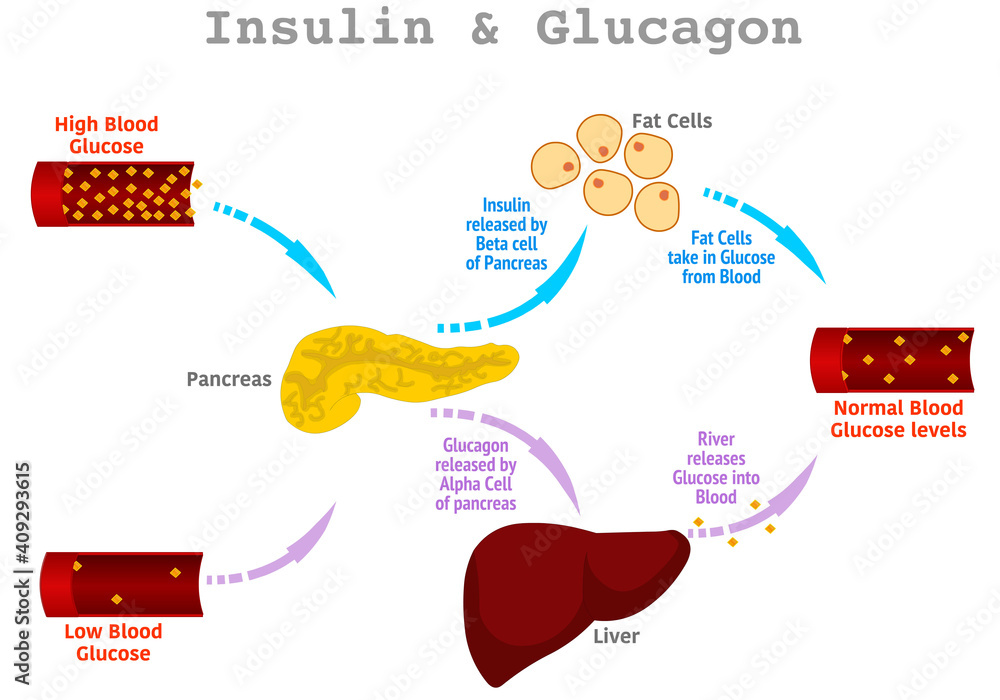
The incretin effect is a physiological phenomenon that explains why oral glucose administration elicits a higher insulin response than an isoglycemic intravenous glucose infusion. In other words, the administration of glucose through the gut triggers the release of incretin hormones, which in turn stimulate insulin secretion. GLP-1 receptor agonists (GLP-1 RAs) work by mimicking this natural response, thus amplifying the insulin response and reducing glucagon release.
- GLP-1 receptors are activated by the natural release of GLP-1 after meals, stimulating insulin secretion and suppressing glucagon release
- GLP-1 receptor agonists mimic this natural response, amplifying the insulin response and reducing glucagon release
Effects of GLP-1 Therapy on Fasting Glucose Levels
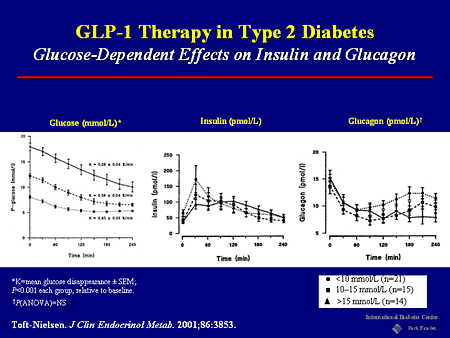
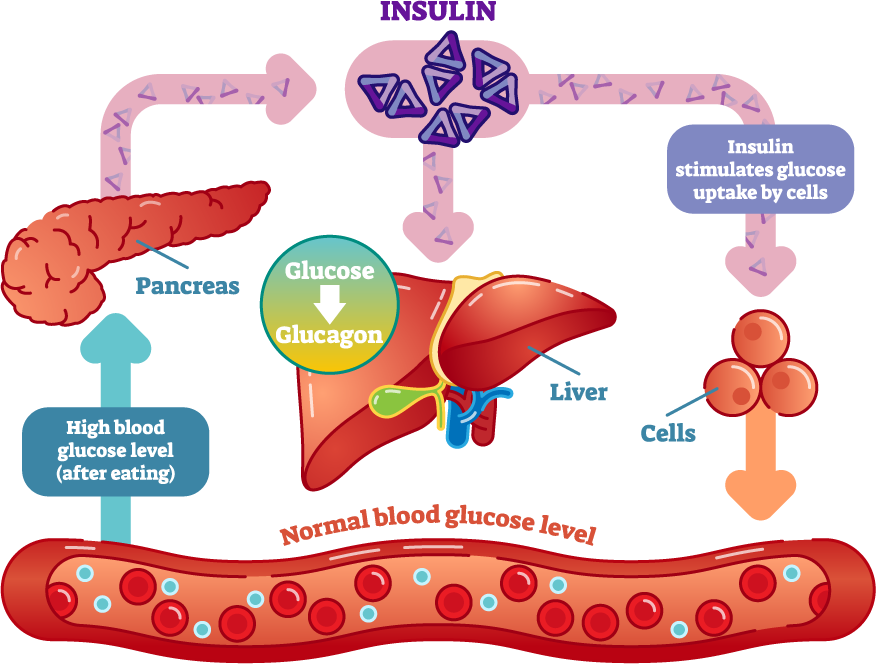
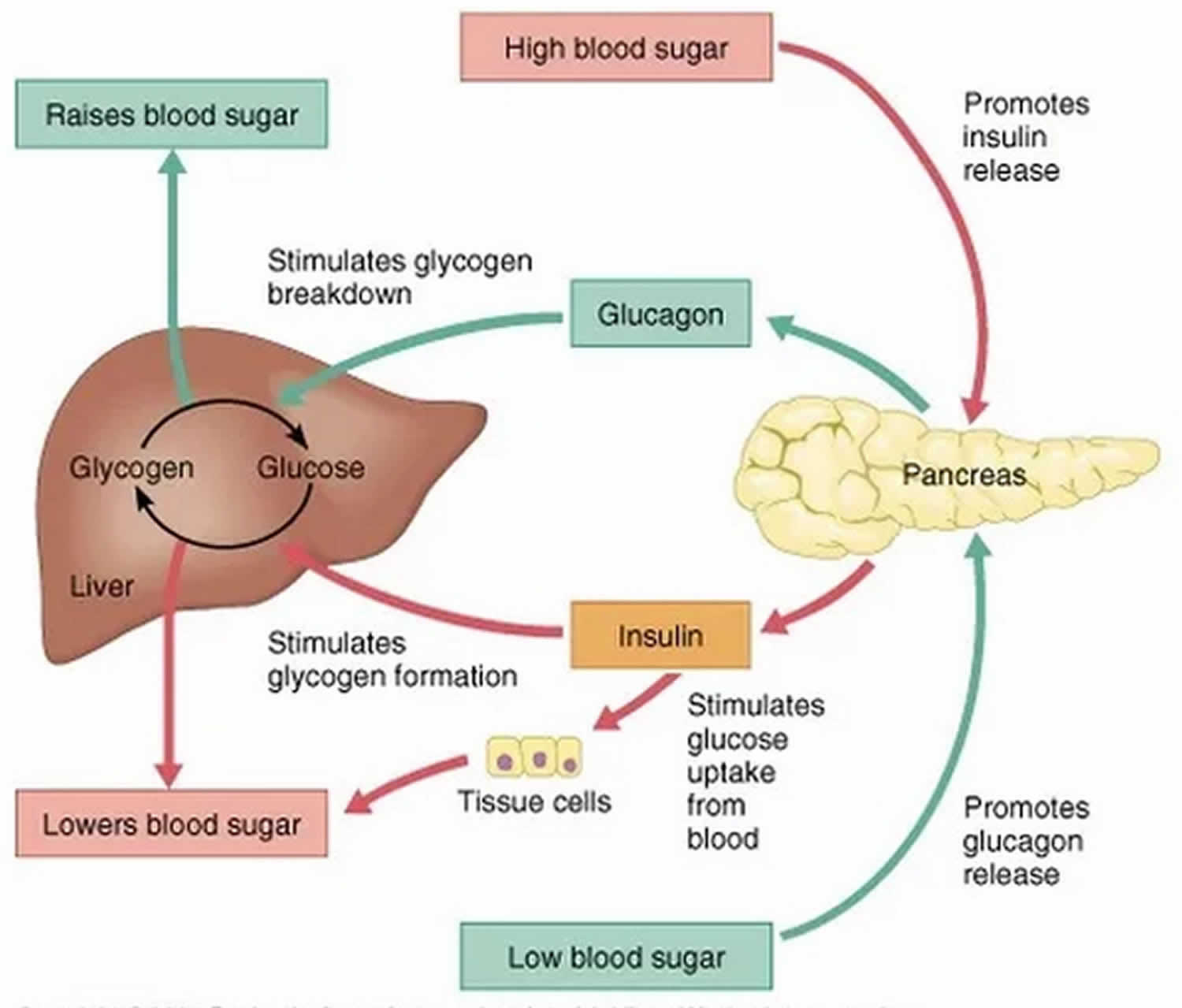
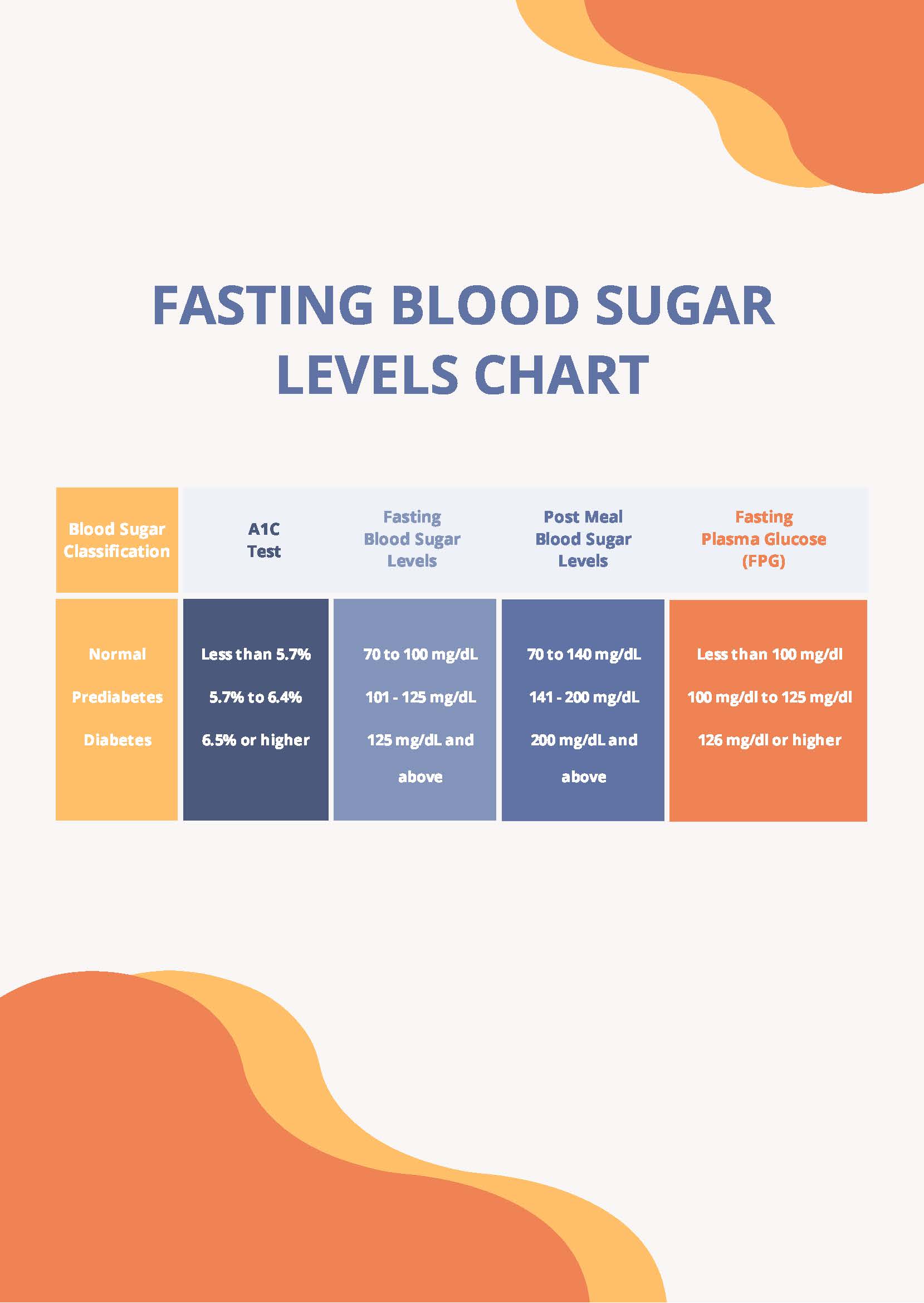
GLP-1 therapy has been shown to have a significant impact on fasting glucose levels. By stimulating insulin secretion and suppressing glucagon release, GLP-1 receptor agonists help to maintain stable blood sugar levels throughout the day. The American Diabetes Association recommends fasting glucose targets of 80-130 mg/dL for individuals with type 2 diabetes on GLP-1 therapy, with an ultimate goal of reaching non-diabetic ranges as treatment progresses.