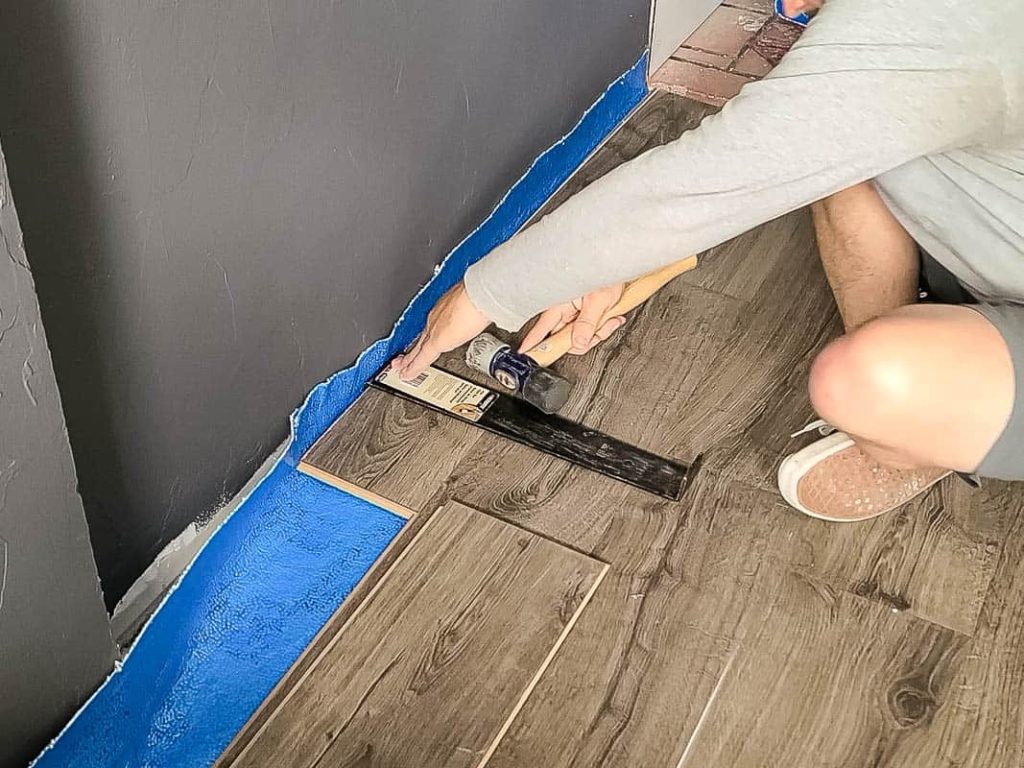
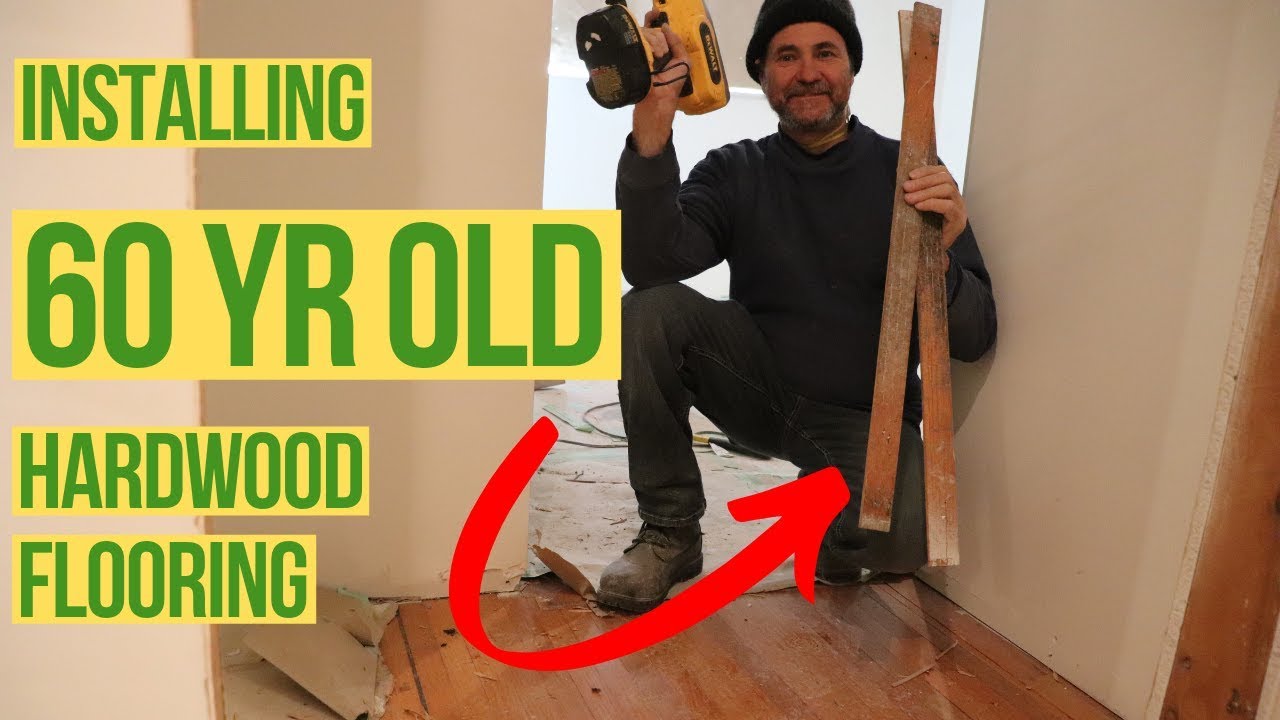
Installing New Hardwood Flooring Over Old Flooring: A Comprehensive Guide
Thinking of installing new hardwood flooring over your current flooring? Learn when it's possible, what types of floors work best, and how to ensure a smooth installation. In this article, we'll explore the benefits, key considerations, and professional tips for installing hardwood flooring over old flooring.
Benefits of Installing Hardwood Flooring Over Old Flooring
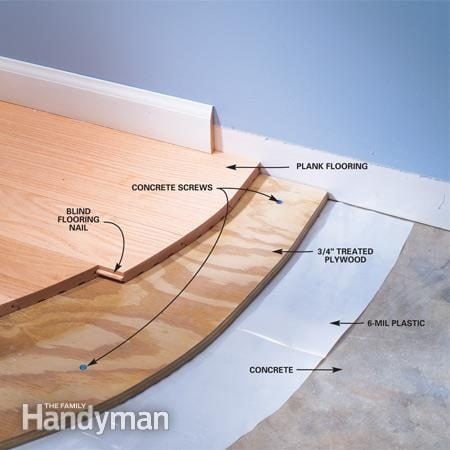
One of the primary advantages of installing new hardwood flooring over old flooring is the time and cost savings it offers. Removing existing flooring can be a labor-intensive and time-consuming process, often involving the use of specialized tools and professional assistance. By avoiding the removal step, homeowners can cut down on both time and expenses, making the project more efficient and cost-effective.

Another benefit of installing hardwood flooring over old flooring is that it can be a more eco-friendly option. Removing old flooring can lead to significant amounts of waste, whereas installing new flooring directly over the existing one reduces the need for disposal and replacement.
Assessing the Condition of Existing Flooring
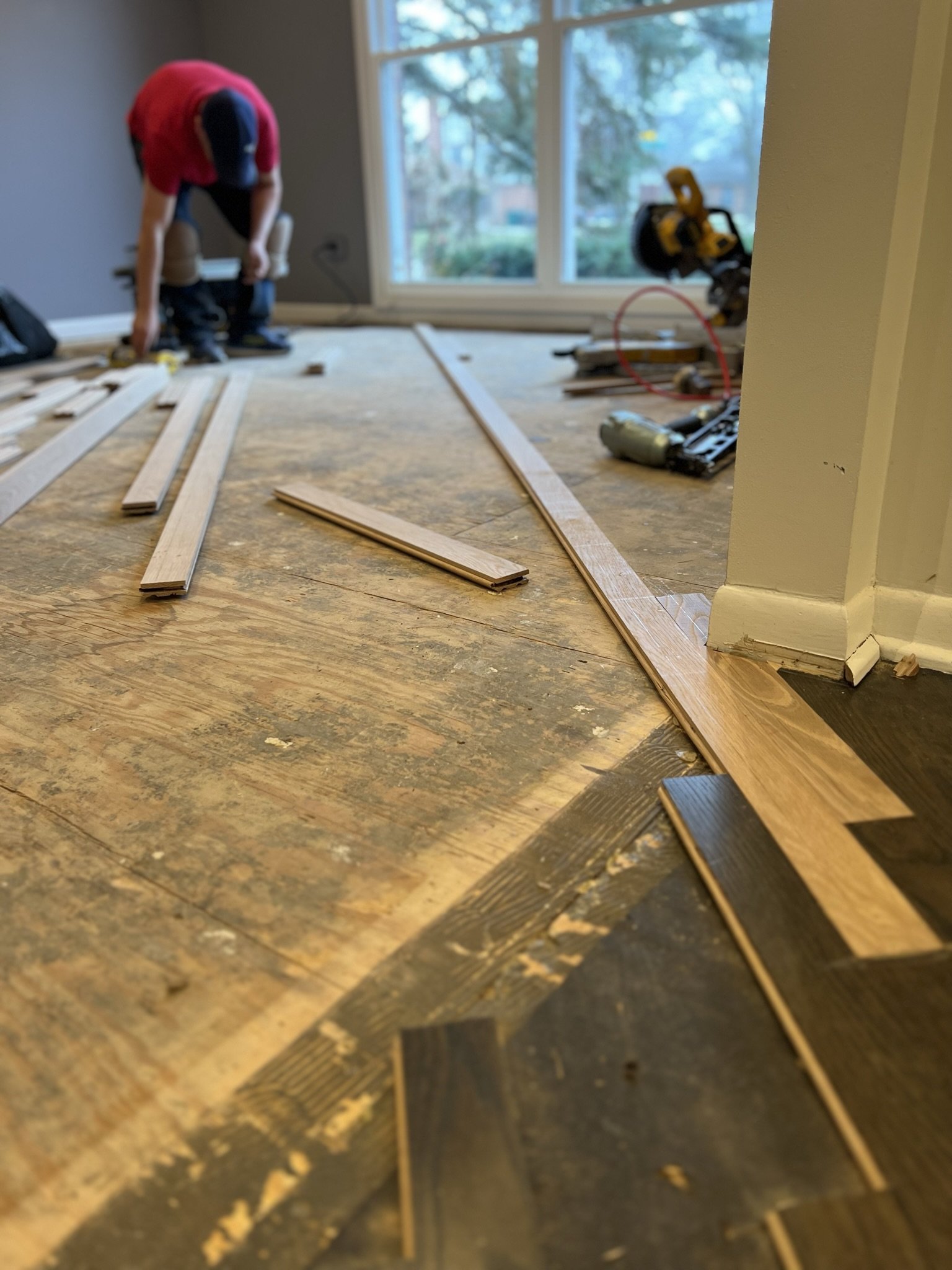
Before installing new flooring over old flooring, it's essential to assess the condition of the existing floor. A thorough inspection should be conducted to determine if the existing floor is firmly attached to the subfloor without signs of warping, cracking, or moisture damage. Loose or damaged areas can compromise the new floor's stability and lifespan.
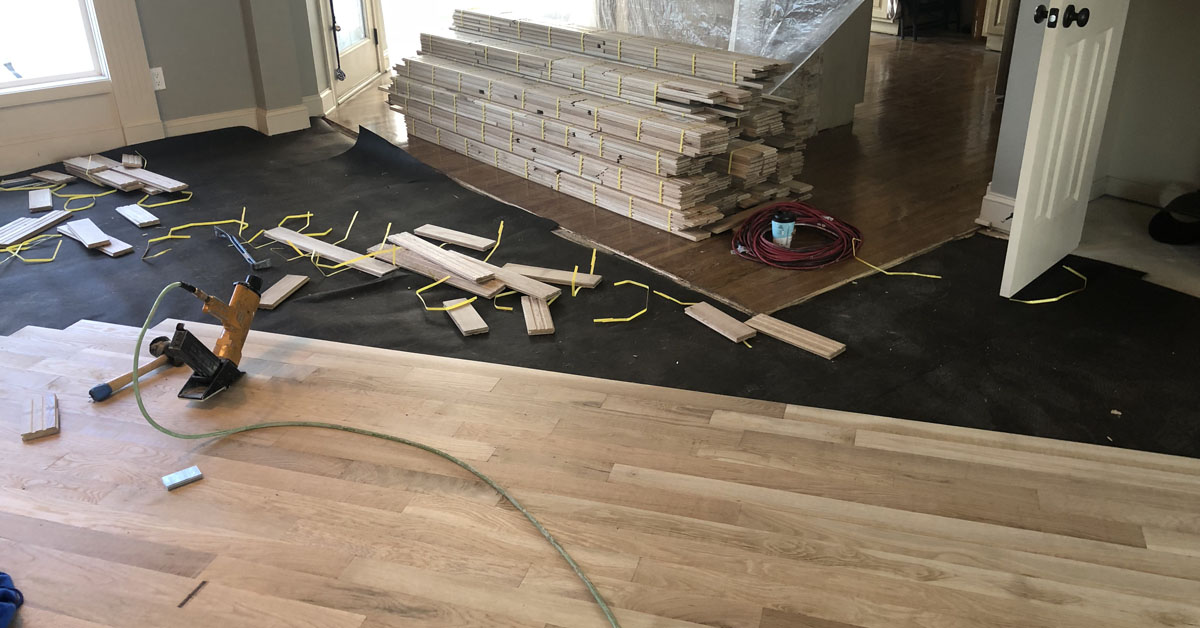
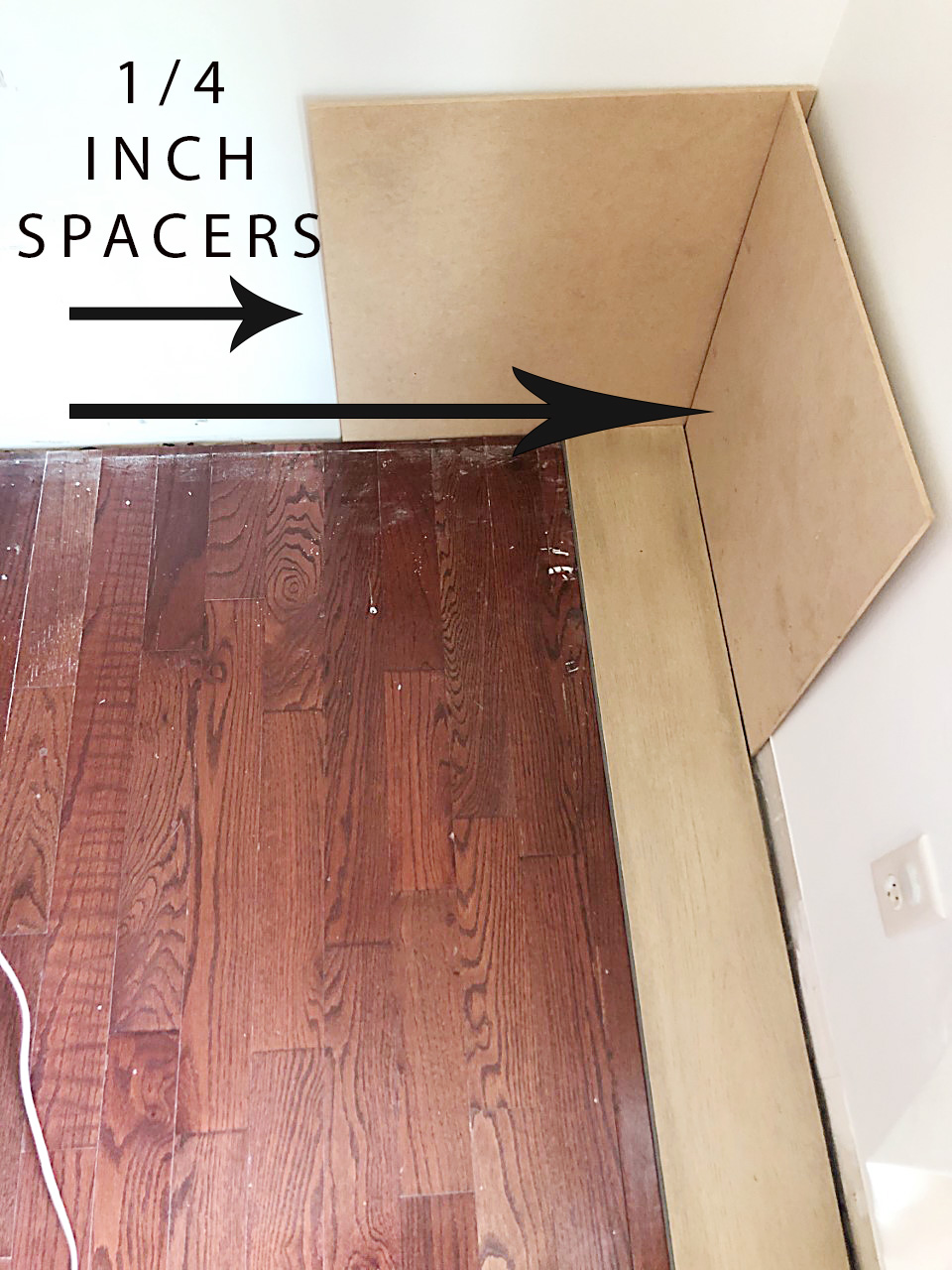


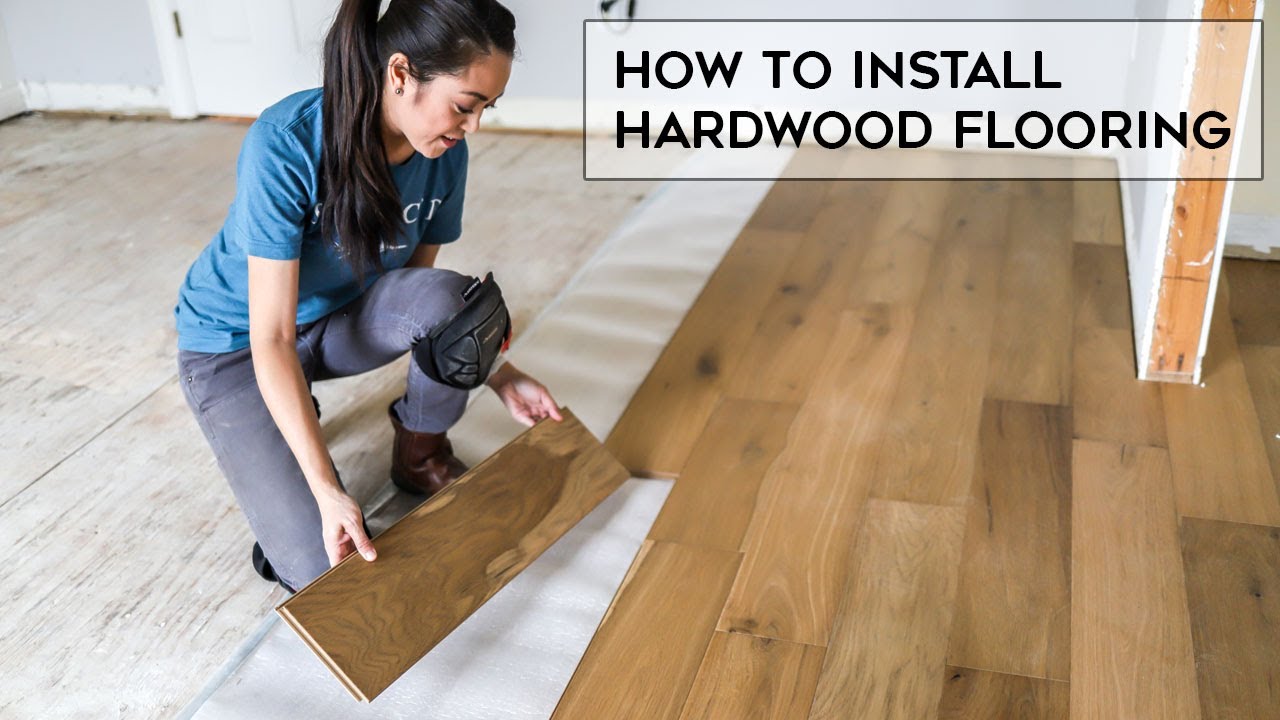
:no_upscale()/cdn.vox-cdn.com/uploads/chorus_asset/file/19493650/0405_flooring_illo.jpg "How To Install Floating Hardwood Directly Over Existing Flooring")