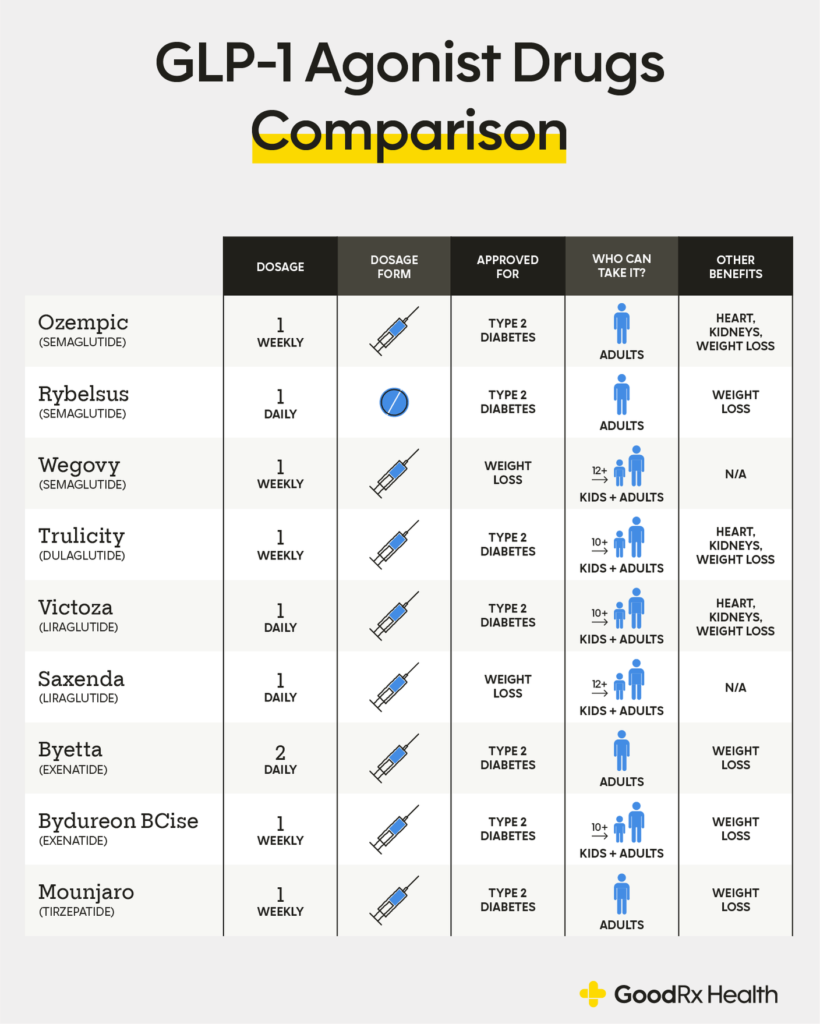
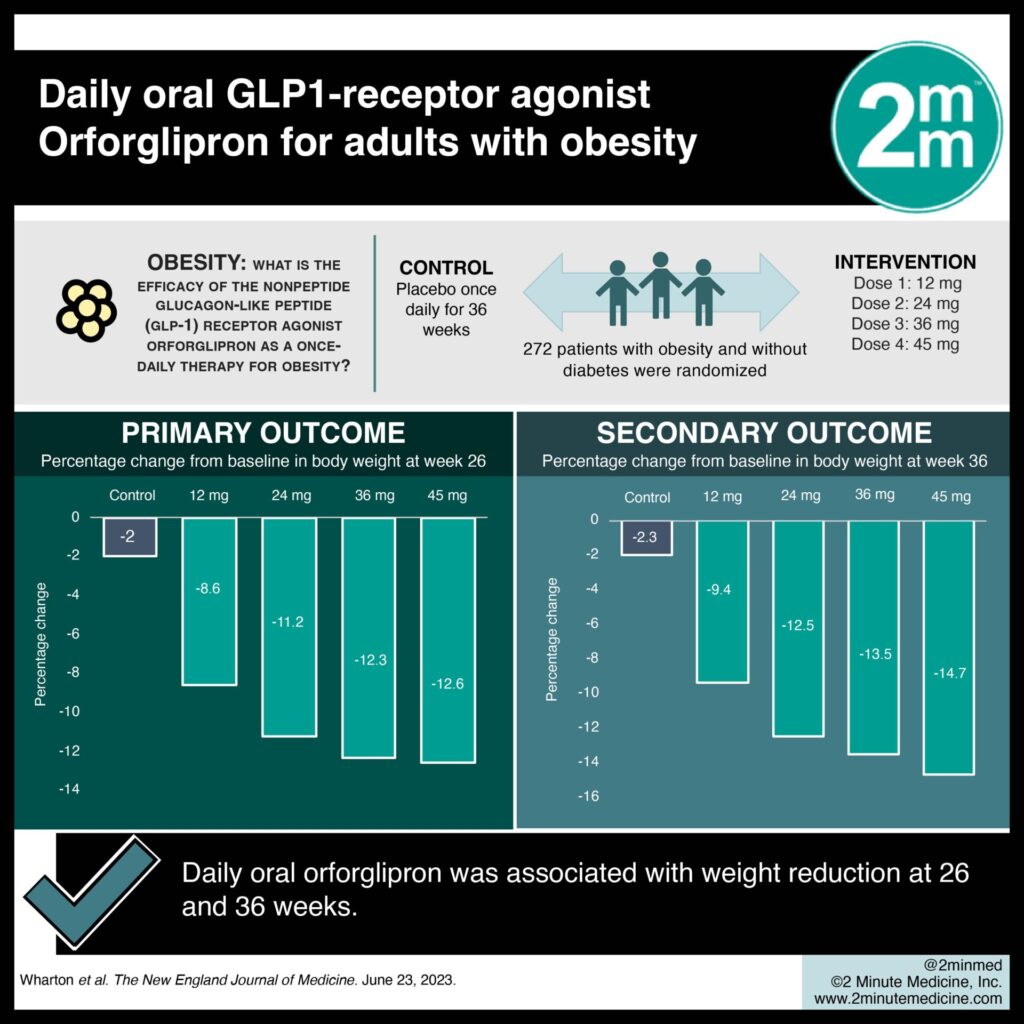
GLP-1 Receptor Agonists and the Future of Obesity Management
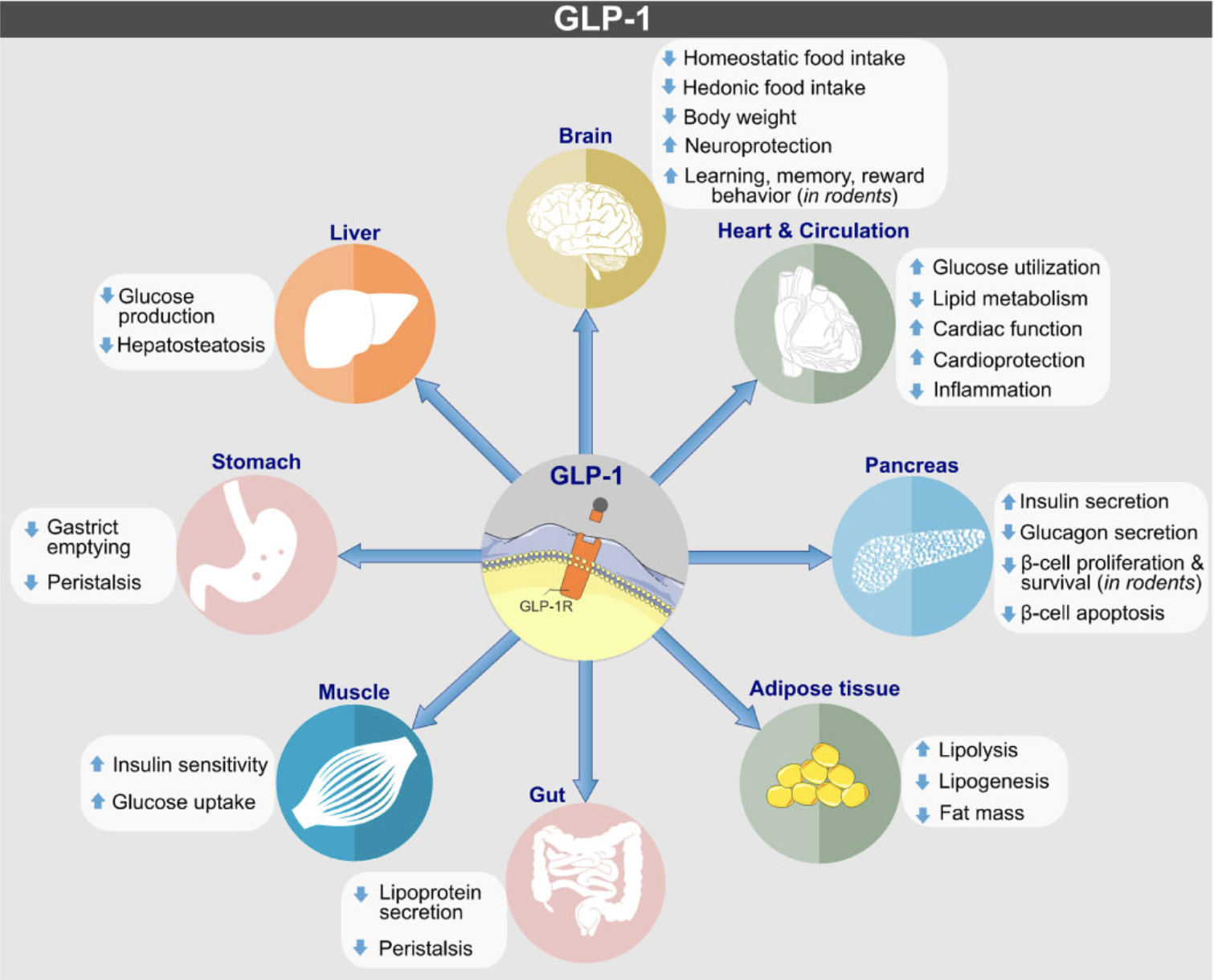
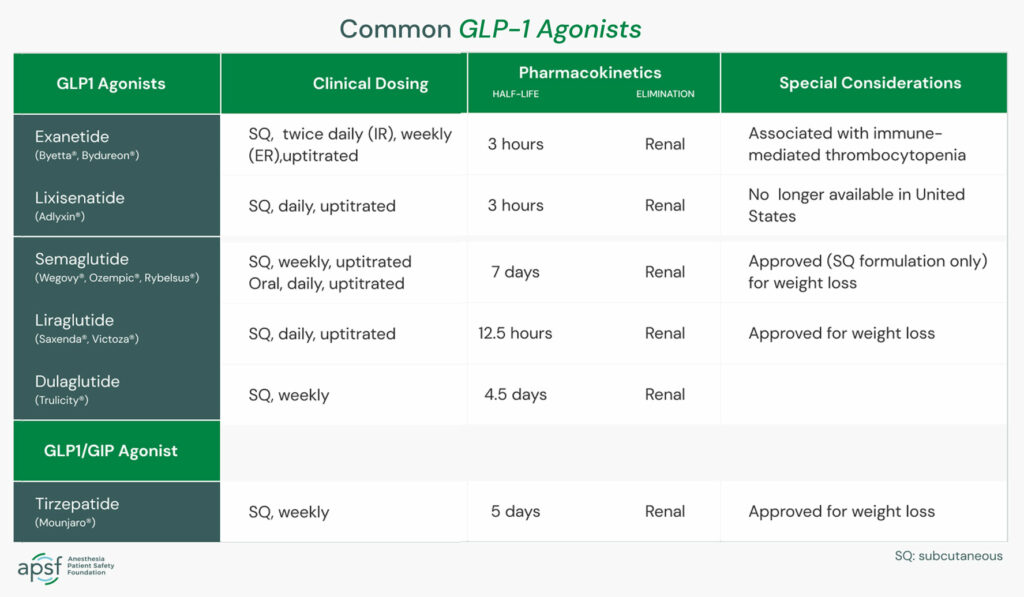
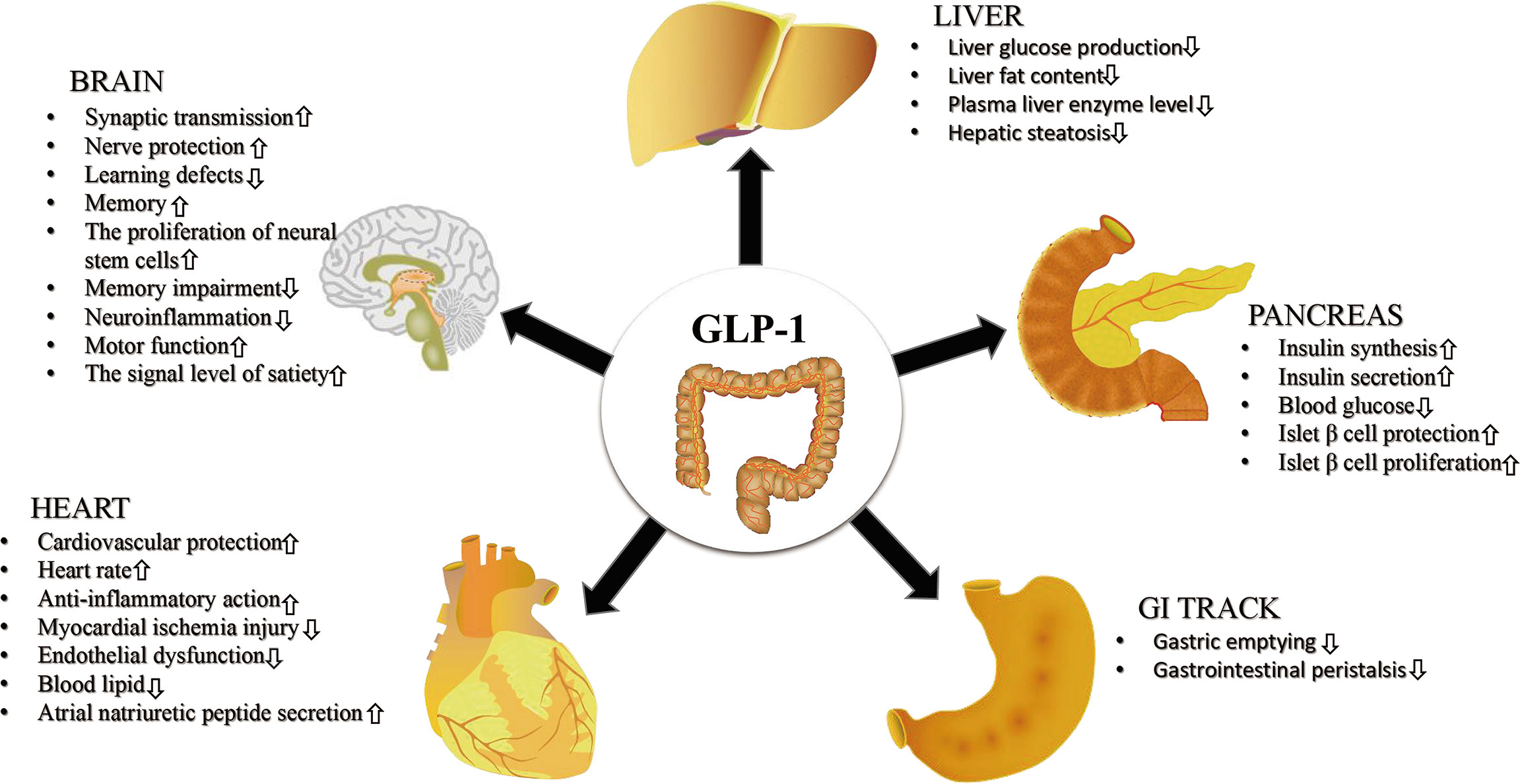
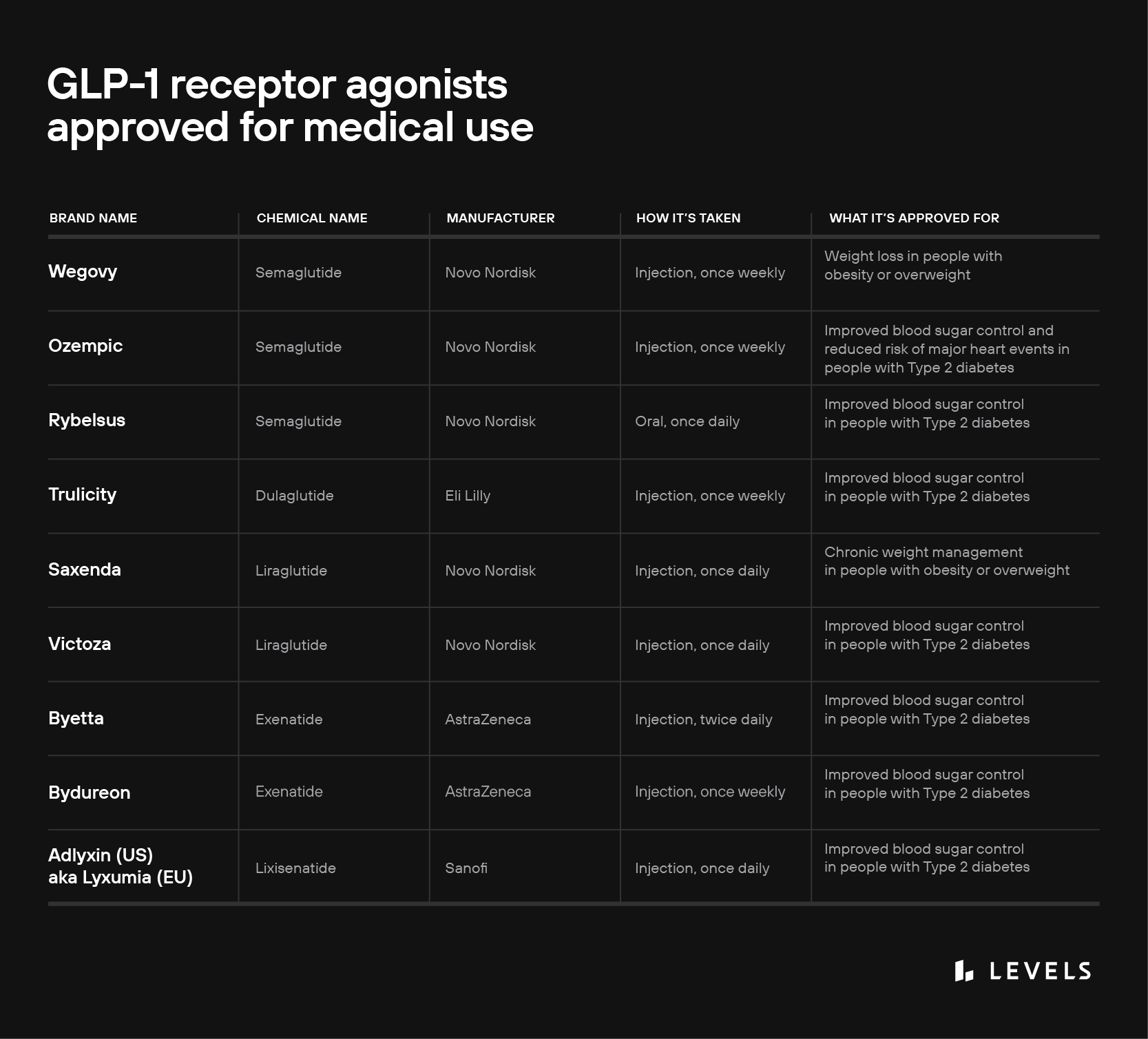
Over the past decade, the treatment landscape for metabolic disorders has undergone a significant transformation, particularly with the rise of glucagon-like peptide-1 receptor agonists (GLP-1 RAs). Initially developed for type 2 diabetes management, GLP-1 RAs have evolved into multi-organ potential therapeutics, offering substantial weight loss and metabolic benefits.
A Brief Overview of GLP-1 RAs
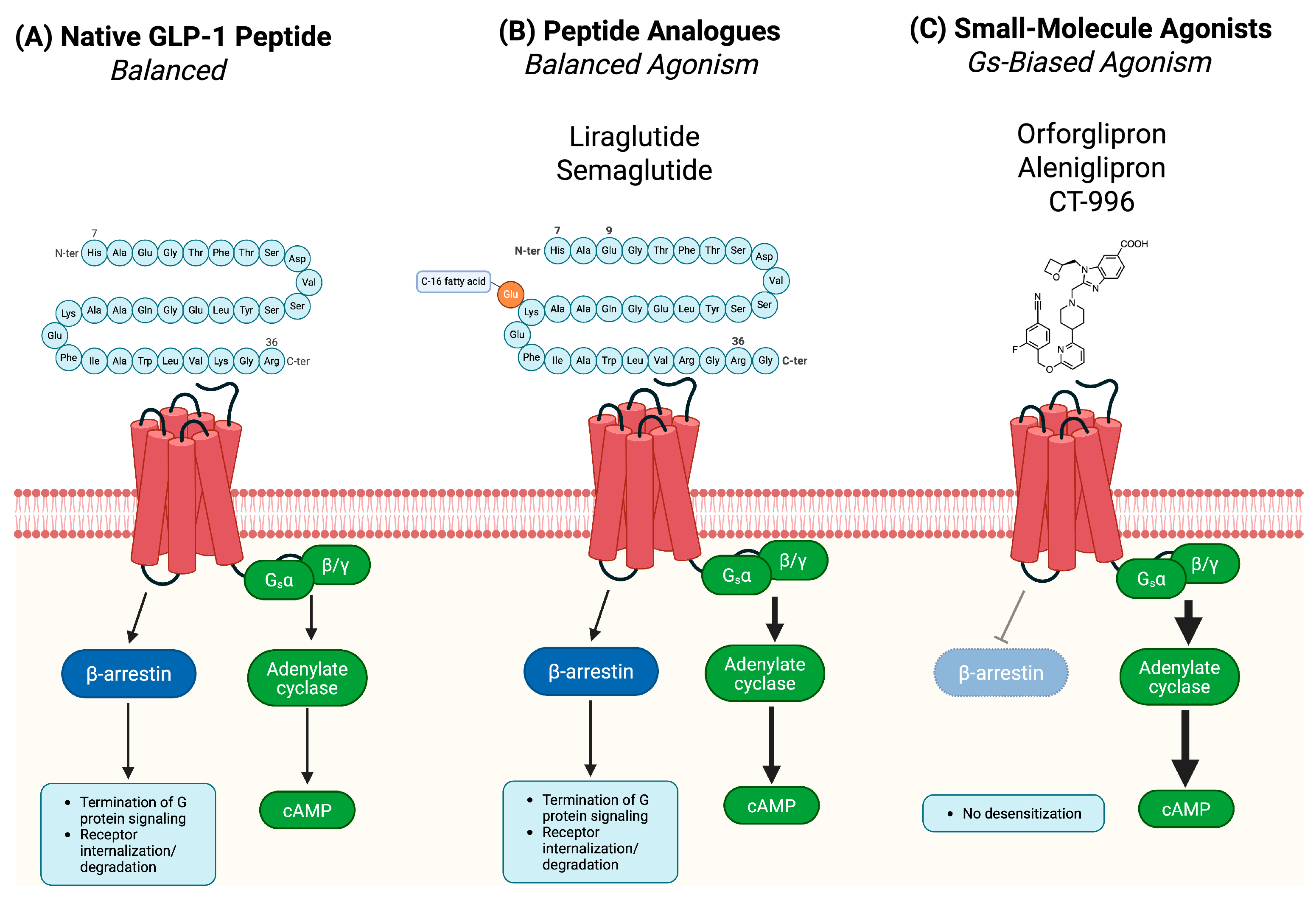
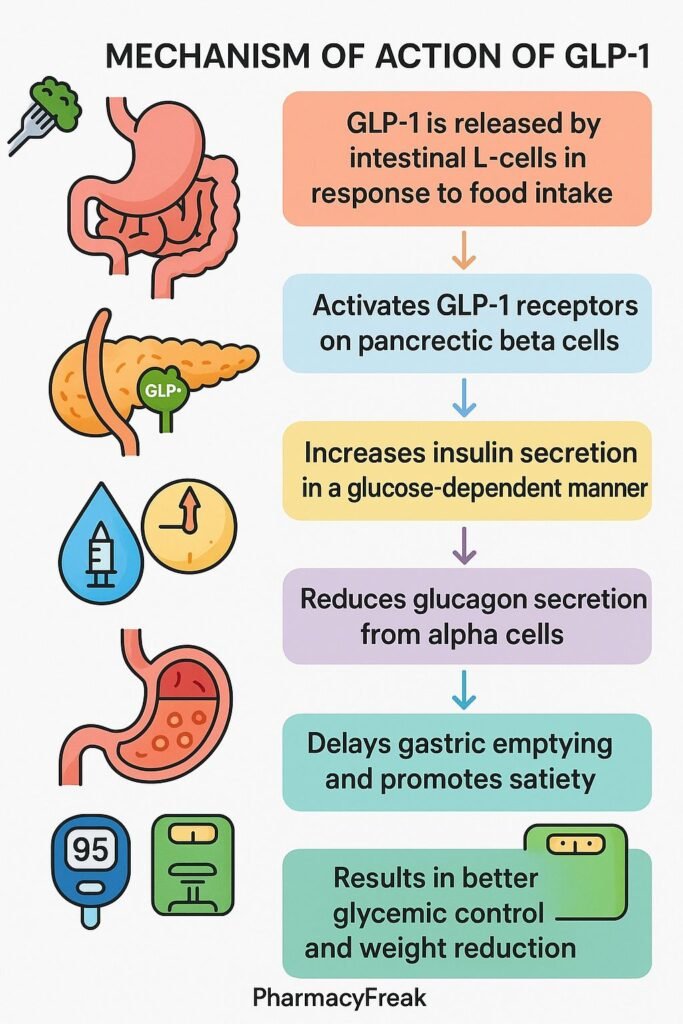
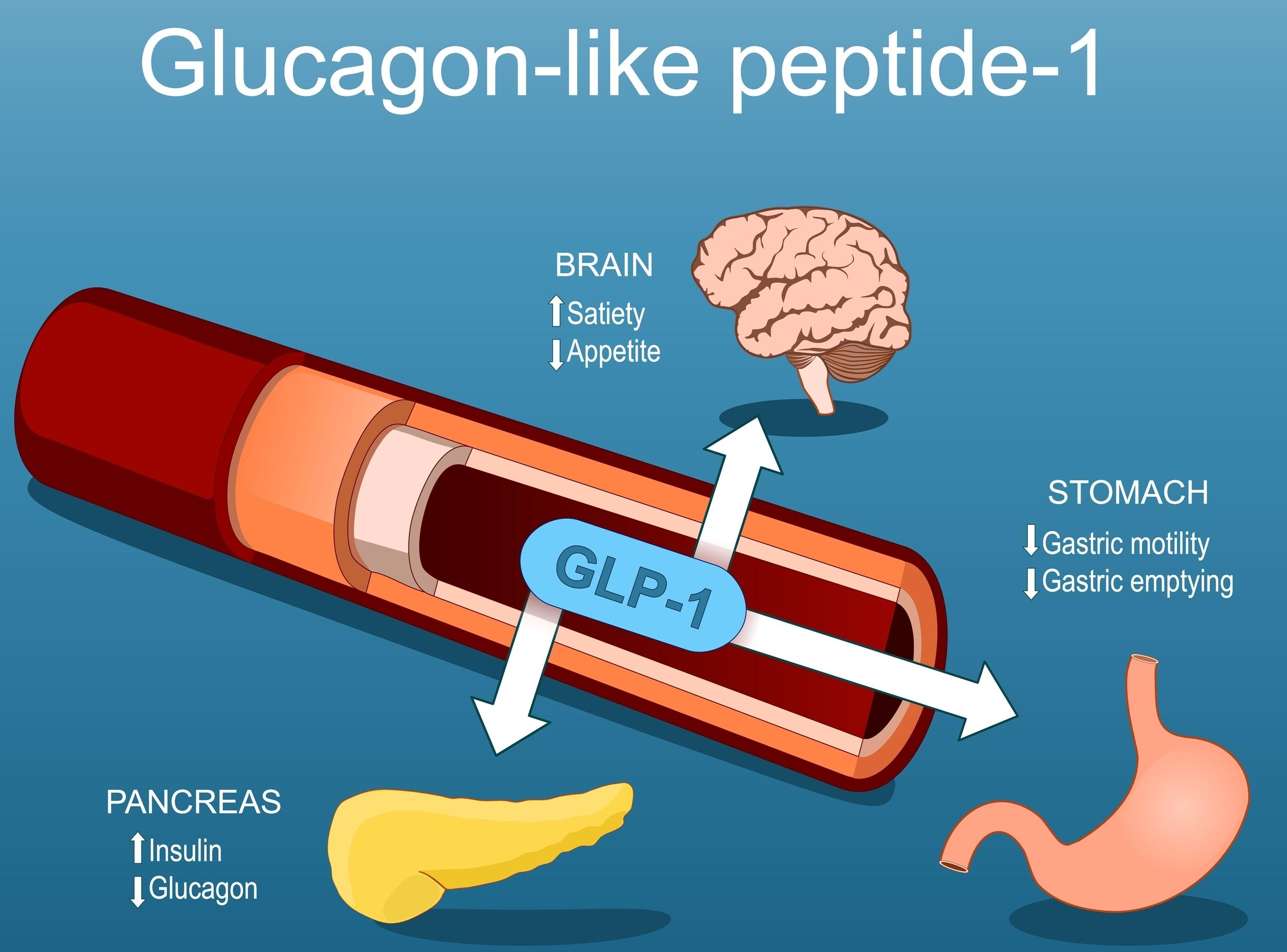
GLP-1 RAs are a class of medications that mimic the naturally occurring GLP-1 hormone, binding to the GLP-1 receptor to amplify its effects. This binding results in reduced blood sugar, reduced appetite, and reduced energy intake, making GLP-1 RAs an attractive treatment option for obesity management. The global weight-loss medications market is predicted to reach $150 billion by 2035, underscoring the growing demand for effective obesity treatments.
Efficacy and Safety Profile of GLP-1 RAs
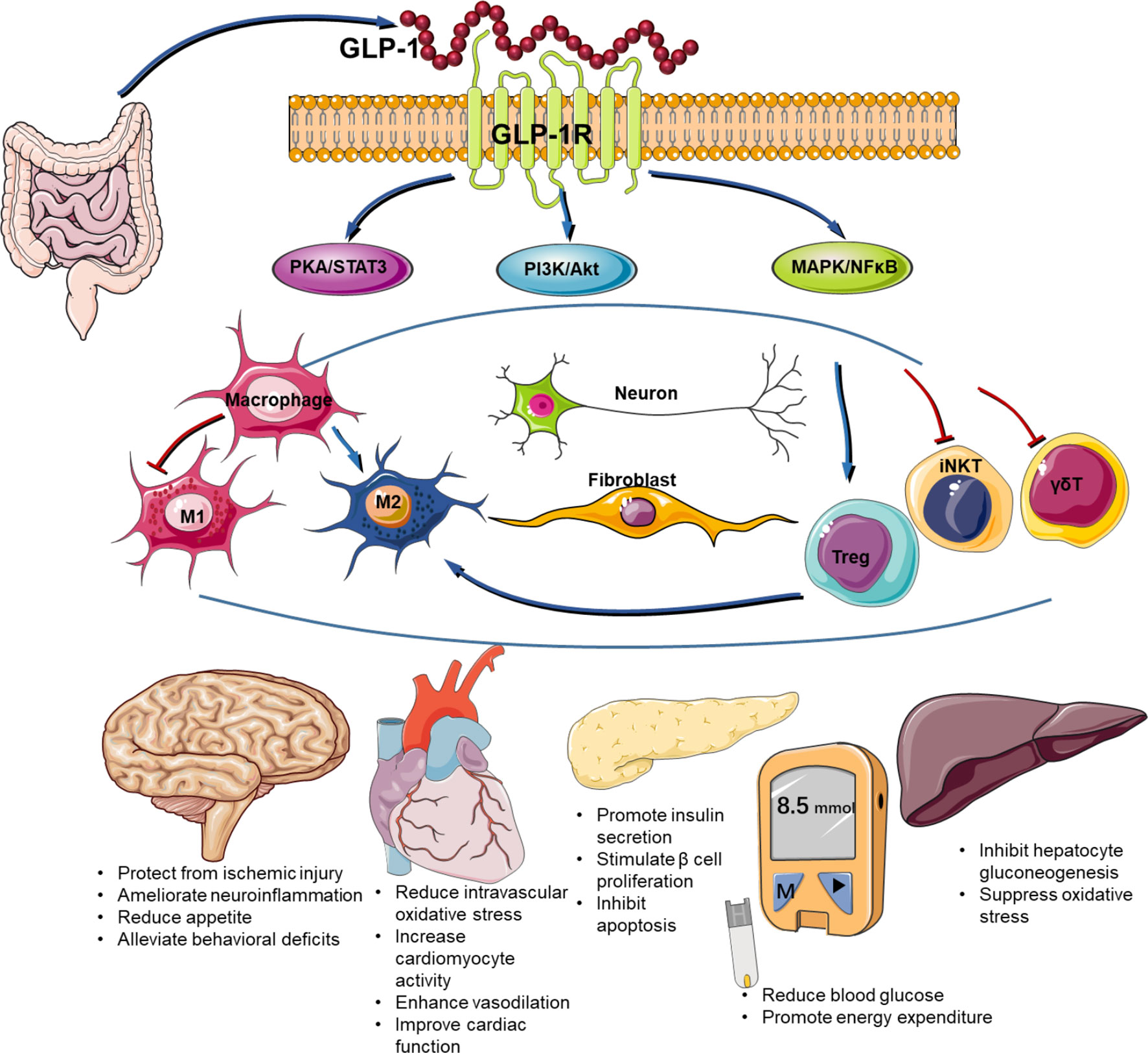
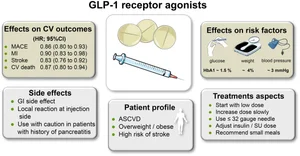
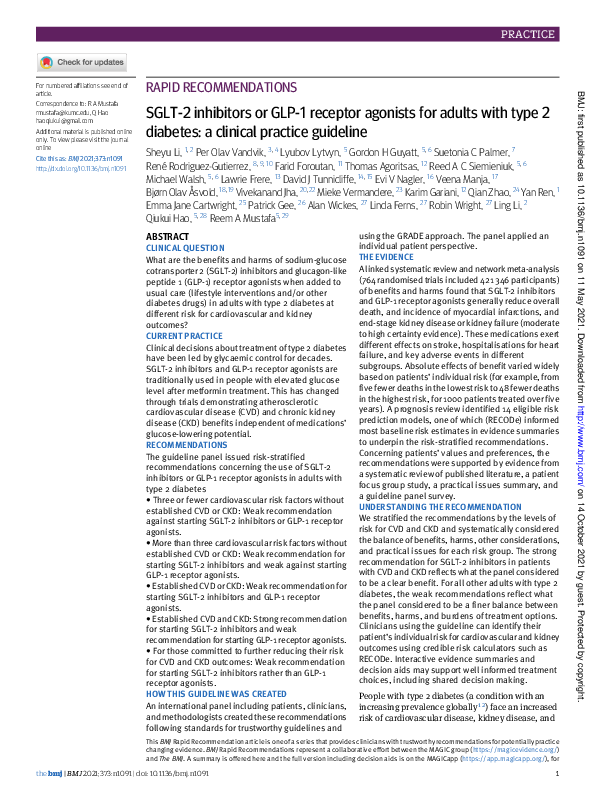
Studies have consistently shown that GLP-1 RAs offer significant weight loss and metabolic benefits, particularly when compared to alternative treatments. A comprehensive review of the evidence suggests that GLP-1 RAs are effective in reducing A1C levels, improving cardiovascular risk factors, and promoting weight loss. However, gastrointestinal-related adverse effects are common, particularly nausea and vomiting.
Emerging Indications for GLP-1 RAs
The potential therapeutic applications of GLP-1 RAs extend beyond obesity management. Emerging evidence suggests that GLP-1 RAs may have a beneficial effect on various ophthalmic diseases, including diabetic retinopathy, glaucoma, and age-related macular degeneration. Additionally, GLP-1 RAs may have a role in preventing Alzheimer's disease, although the evidence remains preliminary.