Laminate Flooring Thickness Options: Understanding the Impact on Quality and Performance
Laminate flooring has become a popular choice for homeowners due to its affordability, durability, and diverse designs. However, one of the most critical factors that can affect the overall quality and performance of laminate flooring is its thickness. In this article, we will explore the various laminate flooring thickness options and how they impact different aspects of flooring performance.
What Affects Laminate Flooring Thickness?
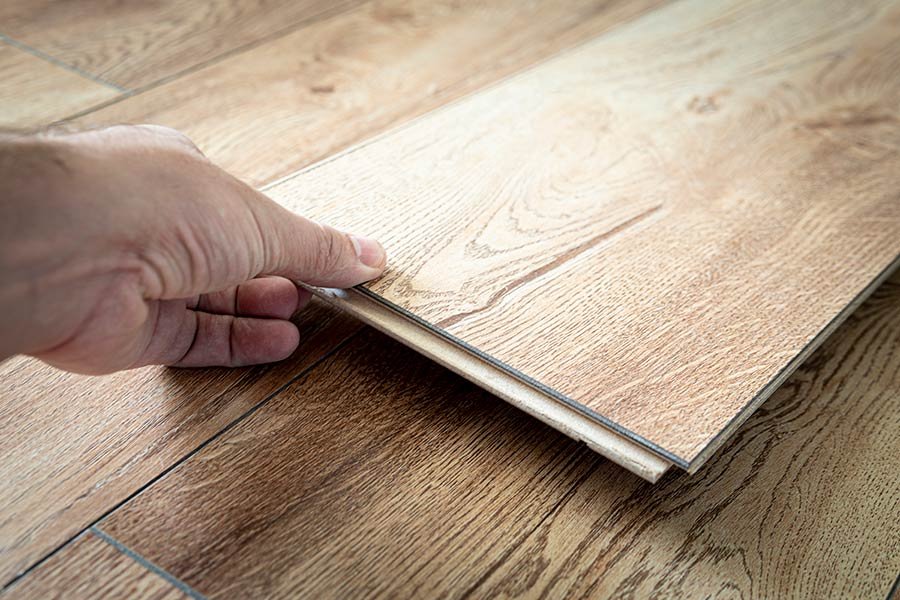
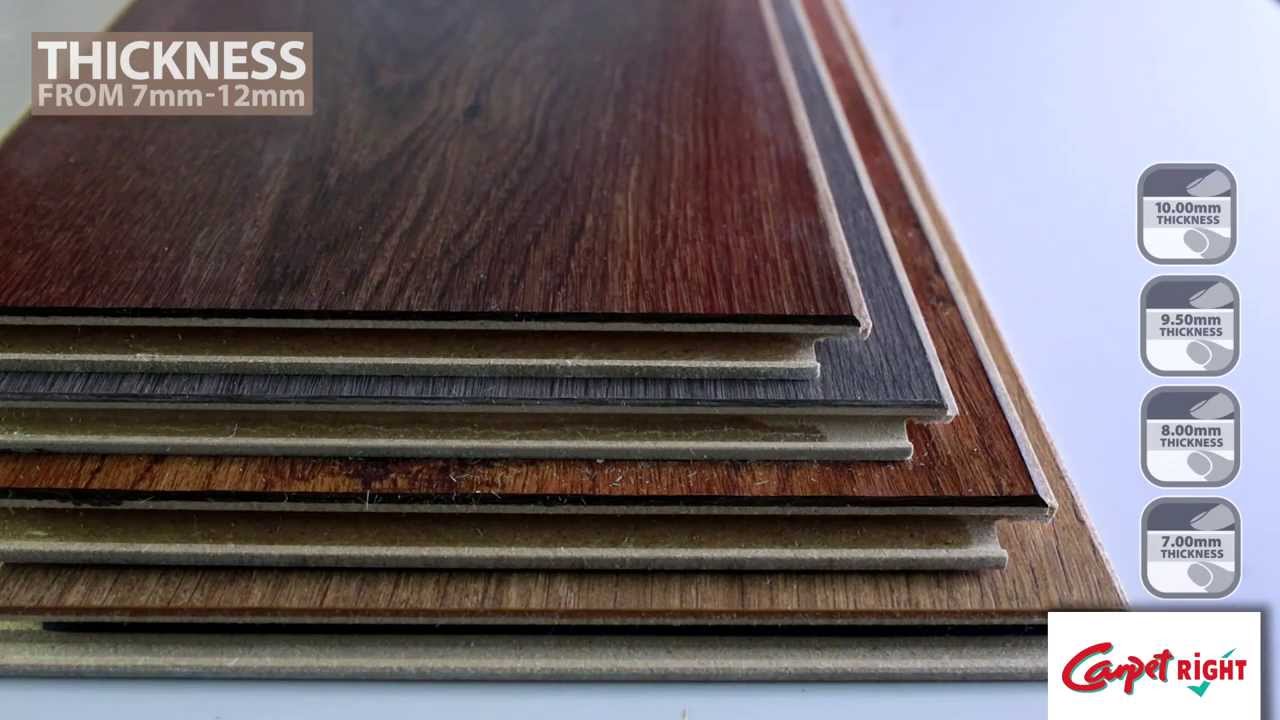
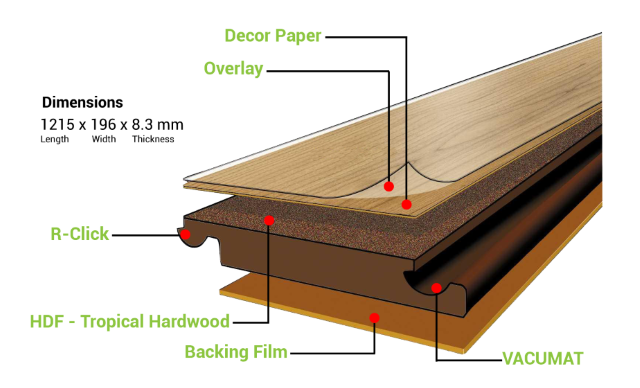
The thickness of laminate flooring is influenced by a combination of factors, including the type of core material used, the number of wear layers, and the desired level of durability and sound insulation. Typically, residential laminate flooring ranges from 6mm to 12mm in total thickness, with thicker boards offering better rigidity, sound dampening, and a more solid underfoot sensation.
Benefits of Thicker Laminate Flooring
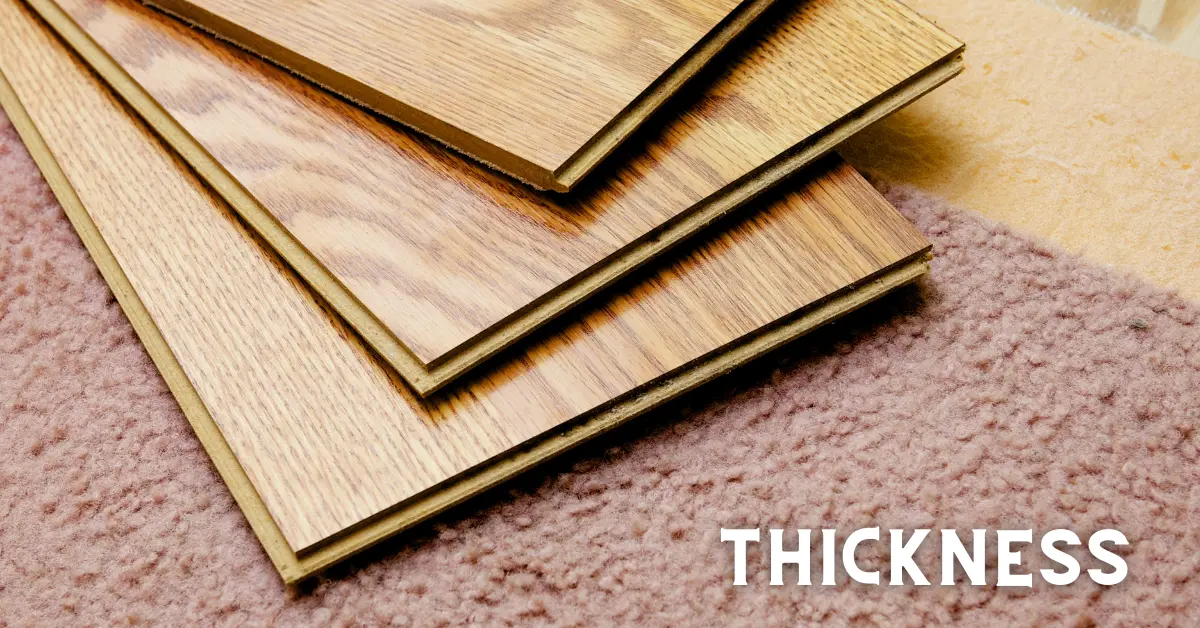
Thicker laminate flooring offers several benefits, including:
- Improved stability and rigidity: Thicker boards are less prone to warping and expansive movement.
- Enhanced sound insulation: Thicker laminate flooring can effectively reduce noise levels and create a more comfortable living space.
- Increased durability: Thicker wear layers can withstand heavier foot traffic and daily wear and tear.
- More realistic look and feel: Thicker laminate flooring can mimic the appearance and feel of natural wood or stone, making it a popular choice for homeowners who want a high-end look without the associated costs.