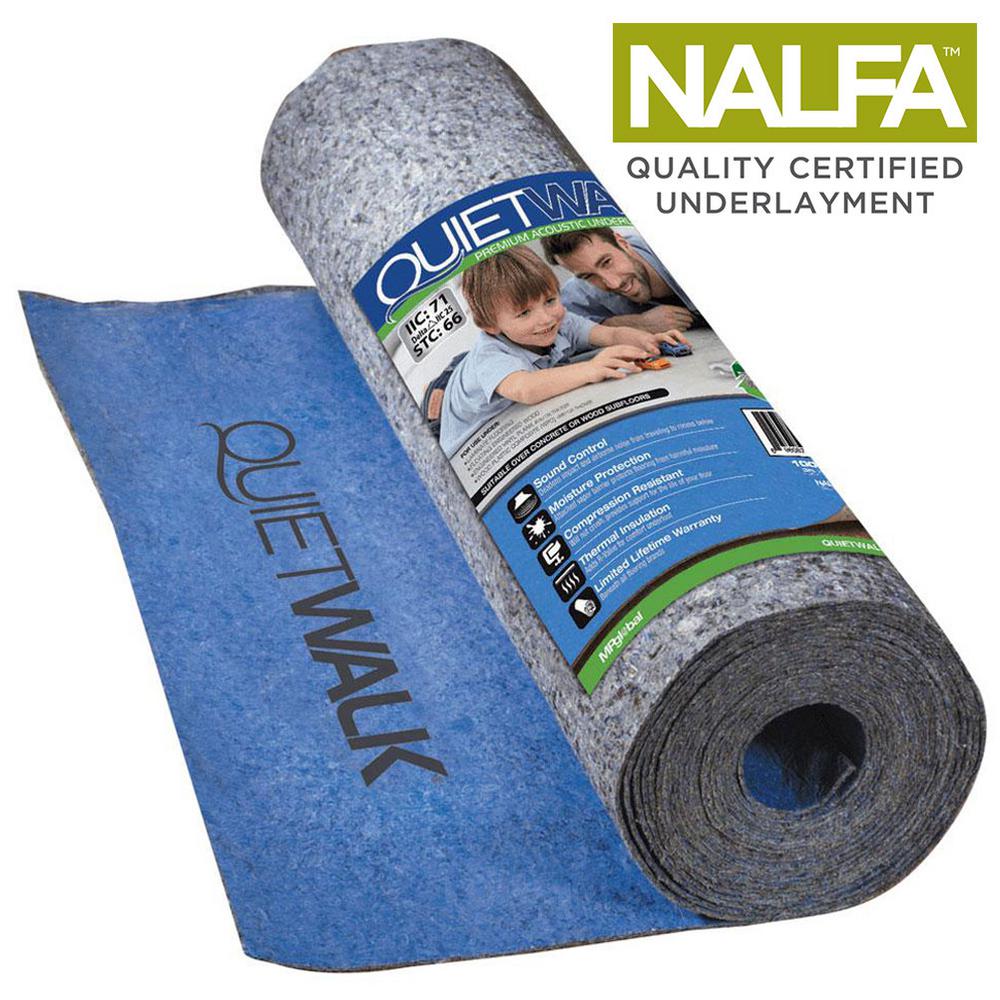
Laminate Flooring Noise Reduction: Understanding the Importance of Underlayment
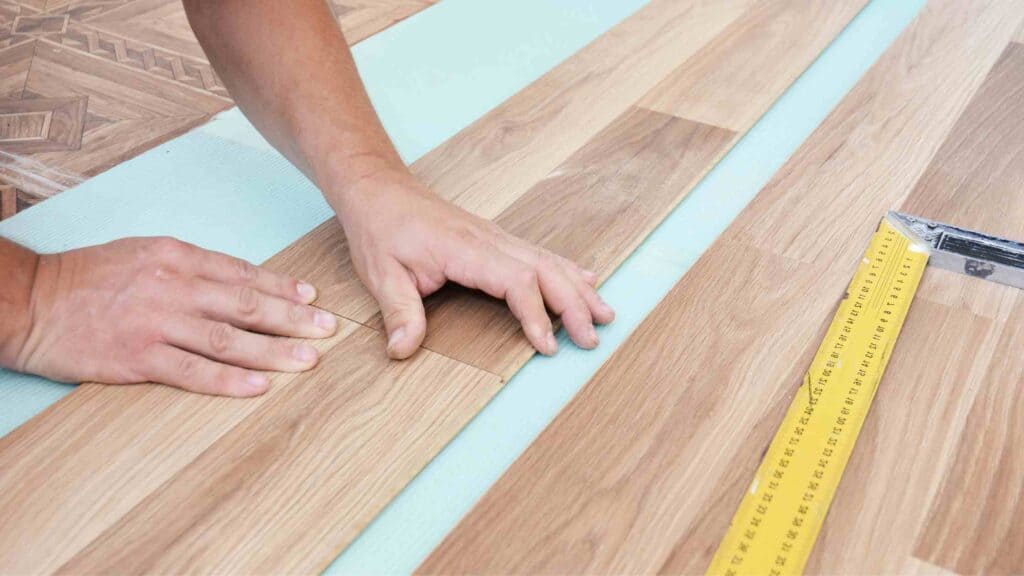
When it comes to laminate flooring, one of the primary concerns is noise reduction. Laminate flooring often carries sound primarily through impact noise—the sound of footsteps and objects striking the floor—and to a lesser extent through airborne noise. An underlayment serves as a crucial component in reducing these noises, making it an essential aspect to consider during installation.
How Underlayment Reduces Noise
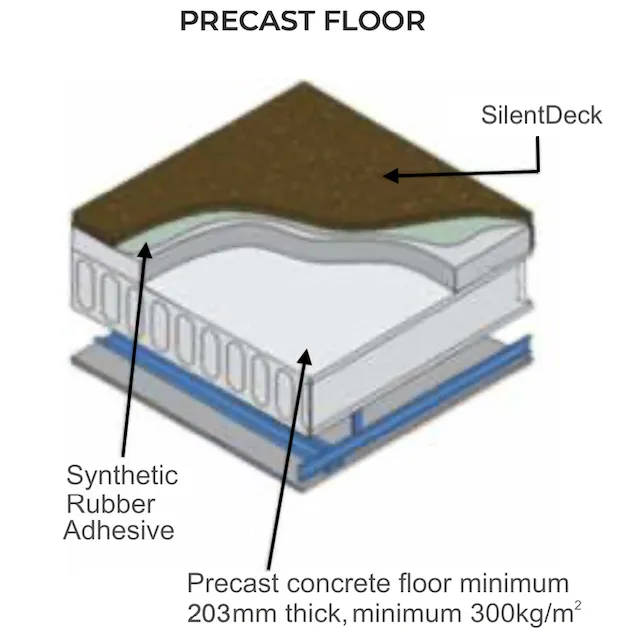
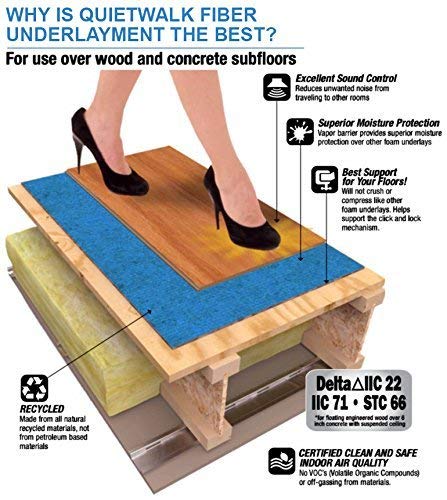
Underlayment dampens impact sounds and softens footfall by decoupling the laminate from the subfloor, adding an air or mass layer, and absorbing vibrations. The result is a quieter, more comfortable floor with fewer creaks and footstep sounds. The level of noise reduction depends on material density, thickness, and whether a vapor barrier is included.
The Role of Underlayment in Laminate Flooring Noise Reduction

- Dampens impact sounds: By adding an air or mass layer, underlayment reduces the impact of footsteps and objects striking the floor.
- Softens footfall: Underlayment helps to reduce the sound of footsteps by decoupling the laminate from the subfloor.
- Absorbs vibrations: By absorbing vibrations, underlayment reduces the transmission of noise through the floor.
Types of Underlayment for Laminate Flooring Noise Reduction
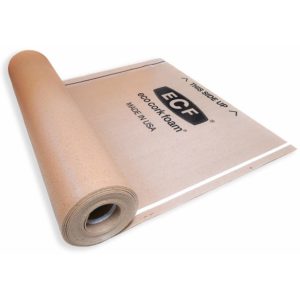
Cork, rubber, foam-based, and hybrid solutions are some of the top underlayment options for laminate flooring noise reduction. Each of these options has its unique features, benefits, and drawbacks, making it essential to consider the specific needs of your project.