Understanding the Carbon Credit Allocation Mechanism: A Key to Climate Action
The world is rapidly transitioning towards a low-carbon economy, and carbon credits have become a vital instrument in reducing greenhouse gas emissions. The carbon credit allocation mechanism is a critical component of this process, ensuring that credits are distributed fairly and effectively. In this article, we will delve into the concept of carbon credits, the carbon credit allocation mechanism, and its significance in the fight against climate change.
What are Carbon Credits?
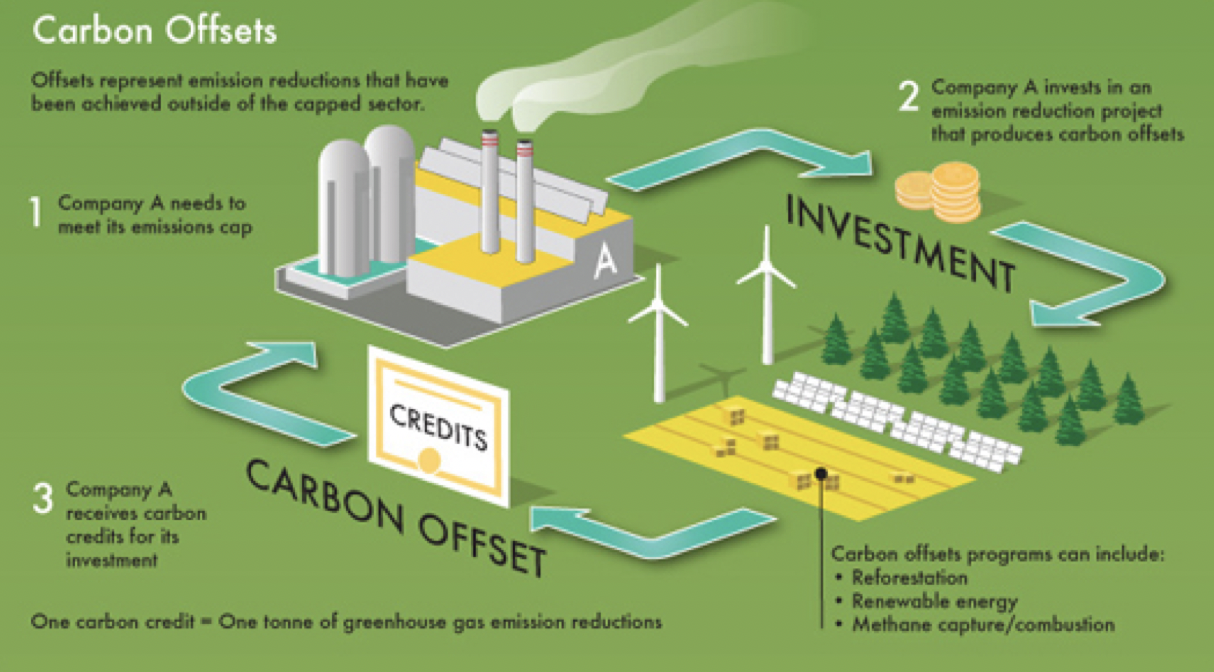
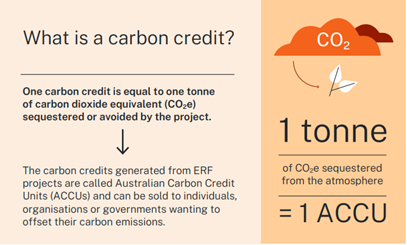
Carbon credits, also known as carbon allowances, are tradable instruments that represent the right to emit a certain amount of greenhouse gases (GHGs) or the right to remove GHGs from the atmosphere. Each credit represents one metric ton of CO2 or its equivalent (CO2e). Carbon credits can be generated through various activities, such as reducing emissions, sequestering carbon, or using renewable energy sources.

Carbon Credit Allocation Mechanism
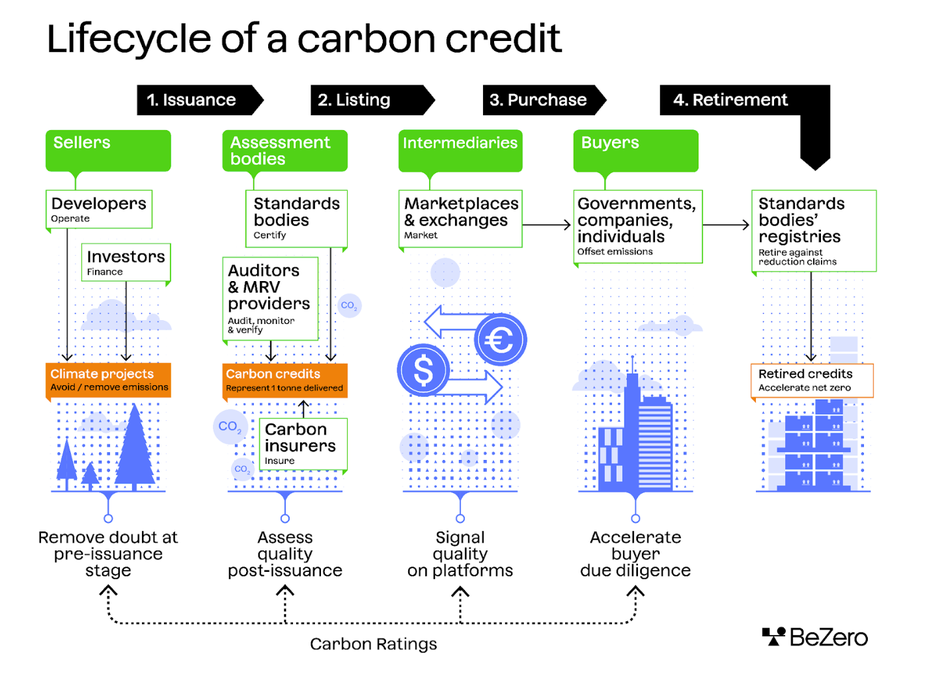
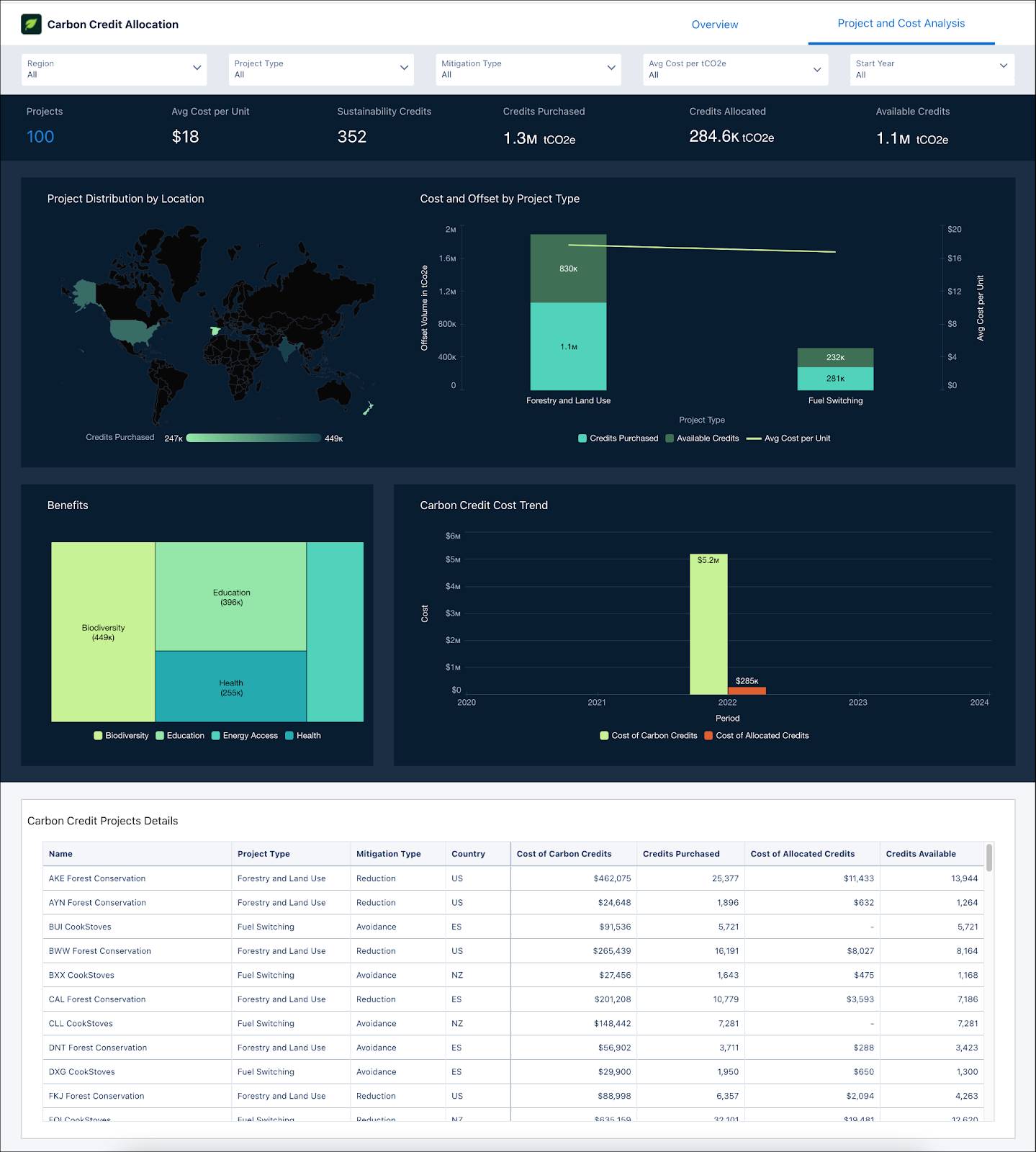
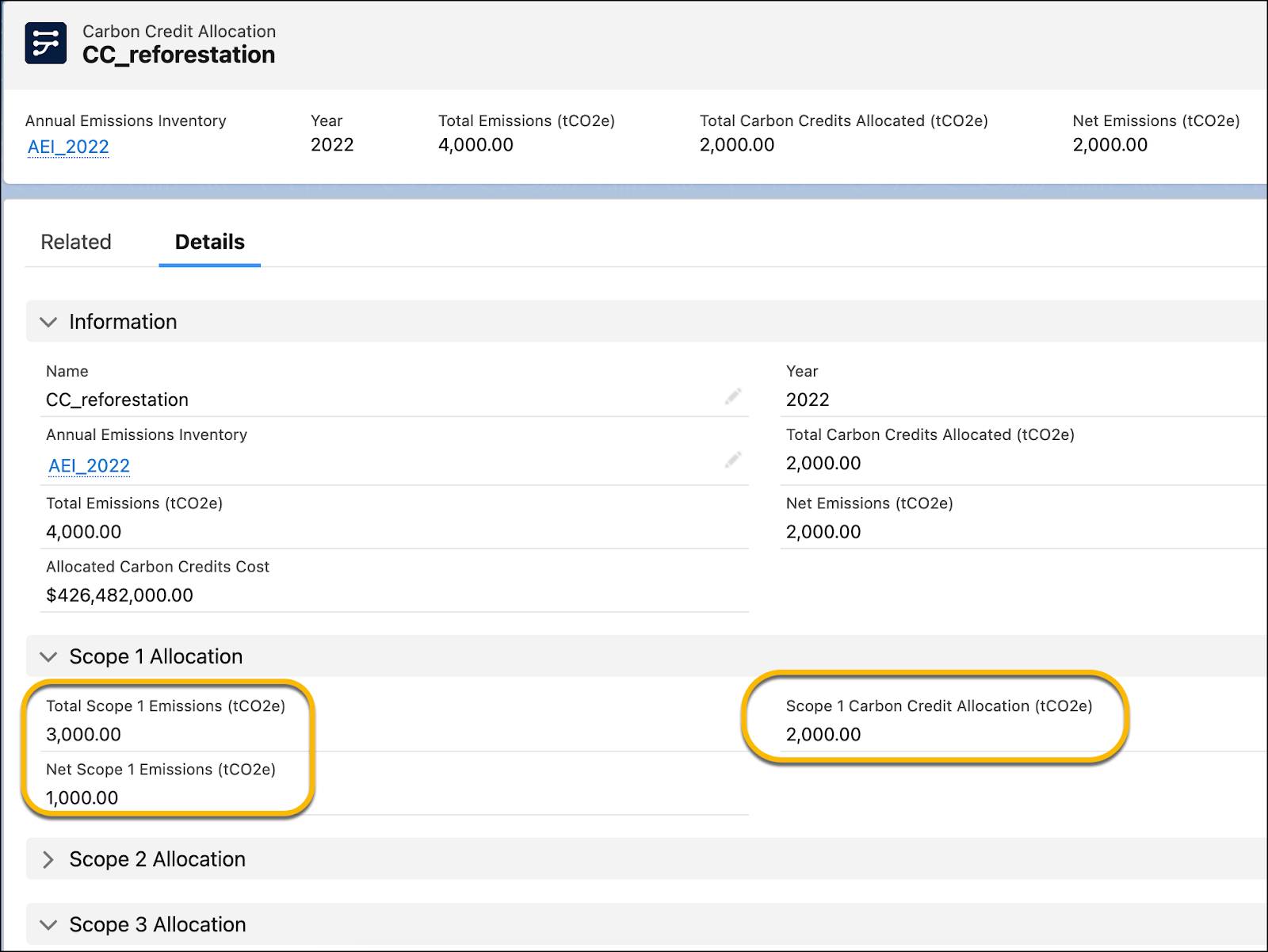
The carbon credit allocation mechanism is a system designed to distribute carbon credits fairly and efficiently. It ensures that credits are allocated to projects that reduce GHG emissions or remove GHGs from the atmosphere. The mechanism typically involves the following steps:
- Validation: The project is verified to ensure it meets the required emission reduction or removal standards.
- Measurement, Reporting, and Verification (MRV): The project's emissions are monitored, reported, and verified to ensure accuracy.
- Credit Issuance: The project is awarded carbon credits based on the verified emission reductions or removals.