Understanding Network Capacity Planning: The Key to a Reliable and Efficient Network Infrastructure
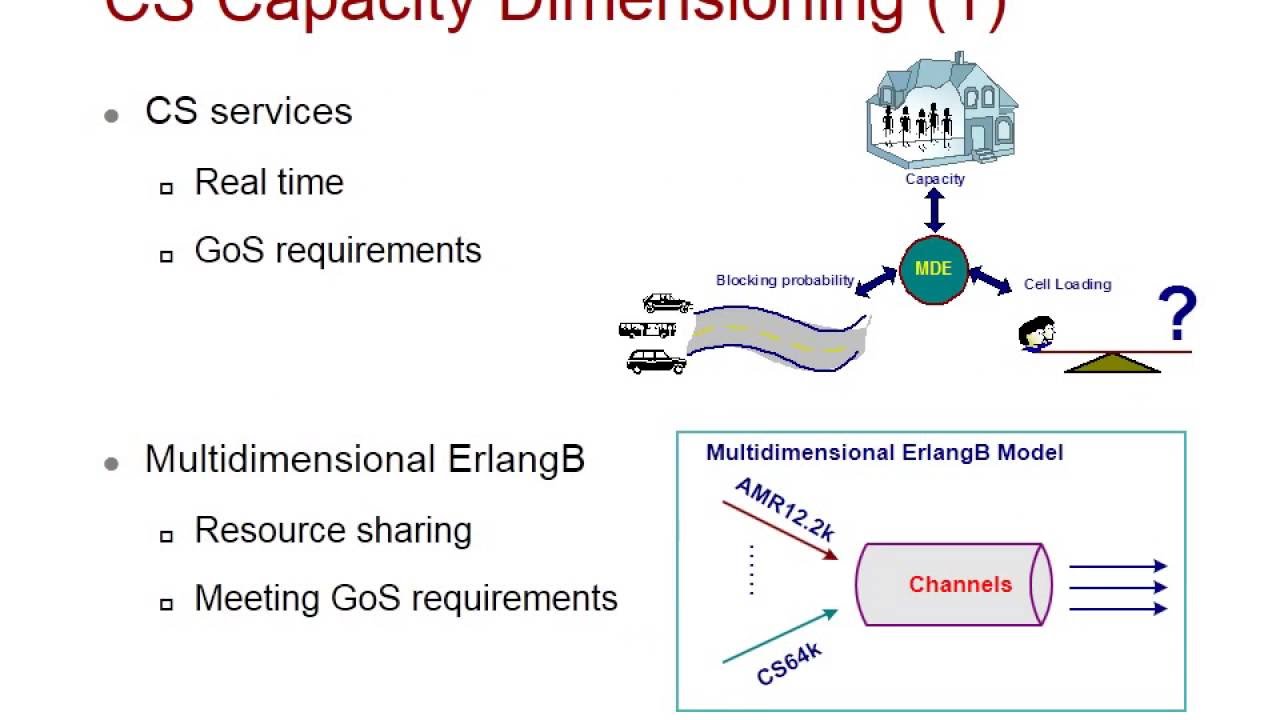
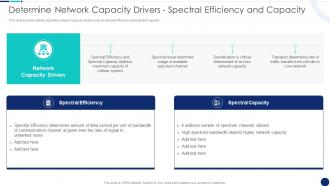
Network capacity planning represents one of the most complex and critical challenges in modern telecommunications infrastructure. As networks evolve to support unprecedented data volumes, driven by artificial intelligence, autonomous vehicles, Internet of Things deployments, and ultra-high-definition media streaming, the mathematical models and optimization techniques required to ensure optimal network performance and availability become increasingly sophisticated.
The Importance of Network Capacity Planning
Network capacity planning is a systematic approach to evaluating and optimizing network resources, ensuring peak performance, availability, and efficient data transmission. It involves assessing current network utilization, analyzing trends, and making informed predictions about future growth to ensure that the network can accommodate increased demands. This critical process helps organizations to:

- Prevent bottlenecks and reduce downtime
- Ensure optimal network performance and availability
- Support business-critical applications and services
- Reduce operational costs and improve return on investment (ROI)
The Role of Network Monitoring in Network Capacity Planning
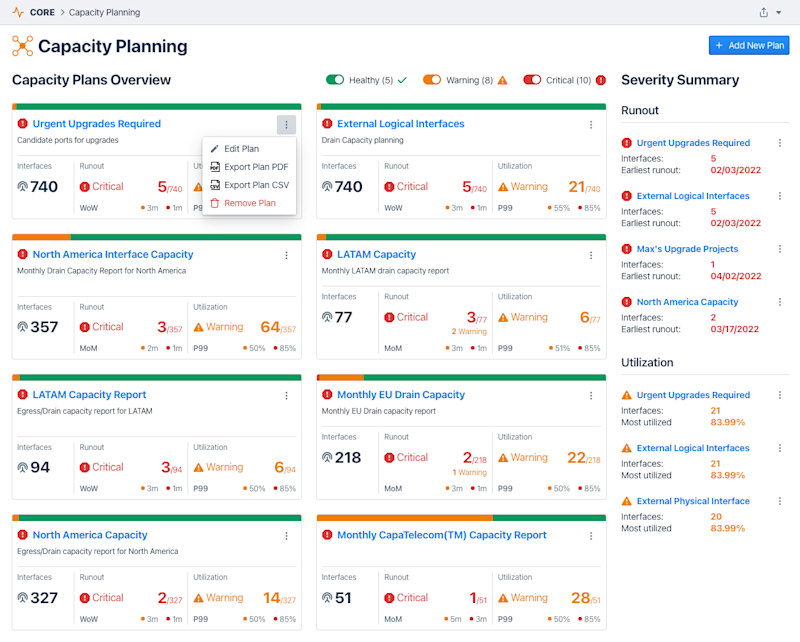
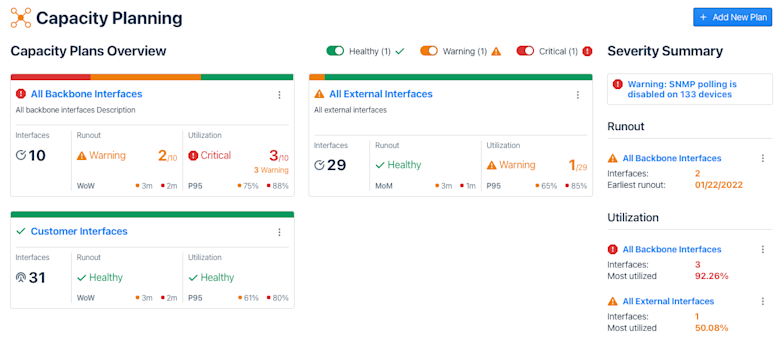
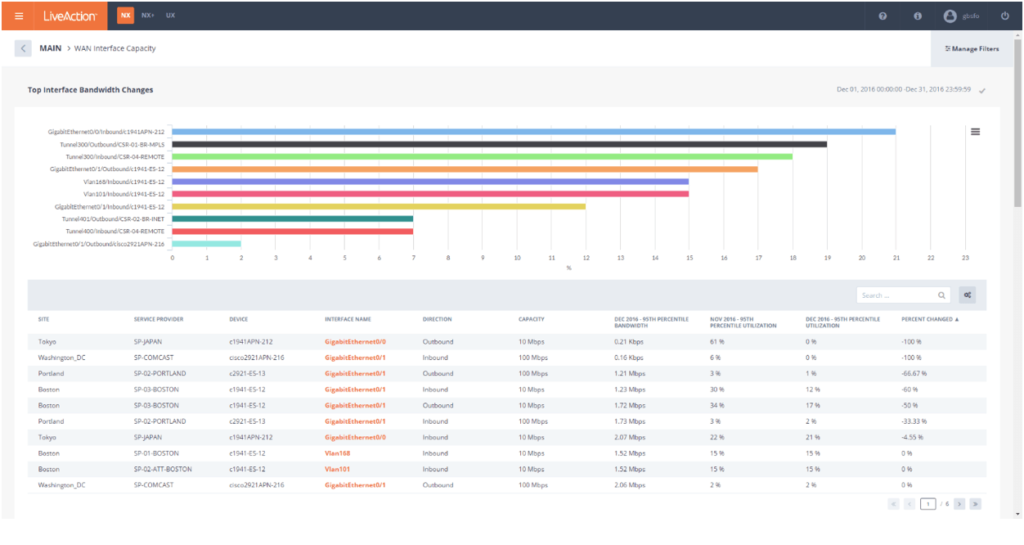
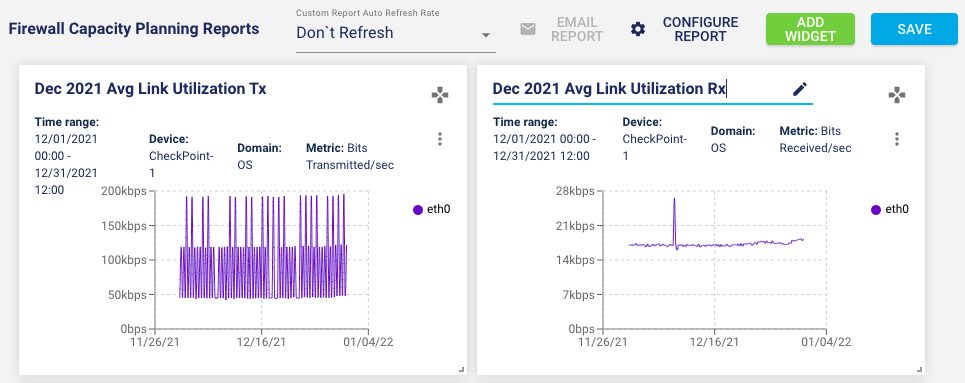
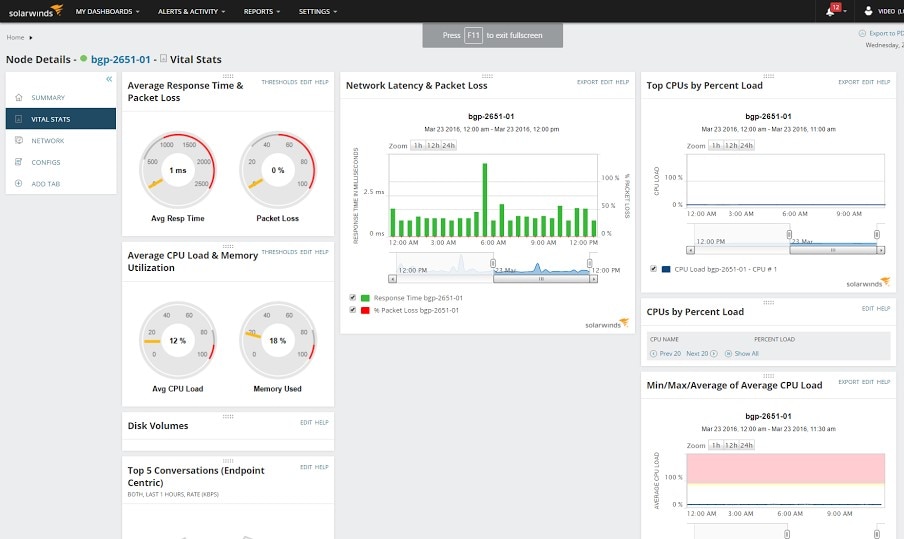
Network monitoring tools play a vital role in network capacity planning by providing real-time visibility into network performance and usage. These tools can track key performance metrics, such as bandwidth utilization, latency, packet loss, and network congestion, allowing IT teams to identify potential bottlenecks and areas of improvement.