Red Therapy for Rosacea: A Comprehensive Guide to Reducing Redness and Inflammation
Red light therapy, also known as photobiomodulation (PBM), is a non-invasive approach that has gained popularity for managing the symptoms of rosacea. This treatment targets vascular reactivity and chronic inflammation, offering a different approach from traditional prescription medications and laser therapy. In this article, we will explore the benefits of red light therapy for rosacea, review the scientific evidence, and provide practical advice for safely integrating red light therapy into your skincare routine.
What is Red Light Therapy for Rosacea?
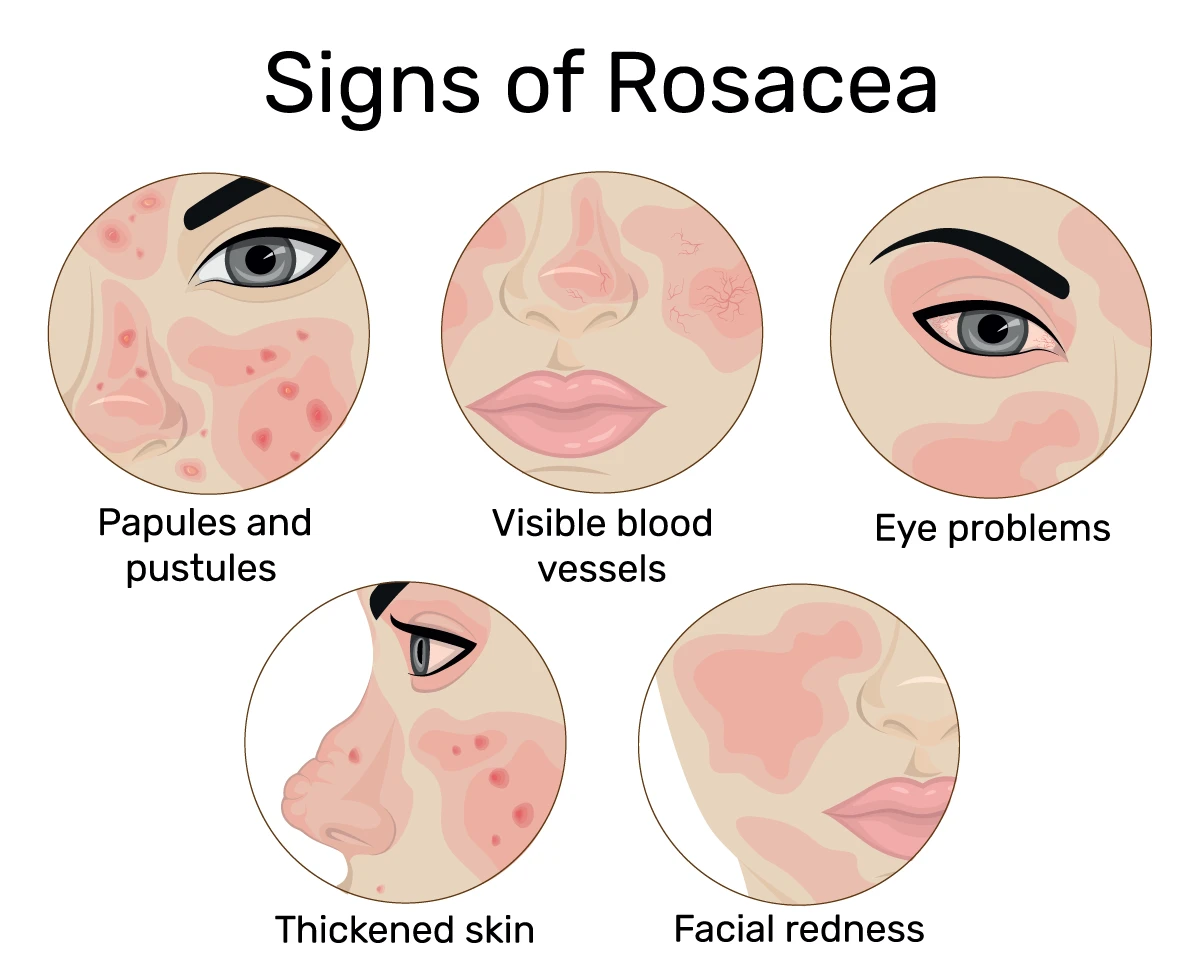
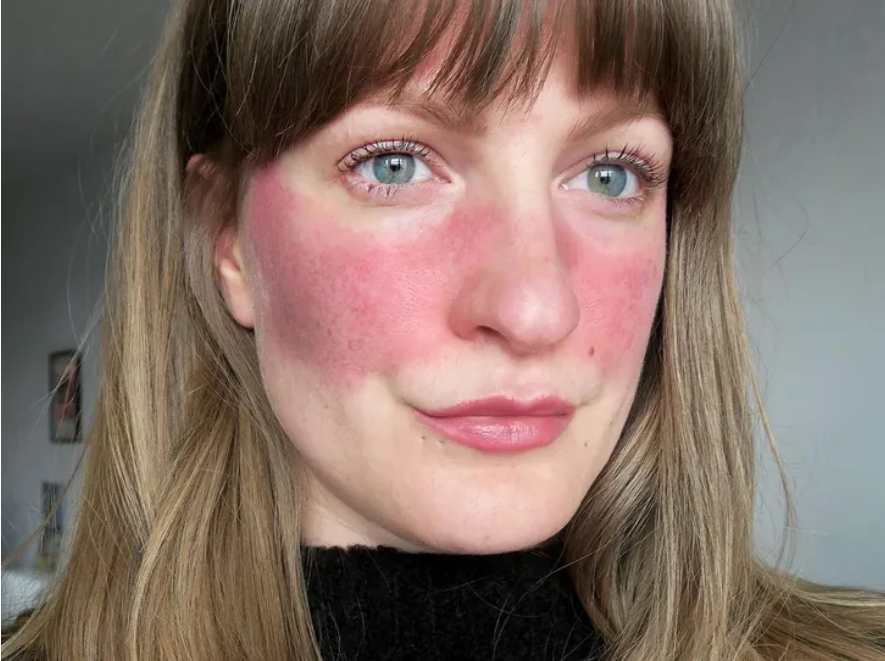
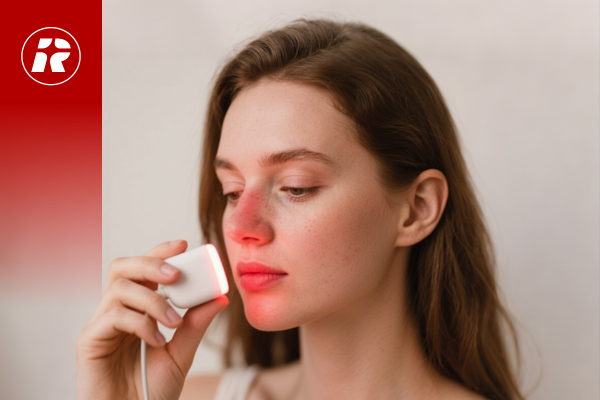
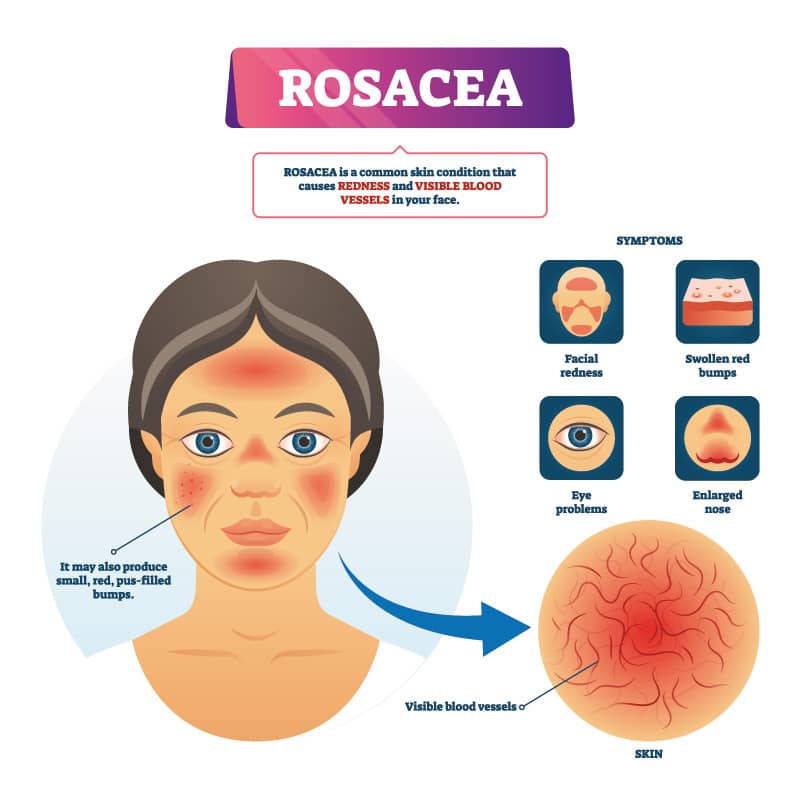
Red light therapy for rosacea involves the use of low-level laser or light emitting diodes (LEDs) that emit red or near-infrared light. This light is absorbed by the skin, where it stimulates cellular processes that promote healing, reduce inflammation, and improve skin texture. The goal of red light therapy is to help manage rosacea symptoms, including persistent redness, flushing, and visible blood vessels.

How Does Red Light Therapy for Rosacea Work?
- Vascular Reactivity:** Red light therapy helps to calm down blood vessels, reducing their reactivity and the visible signs of rosacea.
- Chronic Inflammation:** Red light therapy reduces inflammation, which is a key component of rosacea.
- Skin Texture:** Red light therapy improves skin texture, reducing fine lines, wrinkles, and promoting a more even tone.