Mitochondrial Dysfunction and GLP-1: Unveiling the Hidden Connection
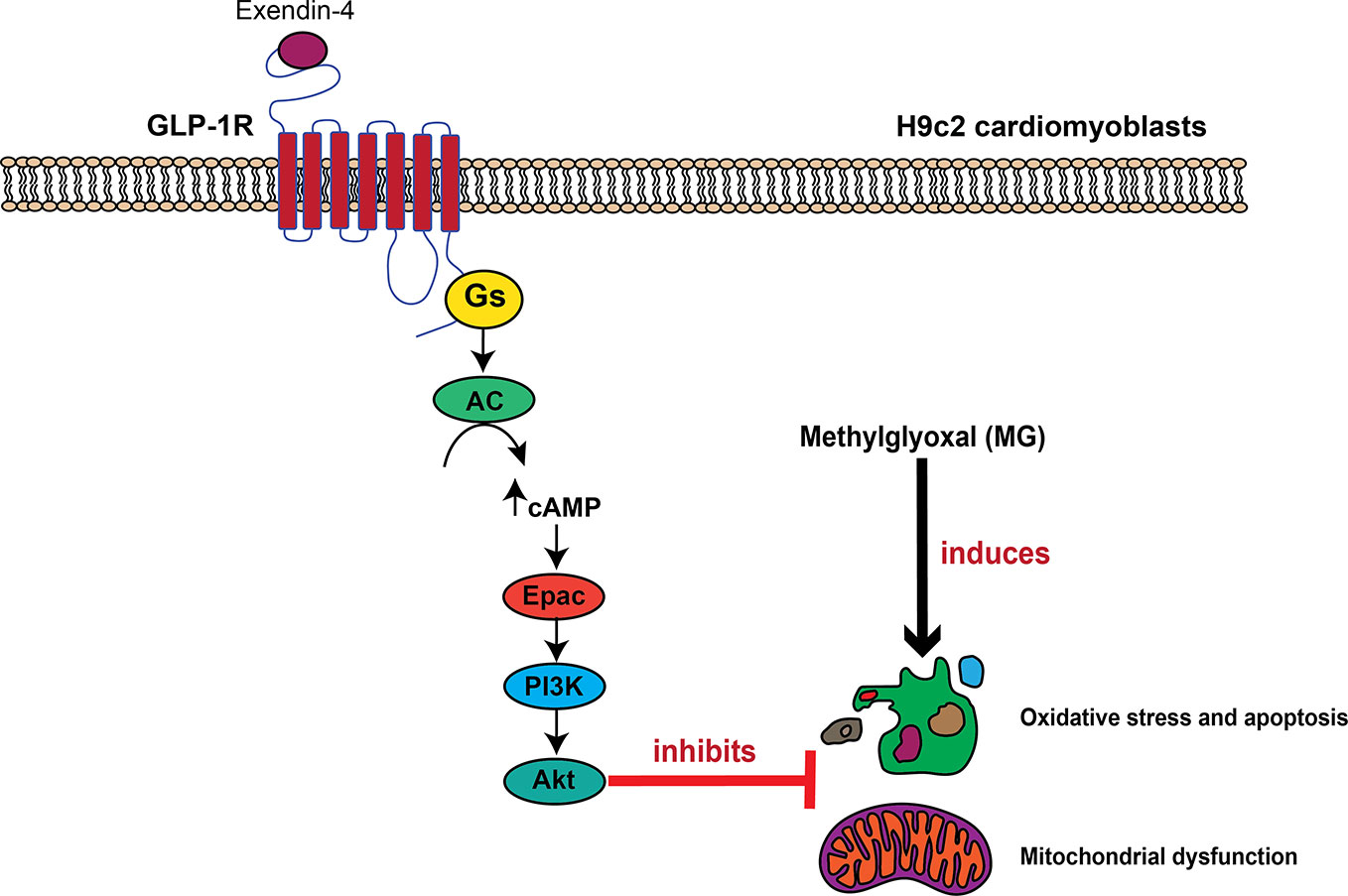
The intricate relationship between mitochondrial dysfunction and glucagon-like peptide-1 (GLP-1) has been a topic of interest in recent years. Mitochondrial dysfunction is a hallmark of various diseases, including type 2 diabetes, neurodegenerative disorders, and cardiovascular diseases. GLP-1, on the other hand, is a hormone that plays a crucial role in glucose metabolism and has been shown to have potential therapeutic benefits for various conditions. In this article, we will delve into the connection between mitochondrial dysfunction and GLP-1 and explore the potential implications of this relationship.
What is Mitochondrial Dysfunction?
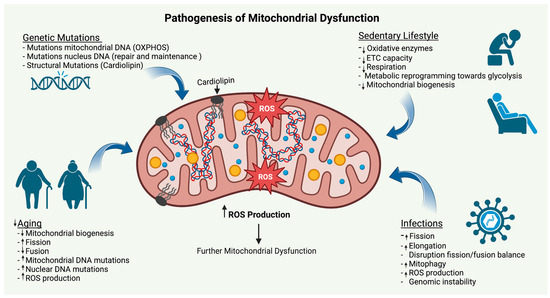
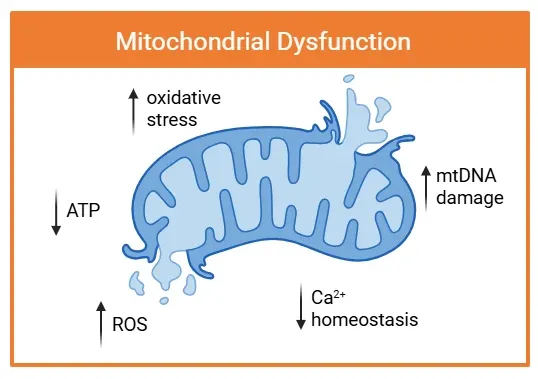
Mitochondria are the powerhouses of the cell, responsible for generating energy in the form of ATP. However, mitochondrial dysfunction occurs when the mitochondria are unable to produce energy efficiently, leading to a range of negative consequences. This can include impaired glucose metabolism, oxidative stress, and inflammation. Mitochondrial dysfunction has been implicated in various diseases, including type 2 diabetes, Alzheimer's disease, and cardiovascular disease.

What is GLP-1?
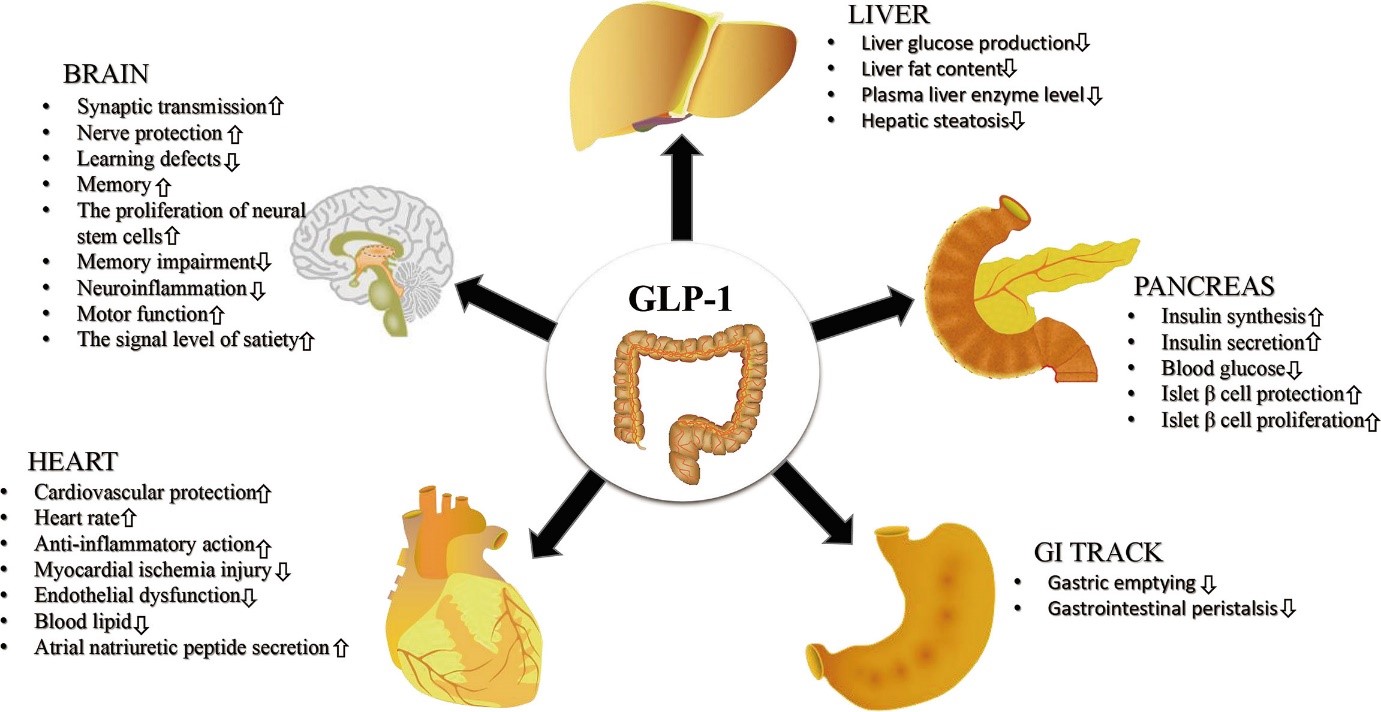
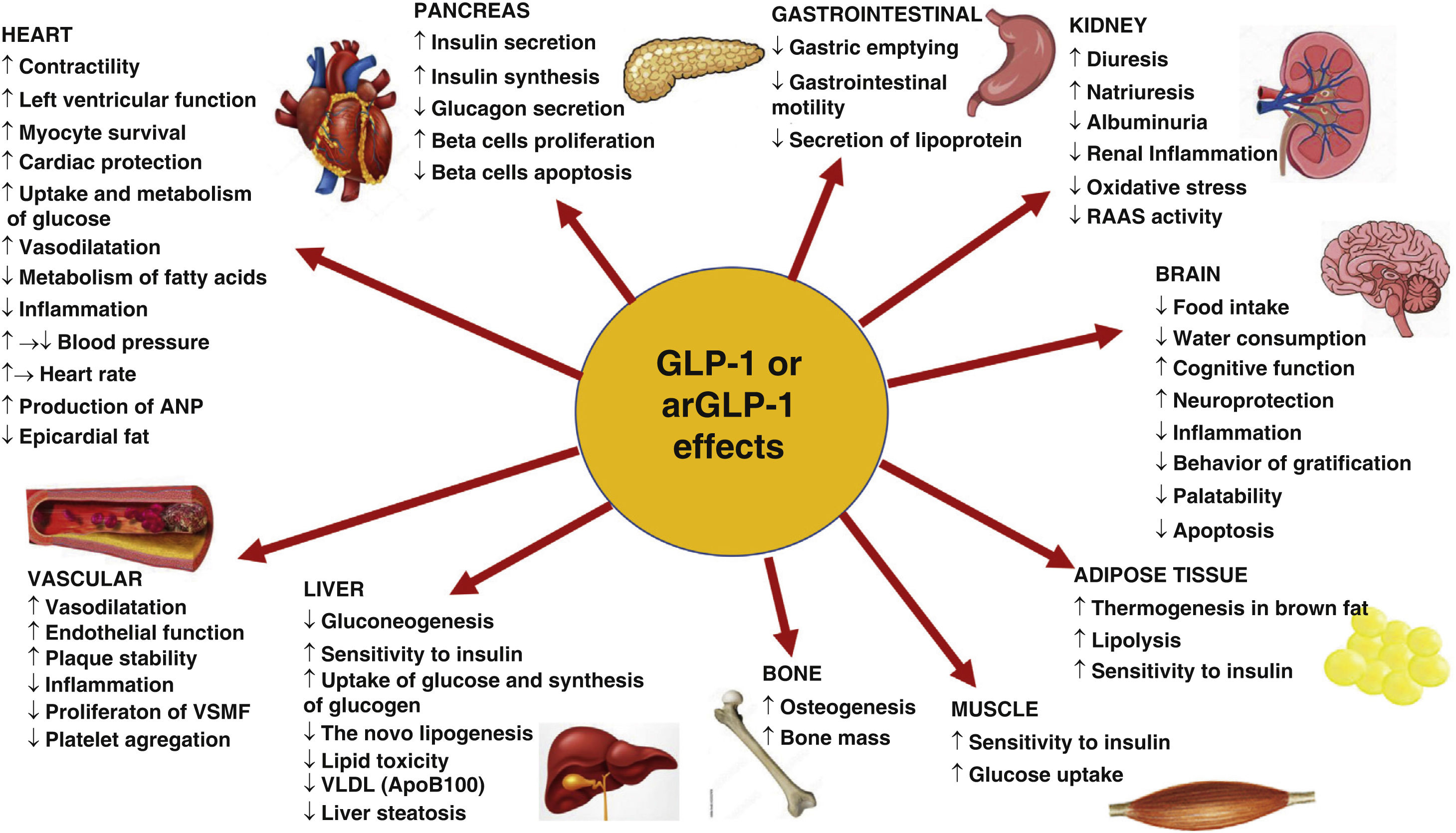
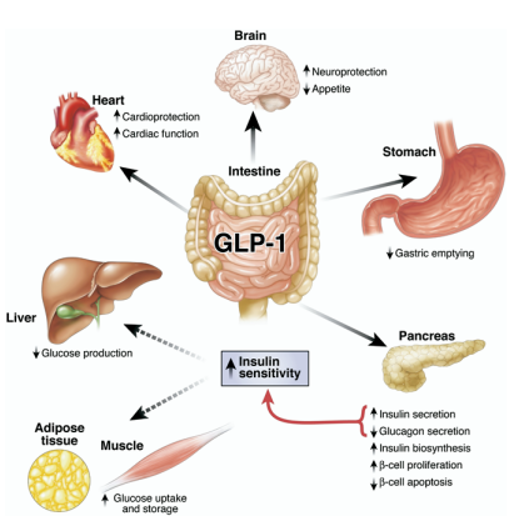
GLP-1 is a hormone produced by the intestines in response to food intake. It plays a crucial role in glucose metabolism, stimulating insulin secretion and inhibiting glucagon release. GLP-1 has been shown to have potential therapeutic benefits for various conditions, including type 2 diabetes, obesity, and cardiovascular disease. GLP-1 receptor agonists, which mimic the action of GLP-1, have been used to treat type 2 diabetes and have been shown to have additional benefits, such as weight loss and improved cardiovascular outcomes.