How GLP-1 Improves Performance of Regulatory T Cells
Regulatory T cells (Tregs) play a crucial role in maintaining immune homeostasis and preventing autoimmune diseases. Recent studies have shown that glucagon-like peptide-1 (GLP-1) receptor (GLP-1R) agonists can improve the performance of Tregs, leading to enhanced immune regulation and reduced inflammation. In this article, we will explore the mechanisms by which GLP-1 improves the performance of Tregs and discuss the potential therapeutic applications of this discovery.
Glucagon-Like Peptide-1 (GLP-1) and Its Receptor (GLP-1R)
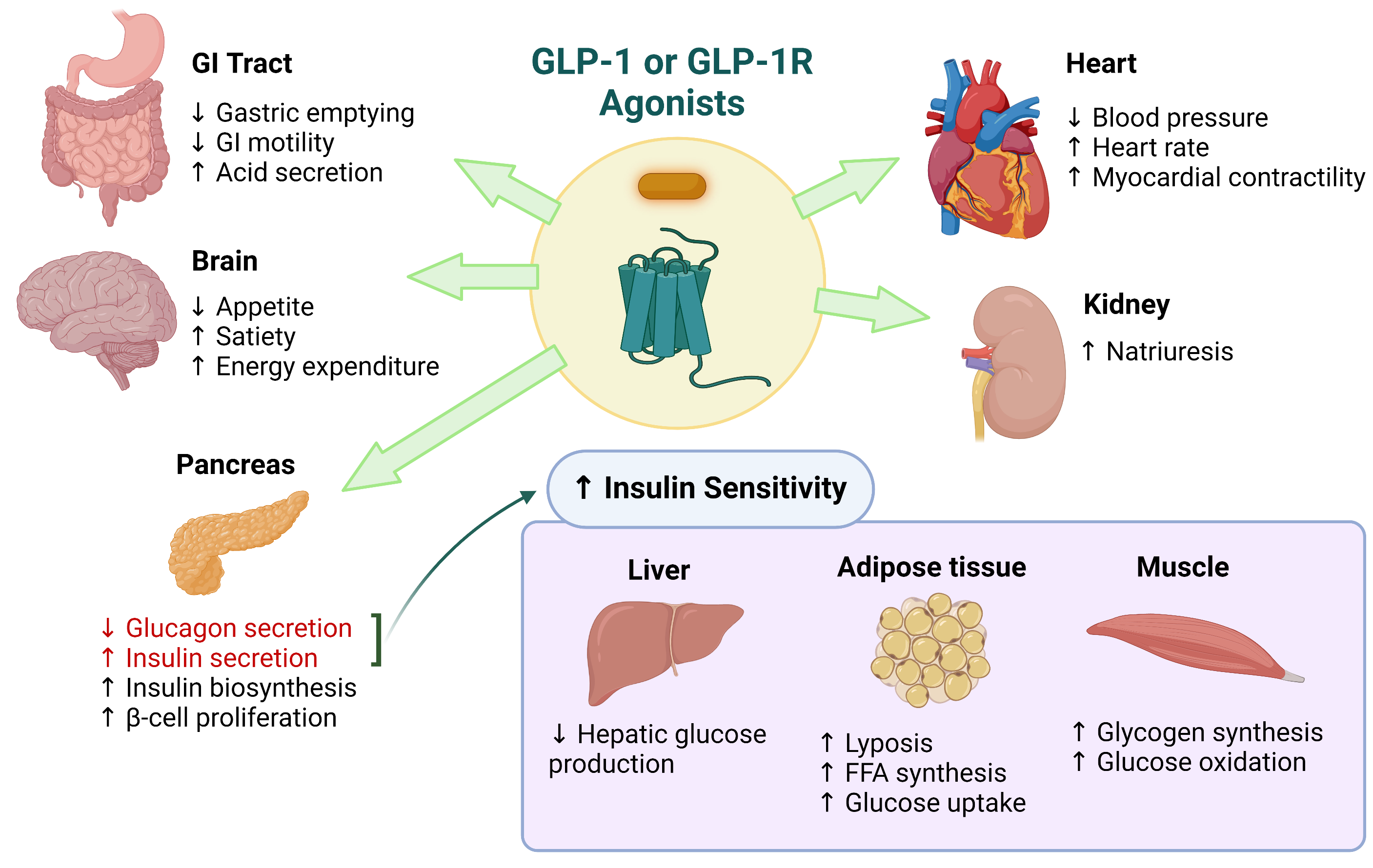
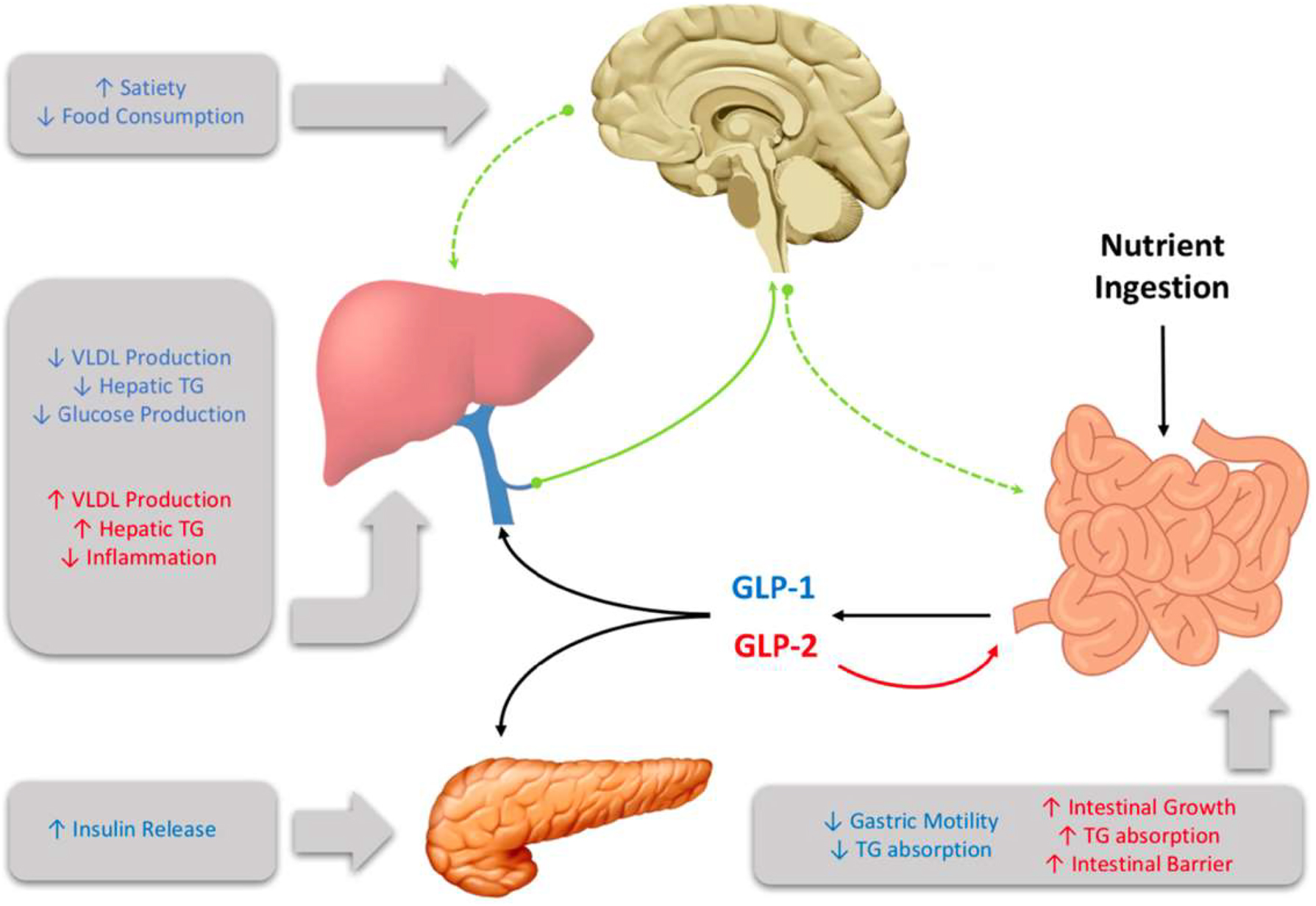
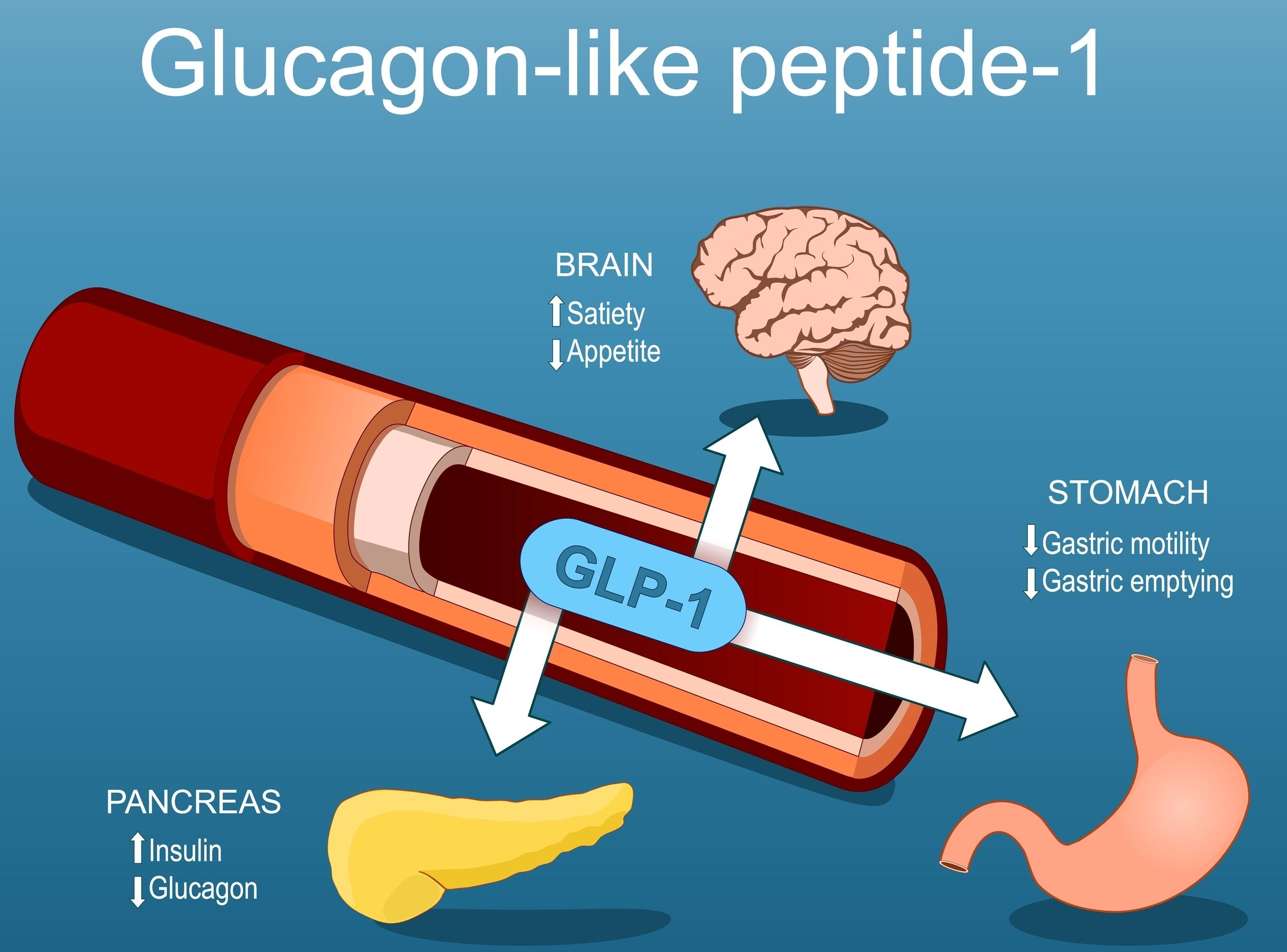
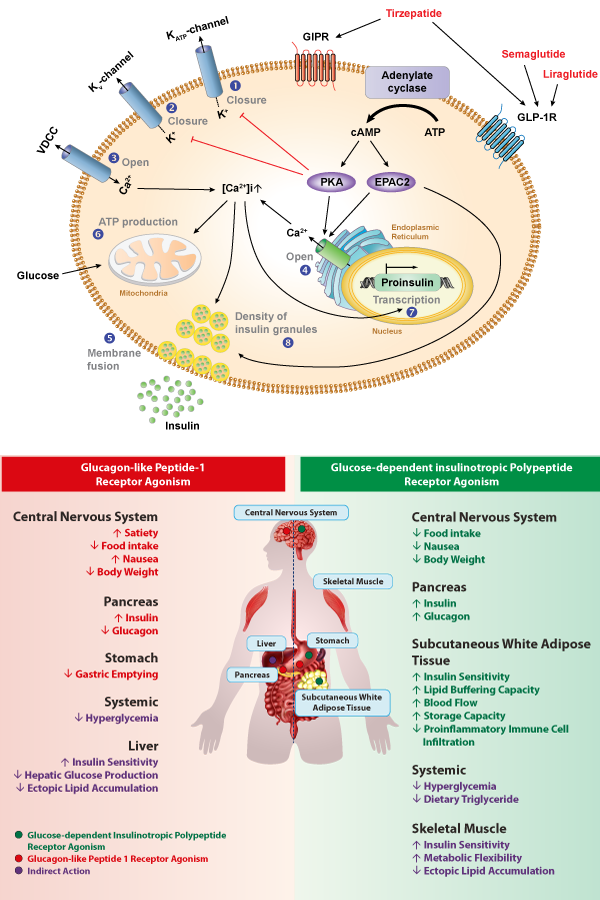
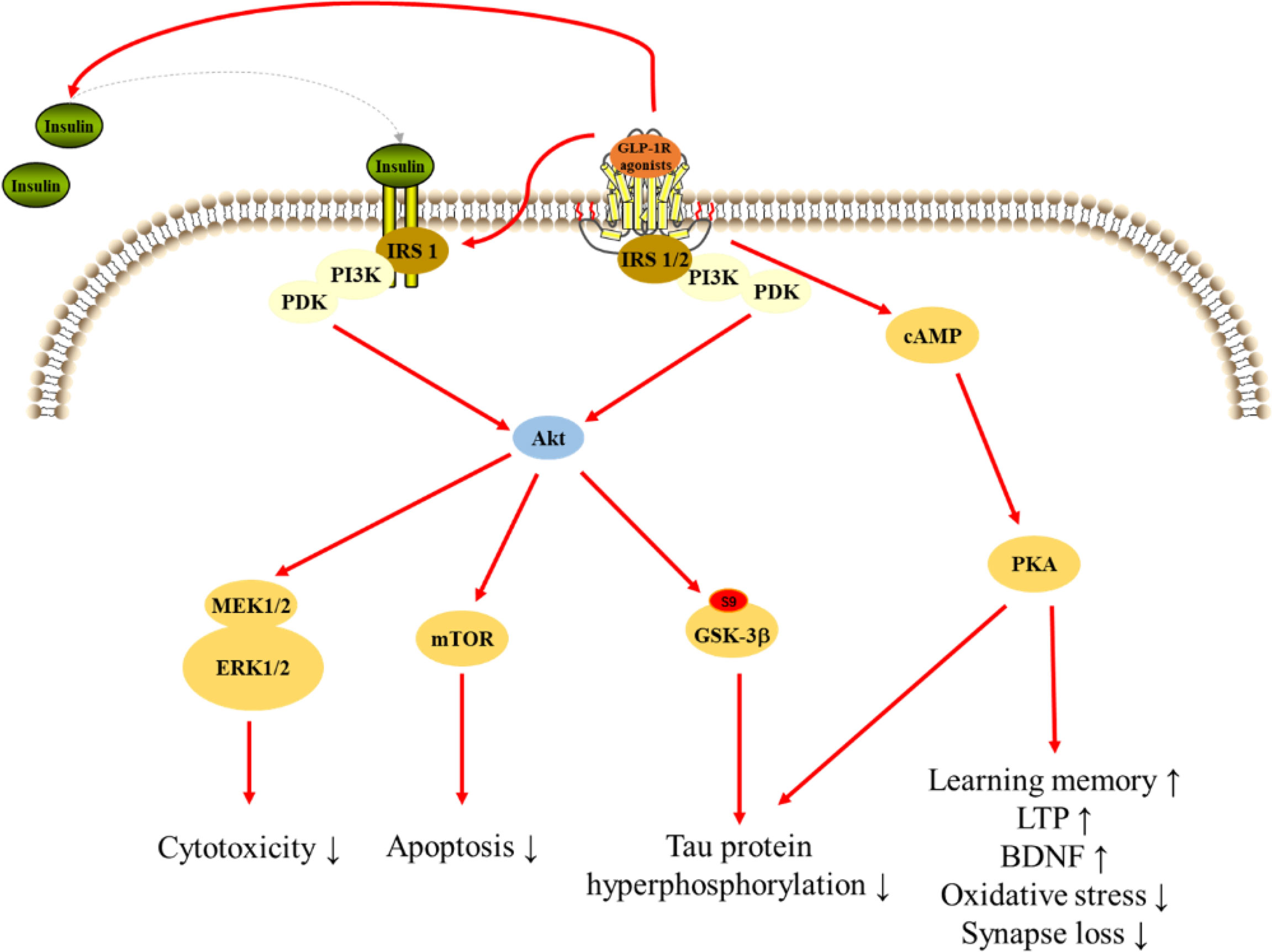
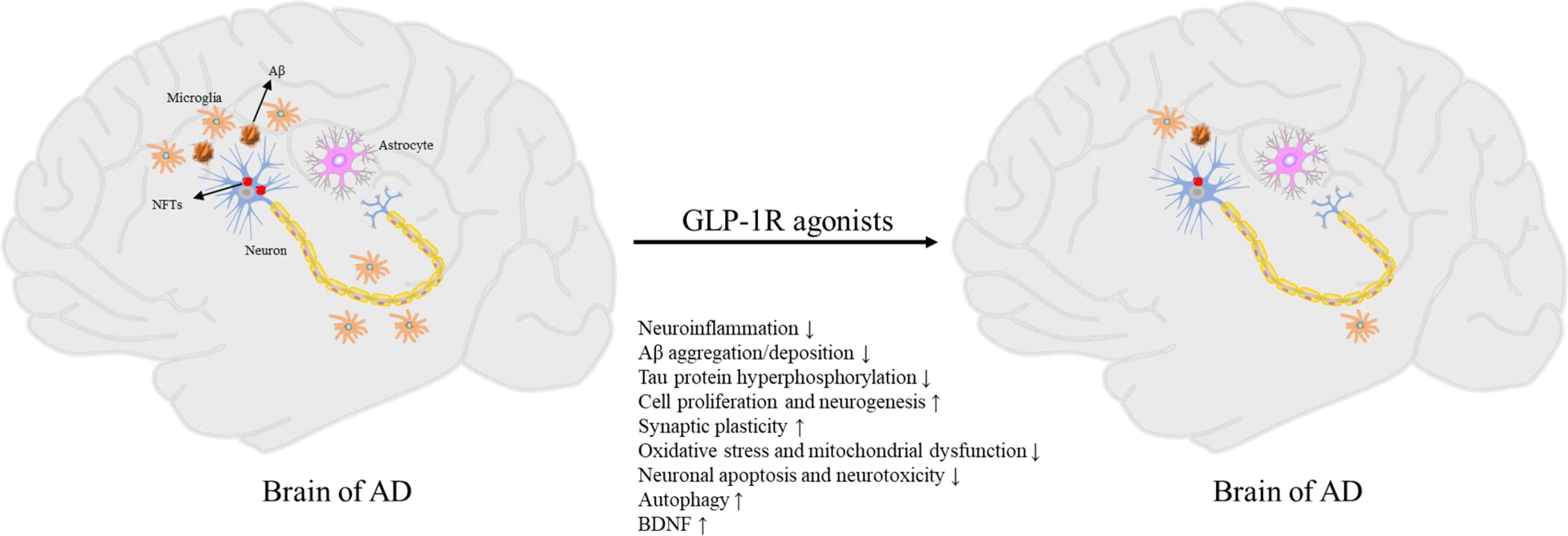
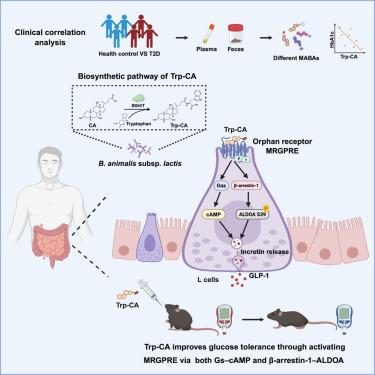
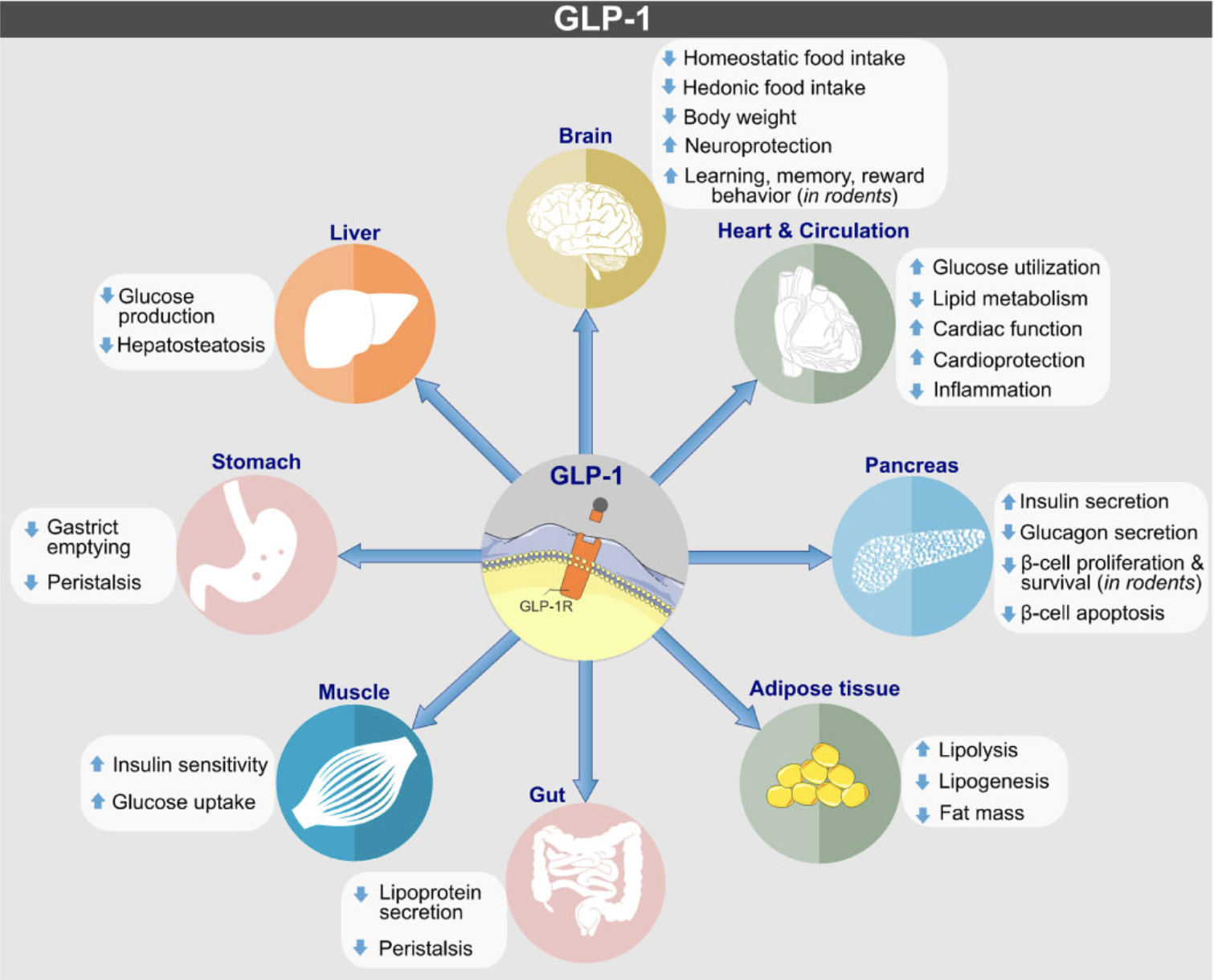
GLP-1 is an enteroendocrine hormone produced by intestinal epithelial cells (IEECs), also known as L cells, in response to nutrient intake. It plays a key role in regulating appetite, satiety, glucose homeostasis, and insulin secretion. GLP-1 acts through its receptor, GLP-1R, which is expressed on the surface of various cell types, including T cells.
Regulatory T Cells (Tregs) and Their Importance
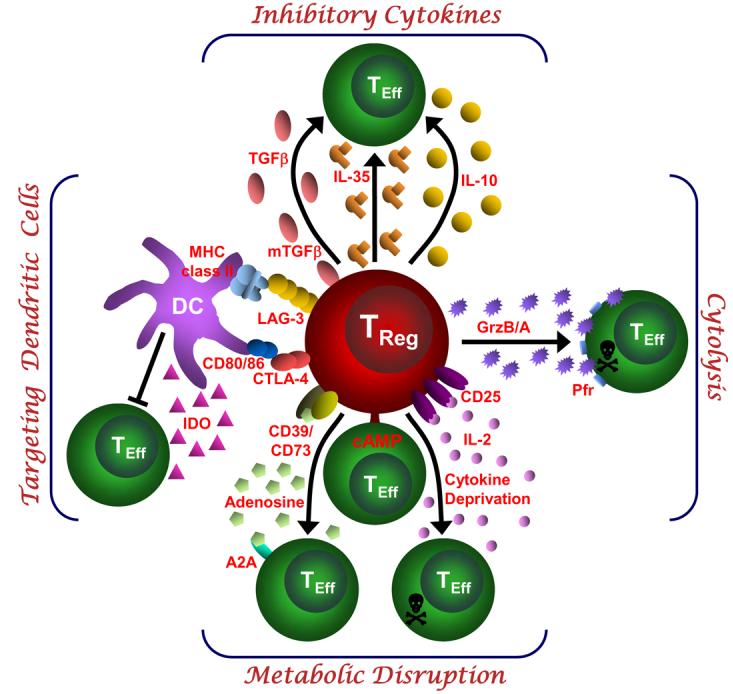
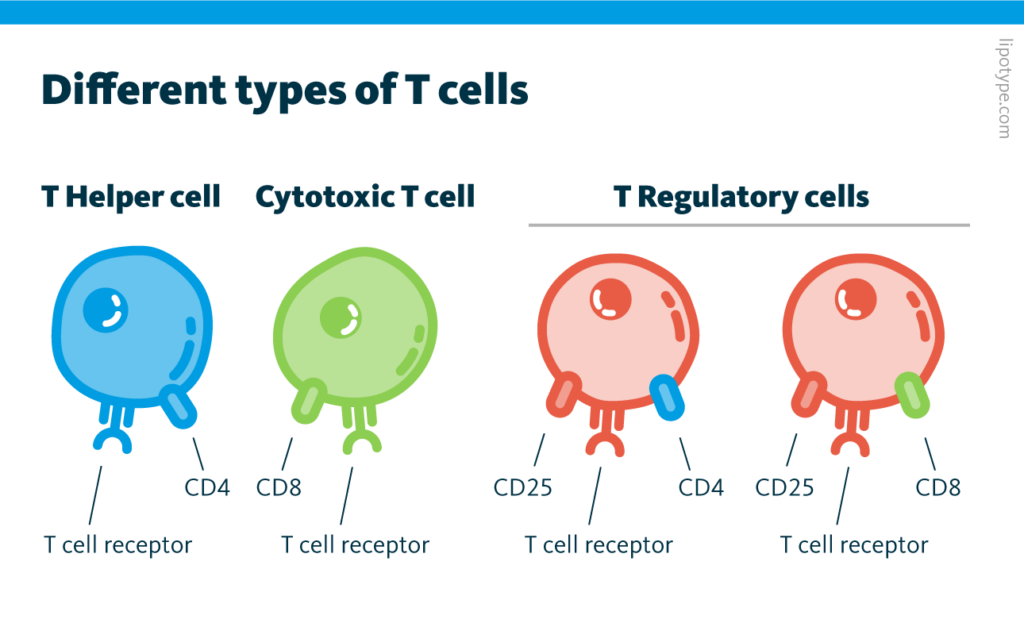
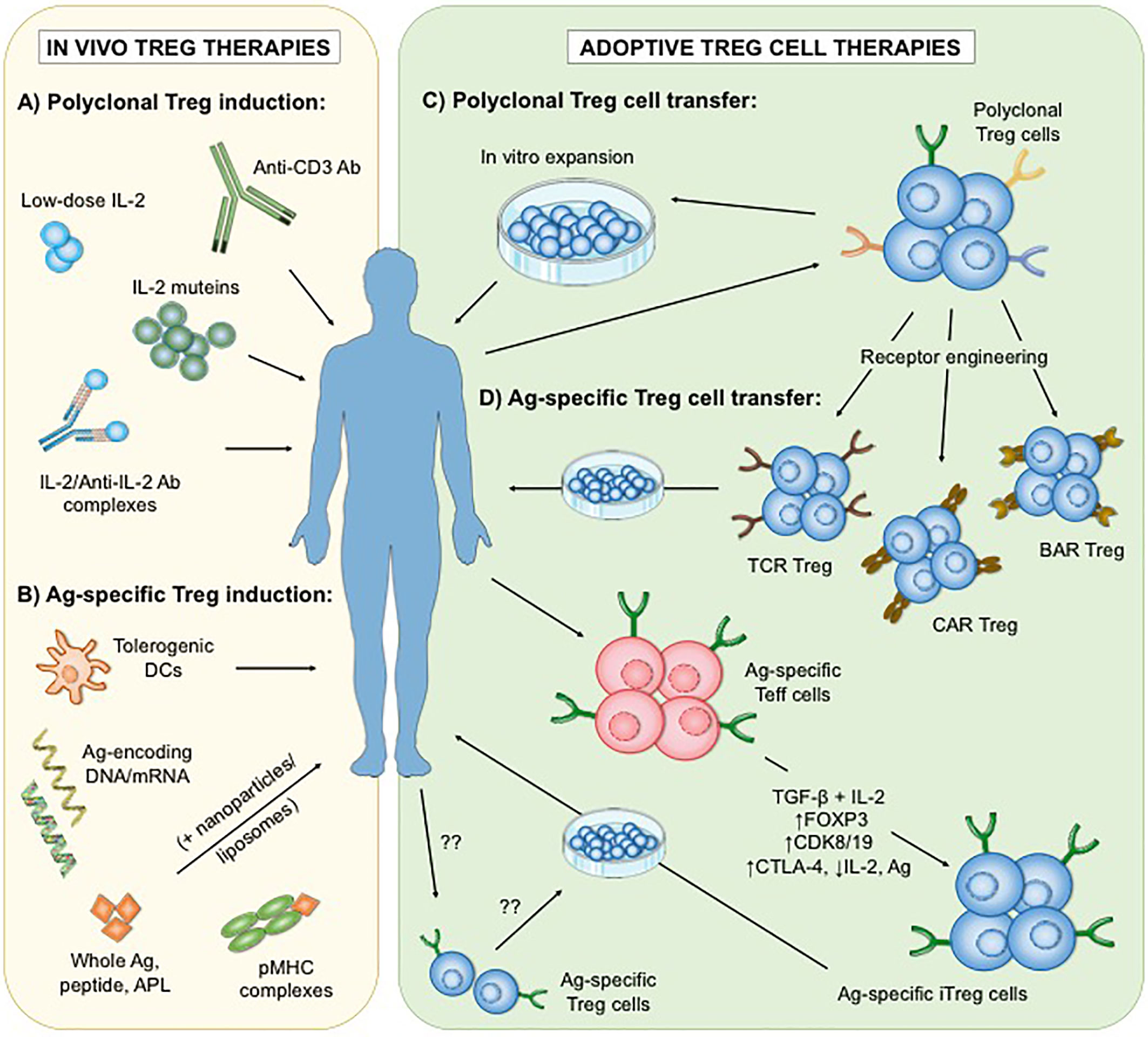
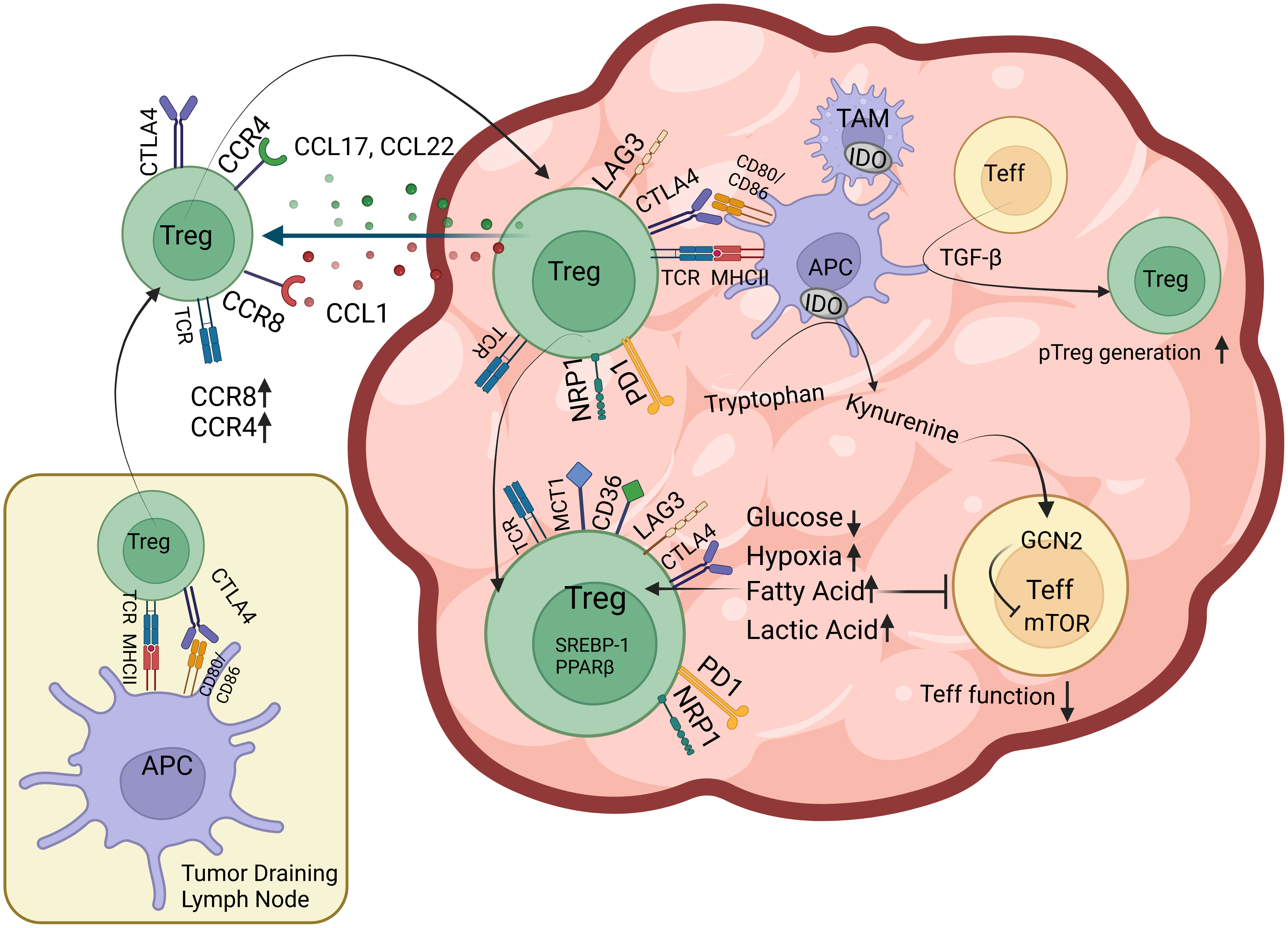
Tregs are a subpopulation of T cells that play a critical role in maintaining immune homeostasis and preventing autoimmune diseases. They do this by controlling the activation and proliferation of effector T cells, which are responsible for immune responses. Tregs have several mechanisms to maintain immune homeostasis, including the ability to suppress the proliferation and activation of effector T cells, produce anti-inflammatory cytokines, and promote the apoptosis of autoreactive T cells.