How Does GLP-1 Help with Obesity?
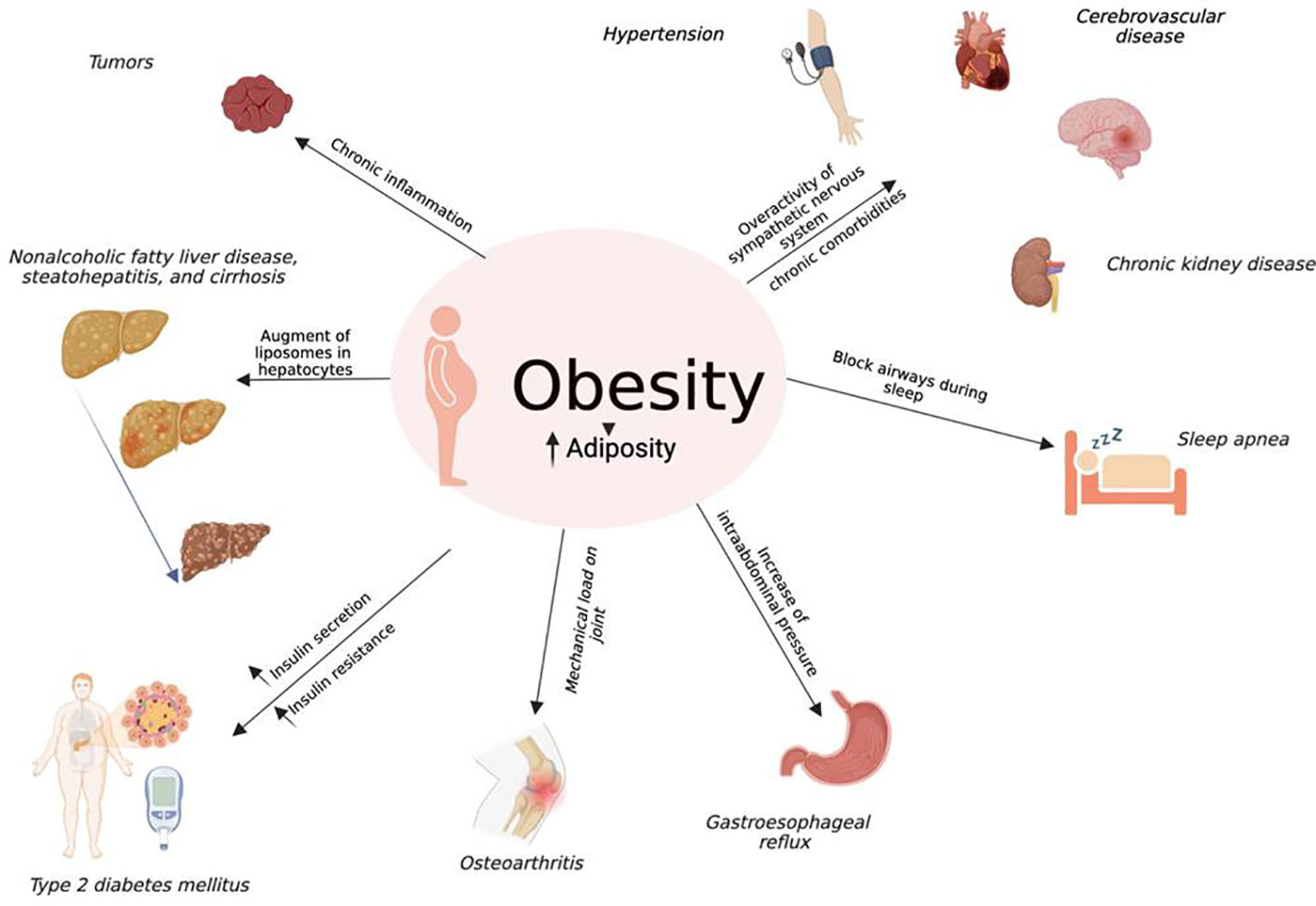
Obesity is a chronic disease that affects millions of people worldwide, increasing the risk of developing type 2 diabetes, hypertension, and other comorbidities. As the prevalence of obesity continues to rise, it is essential to explore effective treatment options. GLP-1 (glucagon-like peptide-1) agonists, originally developed for managing type 2 diabetes, have emerged as a promising class of medications for treating obesity. In this article, we will delve into the mechanisms by which GLP-1 helps with obesity and explore the benefits and challenges associated with these medications.
What are GLP-1 Agonists?
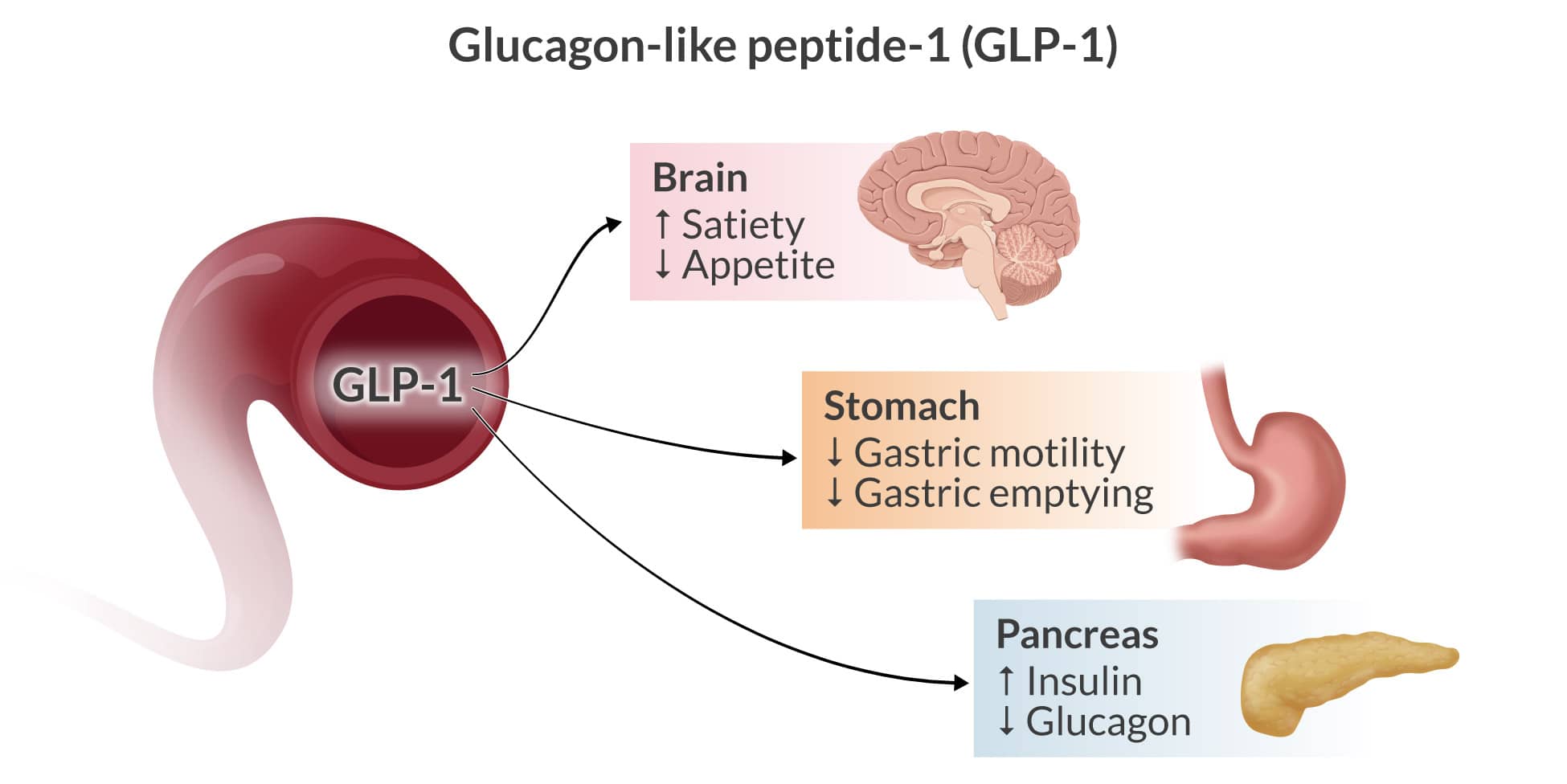
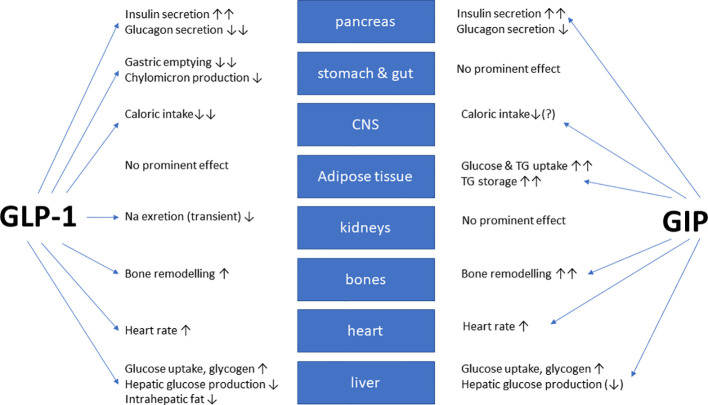
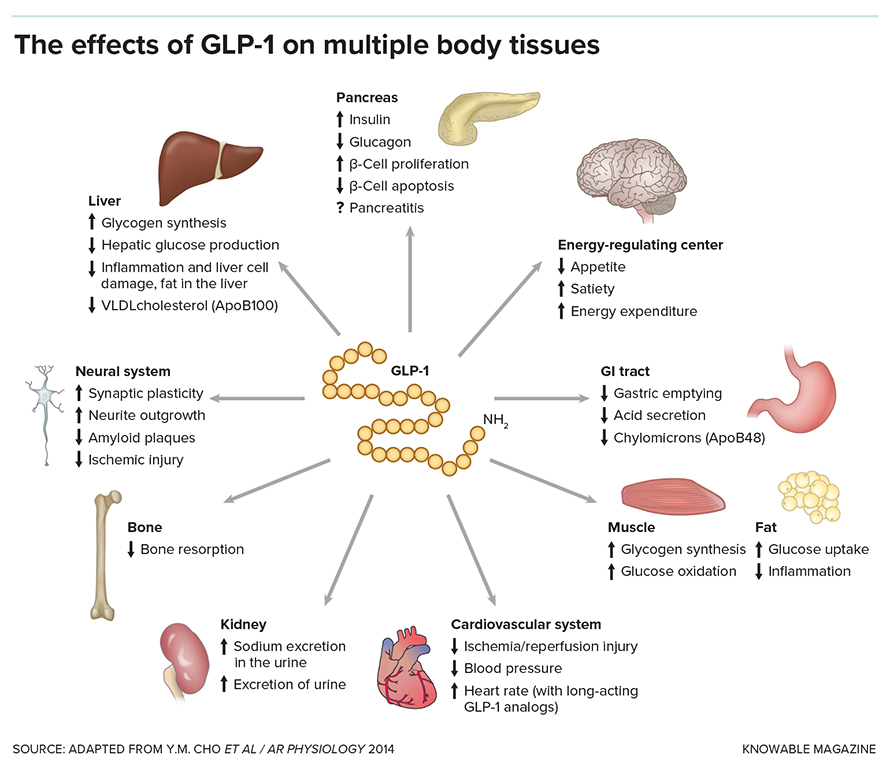
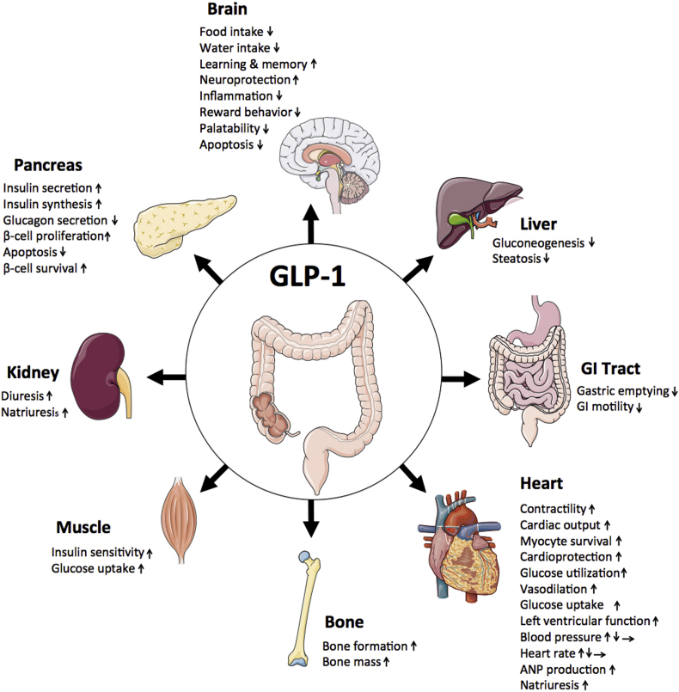
GLP-1 agonists are a class of medications that mimic the natural GLP-1 hormone, which plays a crucial role in regulating blood sugar and appetite. These medications work by targeting the GLP-1 receptor, increasing insulin production, decreasing glucagon levels, and slowing gastric emptying. This combination of effects leads to a reduction in blood sugar levels and a decrease in appetite, ultimately resulting in weight loss.

How Does GLP-1 Help with Obesity?
GLP-1 agonists have been shown to be effective in treating obesity by promoting weight loss and improving metabolic health. The mechanism of action involves the following key components:
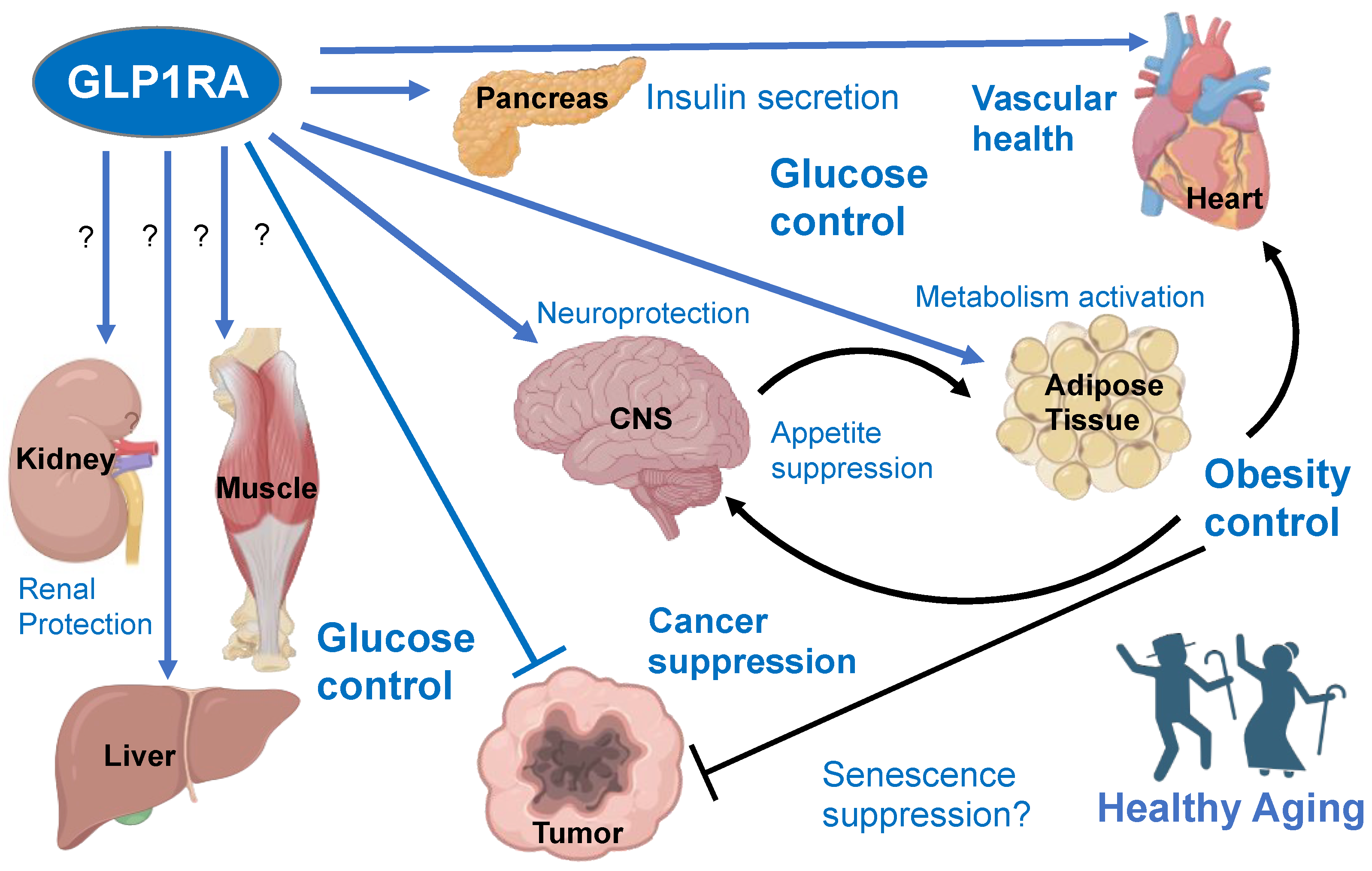
- Appetite Suppression: GLP-1 agonists reduce appetite by decreasing the release of hunger hormones, such as ghrelin, and increasing the release of satiety hormones, such as leptin.
- Increased Insulin Sensitivity: GLP-1 agonists improve insulin sensitivity, allowing the body to use insulin more effectively and reducing the risk of developing type 2 diabetes.
- Slowed Gastric Emptying: GLP-1 agonists delay the emptying of the stomach, leading to a feeling of fullness and reducing the amount of food consumed.
- Improved Metabolic Health: GLP-1 agonists have been shown to improve lipid profiles, reduce blood pressure, and decrease inflammation, all of which are associated with improved metabolic health.