Home Network Arrangement Options: A Comprehensive Guide
As the world becomes increasingly dependent on the internet, having a reliable and efficient home network is crucial for seamless connectivity and productivity. In this article, we'll explore the various home network arrangement options, highlighting their advantages and disadvantages. Whether you're a tech-savvy individual or a beginner, this guide will help you understand the different options available and make an informed decision for your home network setup.Home Network Types
There are primarily three types of home networks: wired, wireless, and powerline networks. Each type has its own set of advantages and disadvantages, which we'll discuss in the following sections.Wired Home Networks
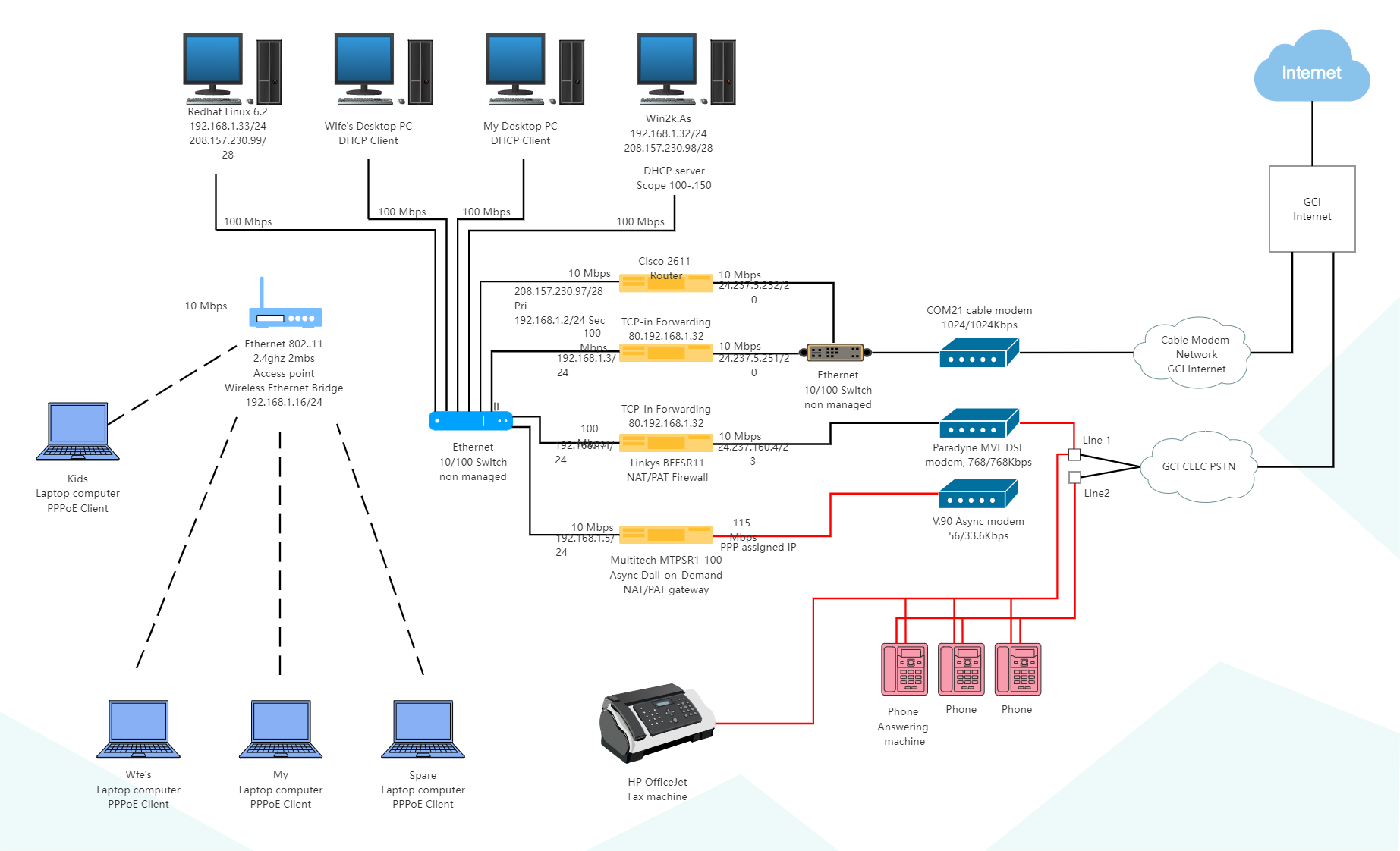
Wired home networks require all devices to be connected via Ethernet cables to your broadband router. This setup is often preferred when the equipment is near the router. The main advantages of wired networks include:- Fast data transfer rates
- Low latency
- Secure connectivity
- Devices need an Ethernet port
- Limited mobility
- Difficulties in extending the network to different rooms
Wireless Home Networks
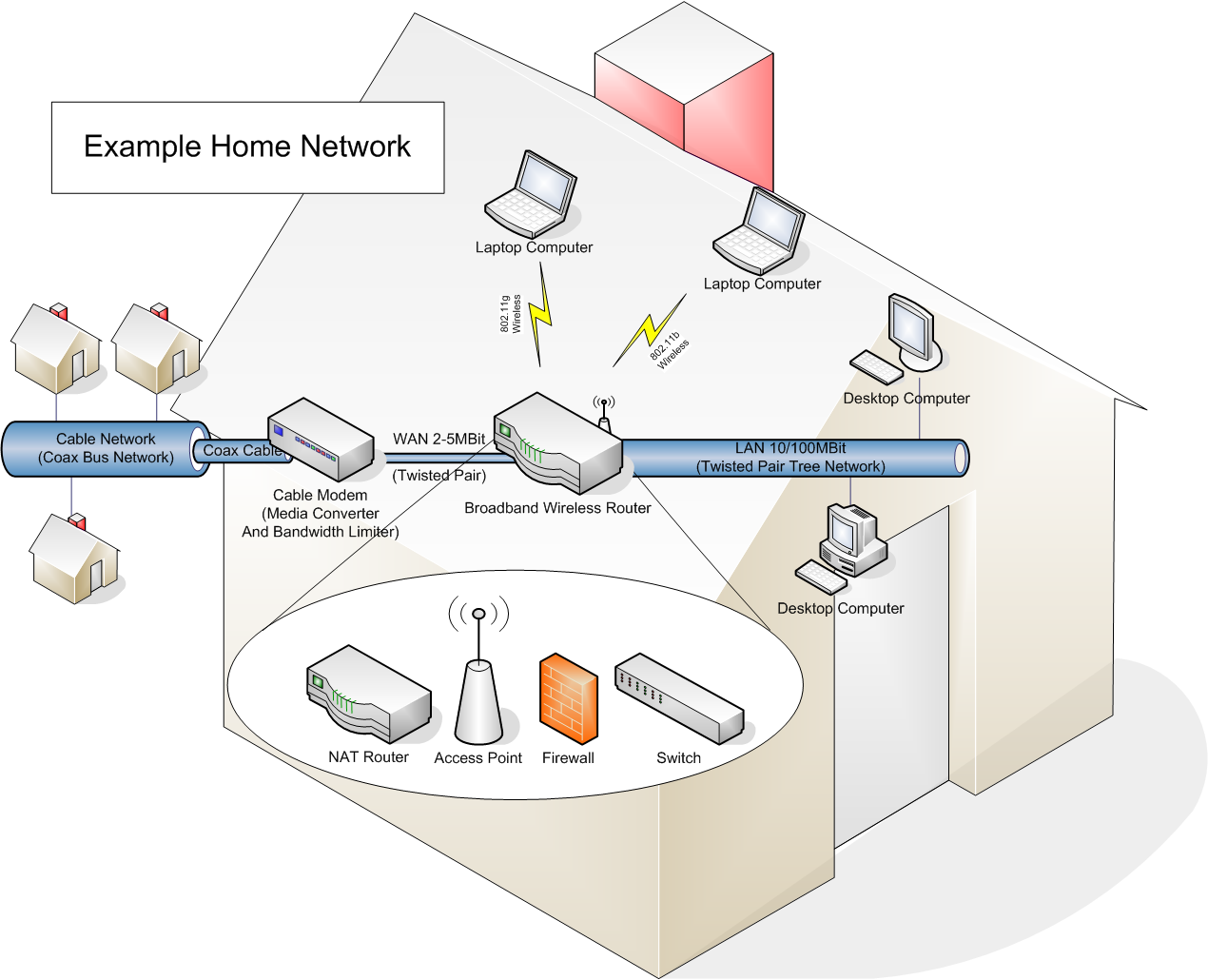
Wireless home networks use radio waves to connect devices to the router. The advantages of wireless networks include:- Mobility: devices can move freely within the network
- Easy to extend: wireless networks can be easily expanded to different rooms
- Convenience






![Setting Up a Home Network for Beginners [Huge Guide]](https://smarthomehubhq.com/assets/images/abstract-bg.png "Setting Up a Home Network for Beginners [Huge Guide]")