Wireless Network Disaster Recovery: Ensuring Continuity During Critical Events
Telecommunications and wireless networks play a vital role in disaster response and recovery efforts. When crises strike, these networks provide essential communication channels for coordination, information dissemination, and situational awareness. In this article, we'll delve into the importance of wireless network disaster recovery planning and strategies for minimizing downtime.
The Role of Wireless Networks in Disaster Response
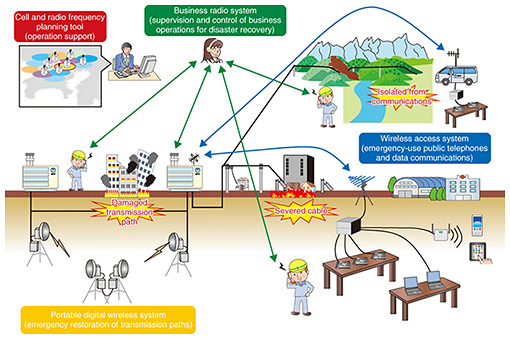
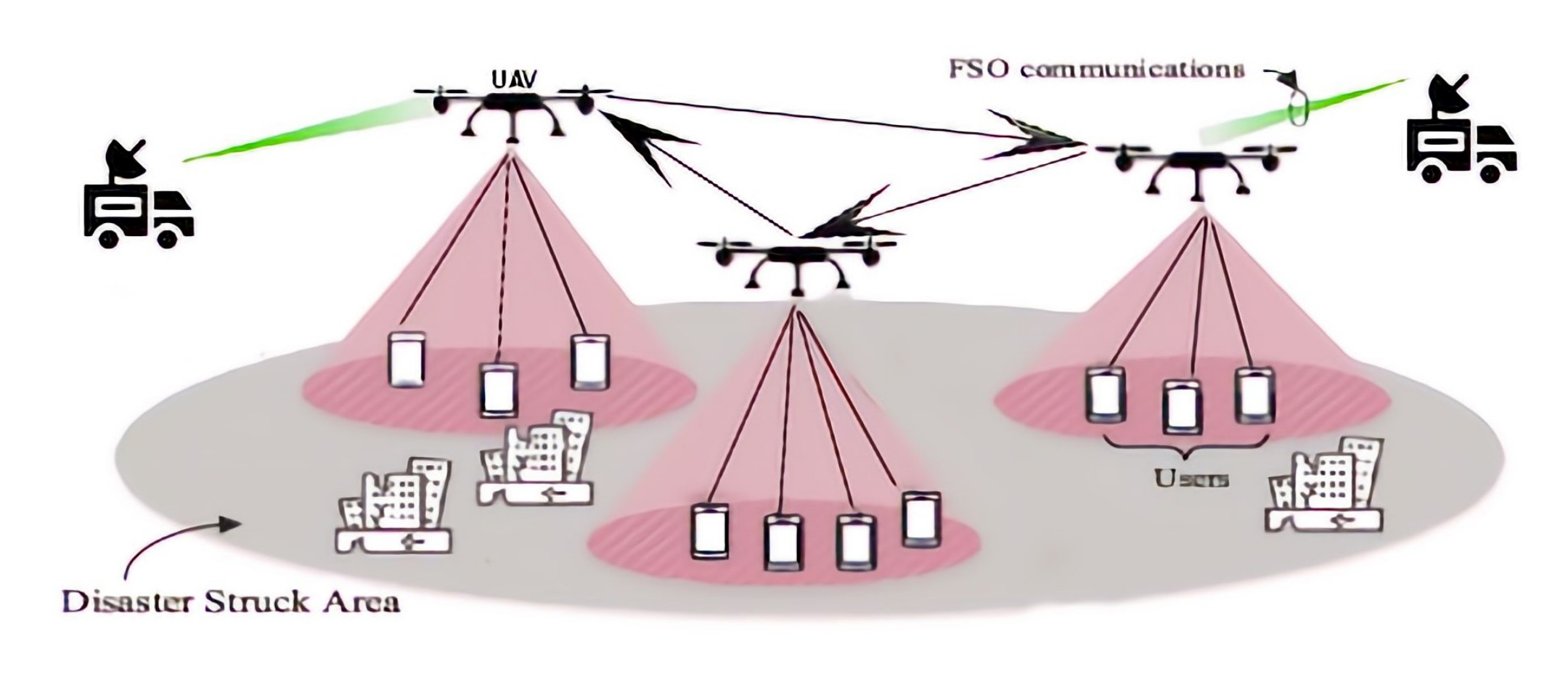
Wireless networks are a critical component of disaster response and recovery efforts. They enable first responders, emergency management agencies, and disaster recovery organizations to communicate effectively, share critical information, and coordinate relief efforts. In the aftermath of a disaster, wireless networks help restore connectivity, power, and essential services, supporting the recovery of affected communities.
Wireless Network Disaster Recovery Planning: An Engineer's Perspective

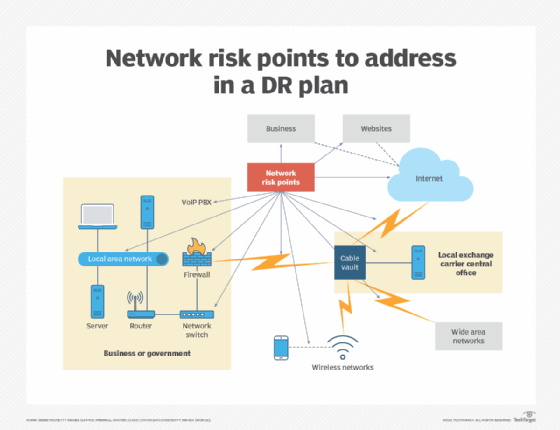
Wireless network engineers play a crucial role in developing and implementing disaster recovery plans. These plans focus on maintaining and restoring network operations after a disruption, including strategies for recovering data communication links, network equipment, and essential network services. By incorporating wireless network disaster recovery planning, organizations can ensure continuity of operations and minimize the impact of disasters.
Best Practices for Enhancing Emergency and Disaster Preparedness and Restoration
- Develop a comprehensive disaster recovery plan that includes strategies for wireless network recovery
- Conduct regular disaster recovery exercises and drills to test network resilience
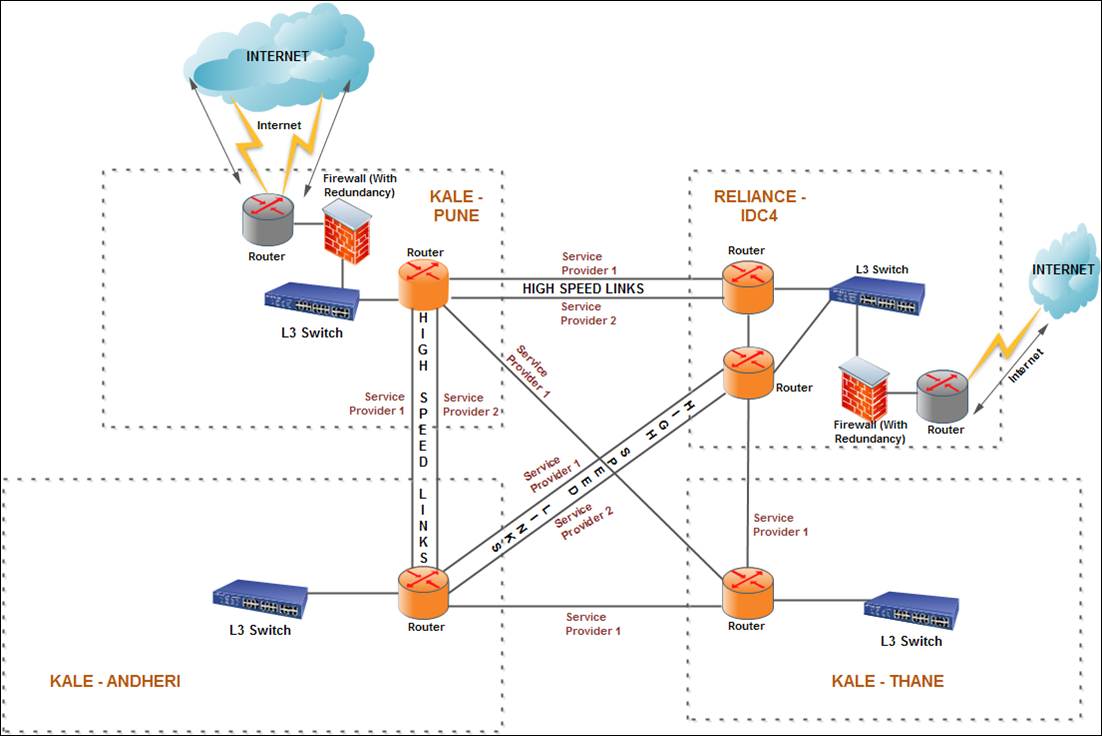
- Implement redundant network operations centers (NOCs) and alternate routing
- Deploy automatic backup systems for network management, monitoring, and transmission
- Regularly review and update disaster recovery plans to reflect changing network configurations and vulnerabilities