Functional Kitchen Cabinet Layouts: A Guide to Maximizing Space and Efficiency
When it comes to designing a functional kitchen, the layout of the cabinets can make all the difference. A well-designed layout can optimize storage solutions, facilitate better workflow, and even impact the overall aesthetic of the space.
The Importance of Functionality in Kitchen Design
A functional kitchen is more than just a beautiful space – it's a space that meets the needs of the homeowner's lifestyle. Whether you're a busy parent, a culinary enthusiast, or a homeowner looking to create a comfortable cooking space, a functional kitchen layout is essential.
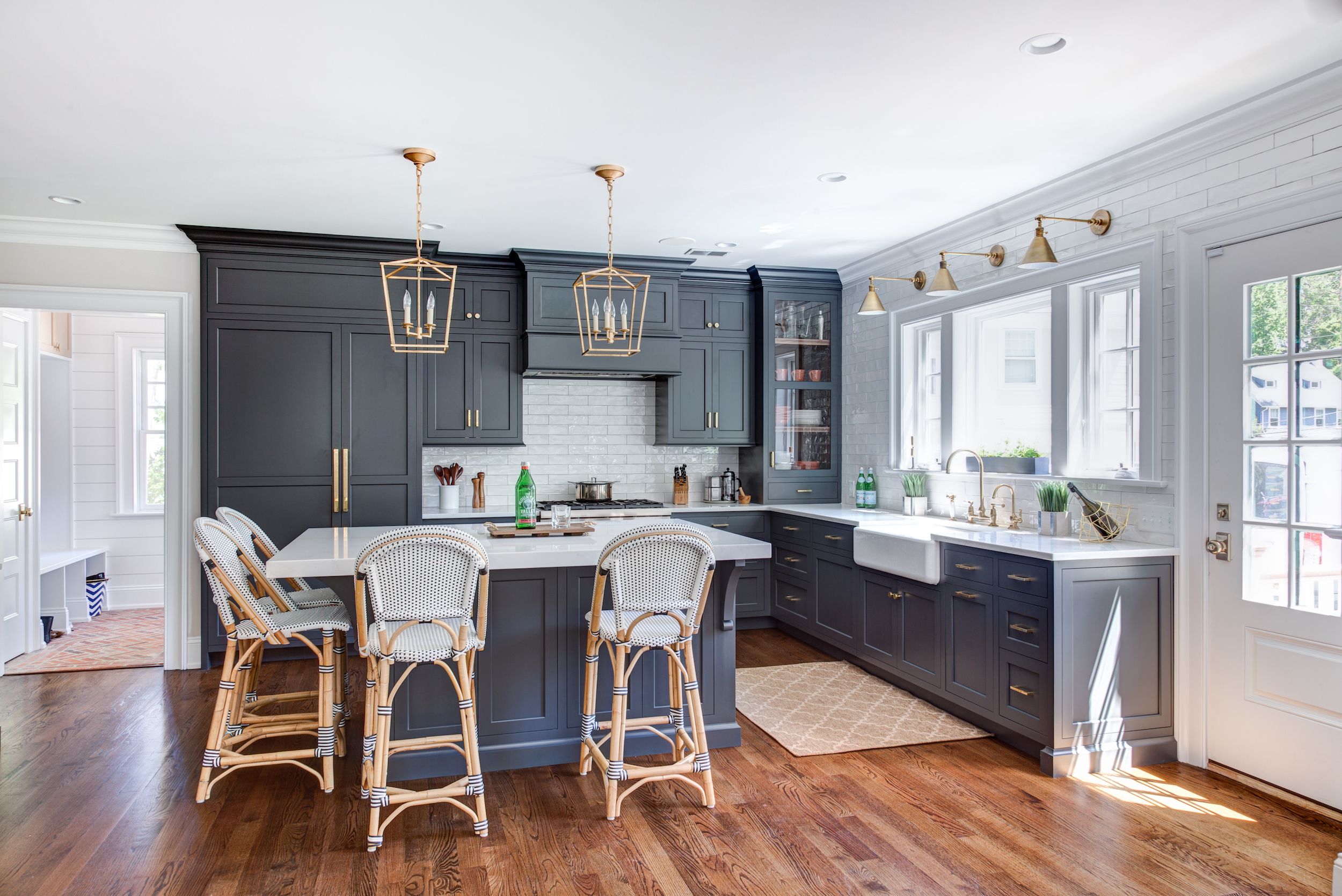
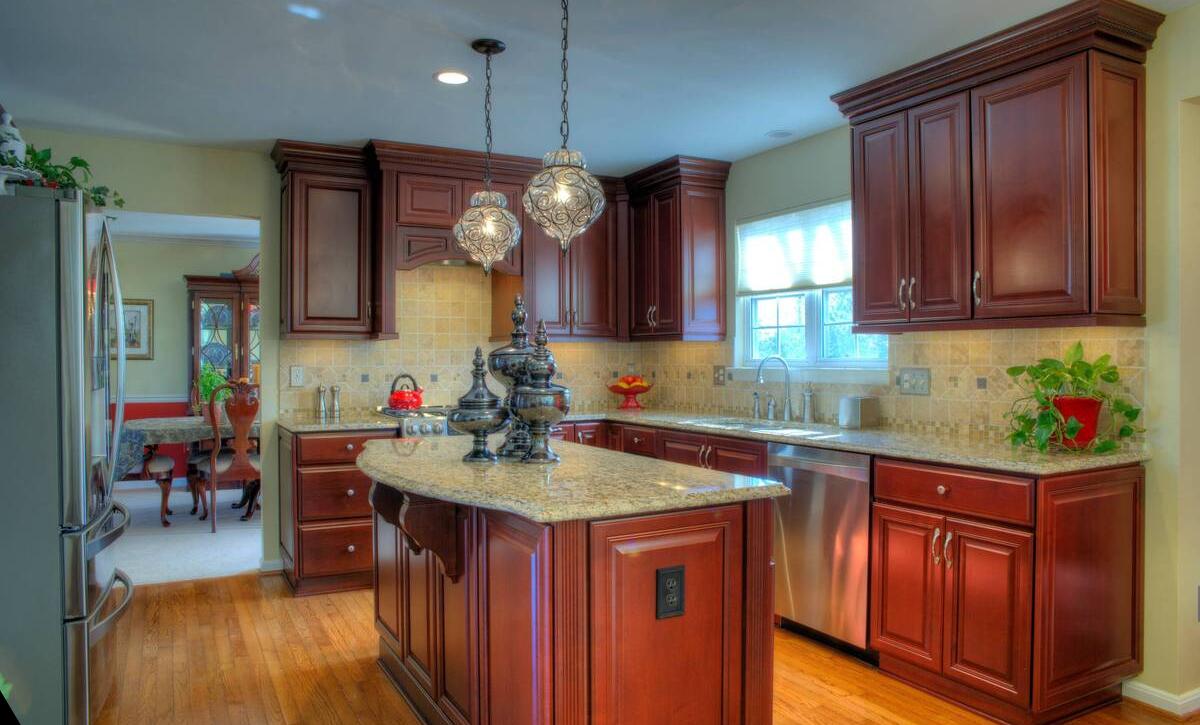
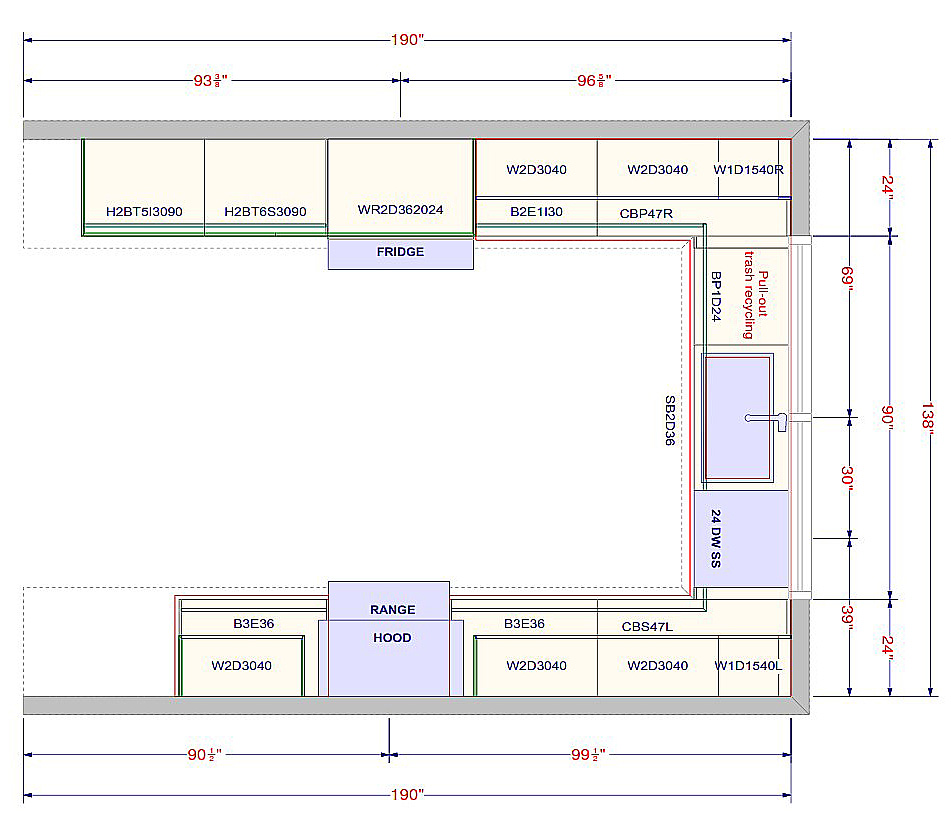
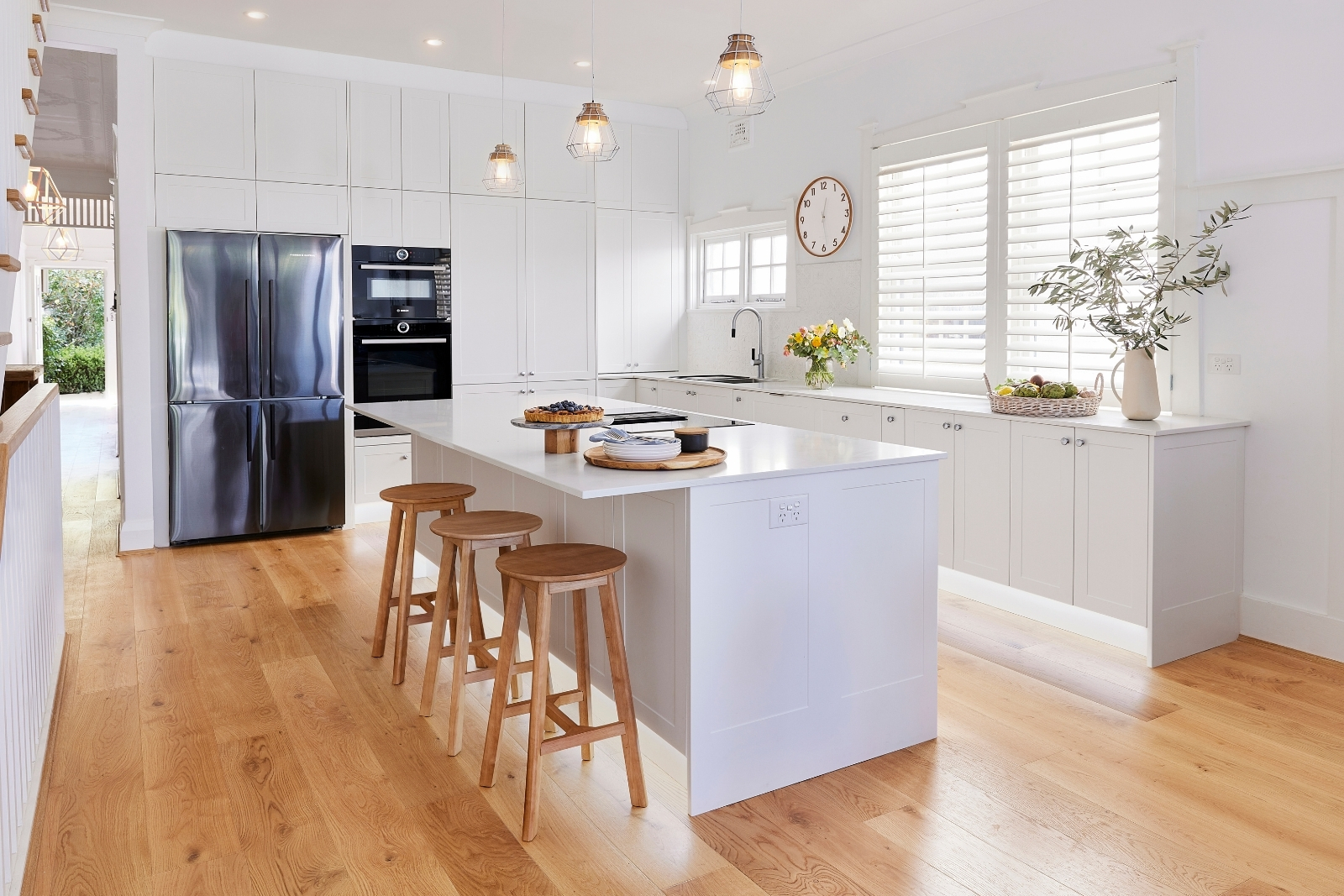
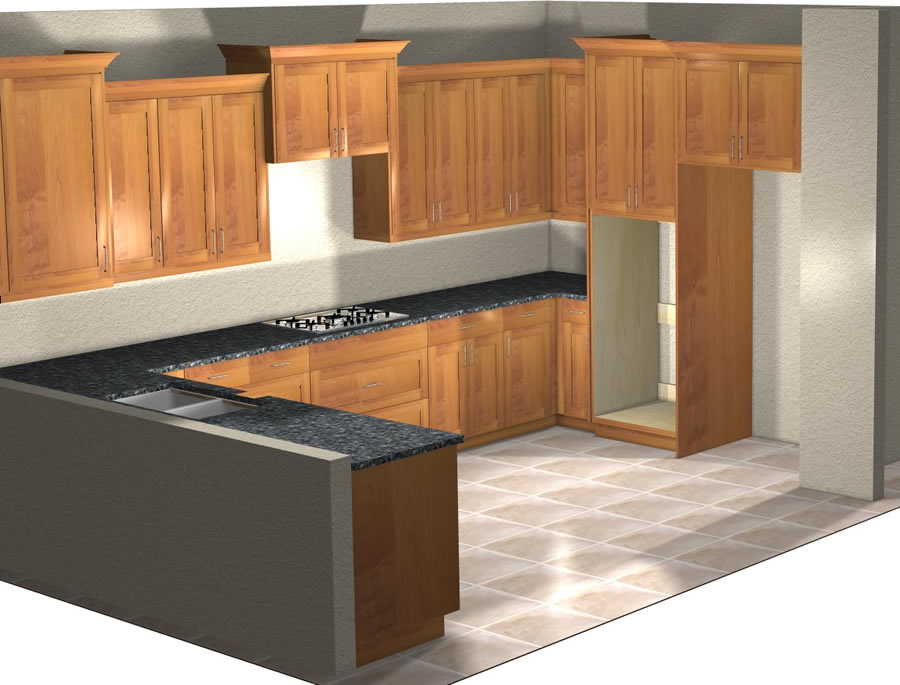
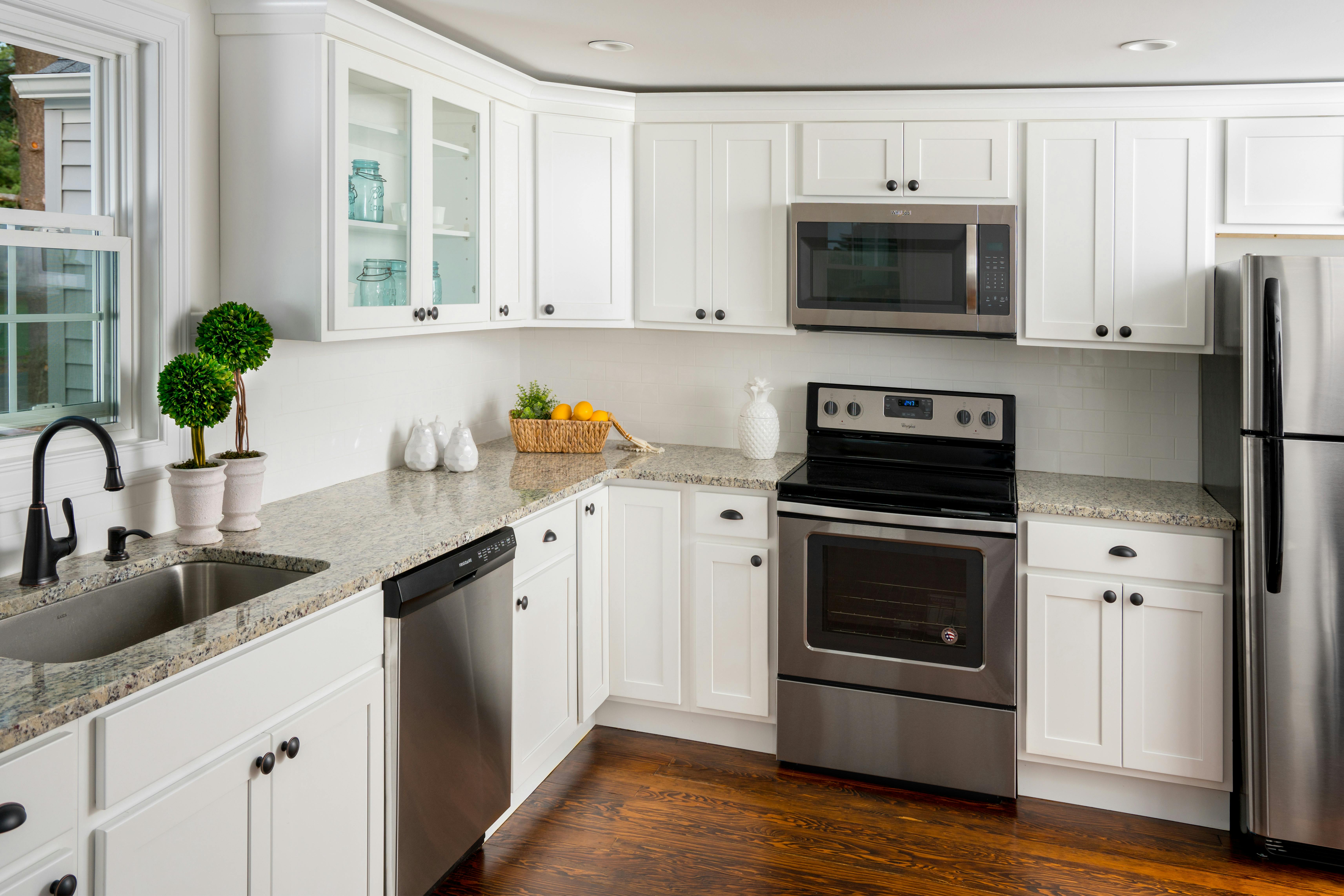
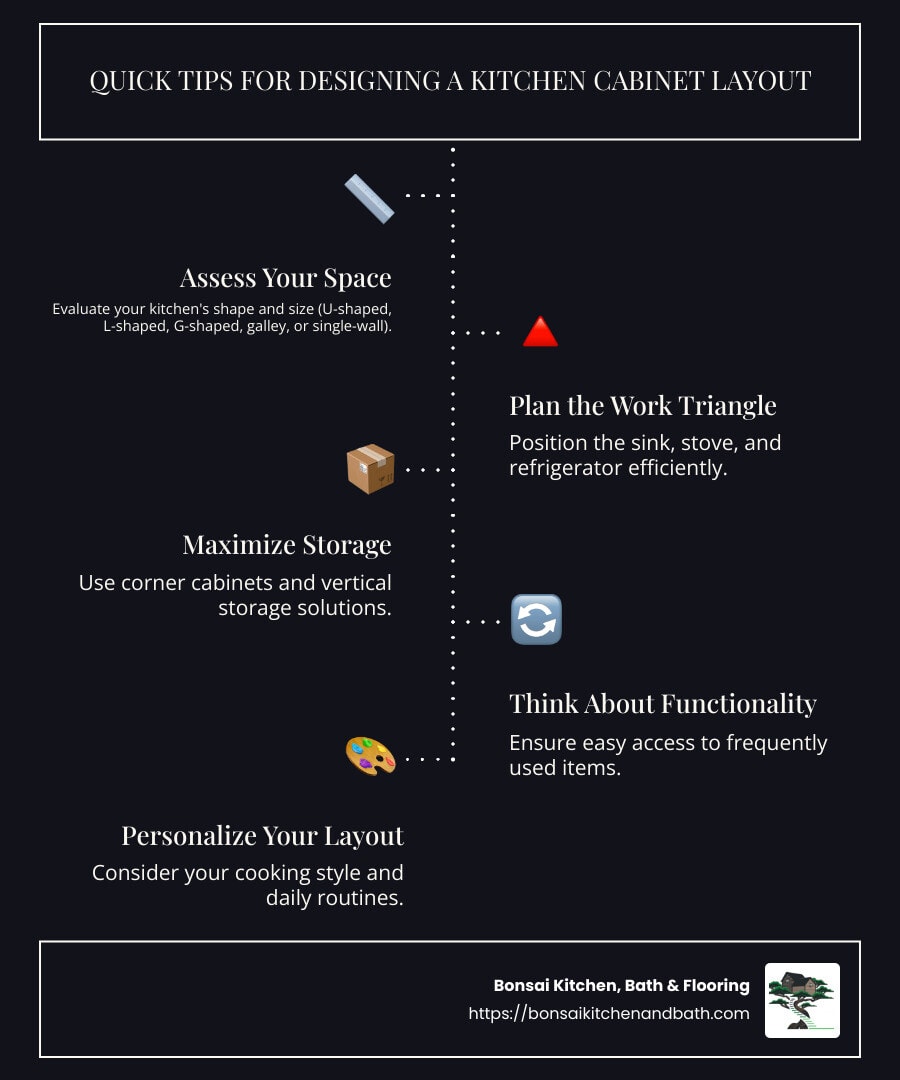
The key to a functional kitchen is a well-designed layout that prioritizes workflow, storage, and accessibility. By incorporating essential elements such as a "work triangle" concept, where the three primary work areas (sink, stove, and refrigerator) are connected in a triangular formation, you can create a kitchen that is efficient and comfortable to use.
Maximizing Vertical Space: A Key to Functional Kitchen Design
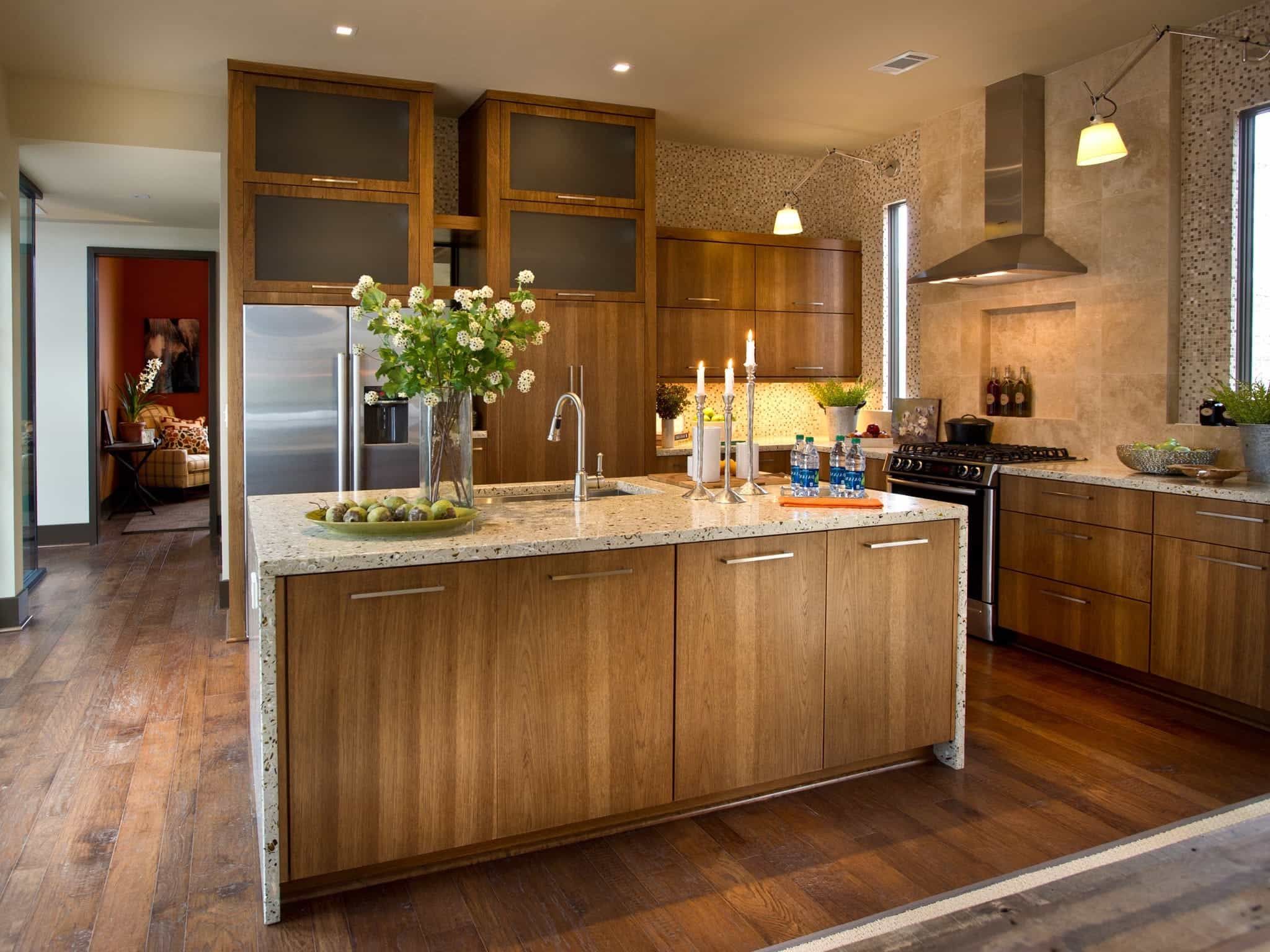
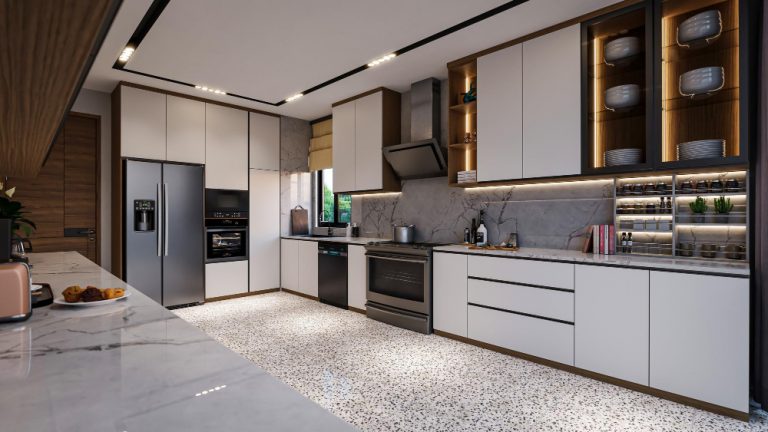
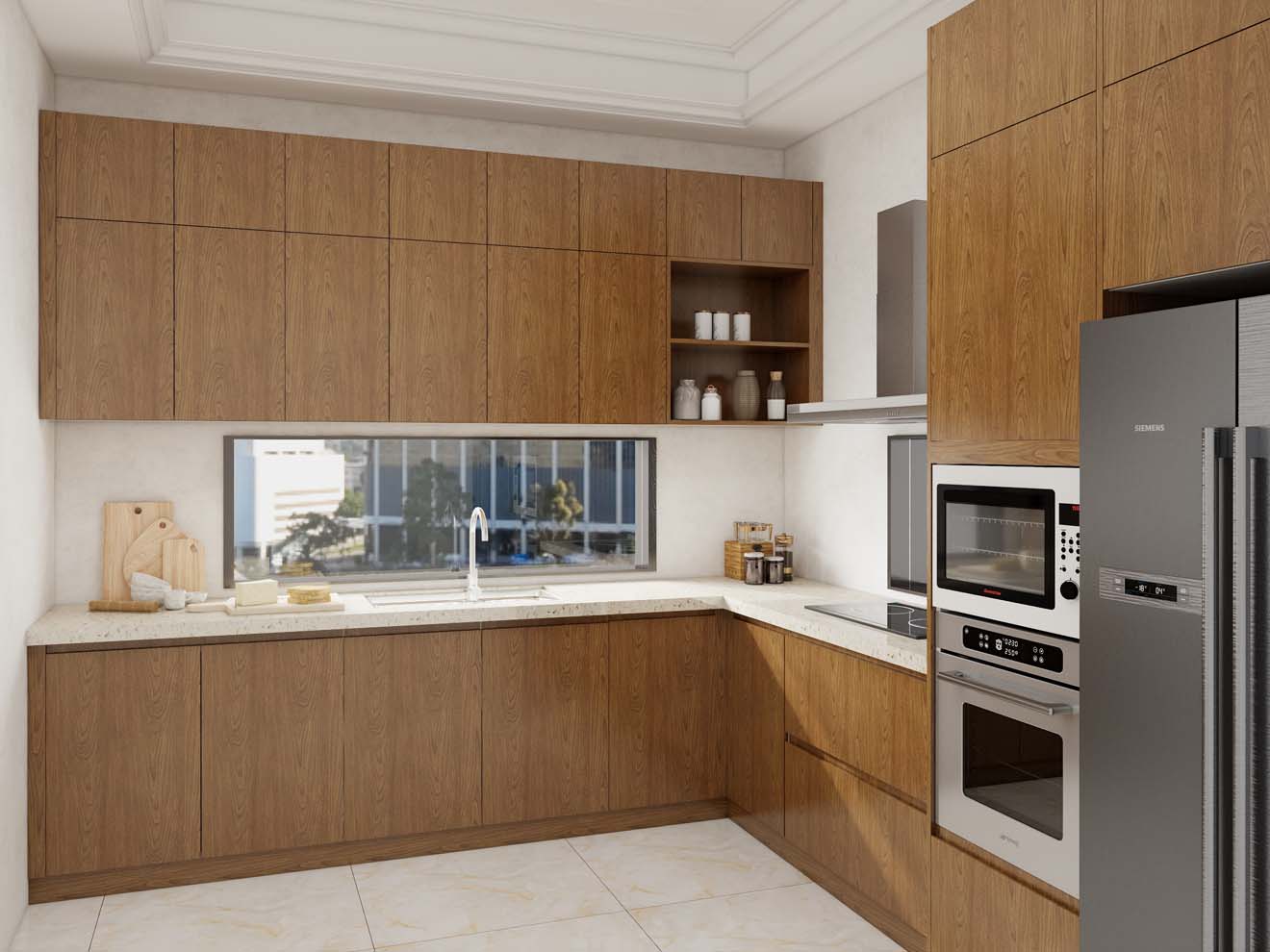
In today's small kitchen design, maximizing vertical space is crucial. By incorporating wall-to-ceiling cabinets, slim pull-outs, and modular corner units, small kitchens can feel functional, modern, and spacious.
- Vertical storage solutions help to keep the floor clear, reducing clutter and making the space feel larger.
- Slim pull-outs and modular corner units optimize storage, allowing you to fit more into a smaller space.
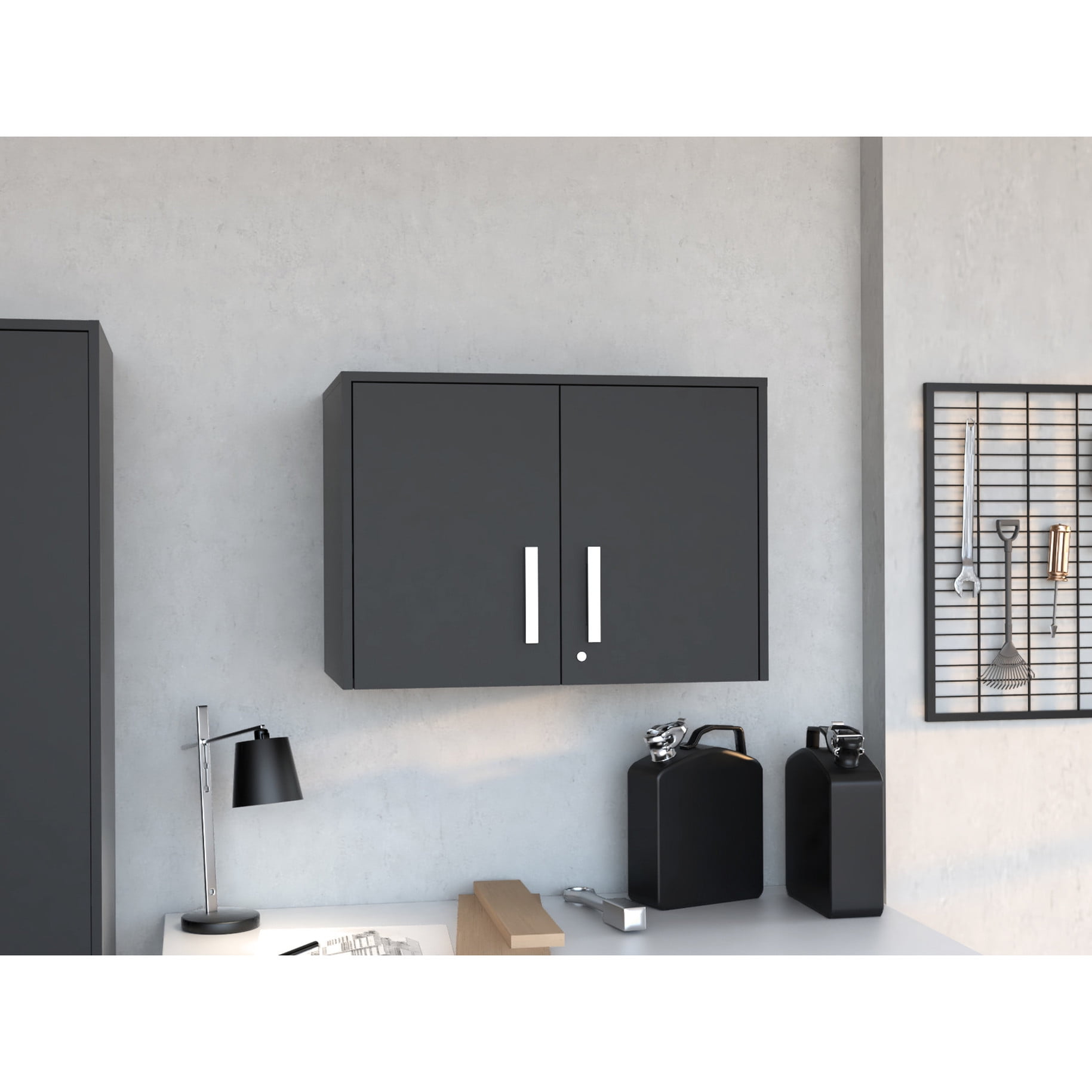
- Wall-to-ceiling cabinets provide additional storage for utensils, cookware, and other kitchen essentials.