Exporting License Requirements for Global Business Success
The landscape of export license requirements in the US continues to evolve, with new regulations and enhanced enforcement mechanisms shaping international trade. Understanding these requirements is crucial for businesses engaging in global commerce, as non-compliance can result in severe penalties and restrictions on future export activities.
Key Agencies Involved in Export Licensing
The United States government maintains a comprehensive system of export controls, regulating the shipment of certain goods, software, and technology to foreign destinations. Key agencies involved in export licensing include:
- Bureau of Industry and Security (BIS)
- U.S. Customs and Border Protection (CBP)
- Department of Commerce
Determining Jurisdiction: ITAR or EAR?
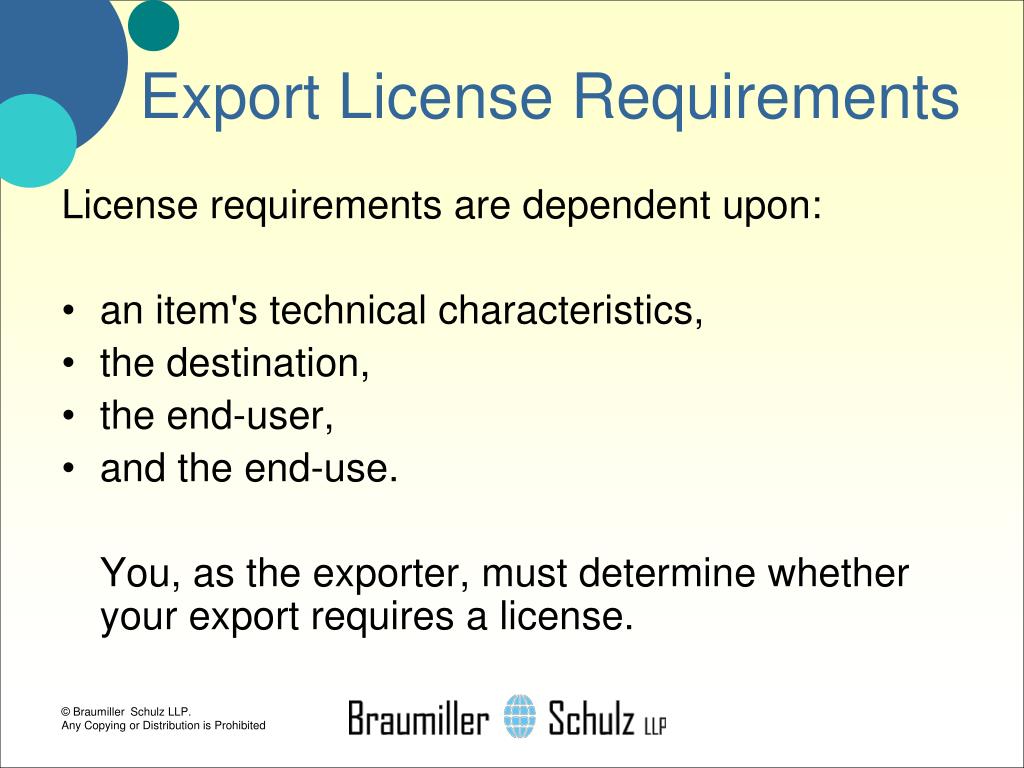
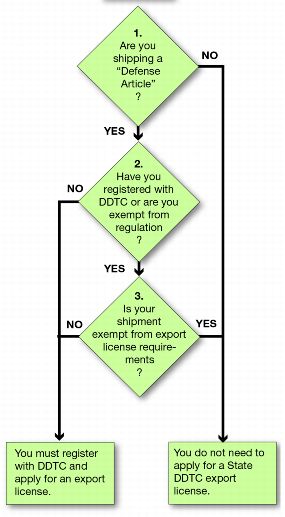
When it comes to export licensing, determining jurisdiction is a crucial step. The International Traffic in Arms Regulations (ITAR) and the Export Administration Regulations (EAR) govern different types of exports. Understanding which regulation applies to your export is essential to ensure compliance.
Complying with ITAR and EAR Requirements
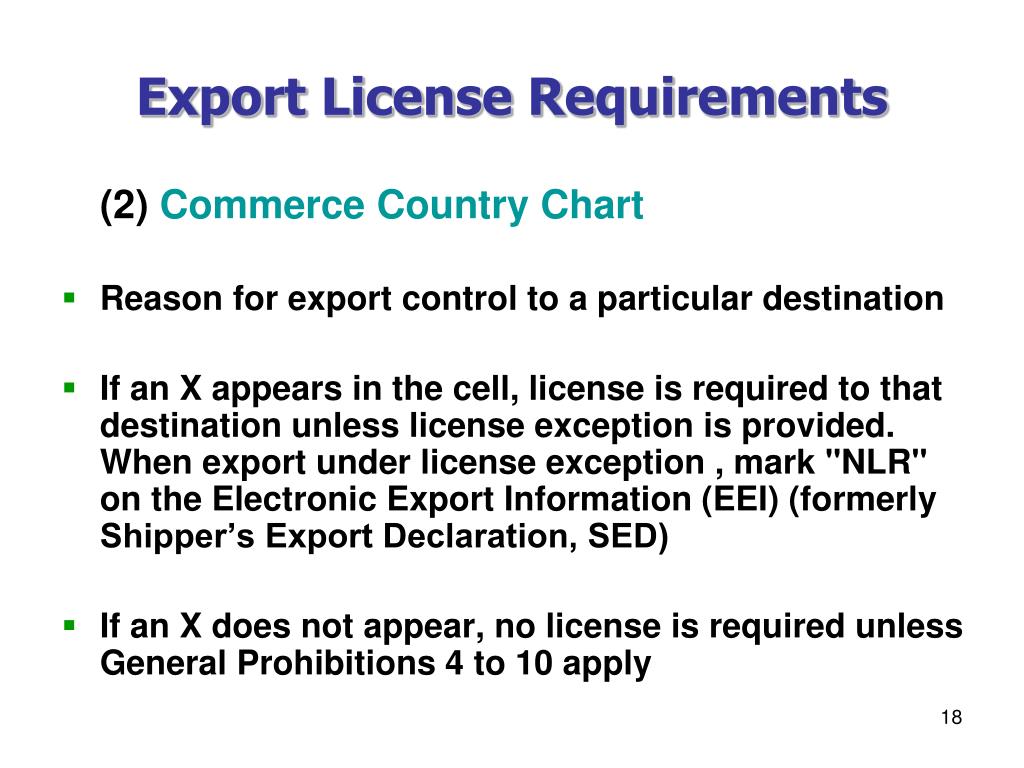
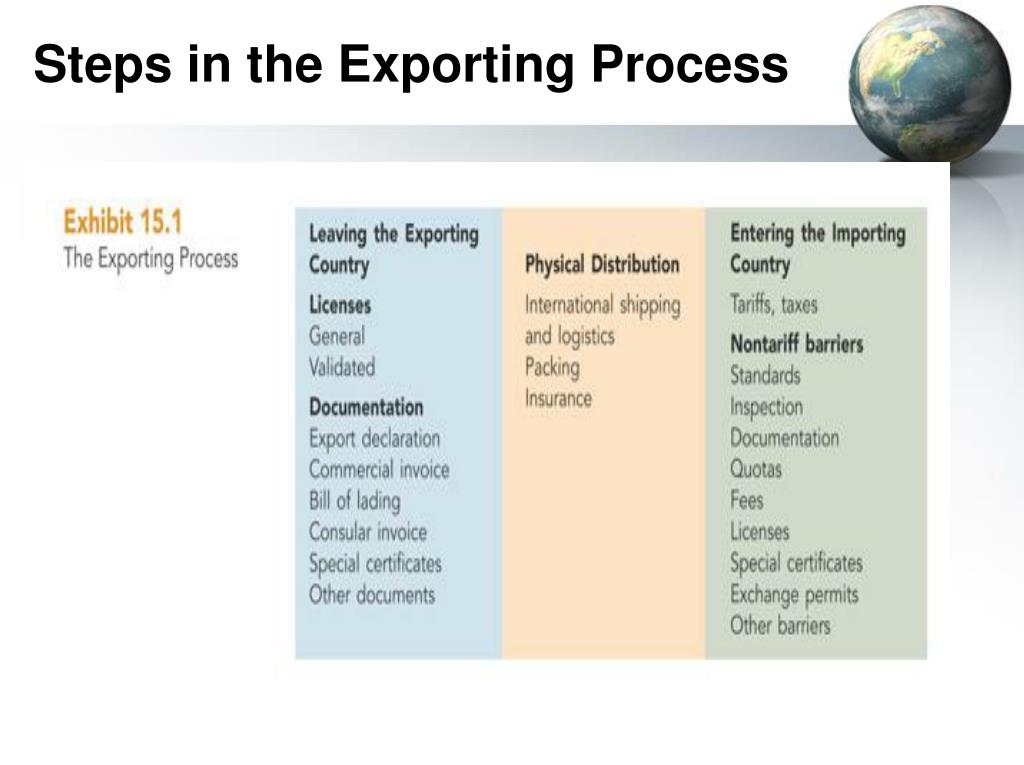
ITAR and EAR regulations require exporters to obtain licenses for specific transactions. Complying with these requirements involves understanding the types of licenses required, the exporters' responsibilities, and the process for applying for licenses.
Types of Export Licenses
Exporters may need to obtain various types of licenses, including: