Export License Needed for Global Trade
Entering the global economy is a powerful growth strategy, but before you start shipping your goods across borders, there's one essential compliance checkpoint every exporter should consider: the export license. Whether you're selling electronics, food products, or industrial machinery, knowing if you need an export license and how to obtain one is crucial for successful global trade.
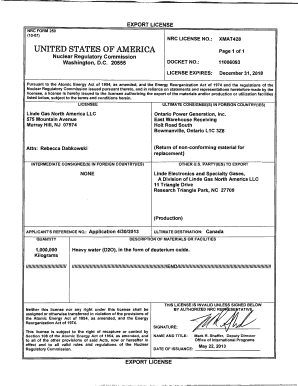
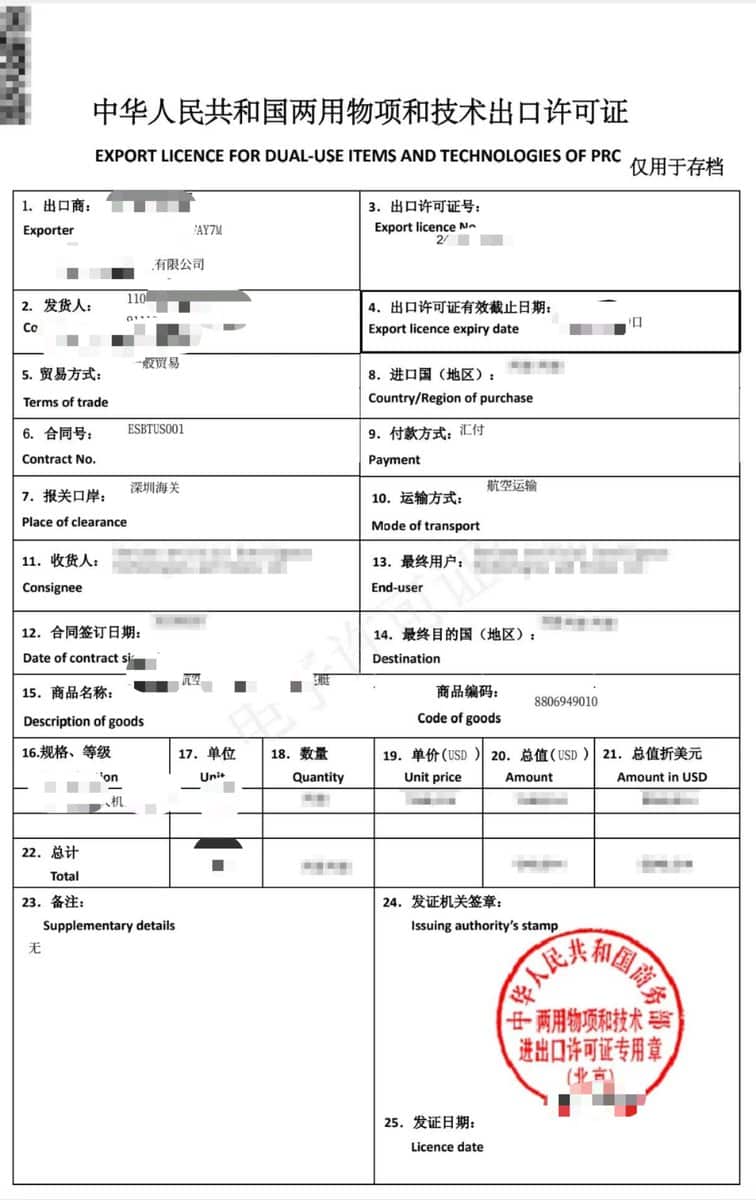
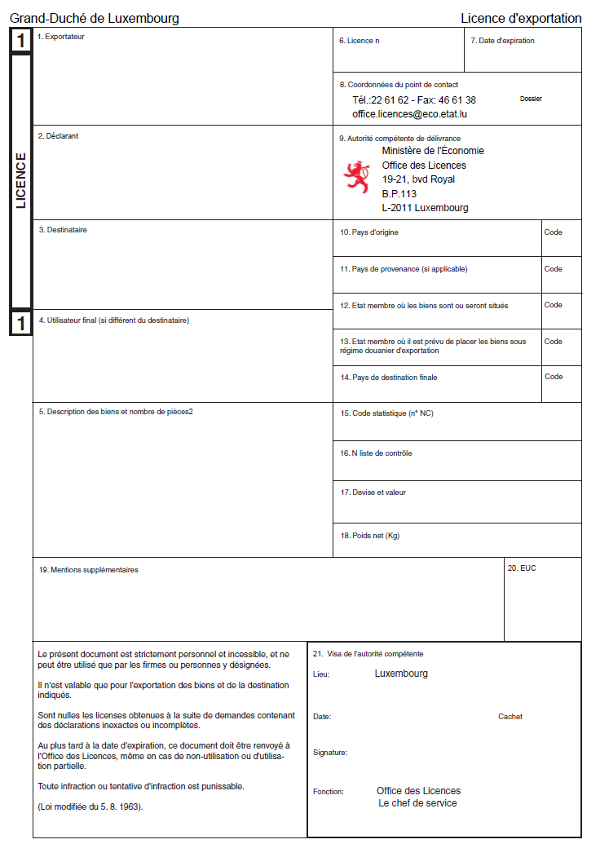
Understanding export license requirements is not just about compliance; it's also about ensuring that your business follows trade regulations while expanding globally. An export license is a government document that authorizes the export of specific goods, technologies, or services to certain destinations under defined conditions. This type of license is instrumental in regulating exports that could impact a country's national security, foreign policy, and economic interests.
Types of Export Licenses
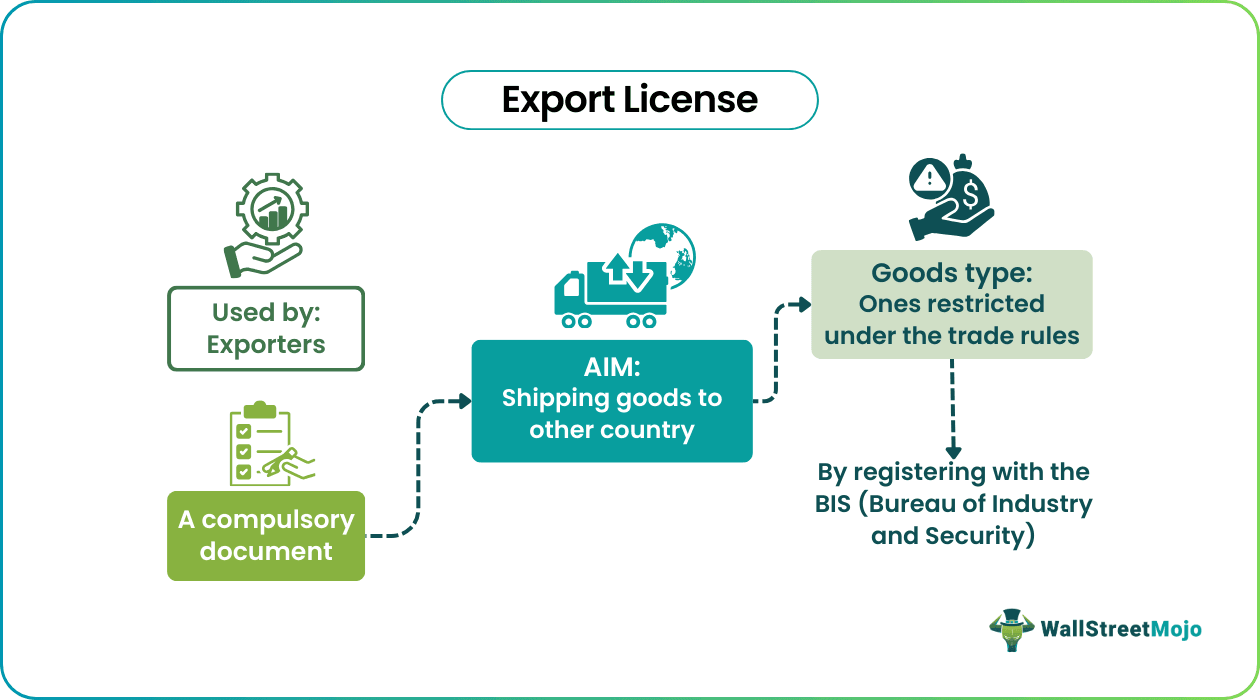
There are different types of export licenses, each with different requirements and restrictions. Some of the most common types include: general licenses, which allow for the export of certain items to certain countries without the need for an individual license; and validated licenses, which are required for the export of more sensitive items, such as military equipment, certain chemicals, or advanced technologies.
- General licenses: allows for the export of certain items to certain countries without an individual license.
- Validated licenses: required for the export of more sensitive items, such as military equipment, certain chemicals, or advanced technologies.