Home Addition and LEED Certification: A Path to Sustainable Living
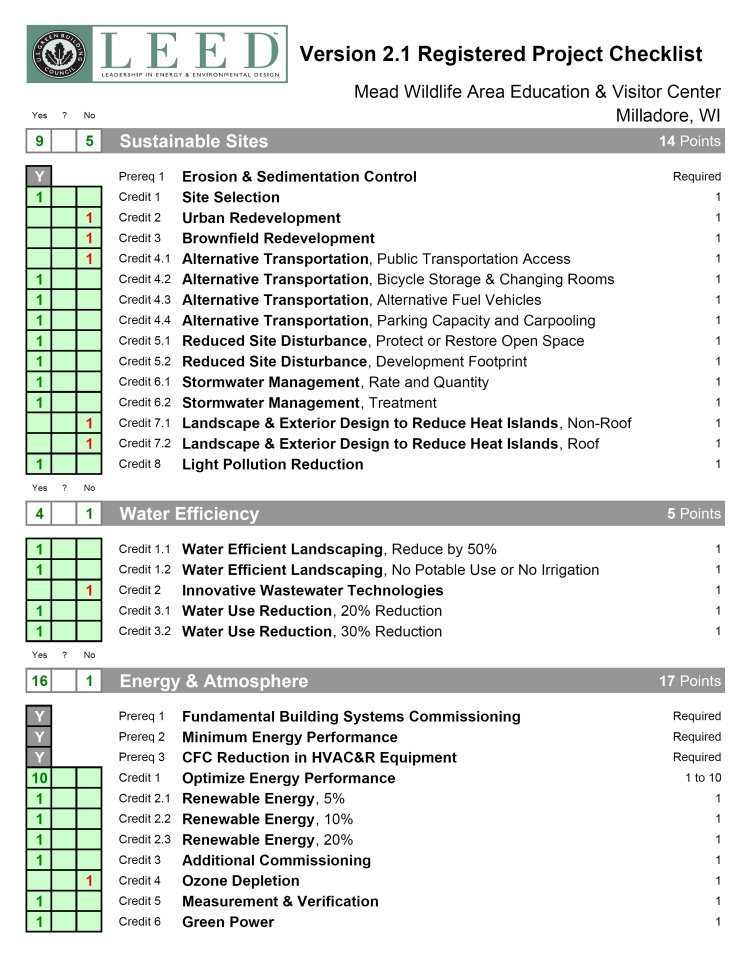
In the pursuit of sustainable living, homeowners and builders are increasingly turning to LEED certification as a benchmark for green building practices. LEED, which stands for Leadership in Energy and Environmental Design, is the most widely recognized green building rating system in the world. Achieving LEED certification for a home or building addition is a significant milestone, providing a framework for healthy, efficient, and cost-effective green buildings that benefit both the environment and occupants.
What is LEED Certification?
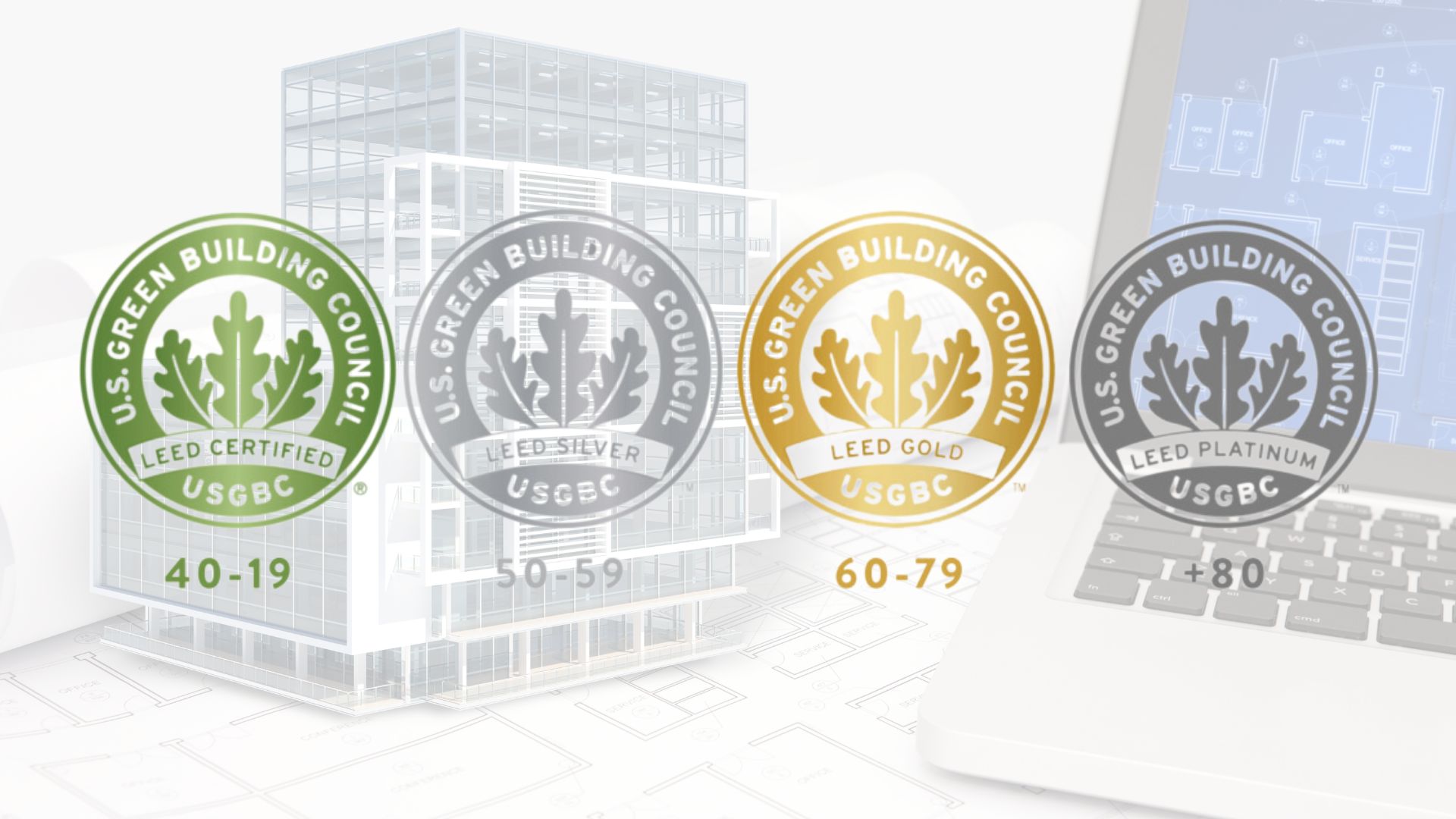
LEED certification offers a framework for designing, constructing, and operating buildings that are environmentally responsible, resource-efficient, and healthy for occupants. Developed by the U.S. Green Building Council, LEED provides a globally recognized symbol of sustainability leadership, supported by a committed community of organizations and individuals.
The Benefits of LEED Certification for Home Additions
LEED-certified homes or buildings use less energy and fewer resources, are healthier for occupants, and contribute to a more sustainable community. In fact, LEED-certified homes use 30% to 40% less electricity and save more than 100 metric tons of CO2 emissions over their lifetime. Additionally, LEED certification can increase property values, enhance the livability of homes, and reduce maintenance costs.