Eco-Friendly Lawn Care: Tips and Strategies for a Sustainable Yard
Why Eco-Friendly Lawn Care Matters
As homeowners, we often take our lawns for granted. But the truth is, traditional lawn care methods can have a significant impact on the environment. From water pollution and air quality issues to soil degradation and wildlife harm, the statistics are staggering. According to the Environmental Protection Agency (EPA), lawn care activities are responsible for a significant portion of water pollution in nearby waterways, with an estimated 70 million pounds of pesticides and fertilizers being applied to lawns each year.Simple Steps to a Greener Lawn

- Use natural fertilizers**: Instead of relying on synthetic fertilizers, try using compost or manure to give your lawn the nutrients it needs.
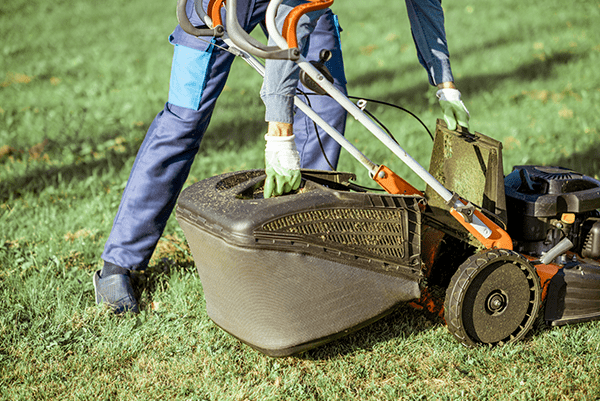
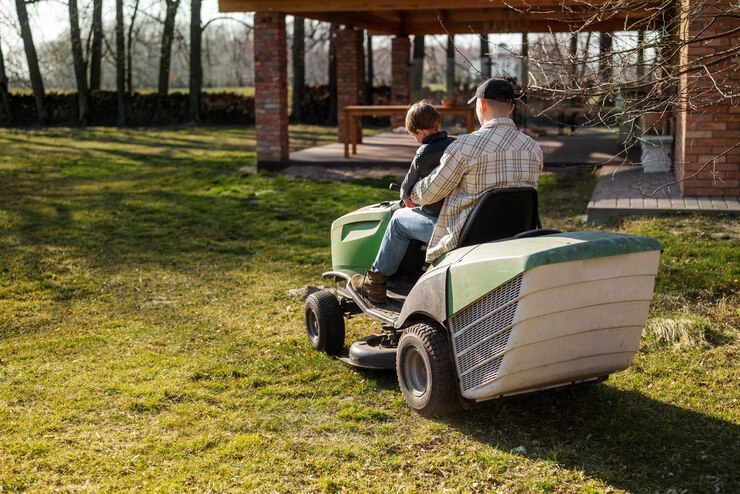
- Choose the right mowing height**: Mowing your lawn too short can stress the grass and make it more susceptible to disease. Leave your mower at a height of 2.5-3 inches to promote healthy growth.
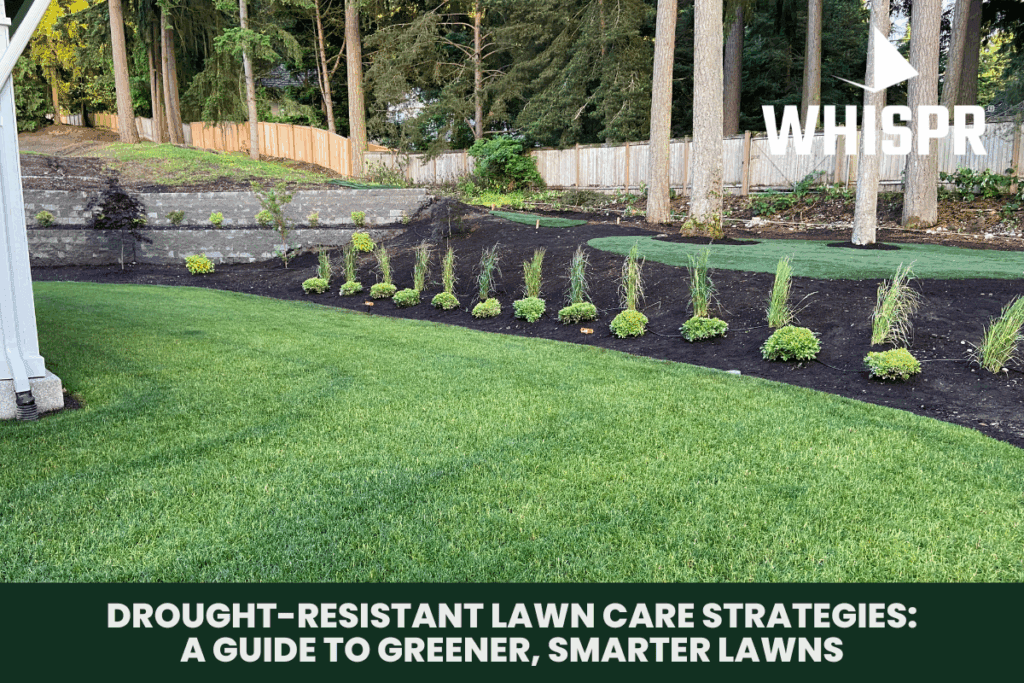
- Use drought-resistant plants**: If you live in an area prone to droughts, consider planting drought-resistant grass or groundcovers to reduce the need for frequent watering.
- Avoid using herbicides**: Instead of reaching for herbicides, try creating a weed barrier or using natural methods to control weeds.