Understanding Export Control Regulations: A Comprehensive Guide
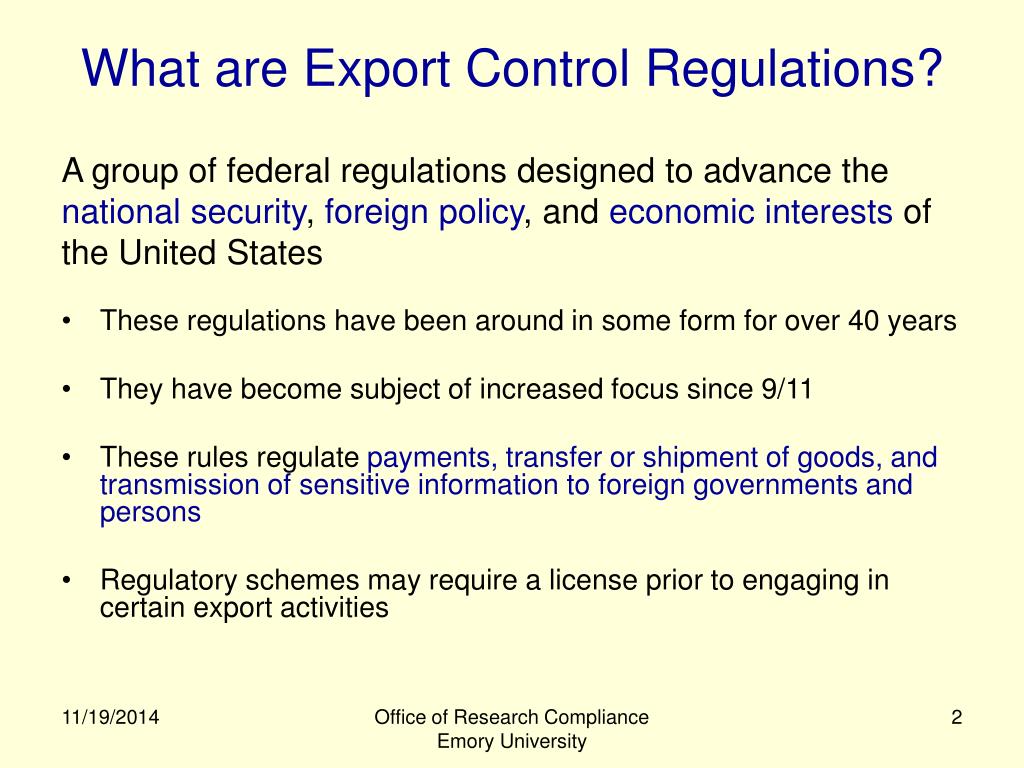
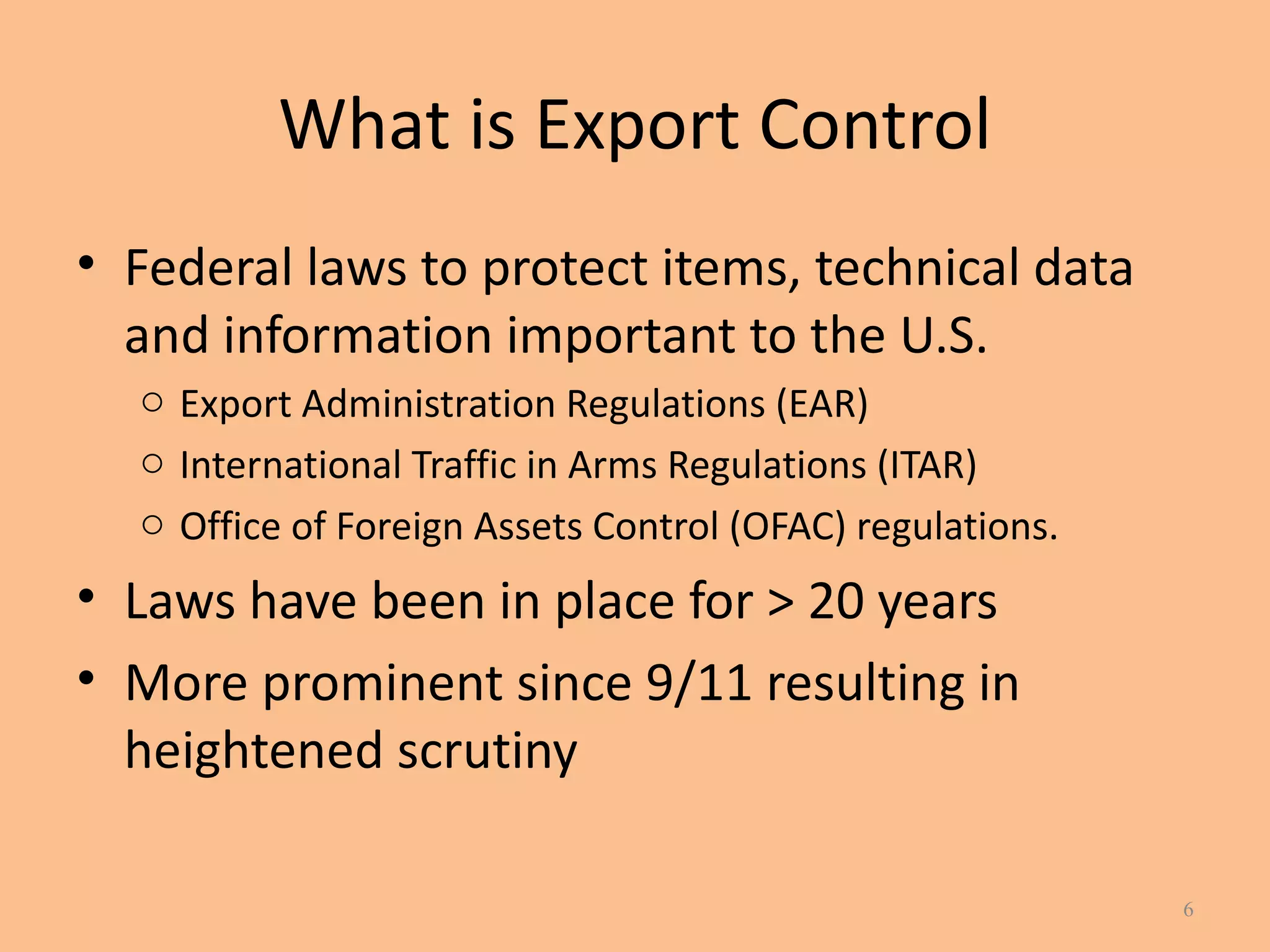
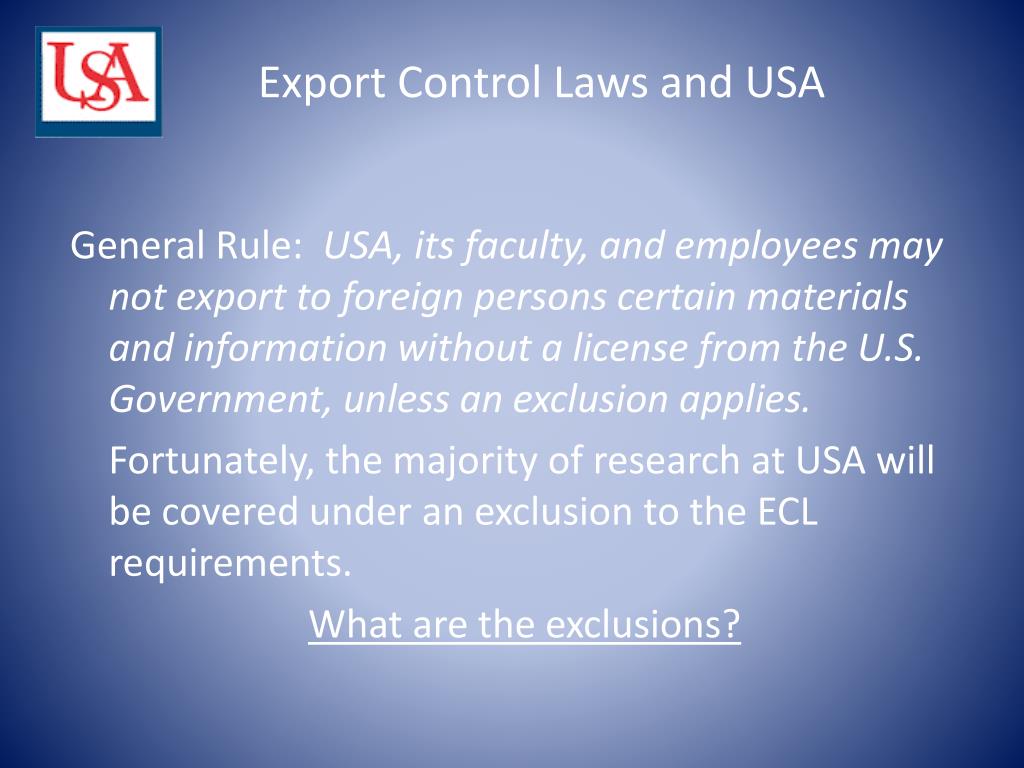
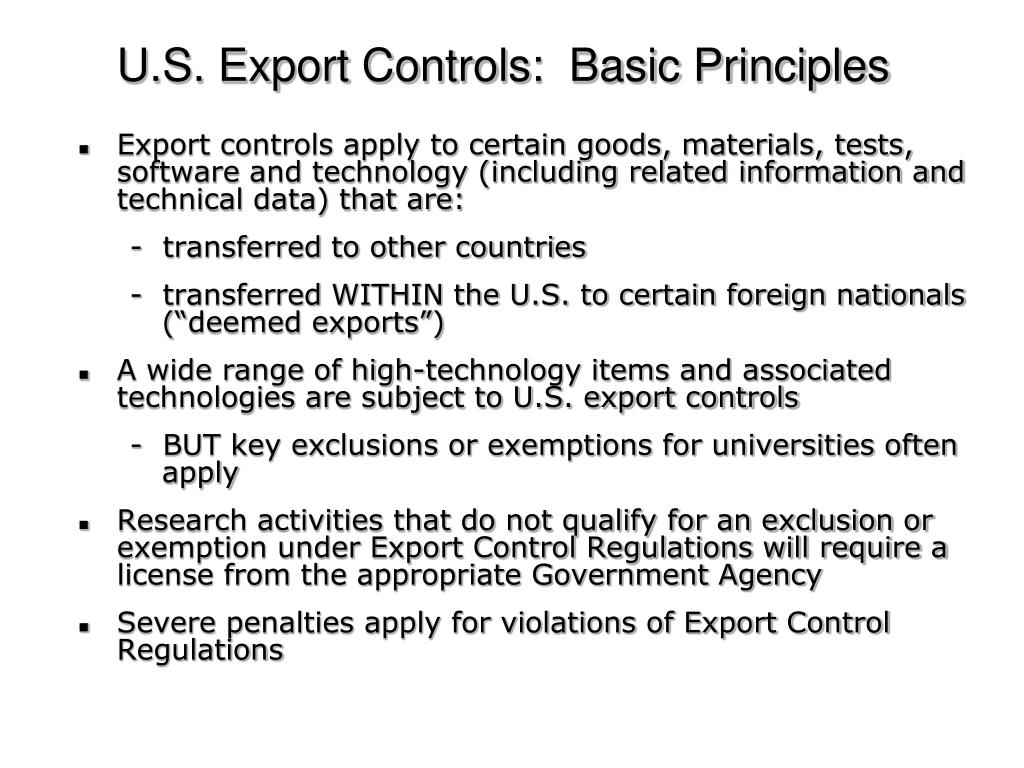
Export control regulations are set of rules and guidelines established by governments to regulate the export, re-export, and transfer of goods, technologies, software, and services that may have military, dual-use, or strategic applications. These regulations are primarily aimed at preventing sensitive technologies from reaching hostile nations or non-state actors, advancing national security, foreign policy, and economic objectives.
Why Export Control Regulations Matter
- Prevent sensitive technologies from reaching hostile nations or non-state actors
- Advance national security, foreign policy, and economic objectives
- Ensure effective export control and treaty compliance systems
- Promote continued U.S. strategic technology leadership
Key Participants and Regulatory Agencies
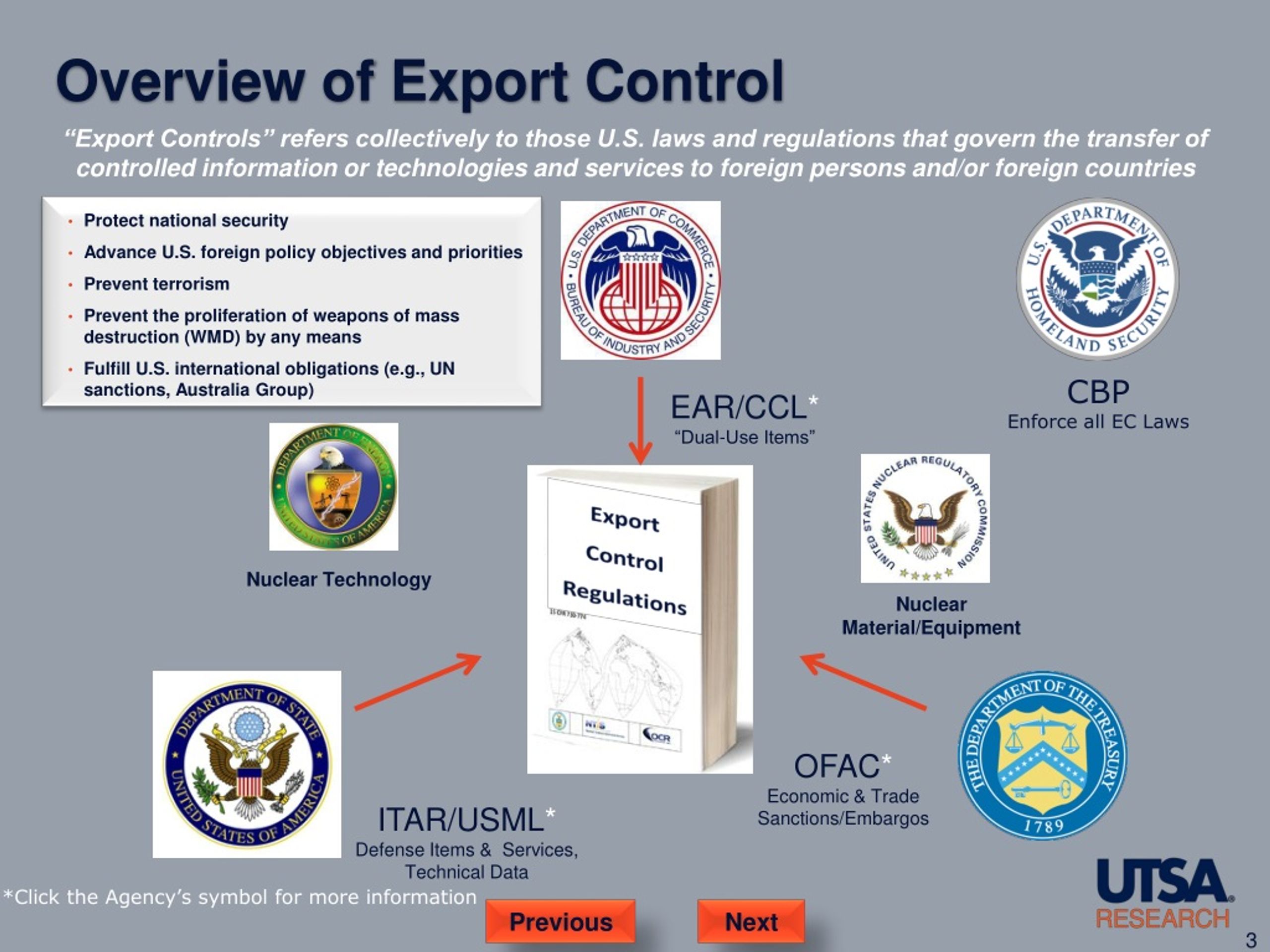
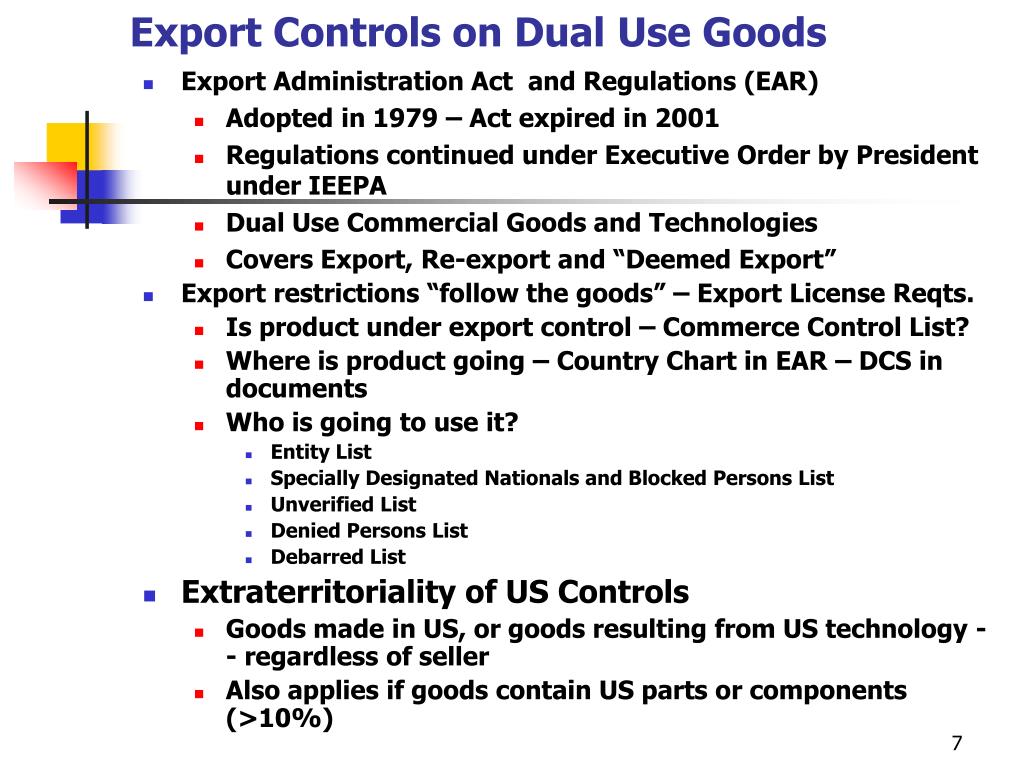
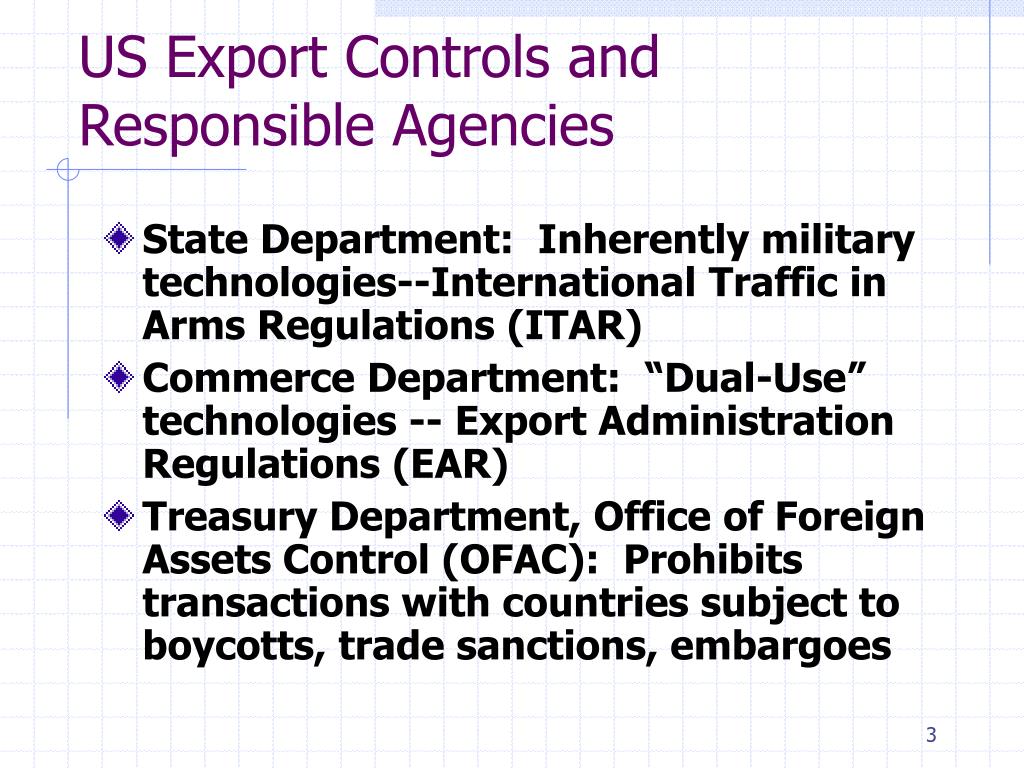
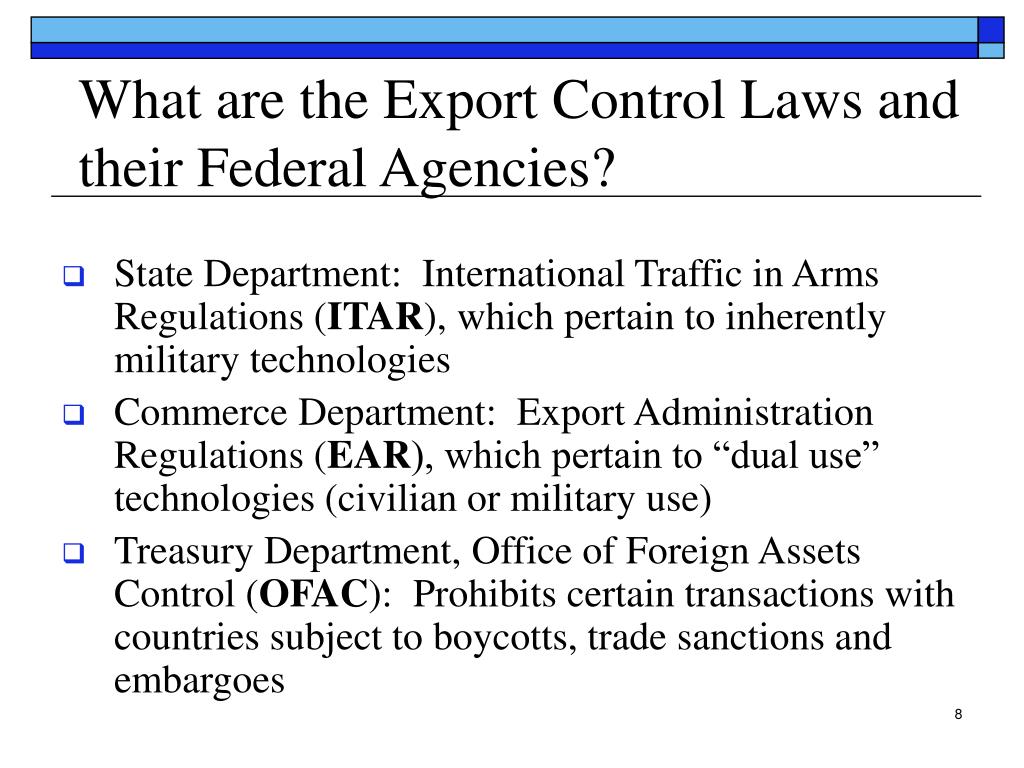
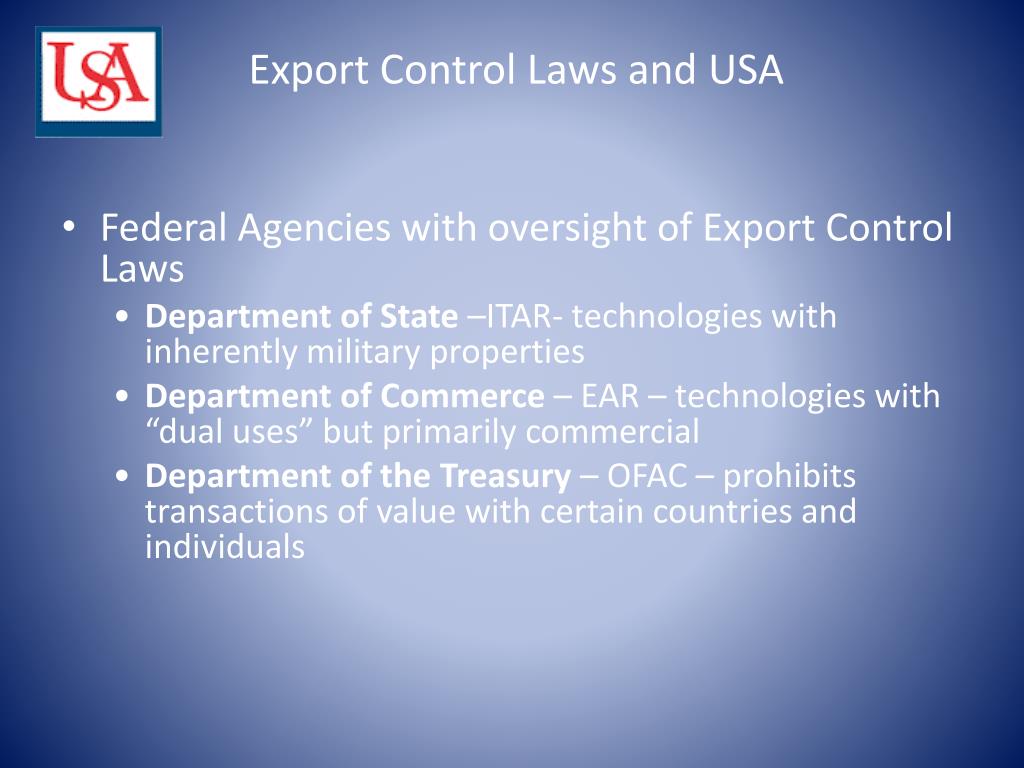
Export control regulations are administered by various government agencies, including the Department of Homeland Security (DHS) and the Department of Justice. These agencies issue criminal penalties for violations of export control regulations, including the Export Control Reform Act (ECRA), enacted in 2018, which provides broad legislative authority to the President to implement dual-use export controls.
The Two Major Export Control Regimes: ECCN and ITAR
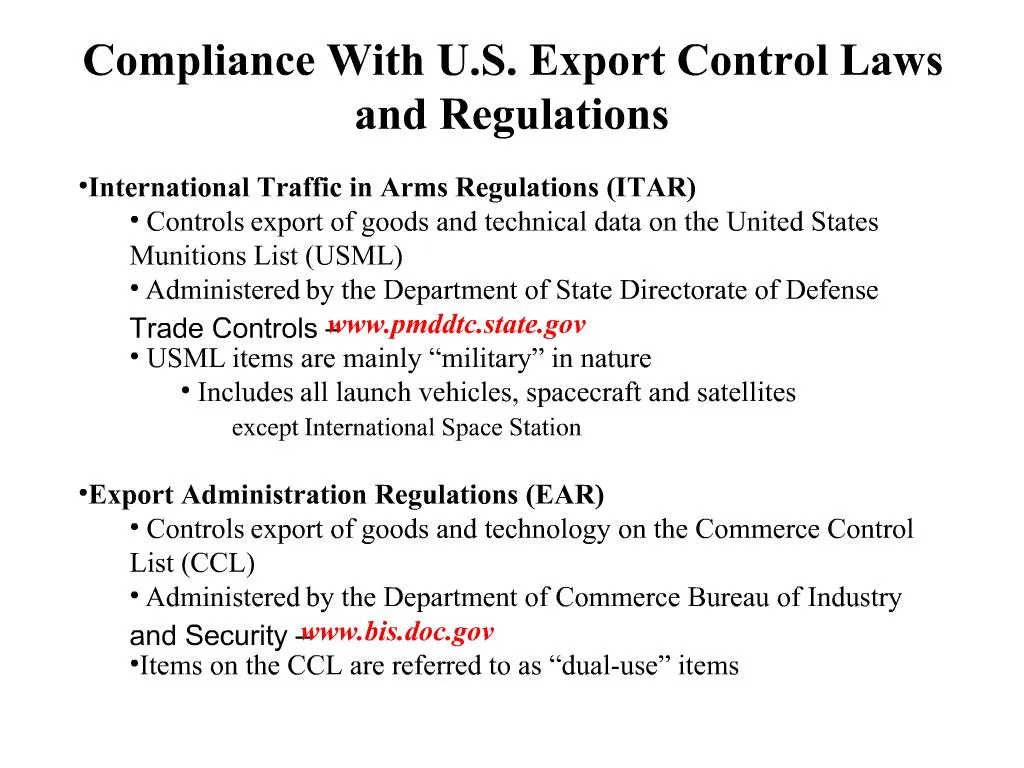
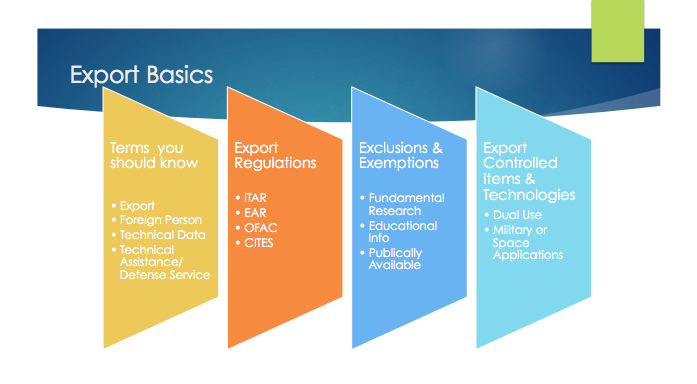
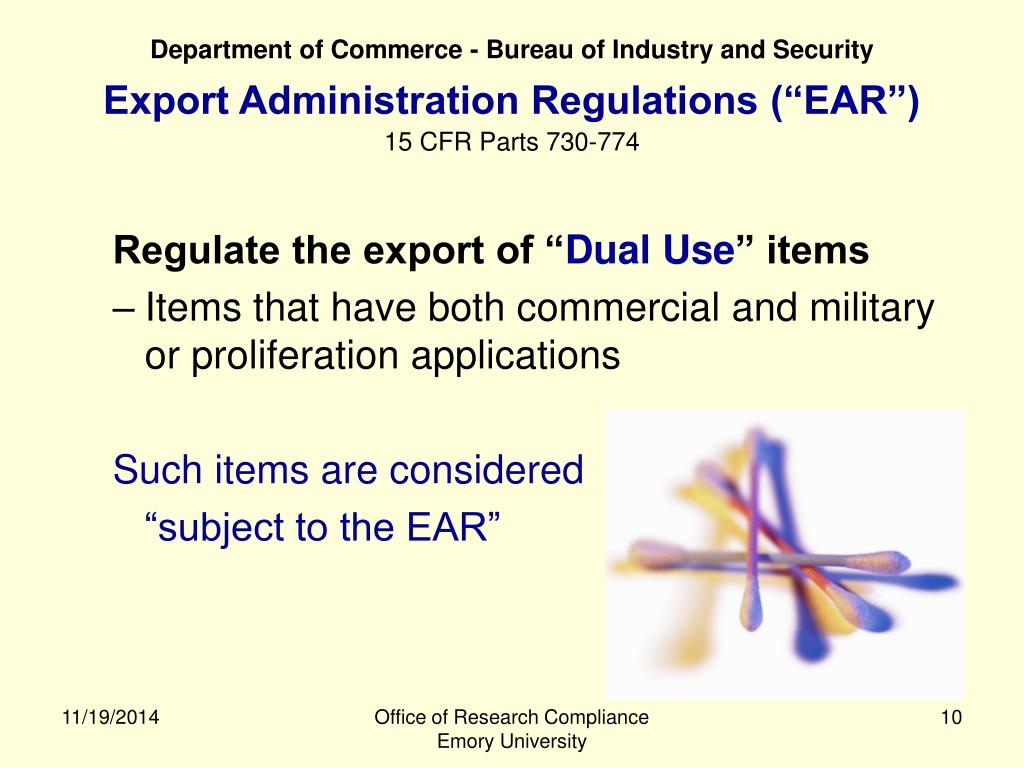
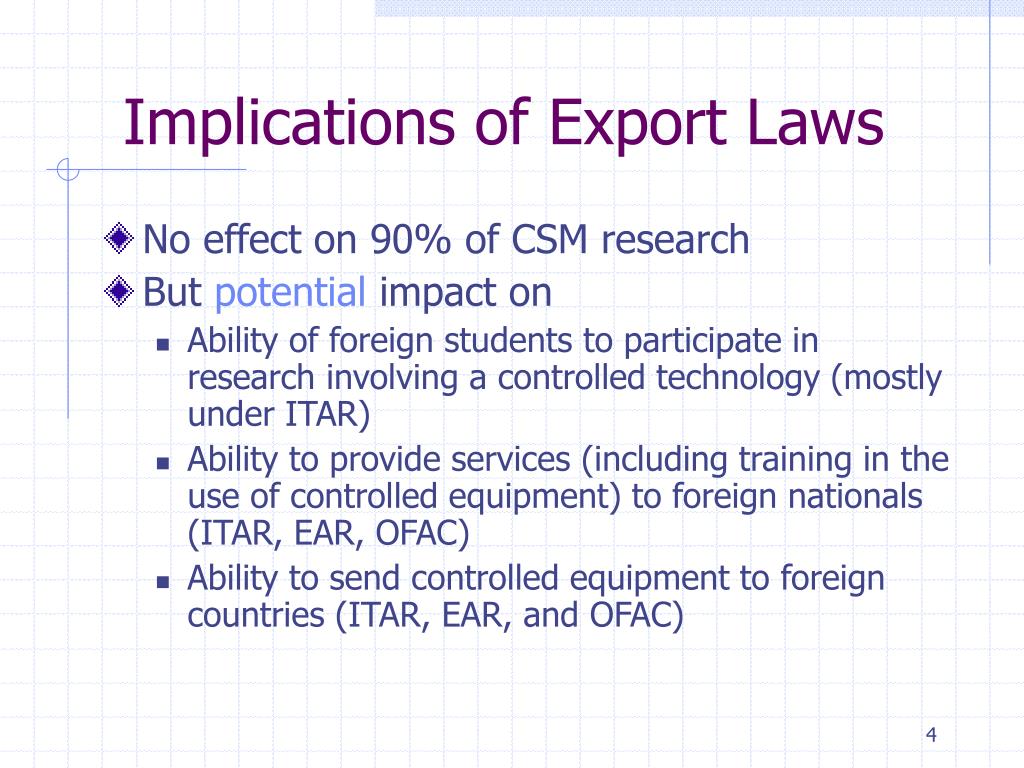
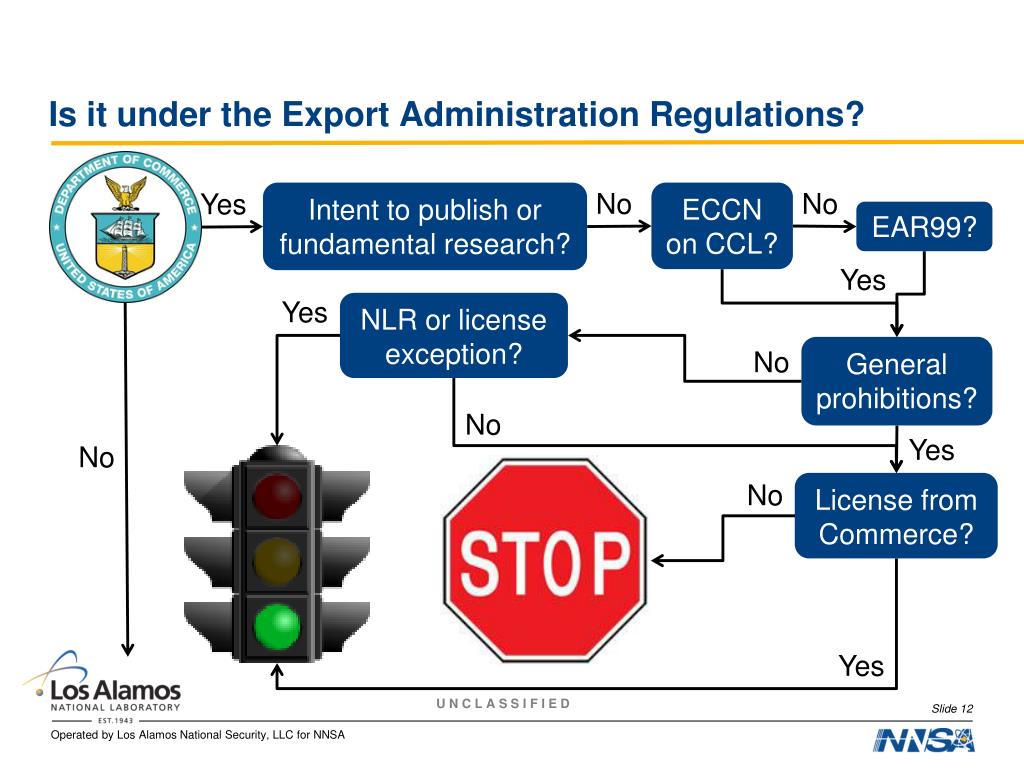
The Export Administration Regulations (EAR) utilizes the Export Control Classification Number (ECCN) system to classify items, while the International Traffic in Arms Regulations (ITAR) uses the United States Munitions List (USML). The ECCN system provides a more nuanced approach to controlling the export of dual-use items, whereas the ITAR focuses on the export of defense articles and services.