Septic Tank Repair: A Comprehensive Guide to Troubleshooting and Maintenance
Introduction to Septic Tank Repair
Septic tanks are an essential and cost-effective part of your home's wastewater management plan. However, over time, they can break down or malfunction, leading to costly repairs or even unexpected system failure. To avoid these issues, it's crucial to understand how to diagnose and repair a septic tank when problems arise. In this article, we'll delve into the typical diagnosis and repair process for common septic tank problems.
The Importance of Regular Maintenance
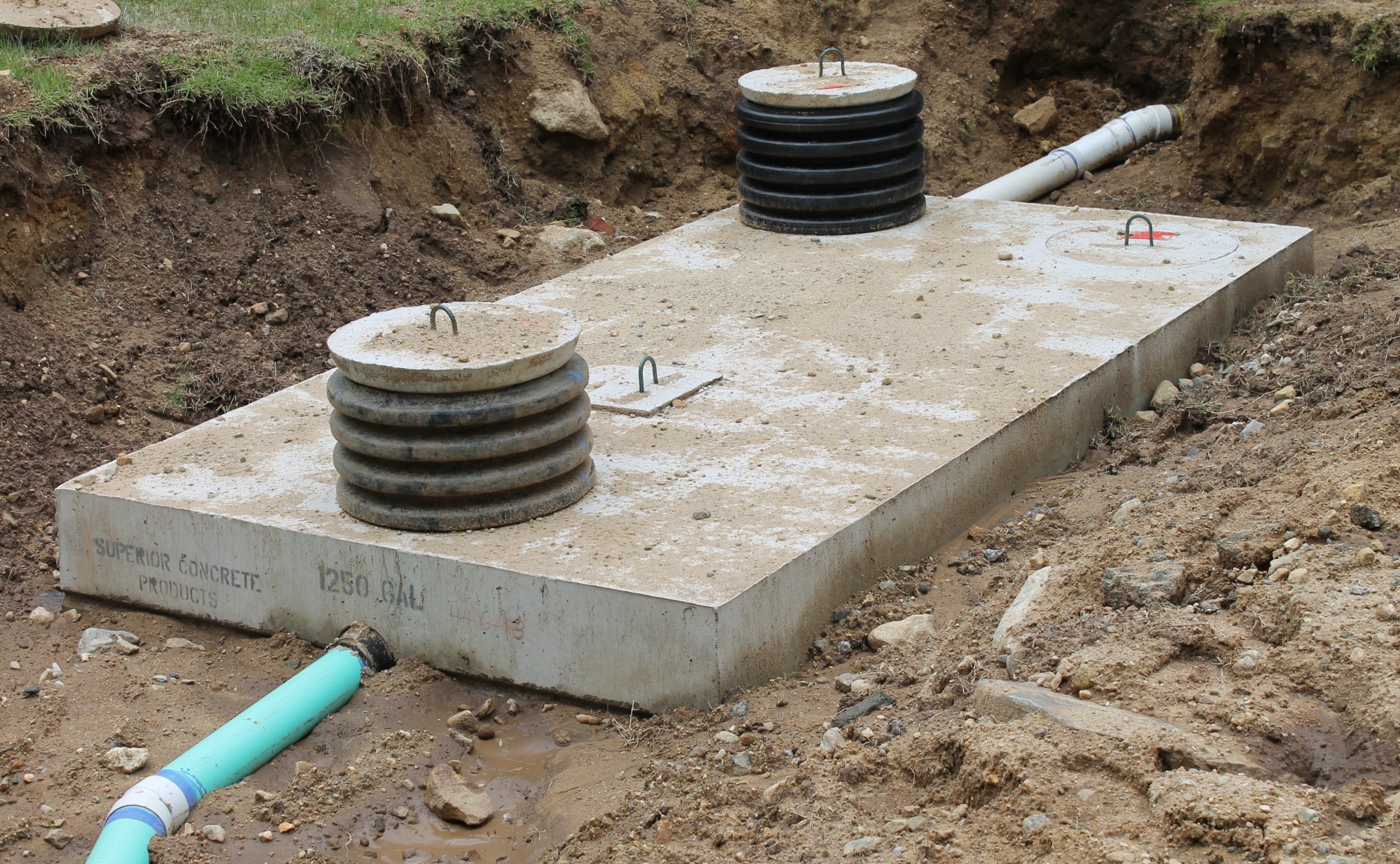
Regular maintenance is key to extending the lifespan of your septic tank. It's essential to have your tank inspected and pumped every 3-5 years to prevent sludge buildup and minimize the risk of system failure. A properly maintained septic tank can last for decades, while a neglected tank can lead to costly repairs and even system failure.
Common Septic Tank Problems and Their Causes
- Clogged Pipes: Tree roots, debris, and mineral buildup can cause clogged pipes, leading to backups and overflows.
- Septic Tank Overload: Excess water from washing machines, dishwashers, and toilets can overwhelm the tank, causing it to overflow.
- Drainfield Failure: A clogged drainfield can prevent waste from being absorbed, leading to backups and system failure.
- Tank Leaks: Cracks and leaks in the tank can cause sewage to spill into the surrounding soil, contaminating groundwater.