Remote Work Visas: Unlocking Global Mobility and Freelancing Opportunities
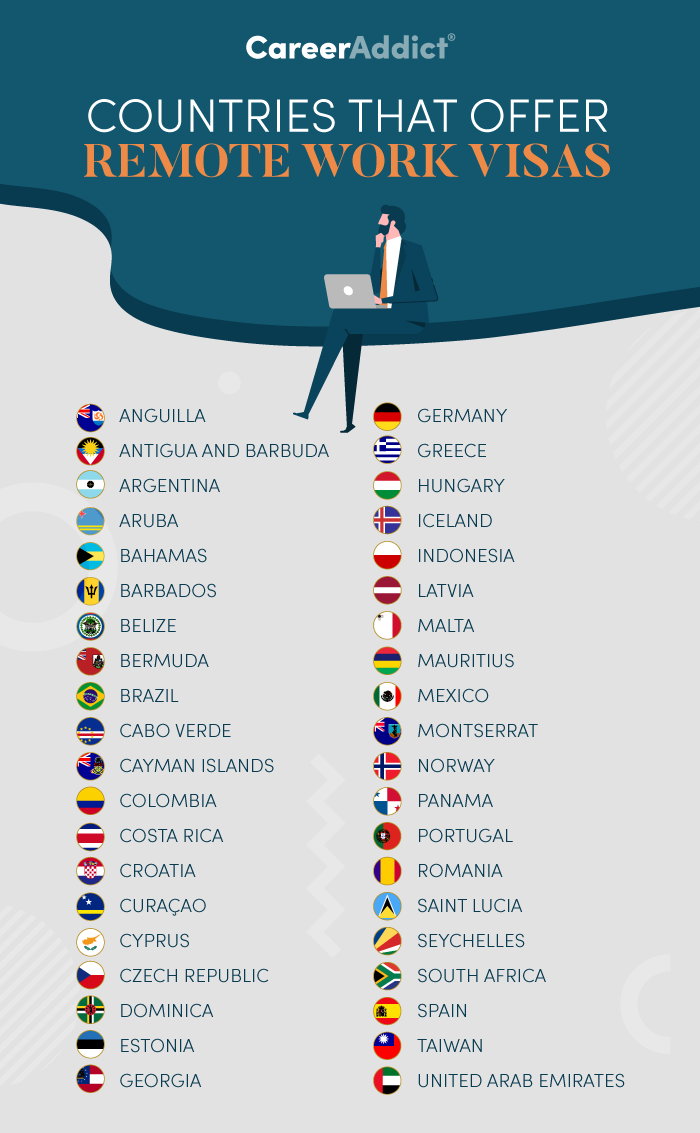
In a world where remote work has become the norm, the concept of remote work visas has gained significant traction. These specially designed visas enable digital nomads, freelancers, and entrepreneurs to live and work abroad, while contributing to the economy of their host country.
A Growing Trend: Remote Work Visas
In the last few years, more than 50 countries have introduced digital nomad visas, catering to the increasing demand for remote work opportunities. Governments recognize the value of attracting globally mobile professionals, stimulating the economy, and developing sustainable tourism.
Types of Remote Work Visas

- Remote Work Visas:** Designed for freelancers, remote workers, and entrepreneurs, these visas grant permission to live and work in a country for a specified period.
- Digital Nomad Visas:** Created for digital nomads, these visas offer a flexible and easy-to-obtain solution for living and working abroad. li>Remote Employee Visas:** Targeting employees of international companies, these visas enable professionals to relocate to a foreign country while working for their employer.
Requirements for Remote Work Visas
While requirements may vary across countries, standard documentation often includes:
- Proof of Income:** A steady income or proof of employment is usually required to demonstrate financial stability.
- Remotely Work-Related Documents:** Evidence of remote work arrangements, employment contracts, or invoices from clients can be a necessity.
- Health Insurance:** Many countries demand proof of health insurance, ensuring that remote workers have access to quality medical care.
- Clean Criminal Record:** Applicants must possess a spotless criminal record to be eligible for a remote work visa.