Understanding Neurohormonal Regulation and GLP-1: A Comprehensive Review
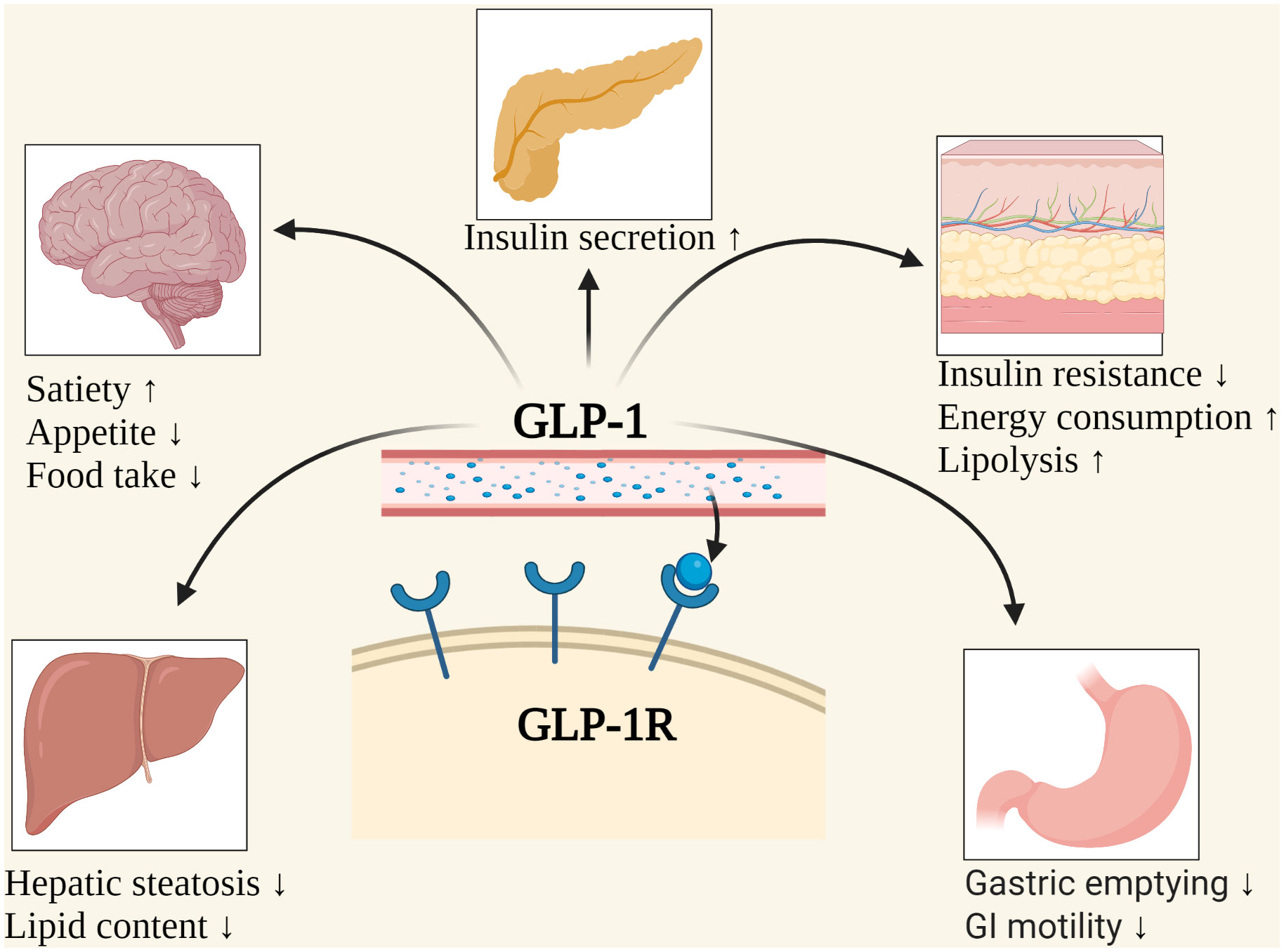
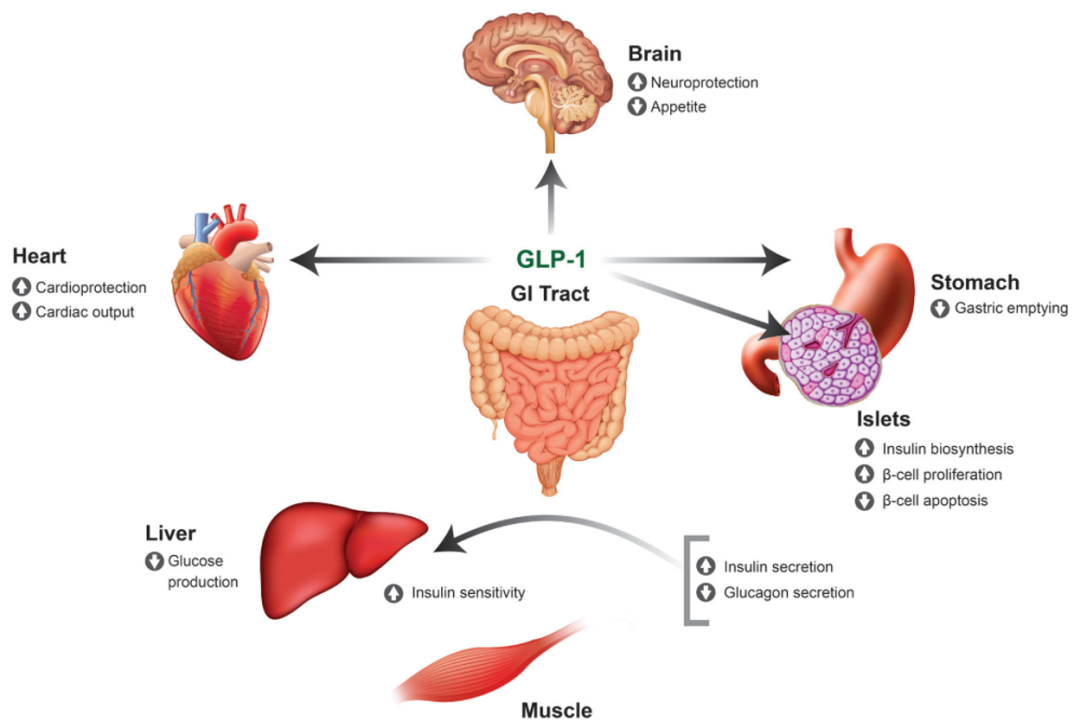
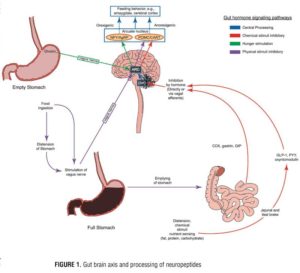
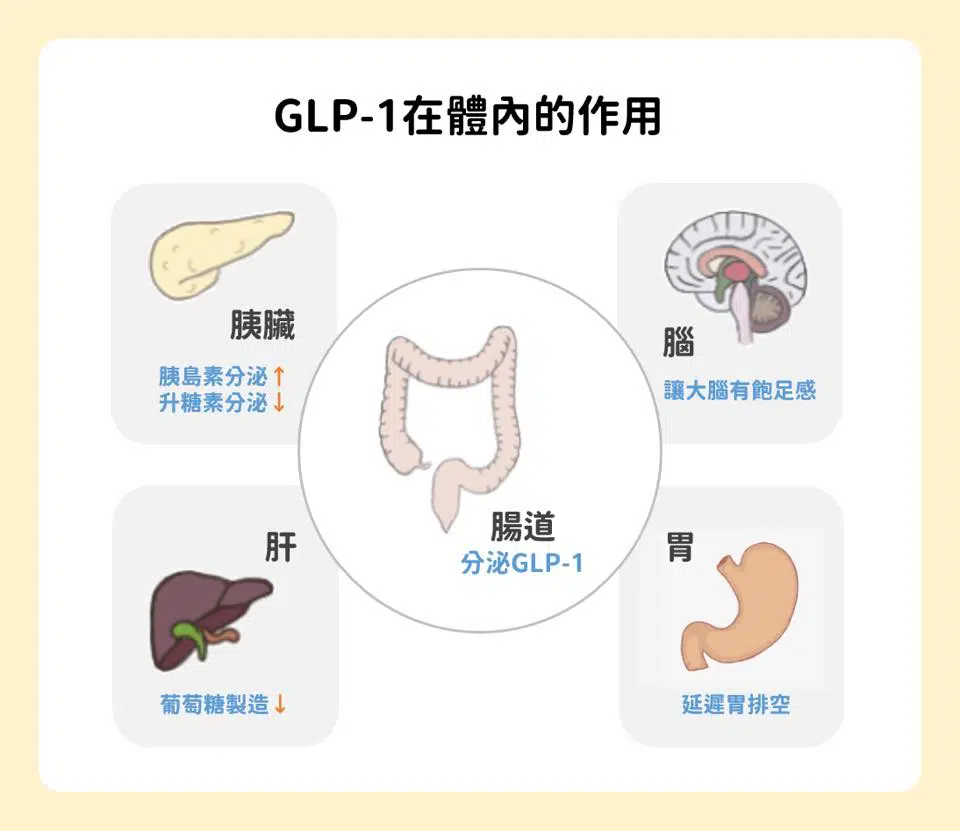
Glucagon-like peptide-1 (GLP-1) is a multifaceted hormone that plays a crucial role in regulating various physiological processes, including glucose homeostasis, insulin secretion, and satiety. Recent studies have shed light on the neurohormonal regulation of GLP-1, highlighting its significant impact on metabolism, appetite, and neuroprotection. In this article, we will delve into the intricacies of neurohormonal regulation and GLP-1, exploring its mechanisms, functions, and therapeutic potential.
The GLP-1 System: A Complex Network of Hormones and Receptors
GLP-1 is produced through the proteolytic cleavage of proglucagon, a protein expressed in enteroendocrine cells, α cells of the pancreas, as well as in the nucleus of the solitary tract (NTS) in the brainstem. The GLP-1 system consists of a complex network of hormones and receptors, including GLP-1 itself, its receptor (GLP-1R), and various signaling pathways that modulate its activity.
Neurohormonal Regulation of GLP-1 Synthesis

Research has shown that the regulation of GLP-1 synthesis is a key mechanism by which the GLP-1 and GLP-1R system can be customized. Various factors, including nutrient intake, exercise, and cytokine release, can influence GLP-1 synthesis and secretion, ultimately impacting glucose homeostasis and appetite regulation.
GLP-1R Agonists: Panacea for Metabolic Disorders?
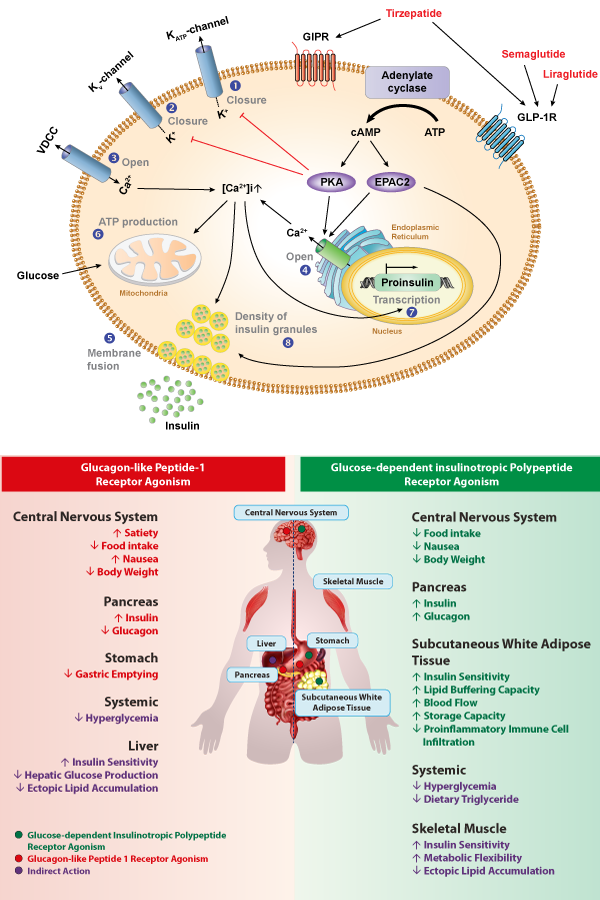
GLP-1R agonists, initially approved for diabetes and obesity, have emerged as promising therapeutic agents for a range of metabolic disorders. These agents, through their receptors, modulate neurotransmitter release, promote neurogenesis, and exhibit neuroprotective effects, making them a valuable addition to our arsenal against metabolic diseases.