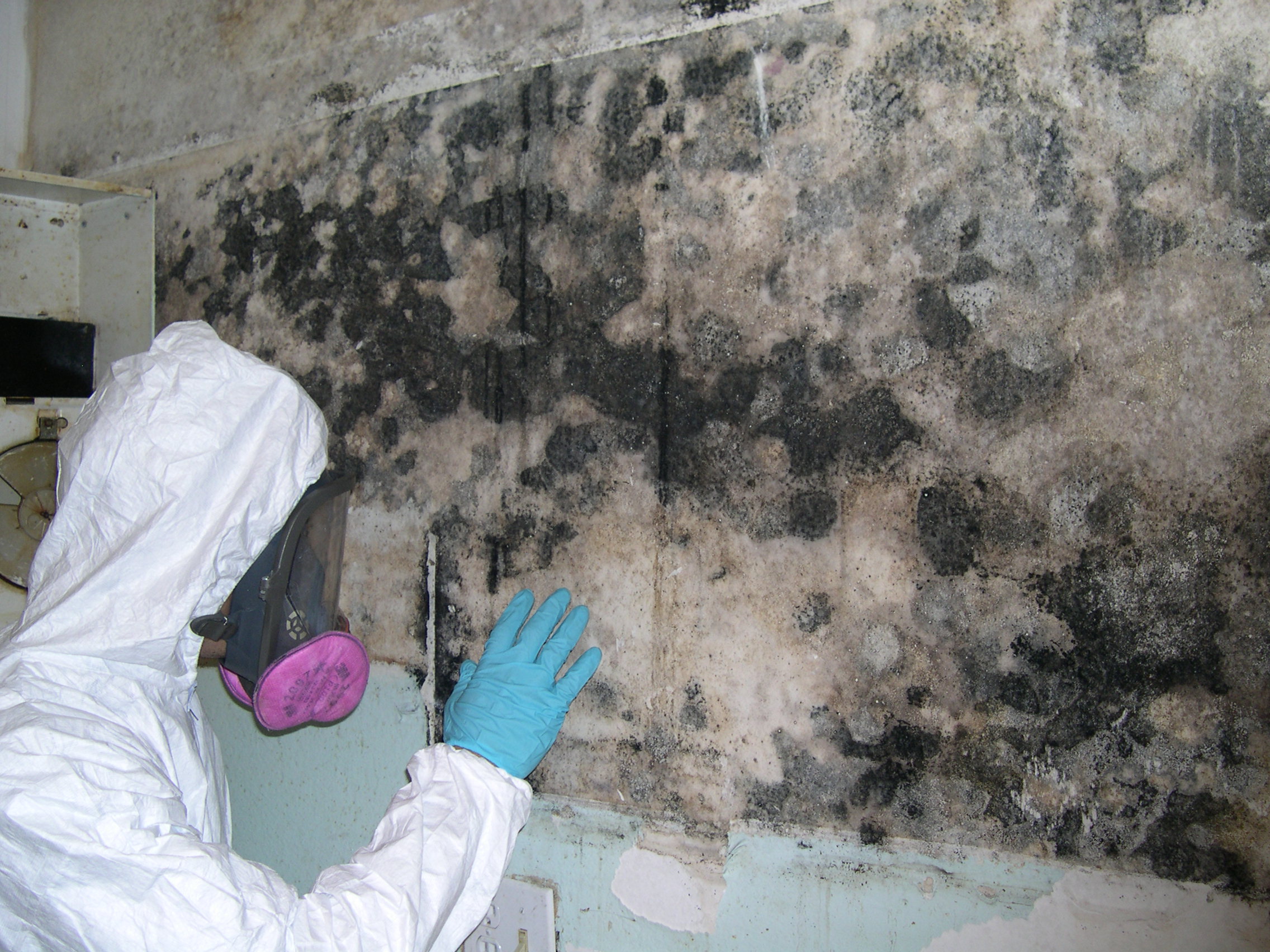
Mold Remediation for Rental Properties: A Comprehensive Guide
Mold in rental properties can impact health, property value, and long-term investment performance. Taking a proactive approach through inspections, maintenance, and clear communication reduces the likelihood of costly remediation. As a landlord or property manager, it's essential to be aware of the signs of mold, understand the laws and regulations surrounding mold management, and take prompt action to address any issues that arise.
The Importance of Mold Remediation
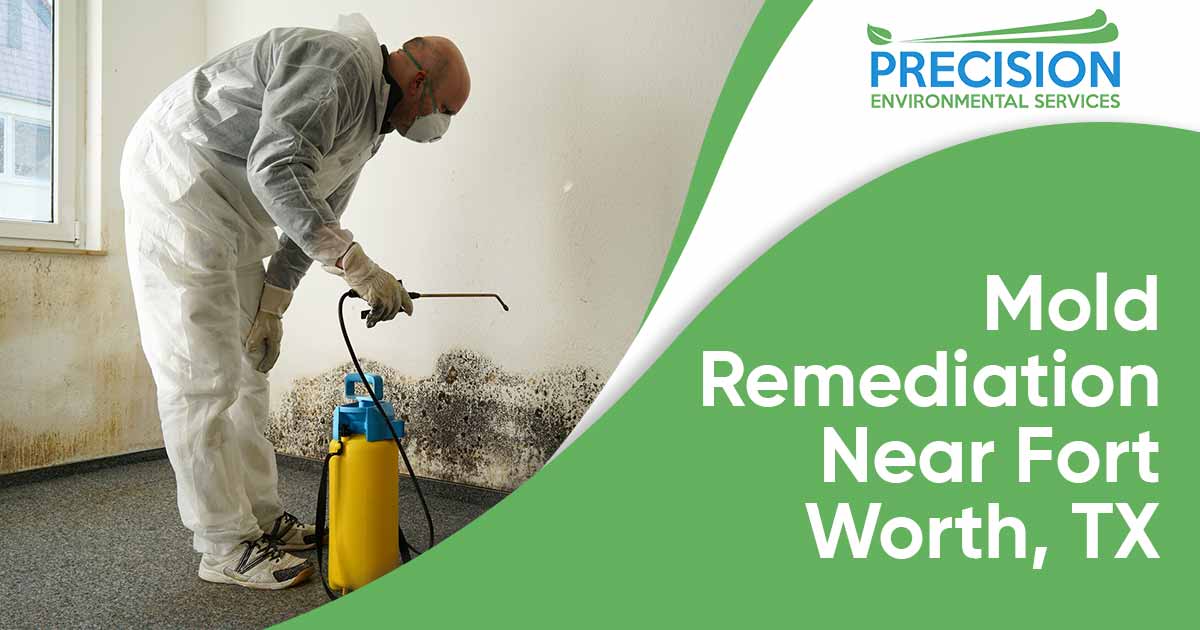
Mold remediation involves identifying, containing, and removing mold from buildings to restore a safe, healthy environment. It addresses both visible mold and underlying causes like moisture and poor ventilation to prevent recurrence and protect structural integrity.
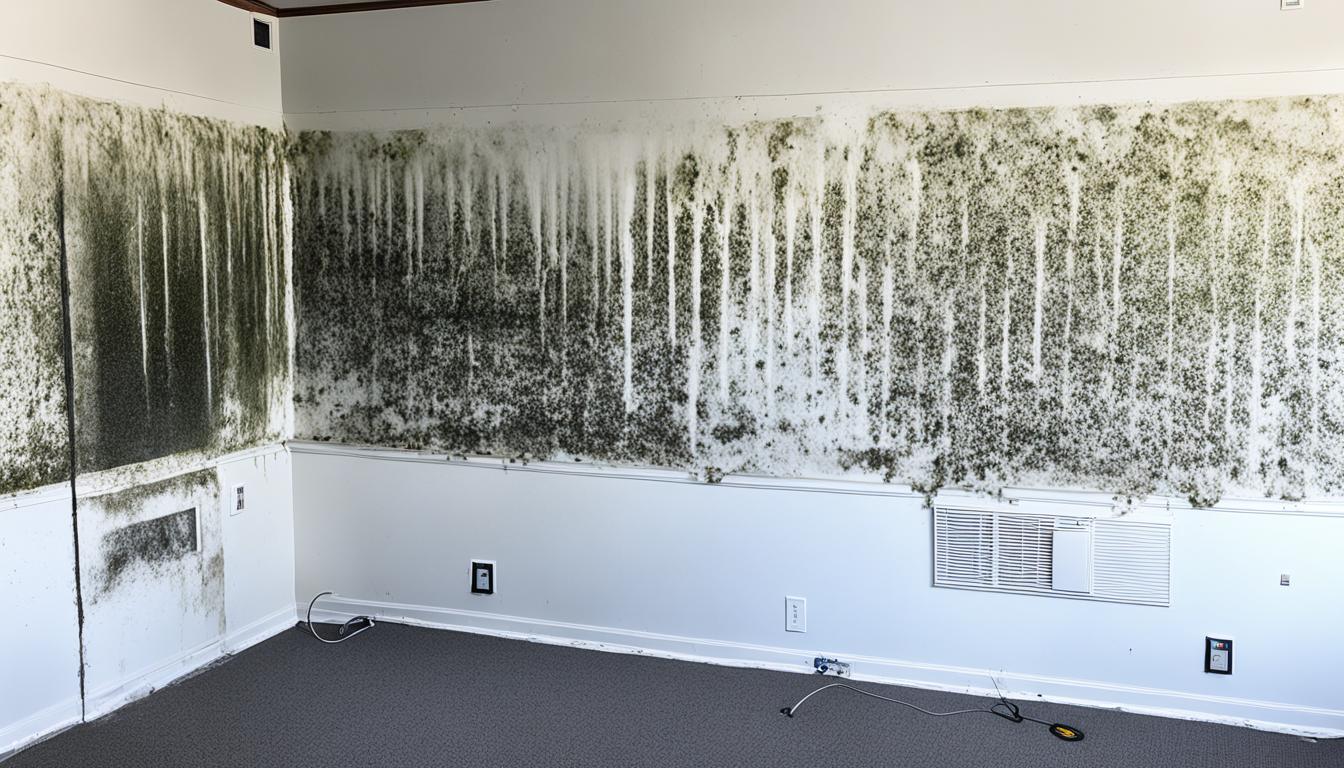
- Visible mold growth can lead to serious health issues, including respiratory problems and allergies.
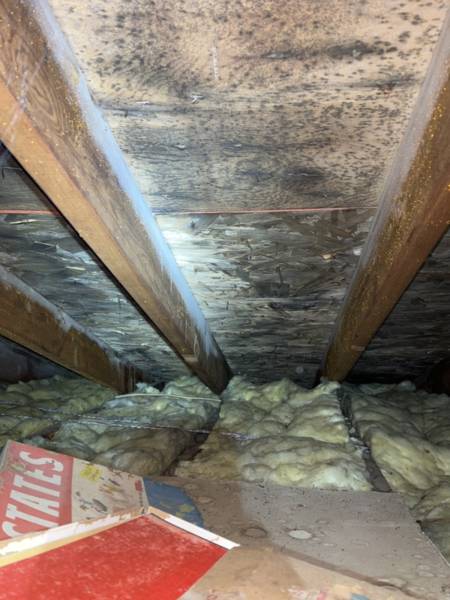
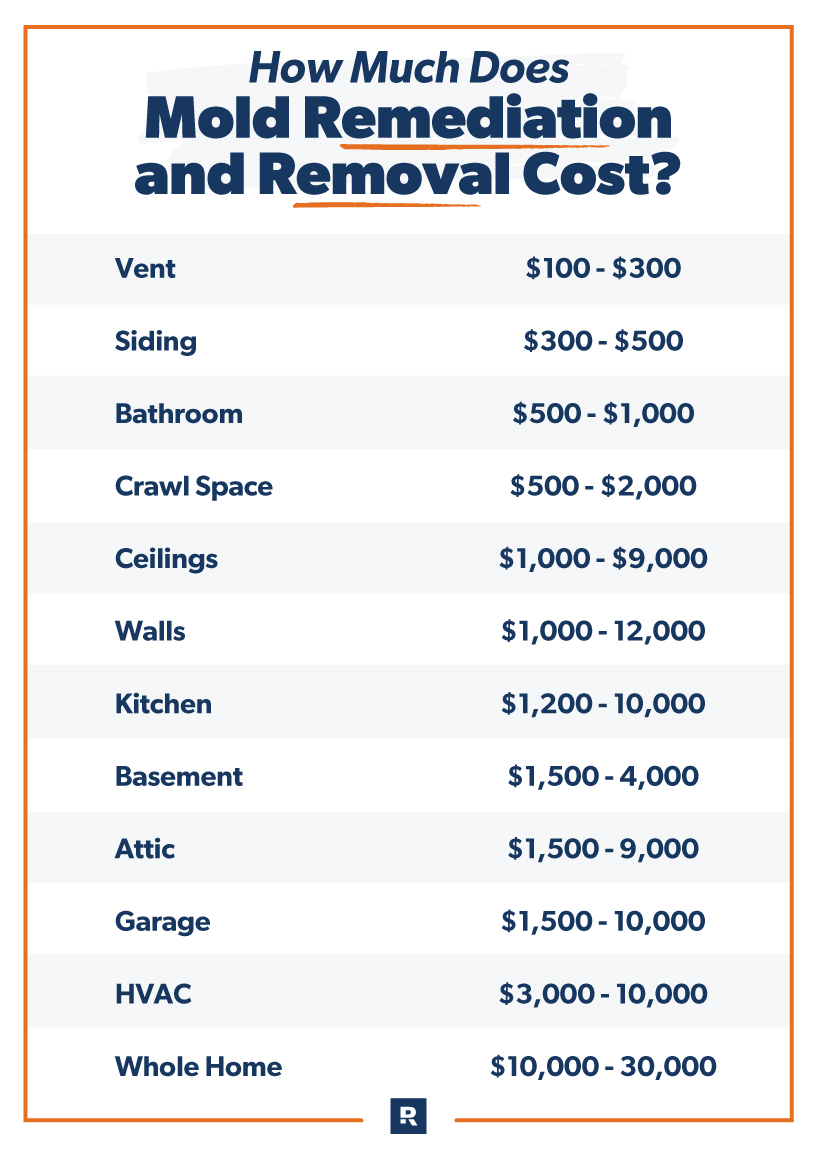
- Moisture and poor ventilation can cause mold to spread, leading to costly repairs and diminished property value.
- Regular inspections and maintenance can help prevent mold growth and identify potential issues before they become costly problems.

Who is Responsible for Mold Remediation in Rental Properties?
Both landlords and tenants have specific responsibilities regarding mold management to ensure a safe and healthy living environment.
- Landlords are responsible for:
- Providing a safe and habitable living environment.
- Conducting regular inspections to identify potential mold issues.
- Addressing mold growth promptly and taking steps to prevent recurrence.
- Tenants are responsible for:
- Reporting mold growth promptly to the landlord.
- Cooperating with the landlord's efforts to address mold growth.
- Properly ventilating the property to prevent moisture buildup.