Maximize Your Lawn's Potential: Understanding the Lawn Fertilization Schedule
A healthy lawn is not just a matter of aesthetics; it's also crucial for the environment and your property's value. A well-maintained lawn provides insulation, absorbs carbon dioxide, and even contributes to air quality improvement. Proper fertilization is essential in achieving a lush, green, and thriving lawn. However, fertilizing at the wrong time can lead to over-fertilization, harming your lawn and the surrounding ecosystem.
What is a Lawn Fertilization Schedule?
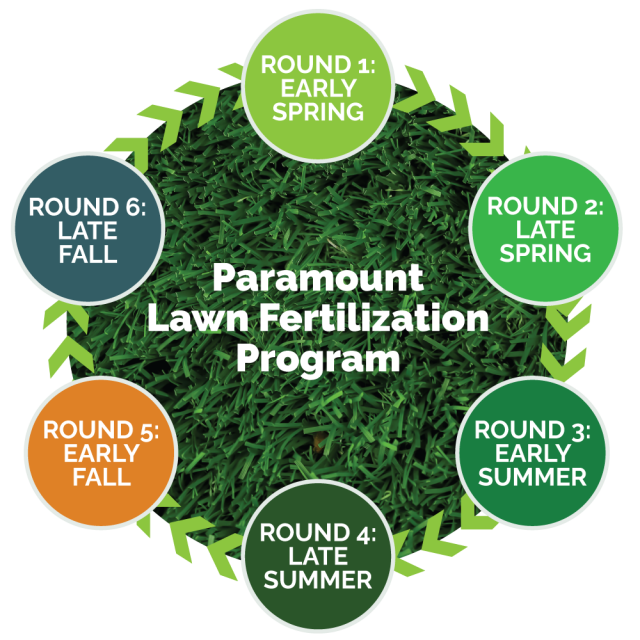
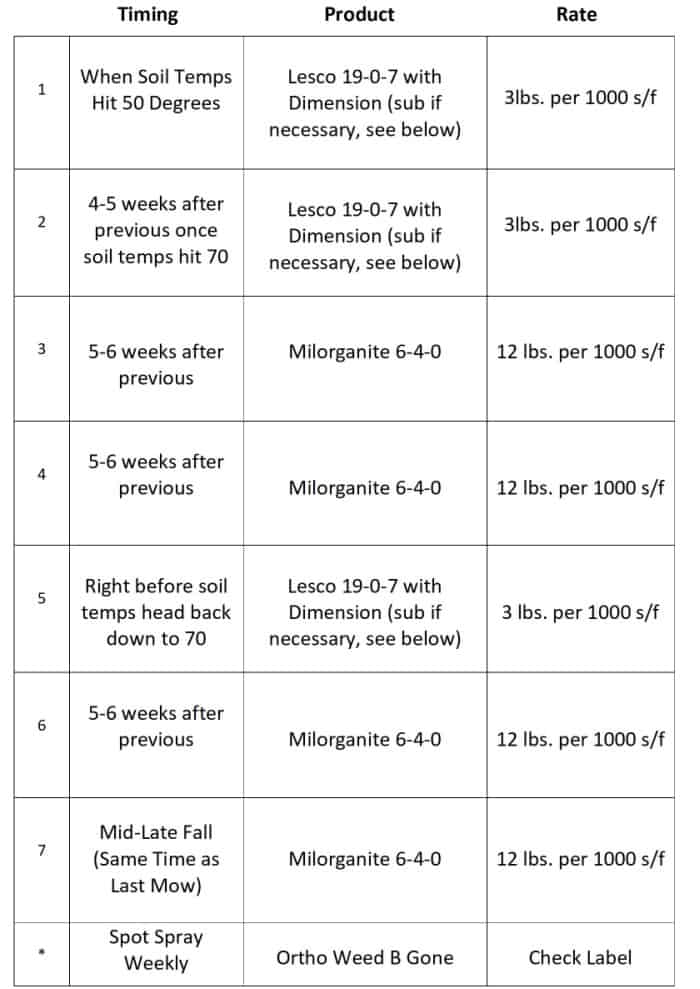
A lawn fertilization schedule is a personalized plan created based on your lawn's specific needs, climate, soil composition, and local weather patterns. It helps determine when and how much fertilizer to apply to promote healthy growth, prevent pests and diseases, and maintain a vibrant color.
Why is Timing Important in Lawn Fertilization?
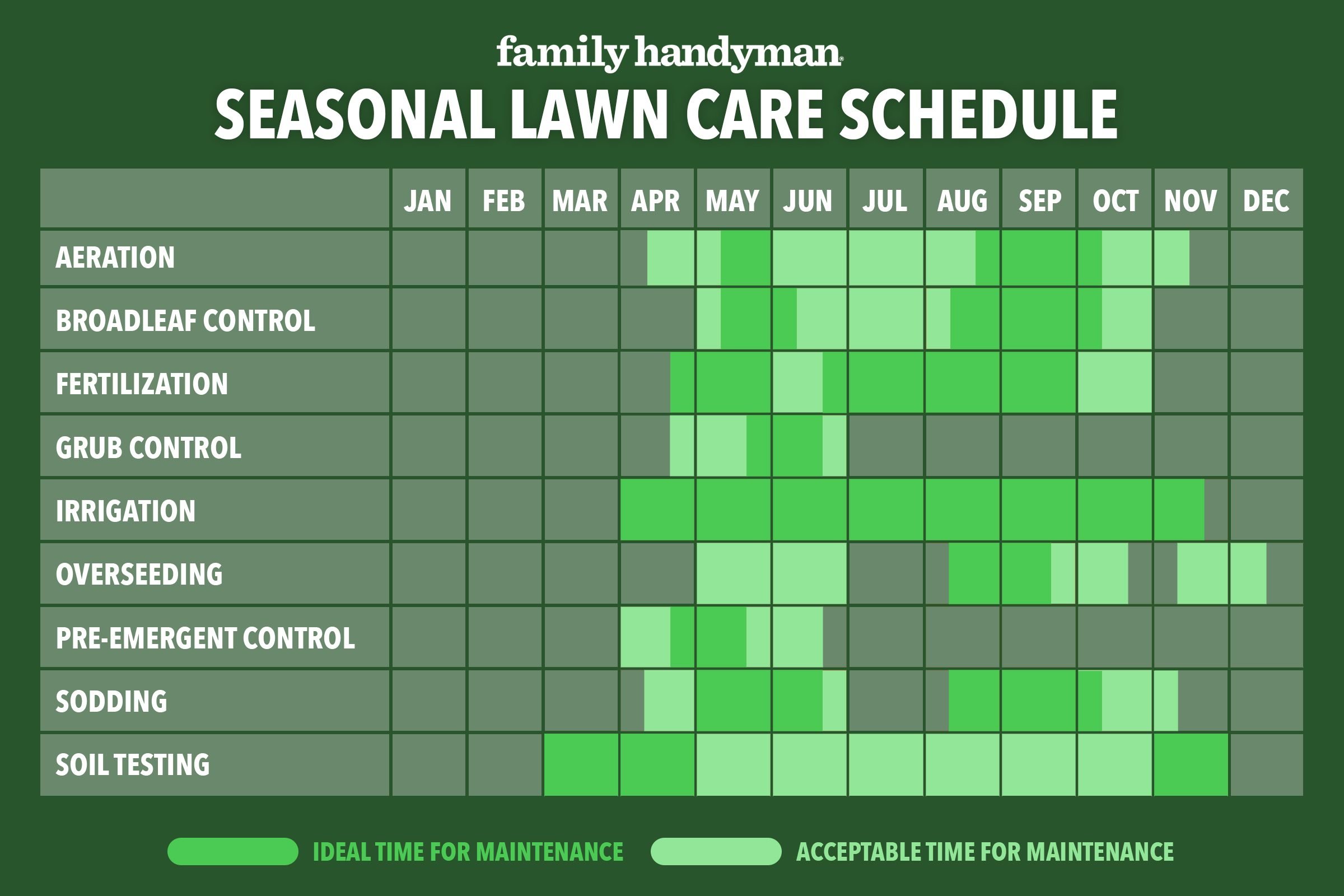
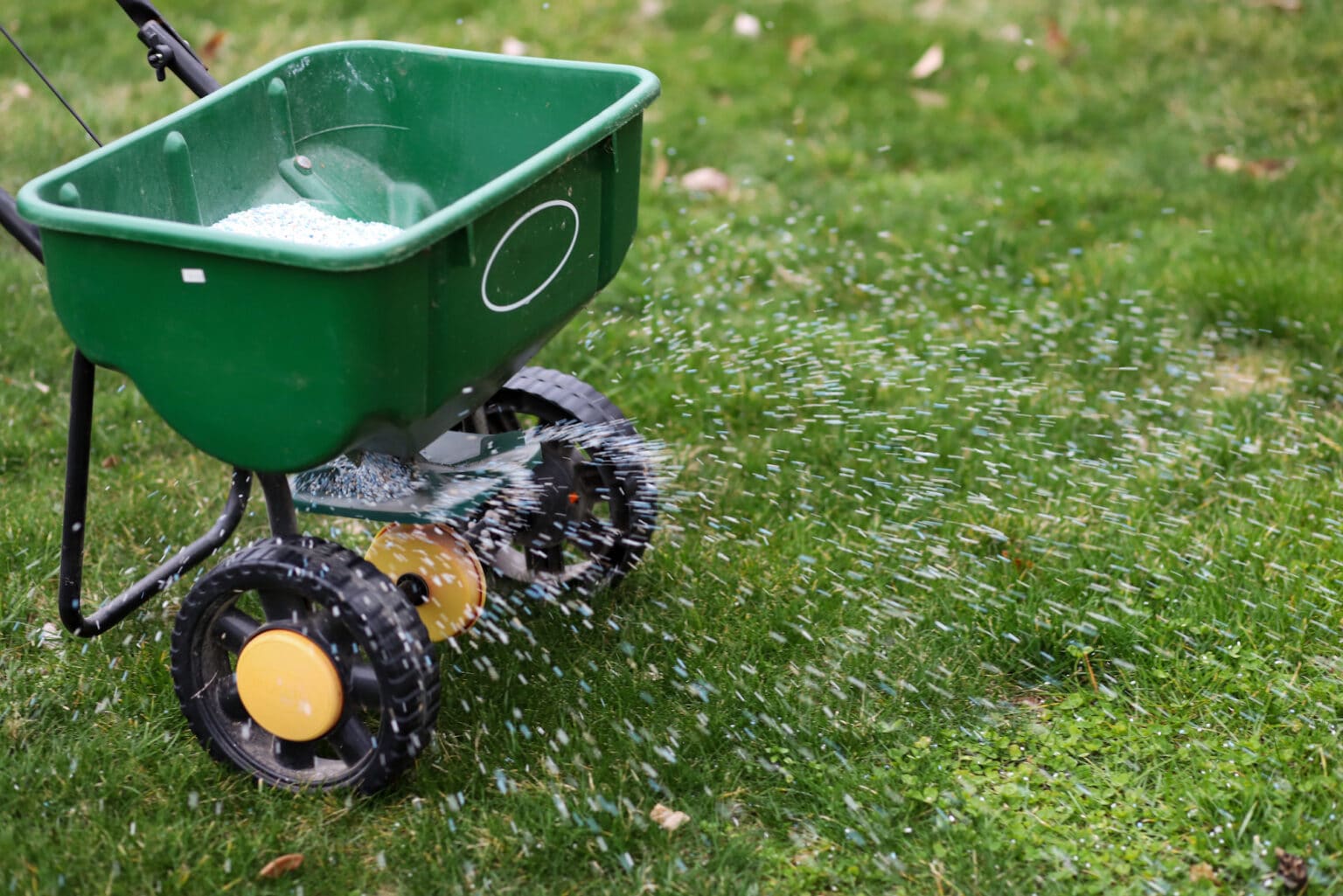
Applying fertilizer at the right time is crucial because it allows your lawn to absorb the necessary nutrients without burning or stressing the grass. Over-fertilization can lead to:
- Burned grass from excessive nitrogen
- Soil contamination and water pollution
- Damage to beneficial microorganisms in the soil
Understanding Your Lawn's Needs: Cool- and Warm-Season Grasses
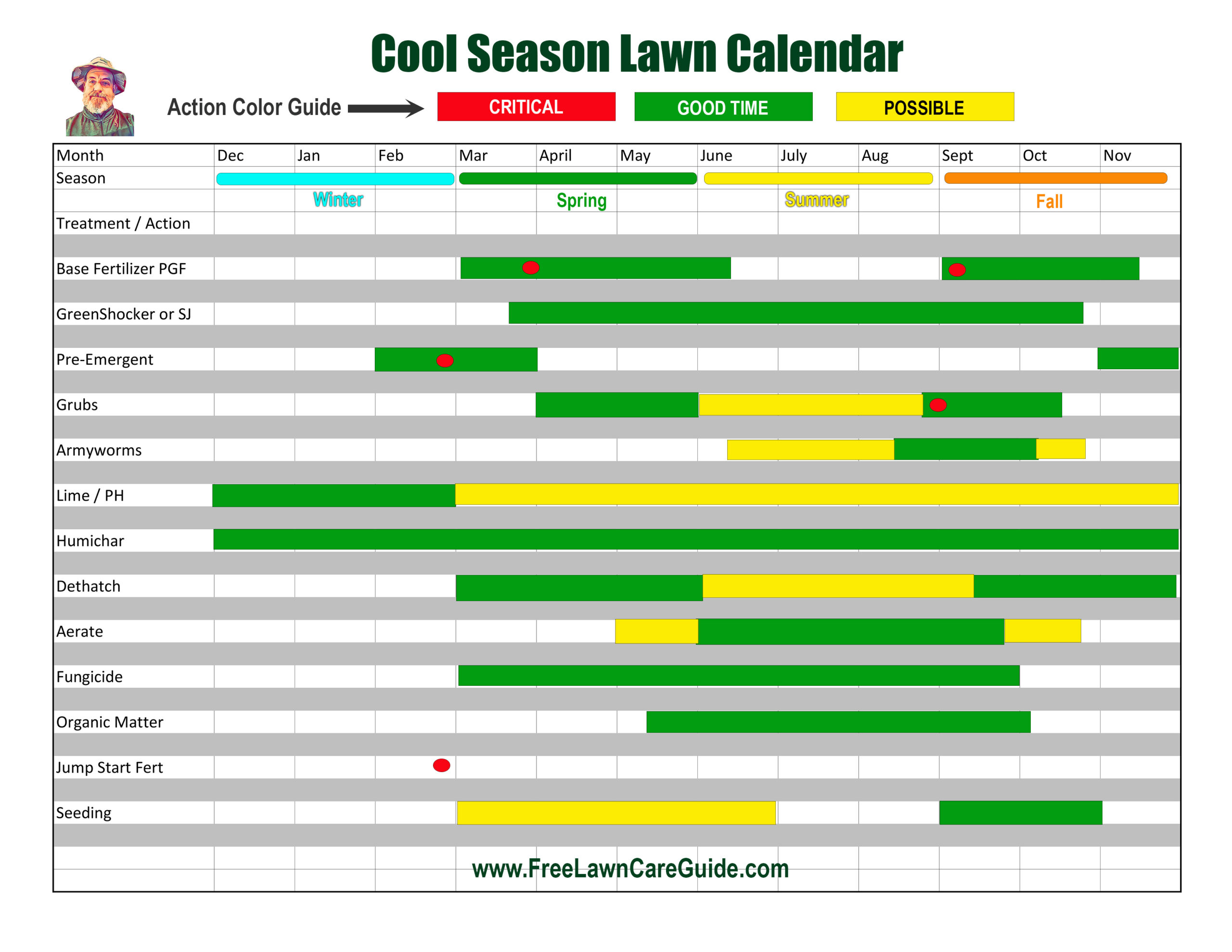
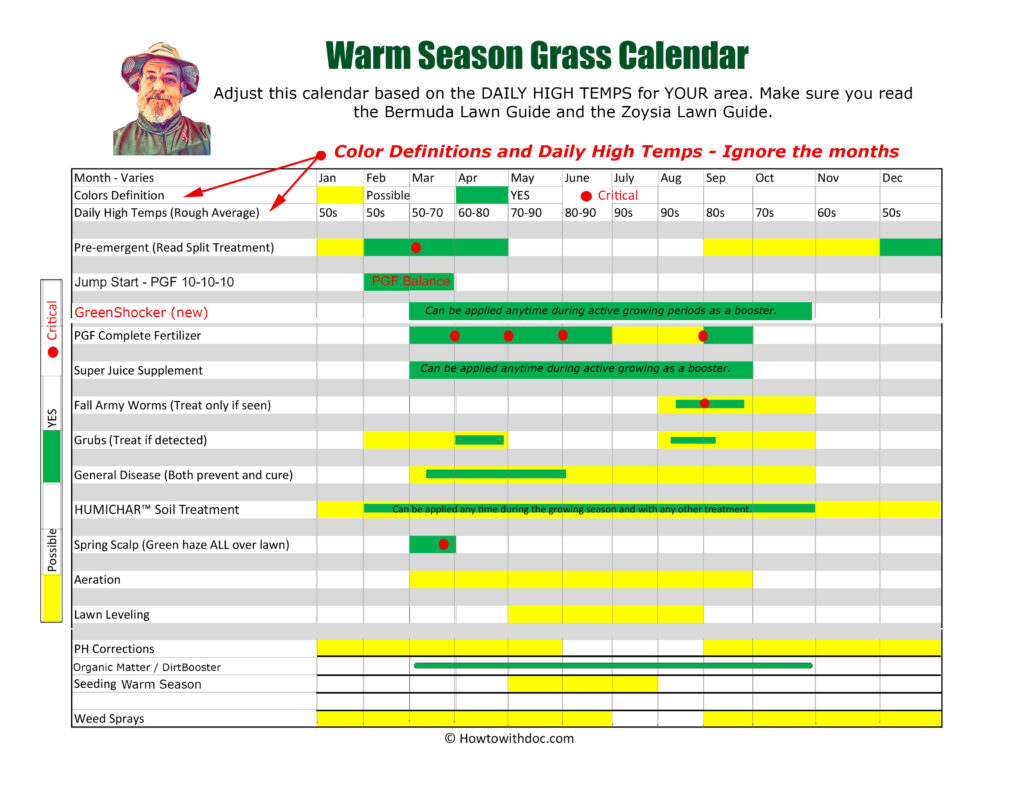
There are two primary types of grass: cool-season and warm-season. Cool-season grasses thrive in temperatures between 40°F and 75°F (4°C and 24°C) and include species like Kentucky Bluegrass, Fescue, and Ryegrass. Warm-season grasses prefer temperatures between 75°F and 95°F (24°C and 35°C) and include species like Bermuda Grass, Zoysia, and St. Augustine.