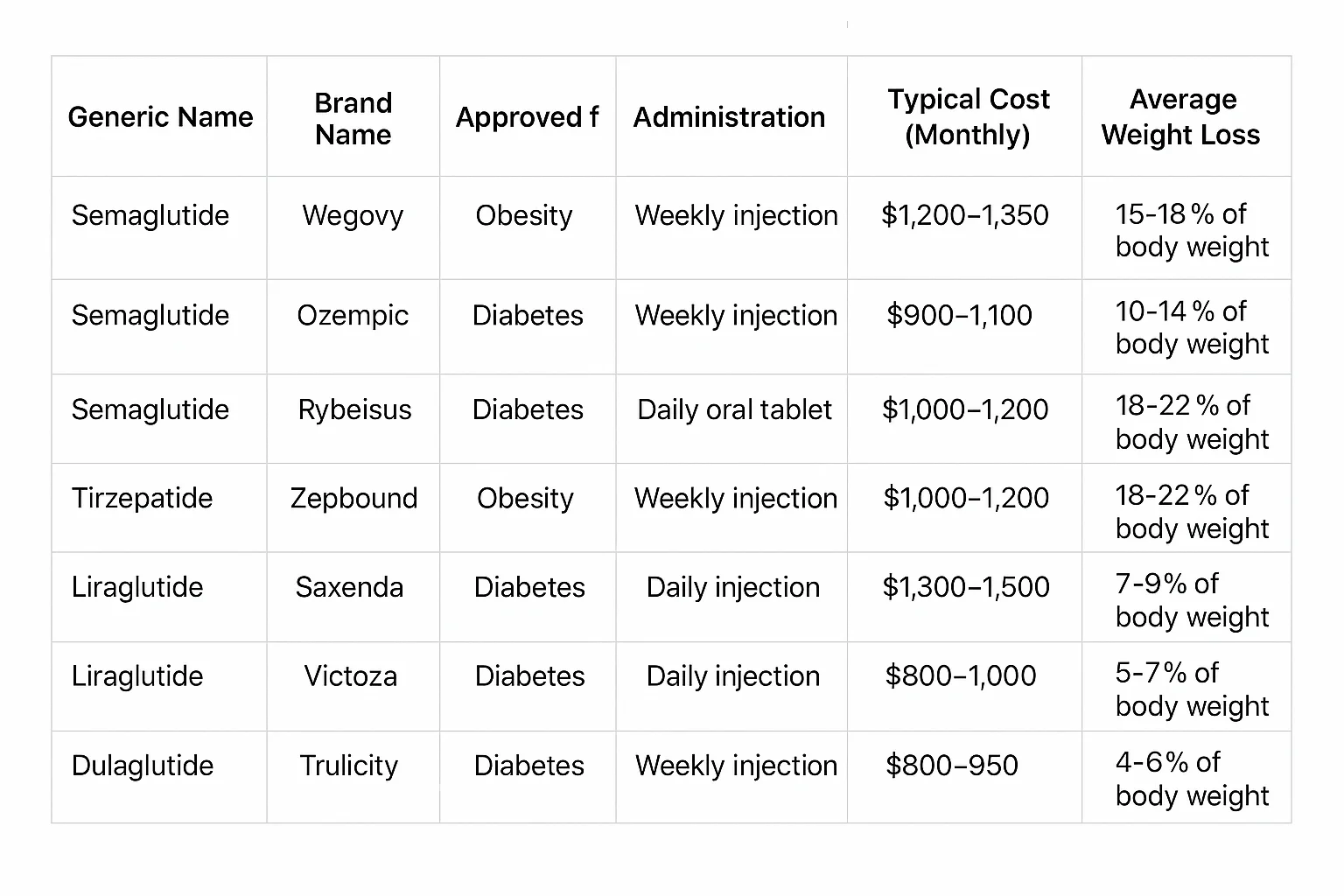
GLP-1 Medication for Weight Loss and Insulin Sensitivity: A Powerful Tool for a Healthier You
When it comes to managing weight and insulin sensitivity, there's a powerful new tool that's gaining attention: GLP-1 medication. For those struggling with weight loss, insulin resistance, or type 2 diabetes, GLP-1 medications have emerged as a highly effective solution. In this article, we'll delve into the world of GLP-1 medications, exploring their mechanisms, benefits, and potential drawbacks.
What are GLP-1 Medications?
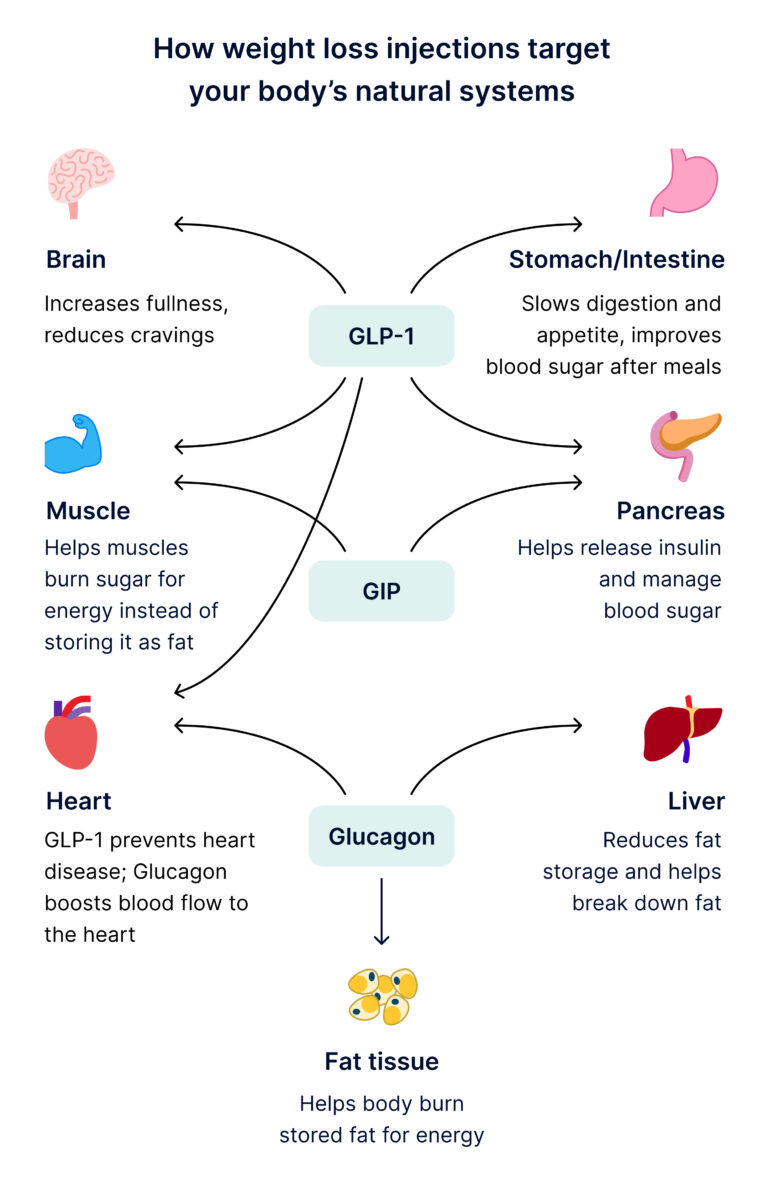
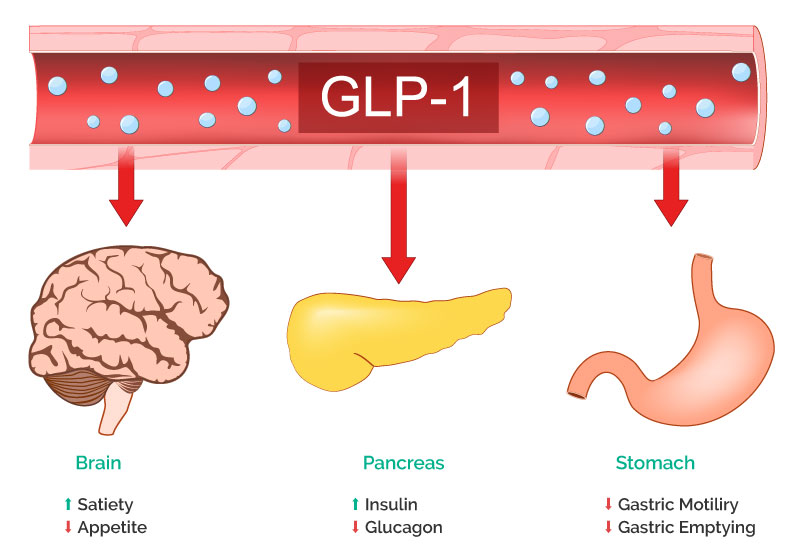
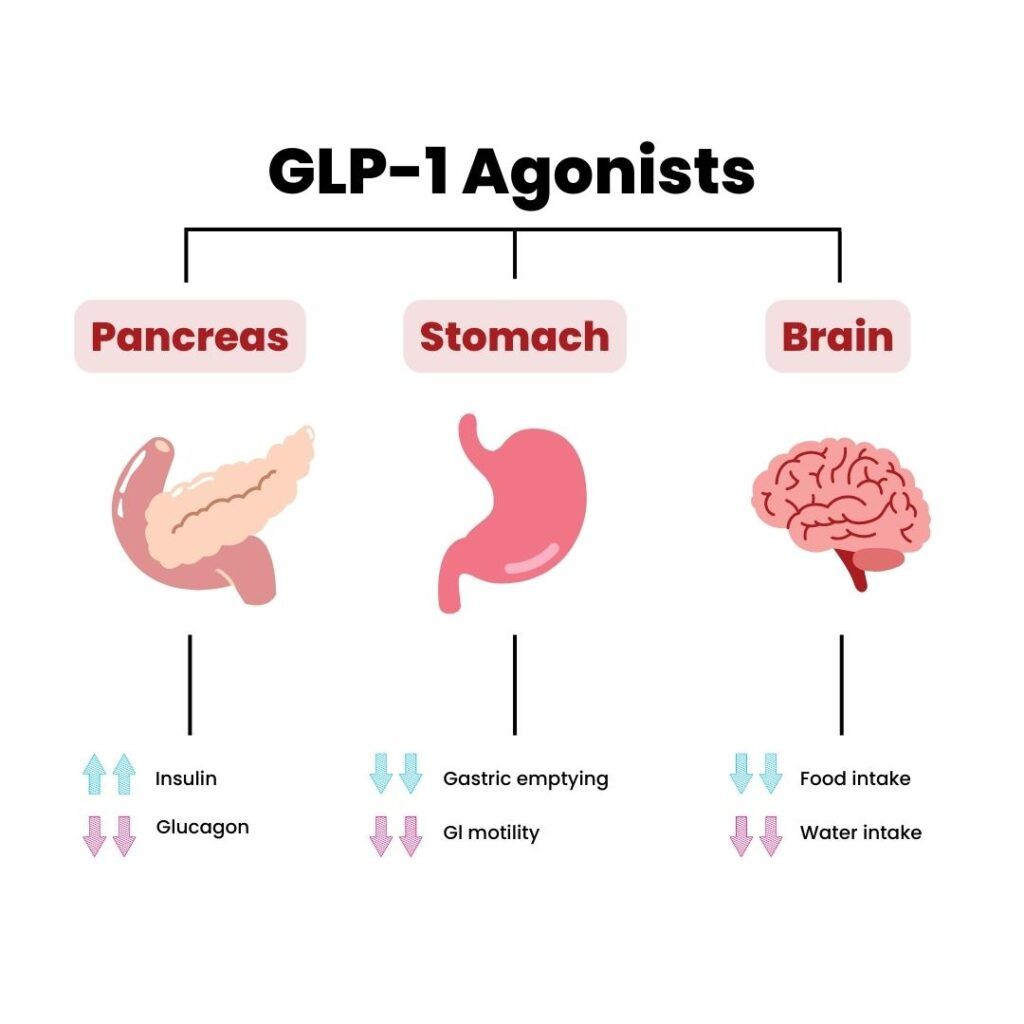
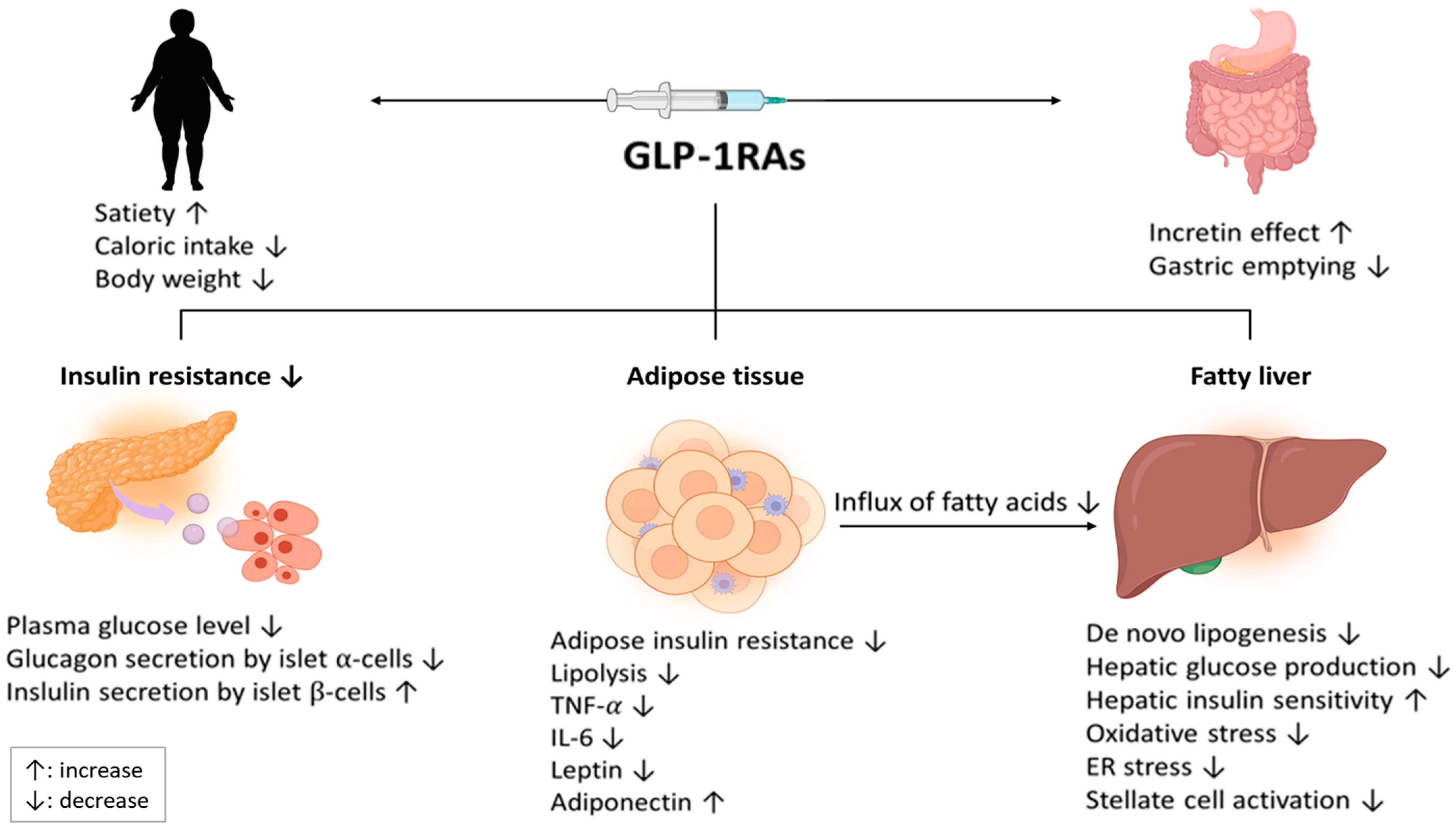
GLP-1, or glucagon-like peptide-1, is a hormone produced by the intestines in response to food intake. It plays a crucial role in glucose metabolism, appetite regulation, and weight management. GLP-1 medications are designed to mimic this hormone, enhancing glucose-dependent insulin secretion and reducing glucagon release, which ultimately leads to improved blood sugar control and weight loss.
How Do GLP-1 Medications Work?
The mechanisms behind GLP-1 medications are multifaceted:
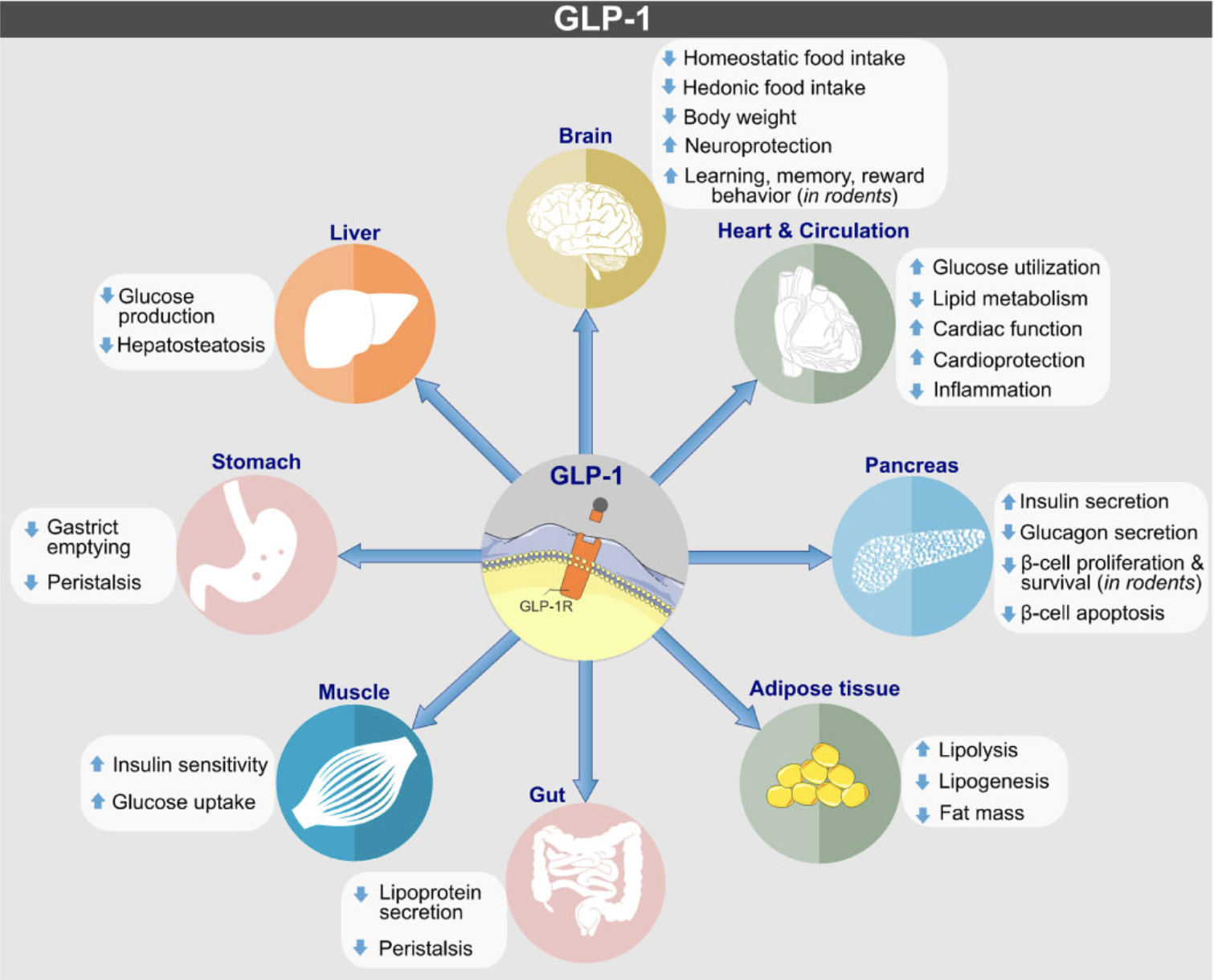
- Enhance glucose-dependent insulin secretion
- Suppress glucagon release
- Delay gastric emptying
- Increase satiety
- Improve insulinsensitivity
Benefits of GLP-1 Medications for Weight Loss and Insulin Sensitivity
The benefits of GLP-1 medications are numerous:
- Significant weight loss: Studies have shown that GLP-1 medications can result in an average weight loss of 10-15% of body weight over 68 weeks
- Improved insulin sensitivity: GLP-1 medications have been shown to enhance insulin sensitivity, reducing the risk of developing insulin resistance and type 2 diabetes
- Reduced risk of cardiovascular events: By improving insulin sensitivity and weight management, GLP-1 medications may also lower the risk of cardiovascular events, such as heart attacks and strokes
- Improved blood sugar control: GLP-1 medications have been shown to reduce HbA1c levels, a measure of blood sugar control