Unlocking the Power of GLP-1 and Glucose Metabolism for Improved Calorie Regulation
Glucagon-like peptide-1 (GLP-1) is a fascinating hormone that plays a critical role in glucose metabolism, calorie regulation, and overall health. In this article, we'll delve into the world of GLP-1, its effects on insulin sensitivity, appetite regulation, and calorie burning, and explore the latest research on how to harness its power for improved weight management and metabolic health.
The Biology of GLP-1 and Glucose Metabolism
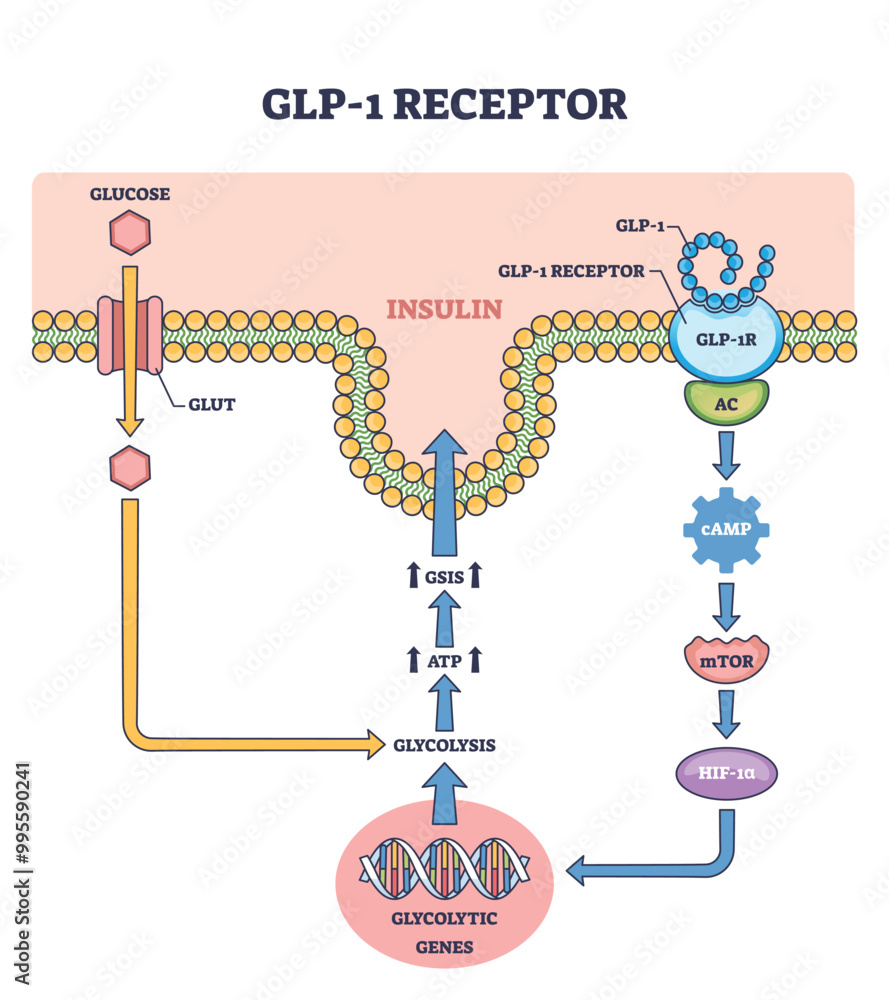
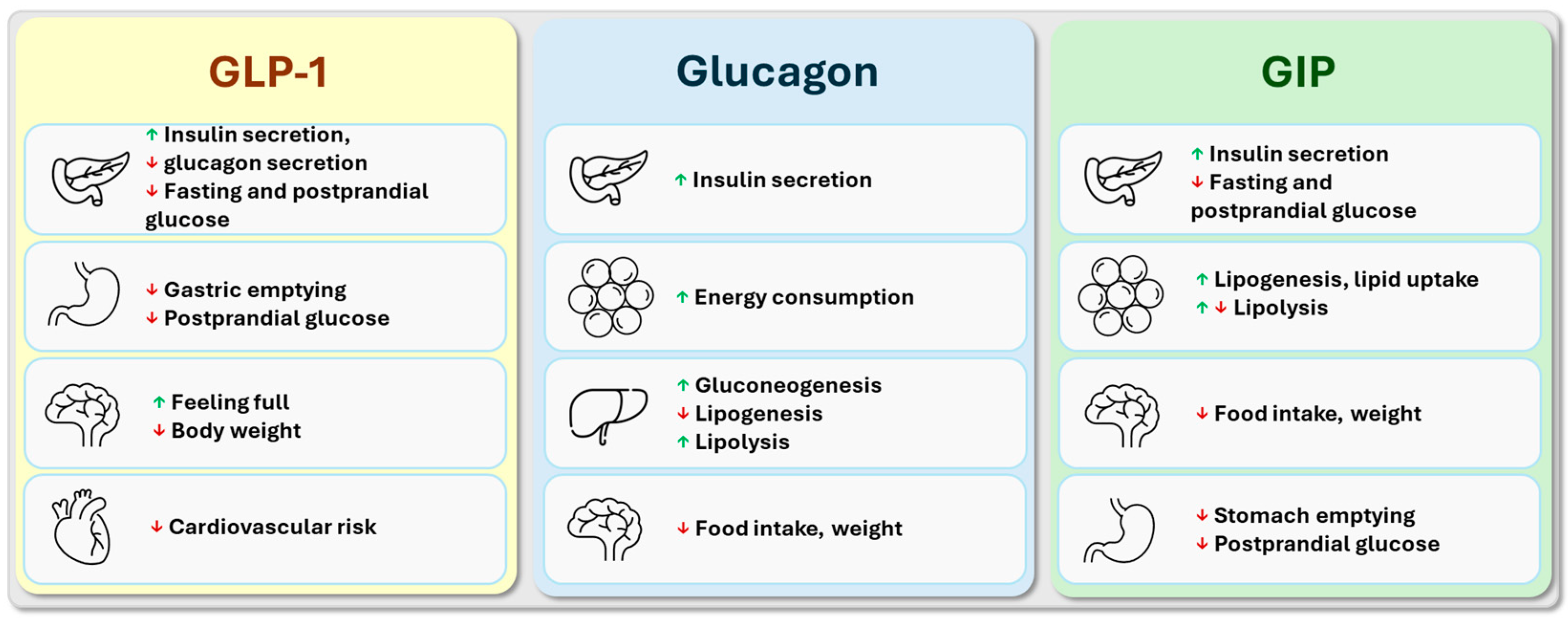
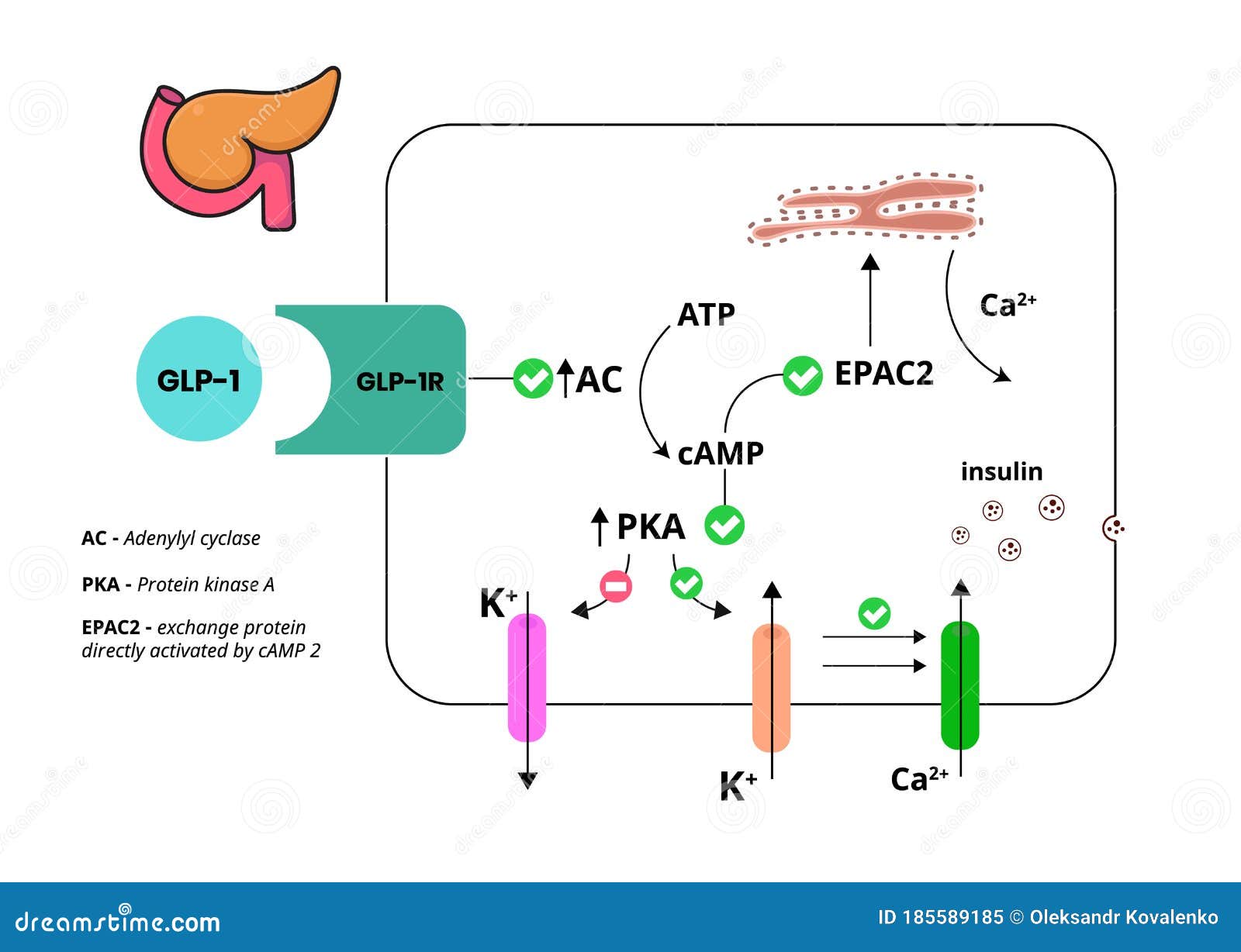
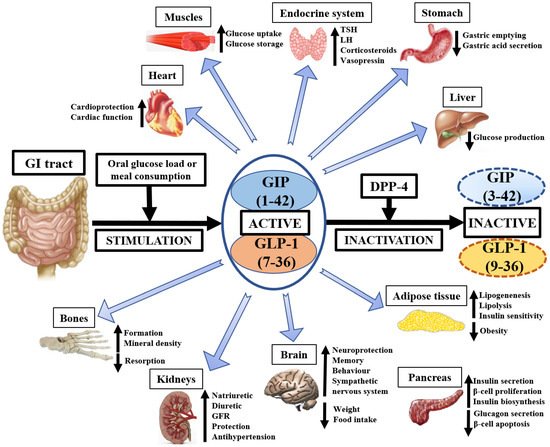
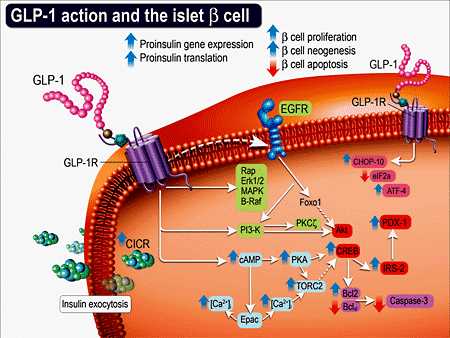
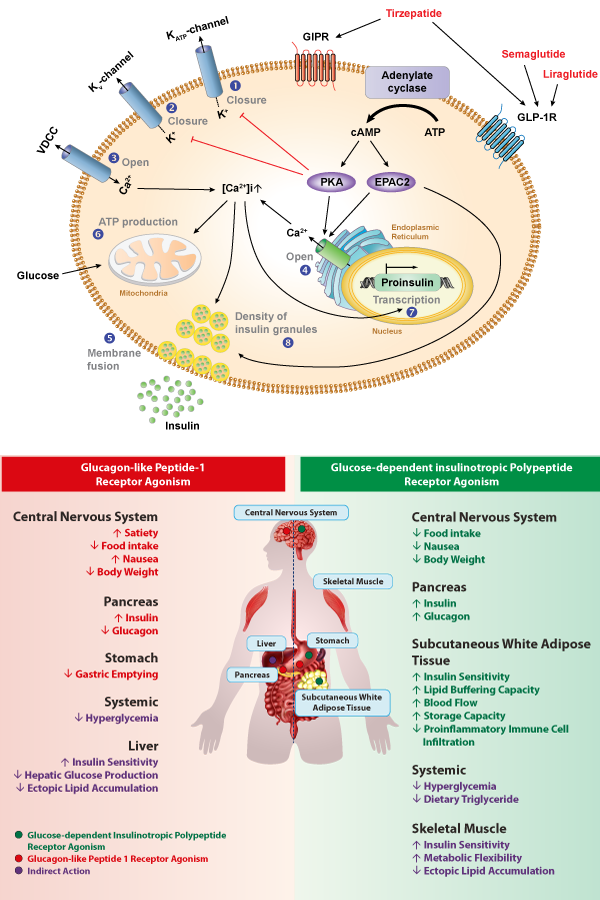
GLP-1 is an incretin hormone produced in the intestines after we eat. Its primary function is to stimulate insulin production, lower blood sugar levels, and inhibit glucagon release, which prevents the liver from releasing excess glucose into the bloodstream. When GLP-1 binds to its receptors, it triggers a cascade of events that improve insulin sensitivity, reduce appetite signals, and slow gastric emptying. This results in reduced caloric intake and improved metabolic regulation.

GLP-1 and Appetite Regulation
One of the key benefits of GLP-1 is its ability to regulate appetite and satiety. When GLP-1 is activated, it sends signals to the brain that reduce hunger and increase feelings of fullness, making it an effective hunger suppressant. This is particularly useful for individuals struggling with binge eating or overeating, as GLP-1 helps regulate their appetite and reduce calorie intake.