Digital Signature Authentication: A Secure Gateway to Electronic Transactions
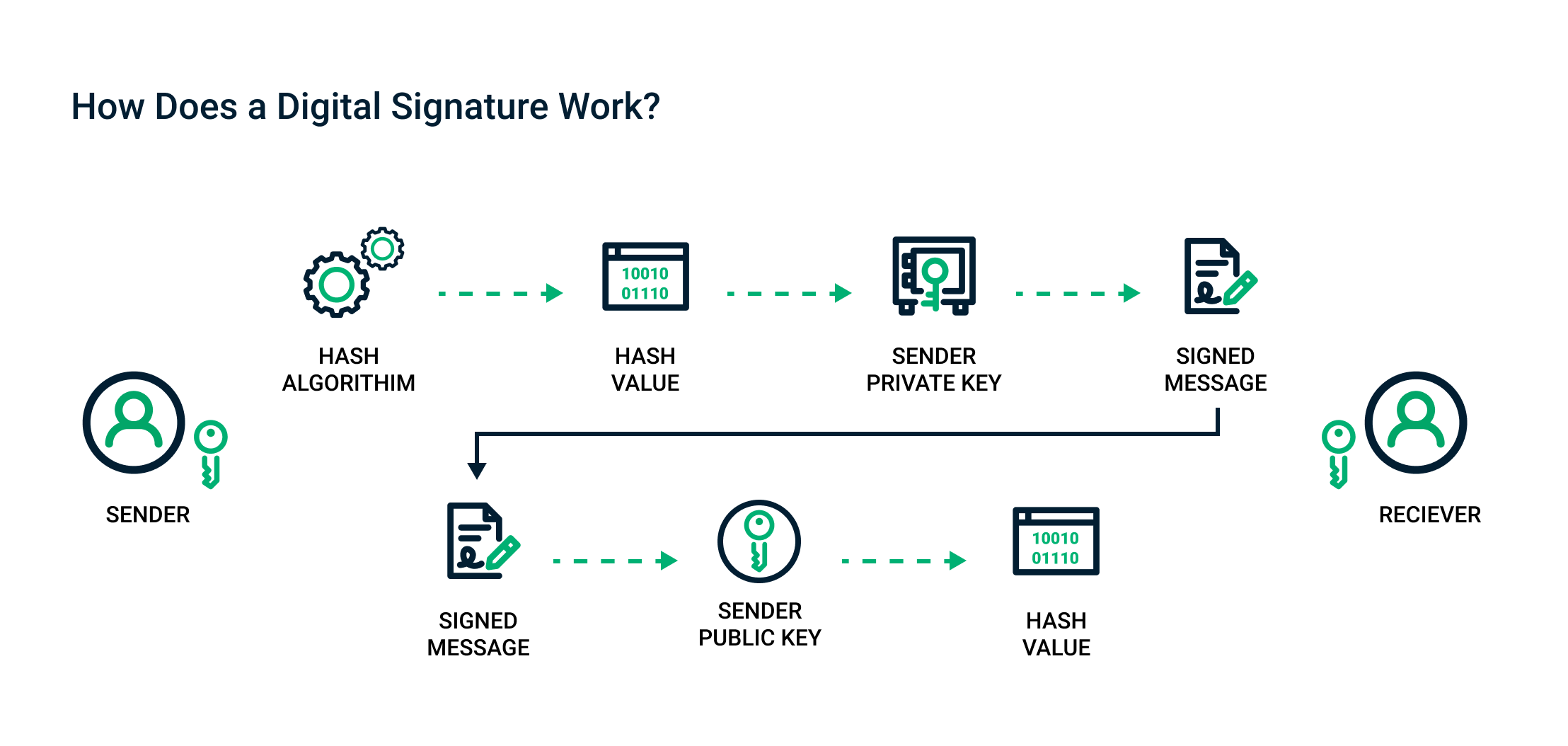
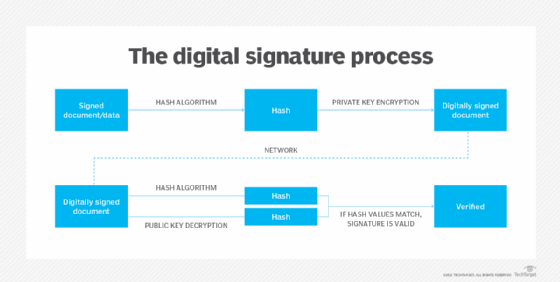
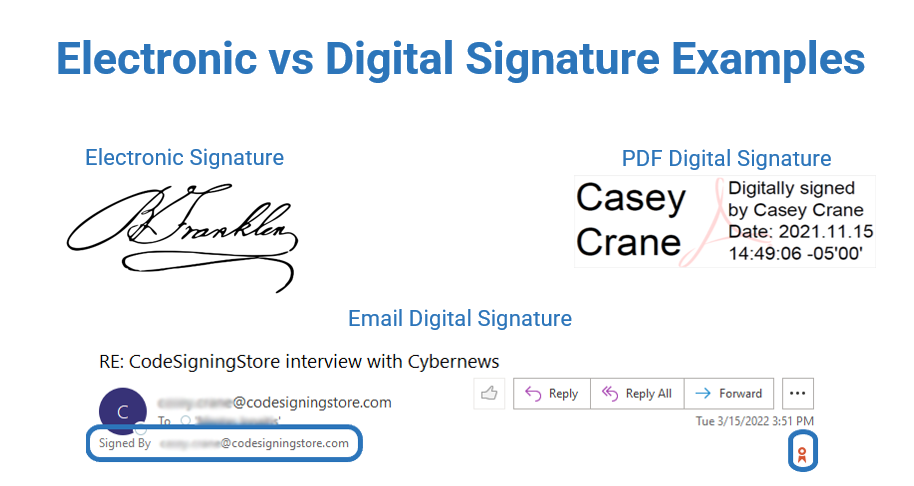
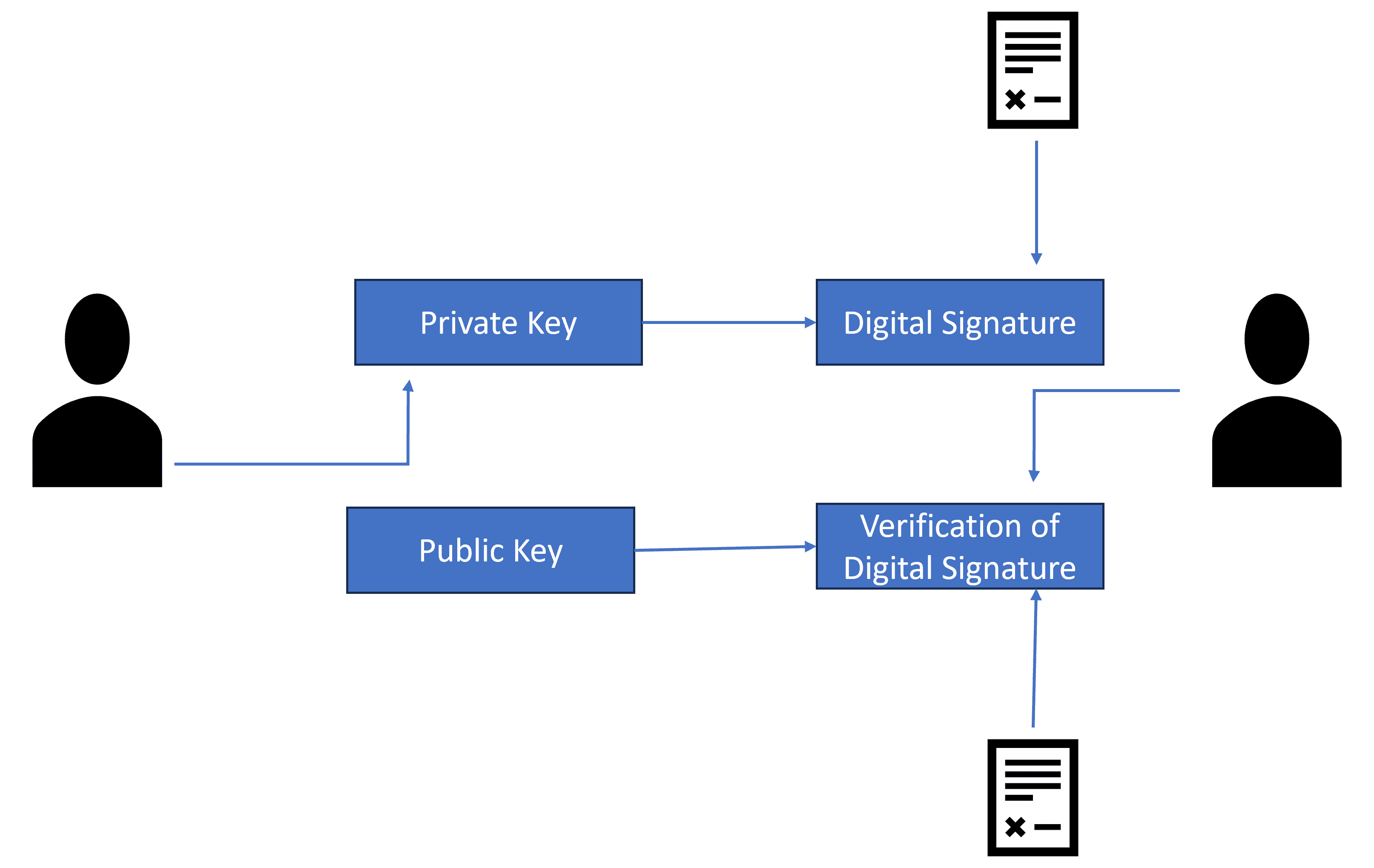
Adigitalsignatureis a type of electronic signature, a digital, encrypted stamp of authentication on digital information such as email messages, macros, or electronic documents. It confirms that the information originated from the signer and has not been altered.
The Importance of Digital Signature Authentication
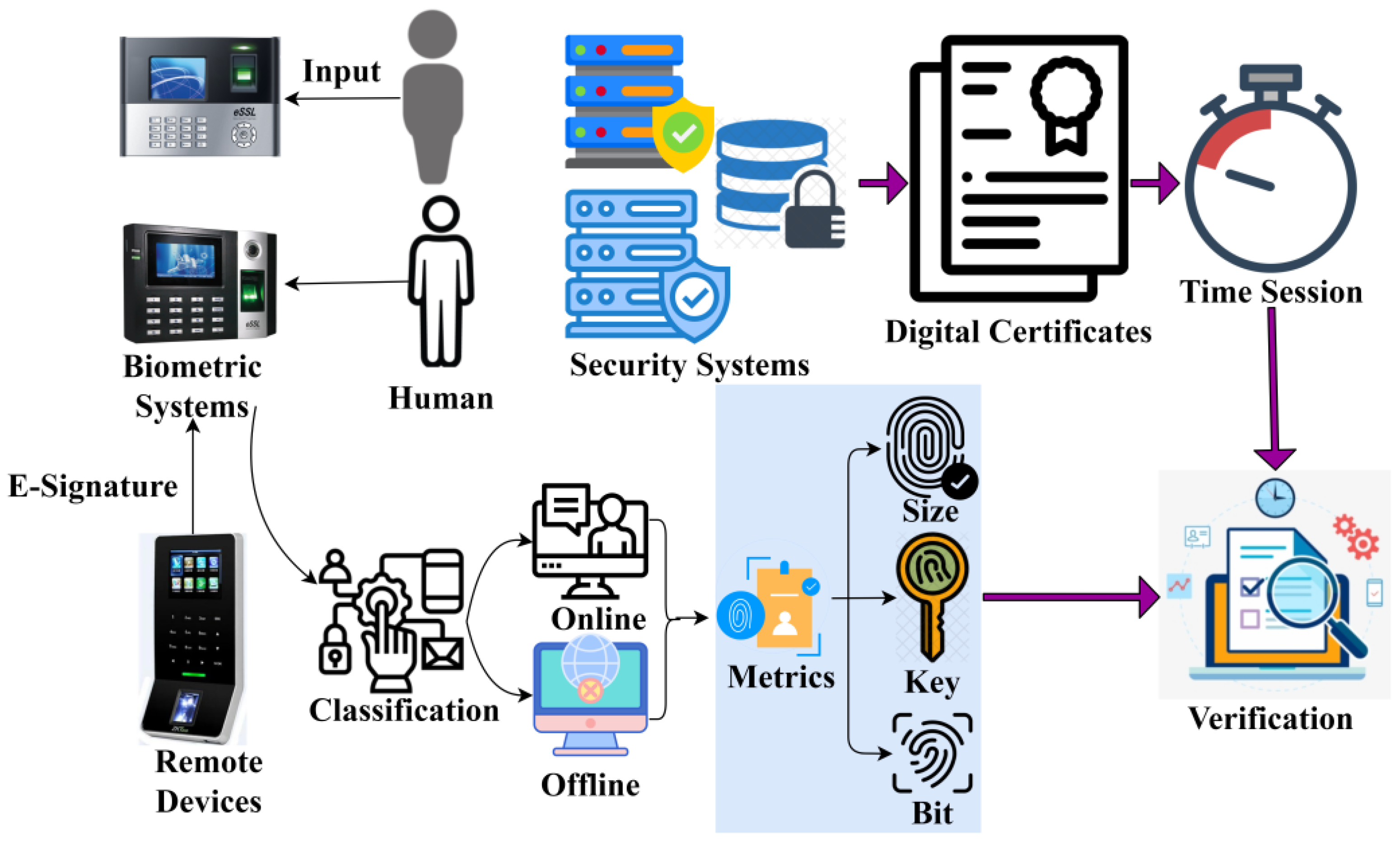
As digital data and transactions continue to grow in the business world, the need for secure and authentic digital signatures becomes increasingly vital. Digital signature authentication ensures that the sender's identity, document integrity, and non-repudiation are maintained, making it a crucial tool for electronic communication.
Benefits of Digital Signature Authentication

- Verification and Validation:** Ensures that the sender's identity is genuine and the document has not been tampered with or altered.
- Security and Confidentiality:** Digitally signed documents can be encrypted, protecting sensitive information and preventing unauthorized access.
- Non-Repudiation:** Prevents the sender from denying their signature or any changes made to the document.
- Legitimate and Trustworthy:** Legally recognized as an official and authentic signature, accepted by various courts, organizations, and governments worldwide.
Cryptography and Mathematical Algorithms
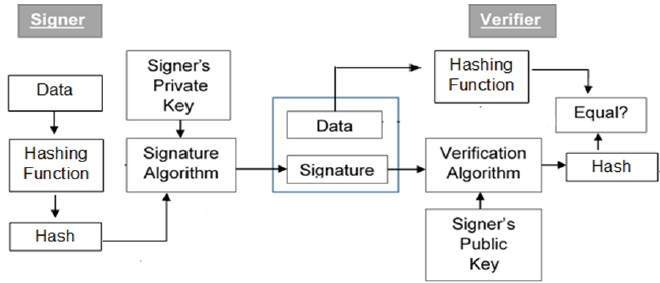
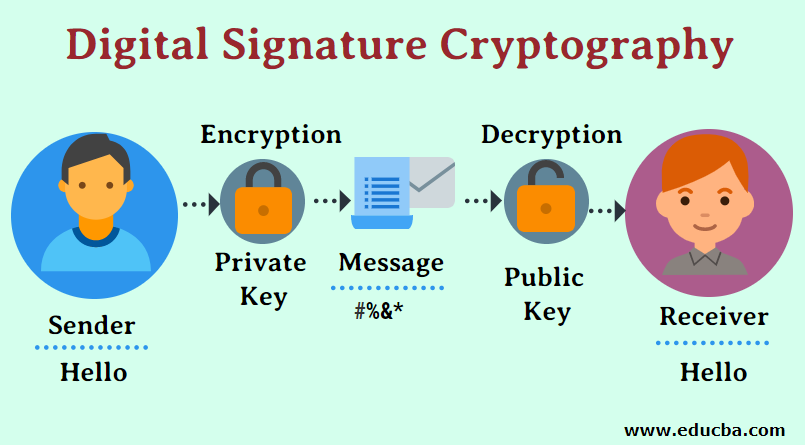
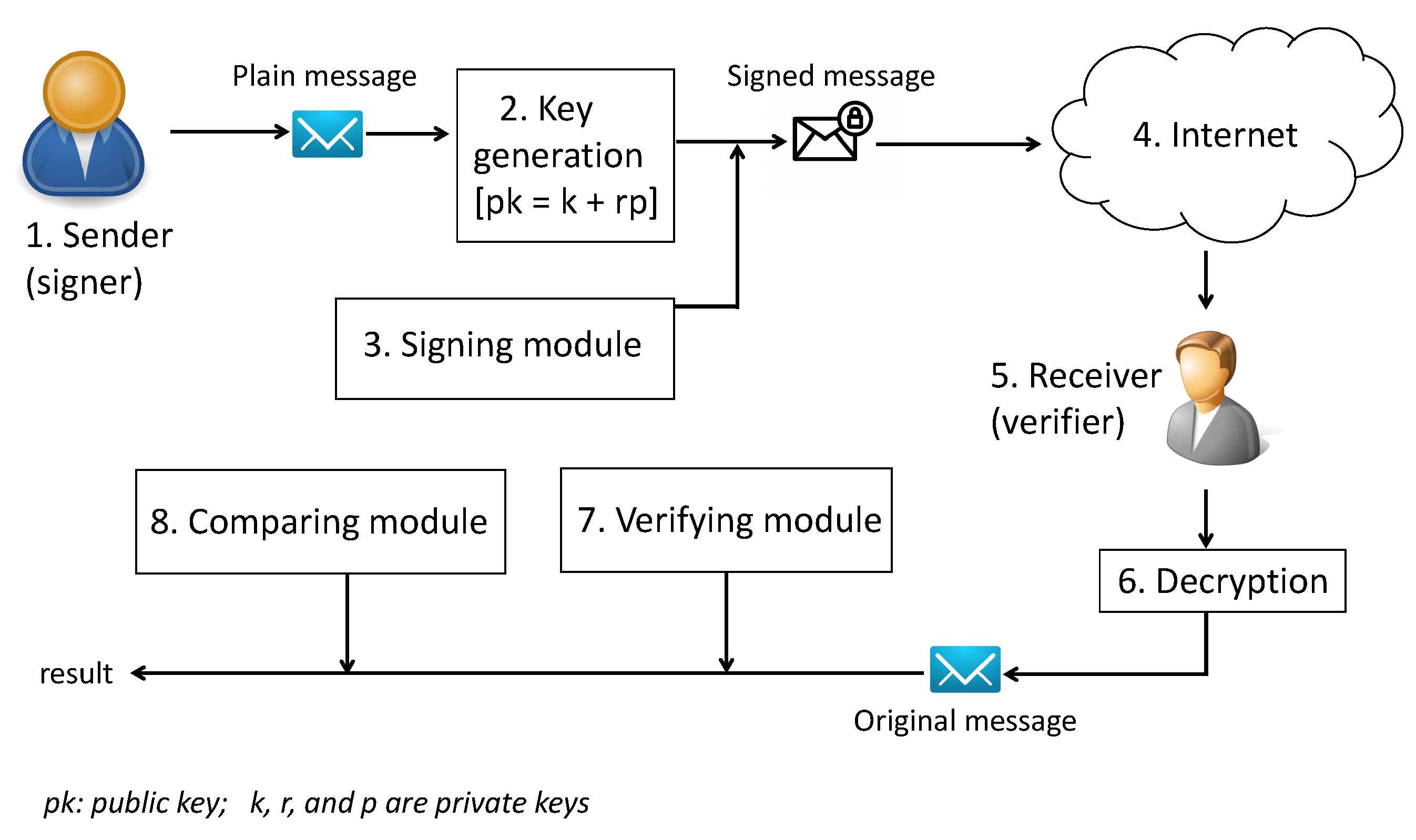
Digitalsignaturesuse cryptographic and mathematical algorithms to generate their digital signature. Each signature is created uniquely for each signer and is stored on a secure digital certificate. This ensures that the authenticity of the digital signature is preserved.