Unlock the Full Potential of GLP 1 and Time-Restricted Eating for Weight Loss
Weight loss has been a long-standing challenge for many individuals, with numerous diets and medications promising miraculous results. However, the recent emergence of GLP 1 and time-restricted eating has revolutionized the approach to weight loss, providing promising outcomes and a more sustainable solution. In this article, we will delve into the world of GLP 1 and time-restricted eating, exploring their synergistic effects and how they can be leveraged for optimal weight loss results.
What is GLP 1 and Time-Restricted Eating?
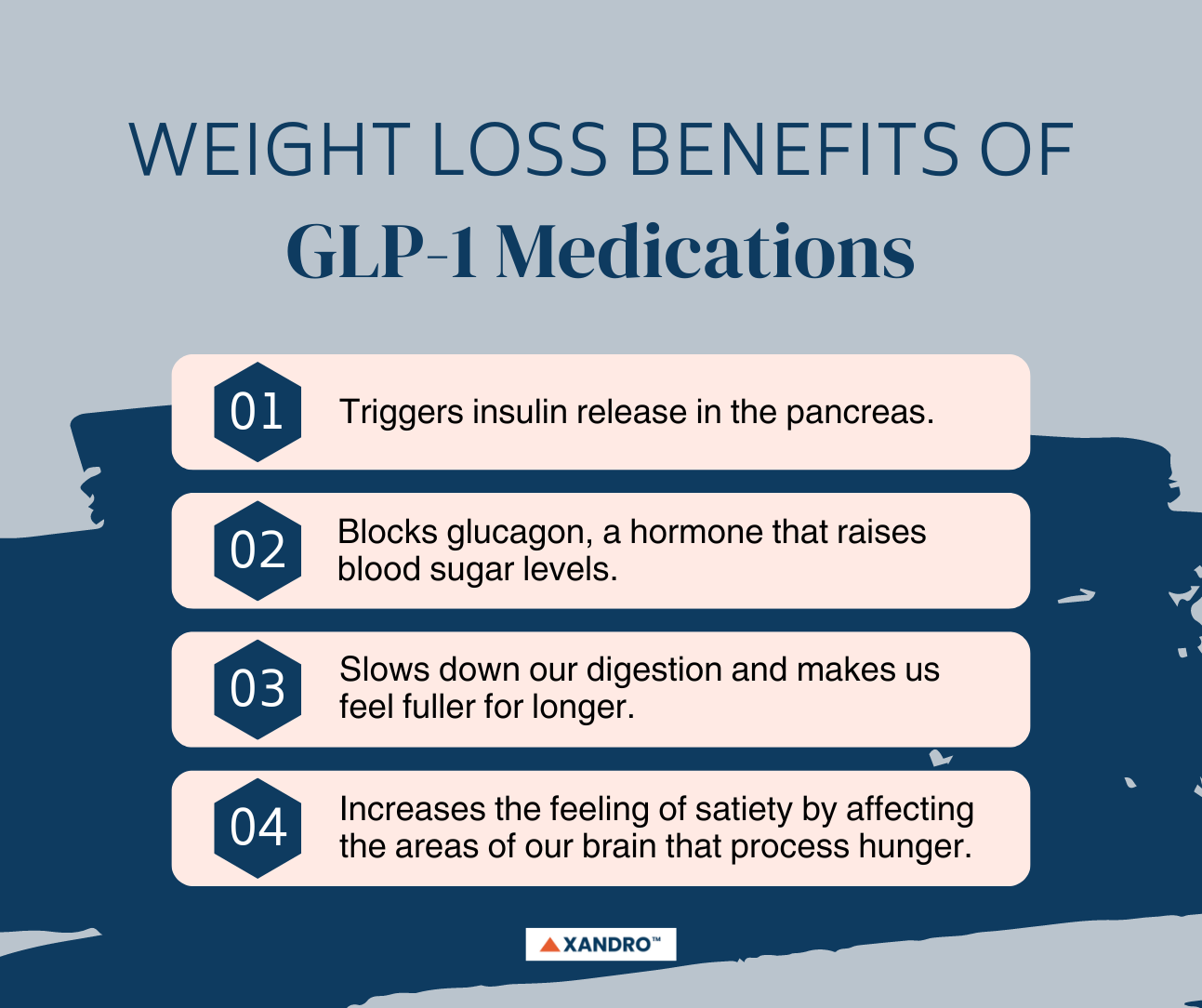
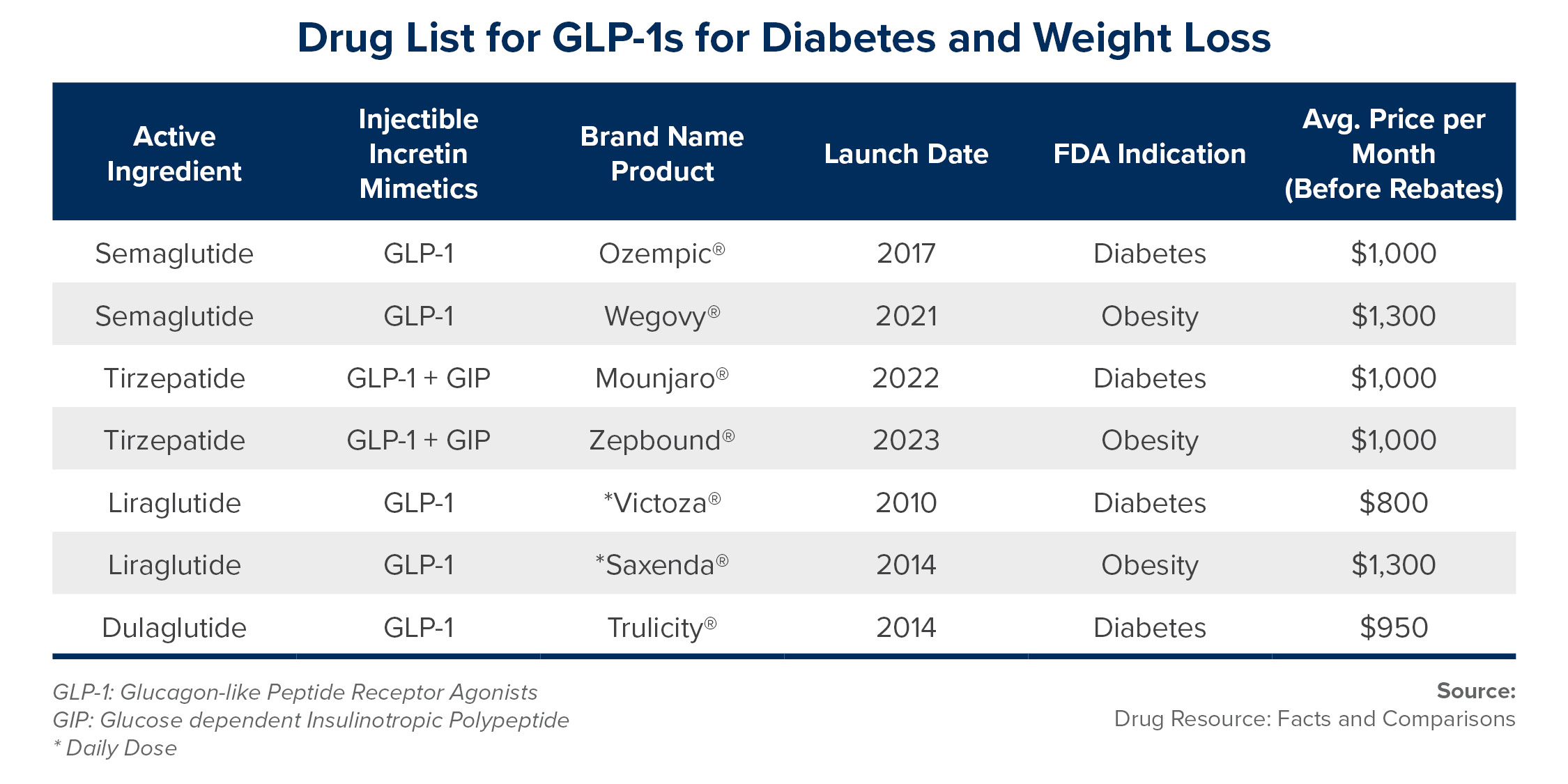
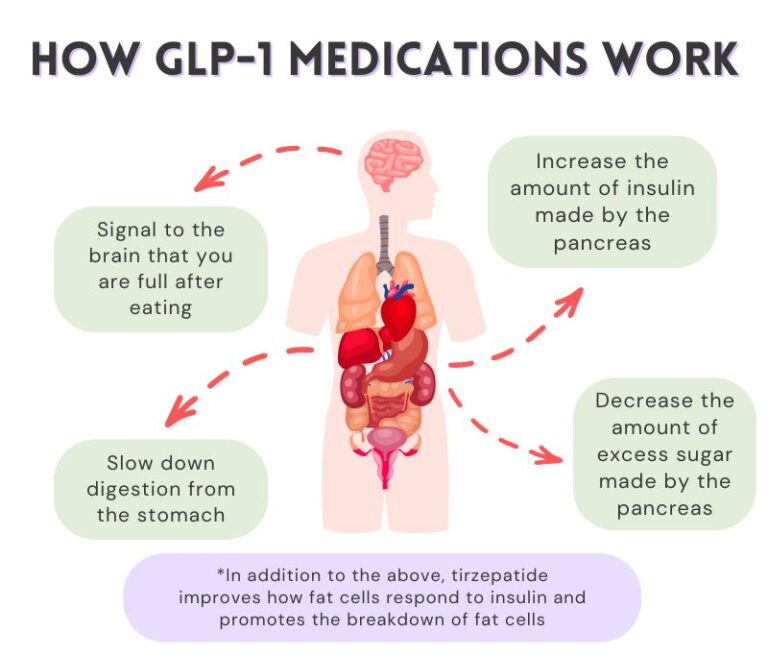
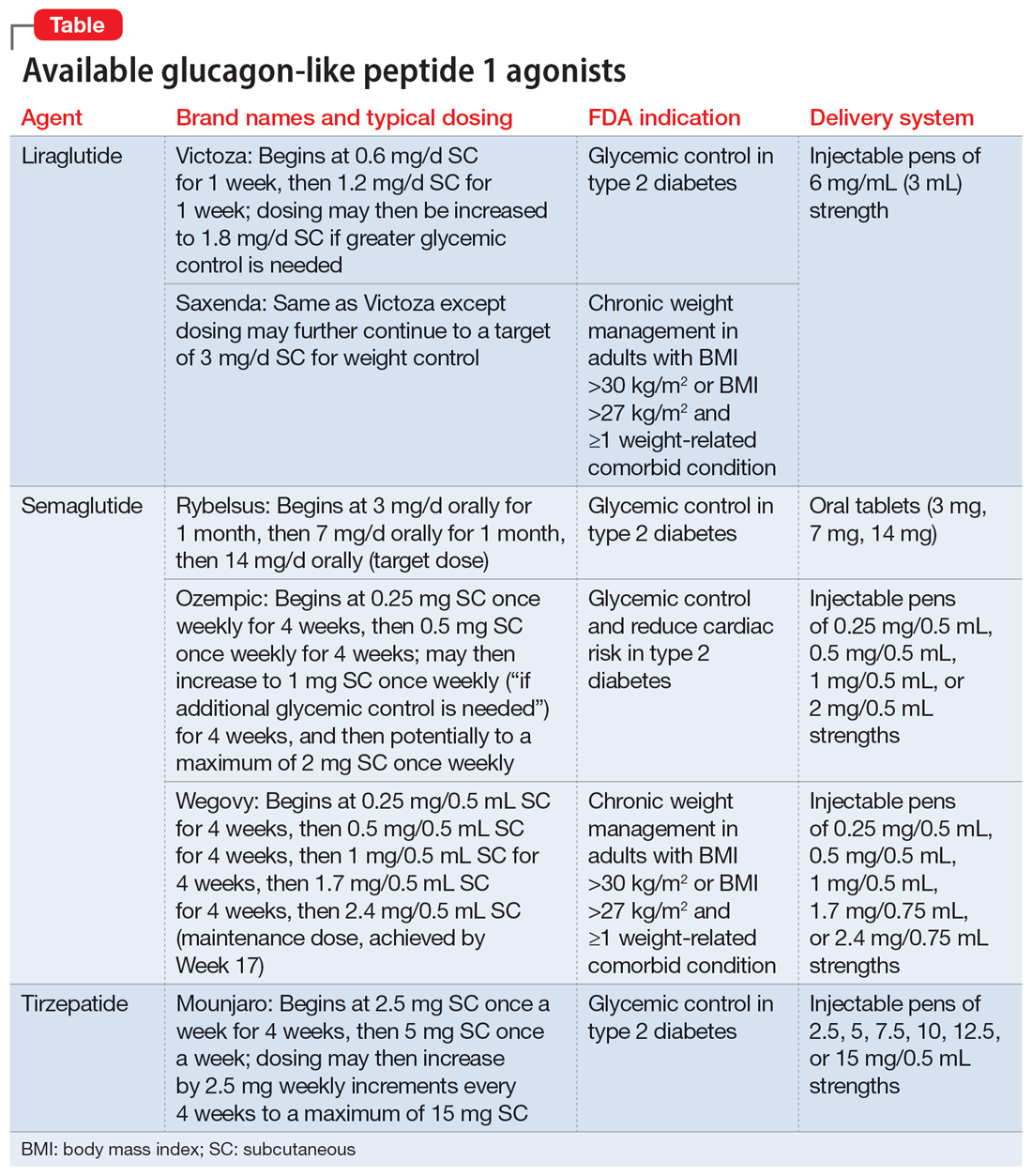
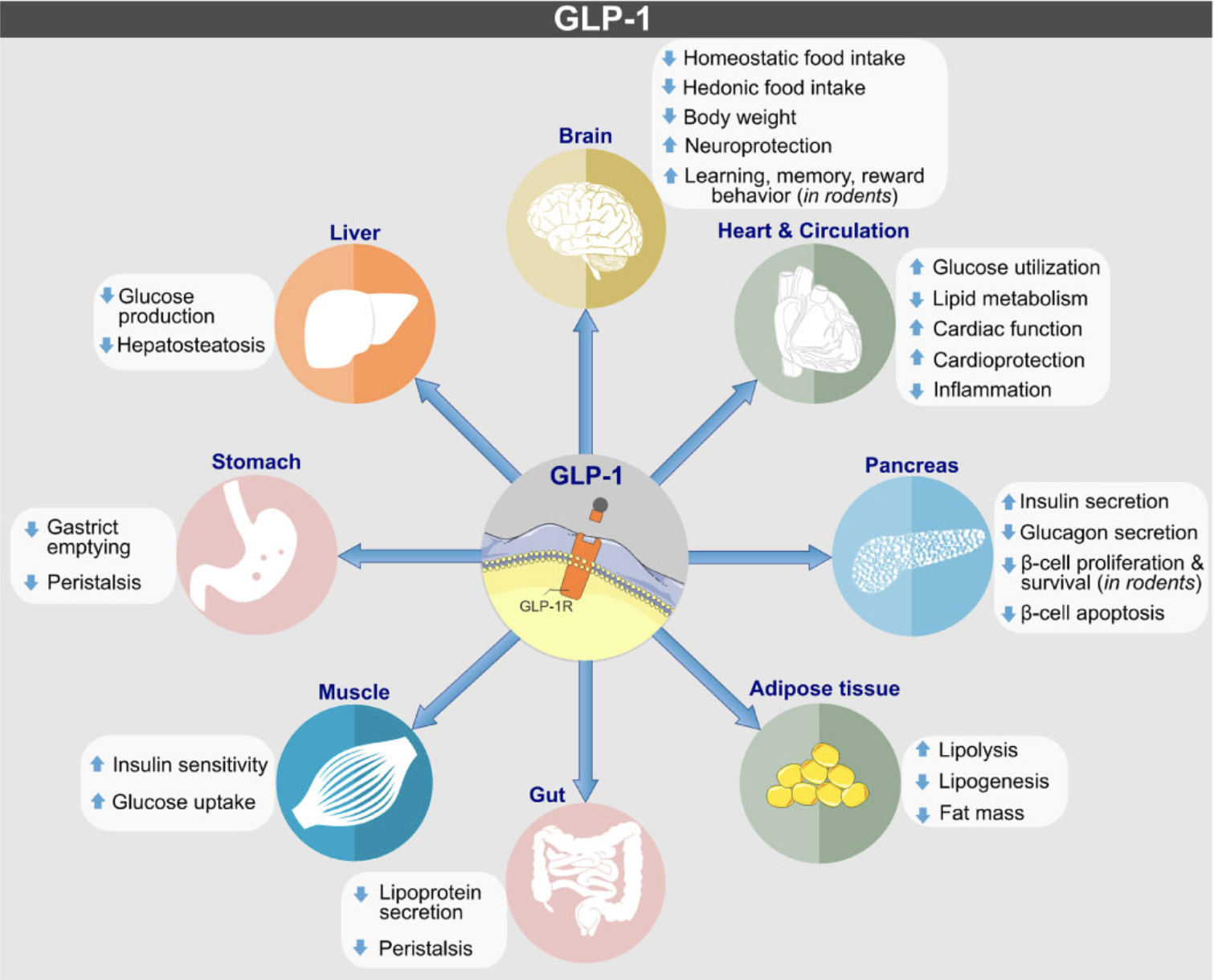
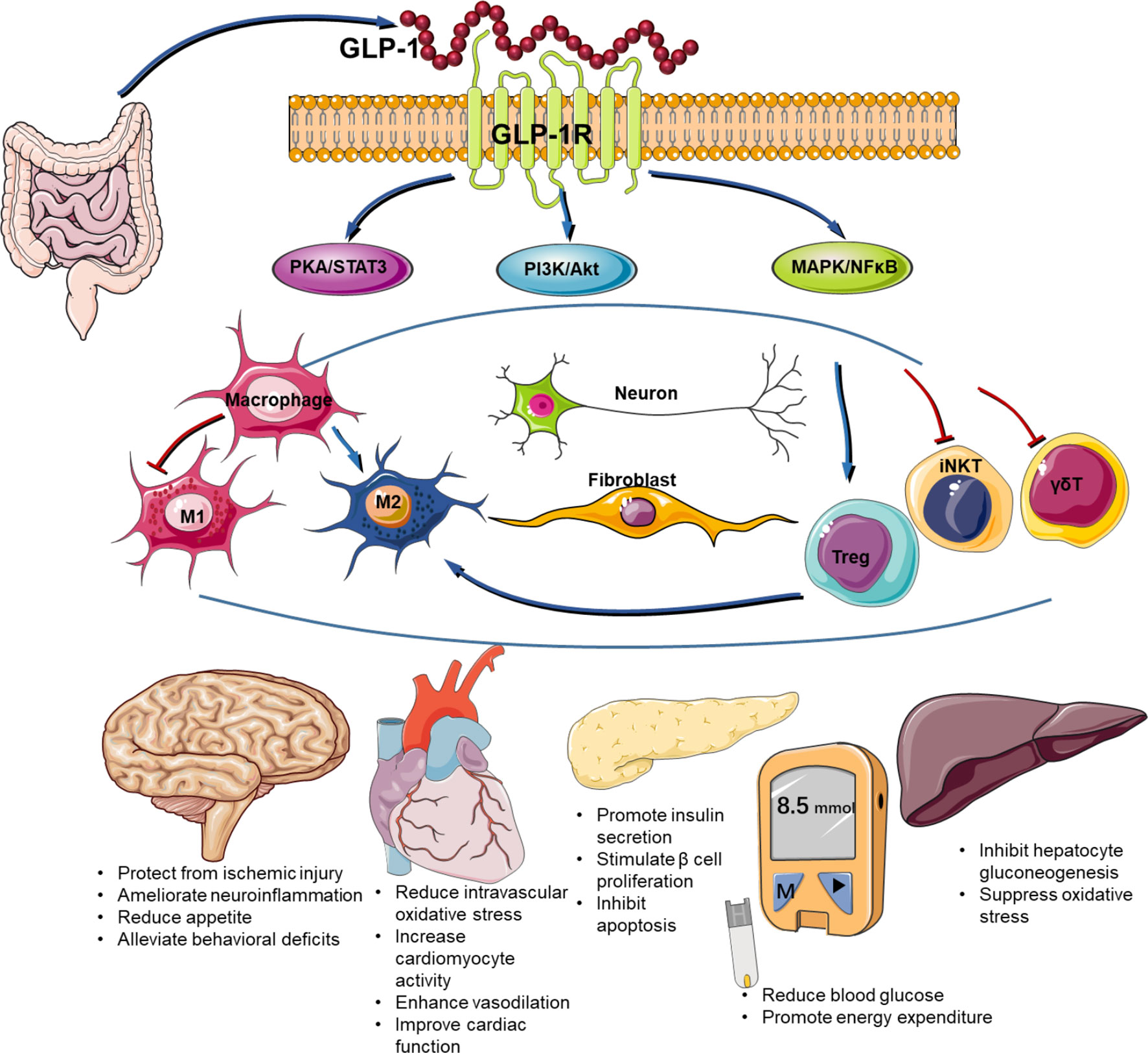
GLP 1, or glucagon-like peptide-1, is a naturally occurring hormone produced by the gut after eating. It signals the pancreas to release insulin, slows down glucose production in the liver, and communicates satiety signals to the brain, making us feel fuller faster. By mimicking this hormone, GLP 1 receptor agonists such as semaglutide and tirzepatide have helped millions achieve dramatic weight loss results.

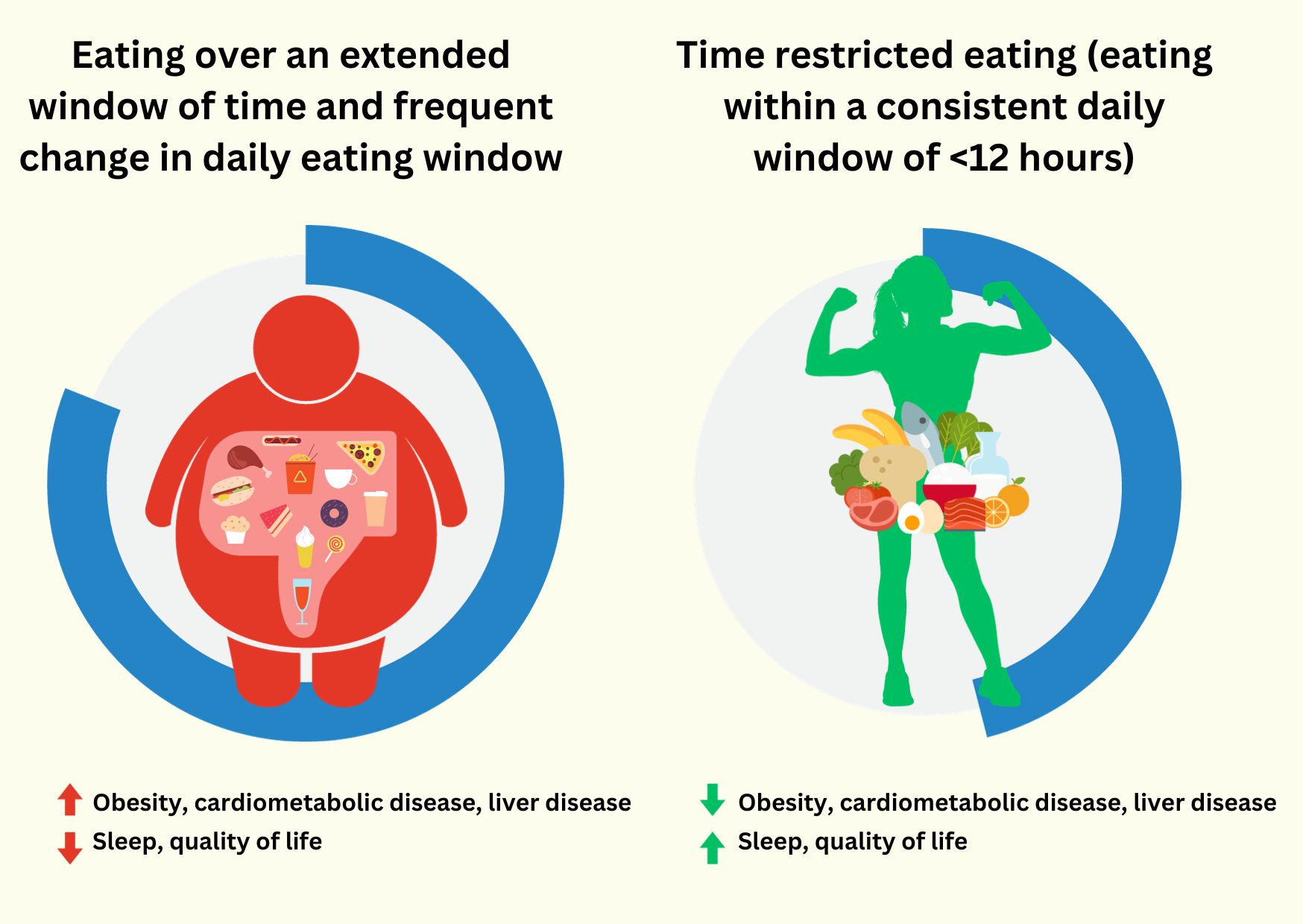
Time-restricted eating, also known as intermittent fasting, involves restricting eating to certain periods of the day or week, allowing the body to enter a fasting state. This eating pattern has been shown to improve insulin sensitivity, promote weight loss, and reduce inflammation.