Resin for 3D Printing of Medical Devices
Feb 27, 2025 In recent years, 3D printing has revolutionized various industries, particularly in the medical field. The demand for customized and precise medical devices has led to the development of medical-grade resins. These specialized materials are designed to meet rigorous biocompatibility standards and provide essential properties required for medical applications.
This article will explore five of the most prominent medical-grade resins used in 3D printing, their unique properties, and their applications in the medical field.
Introduction to Medical-Grade Biocompatible Resins for 3D Printing
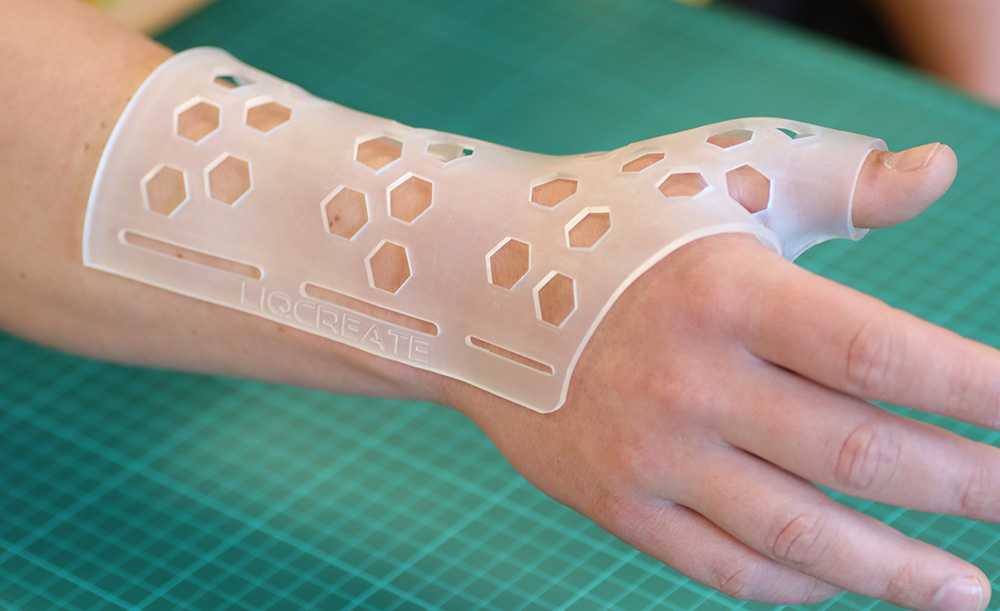
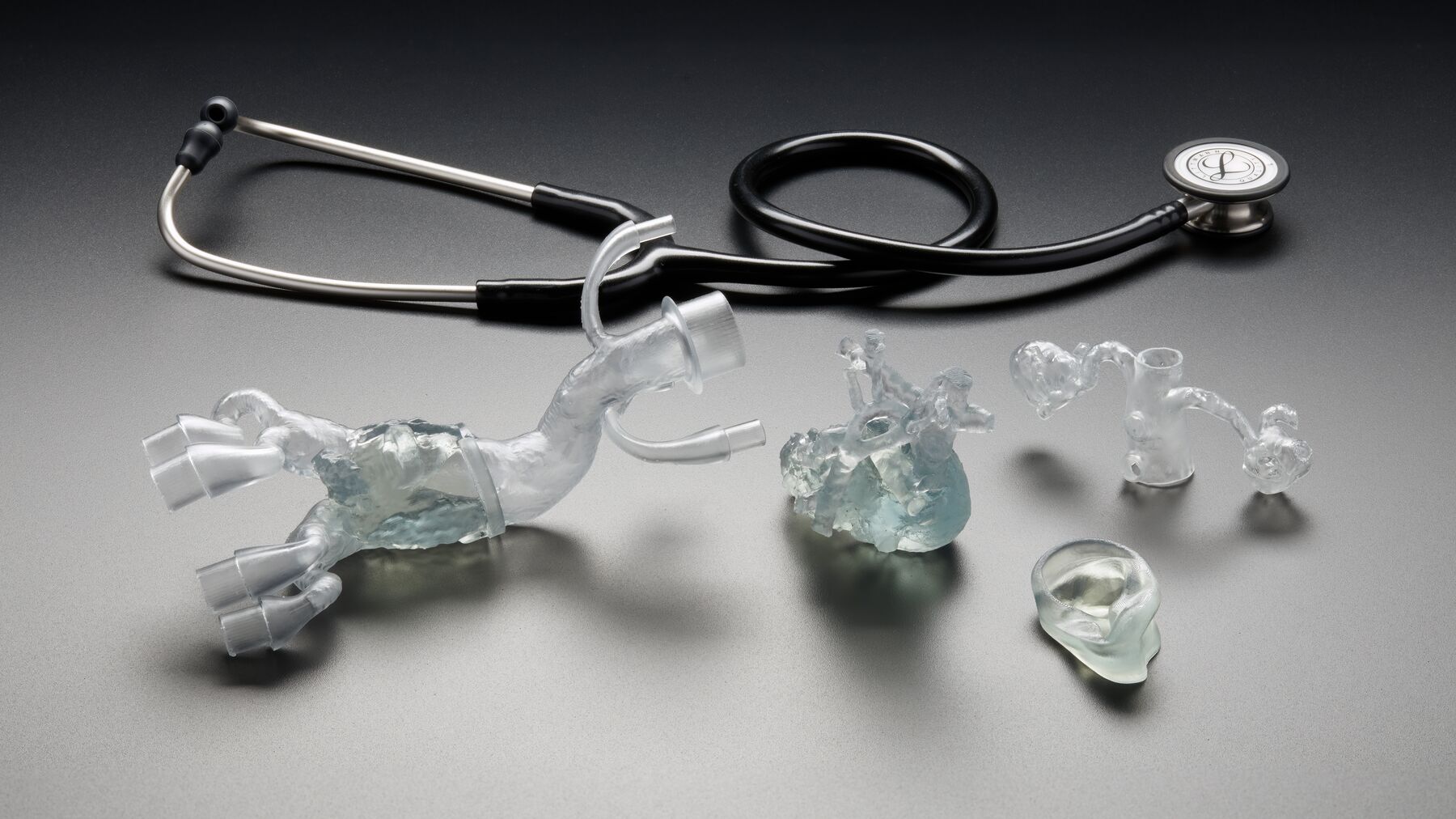
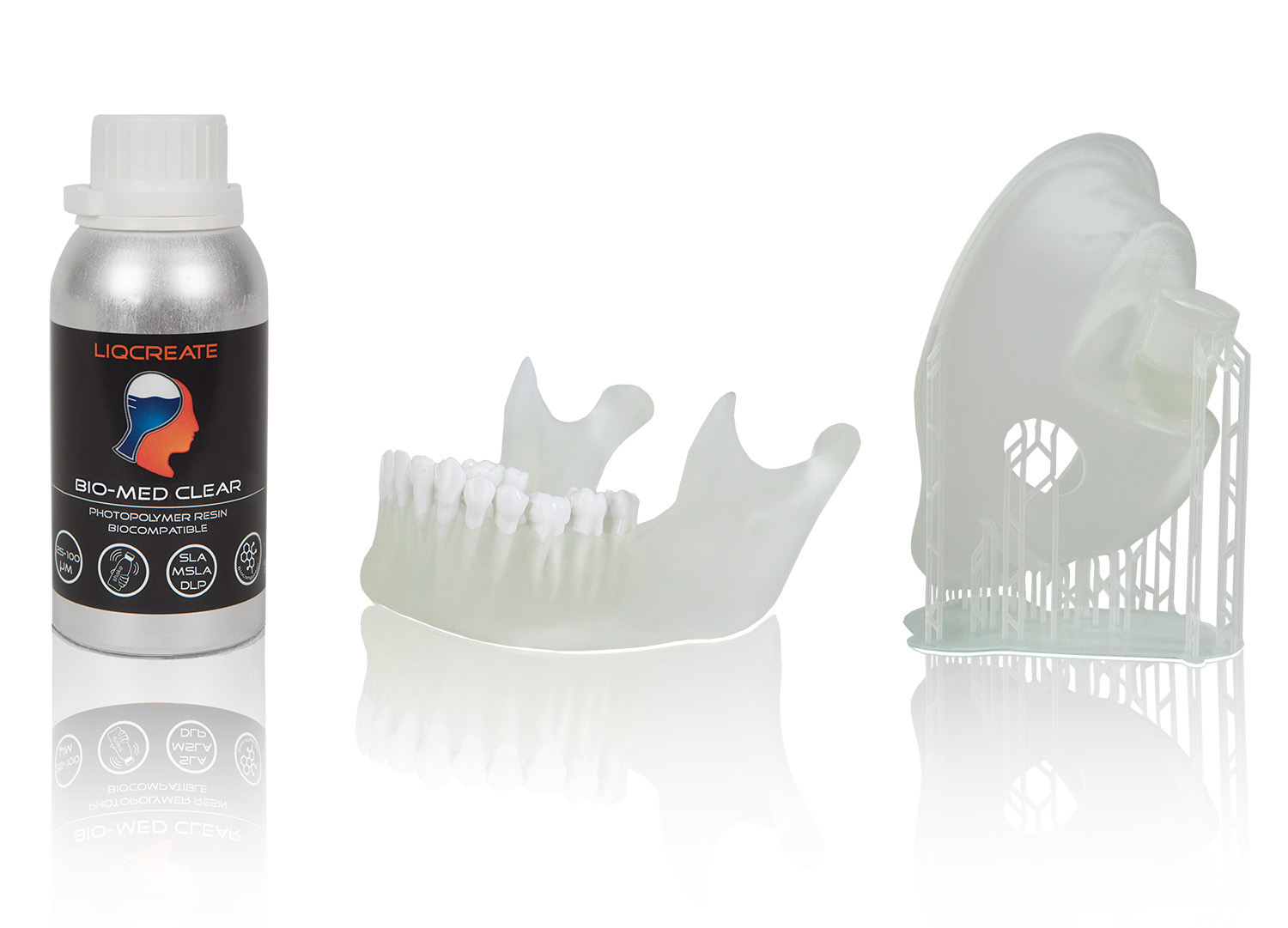
Medical-grade biocompatible resins are specialized photopolymers certified for safe use in direct or indirect contact with the human body. These resins meet regulatory standards such as ISO 10993 and USP Class VI, making them suitable for surgical guides, diagnostic equipment, dental devices, hearing aids, and wearable medical devices.

- ISO 10993: This international standard defines the requirements for the biological evaluation of medical devices, including tests for cytotoxicity, sensitization, and irritation.
- USP Class VI: This standard evaluates the biocompatibility of medical devices, including contact with the skin, mucous membranes, and other body tissues.
5 Prominent Medical-Grade Resins for 3D Printing
Here are five of the most prominent medical-grade resins used in 3D printing: