GLP-1 Therapy for Type 2 Diabetes Management: A Groundbreaking Approach
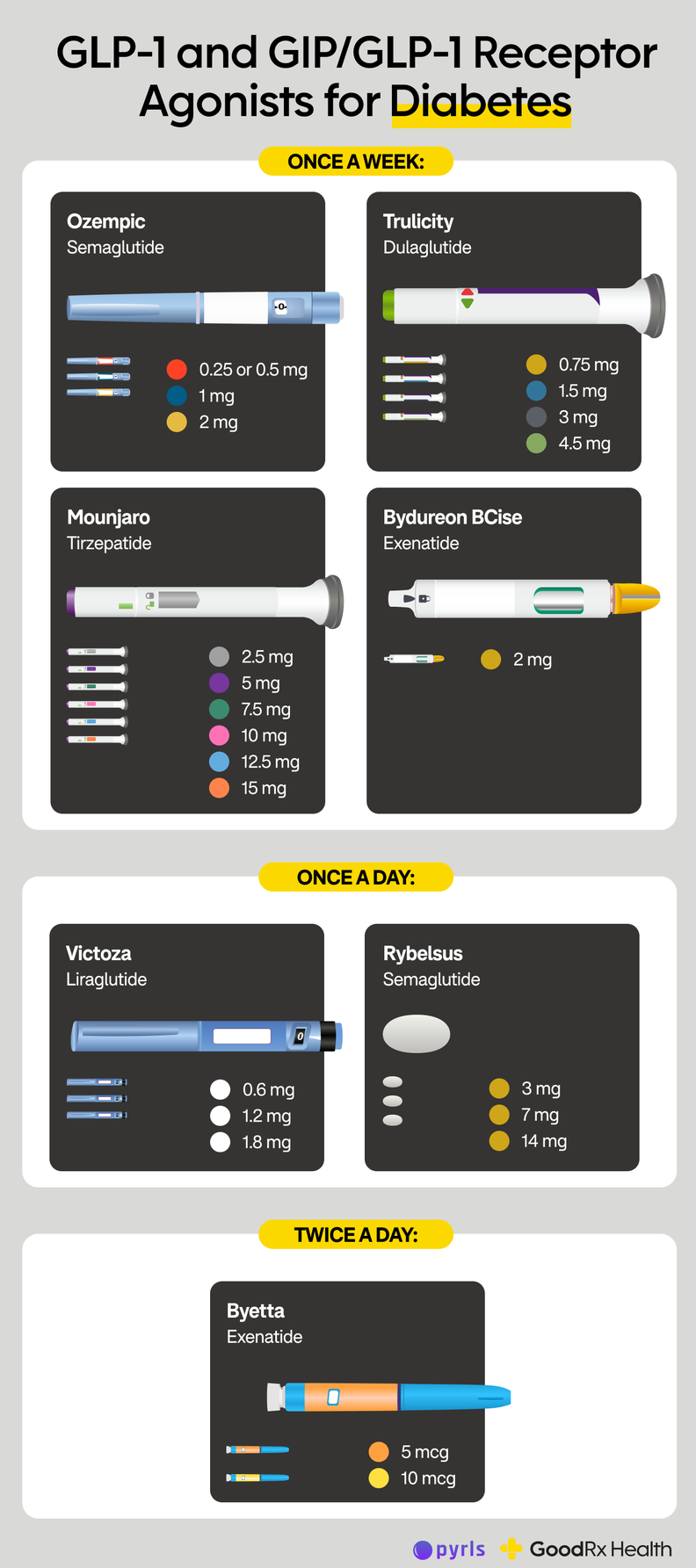
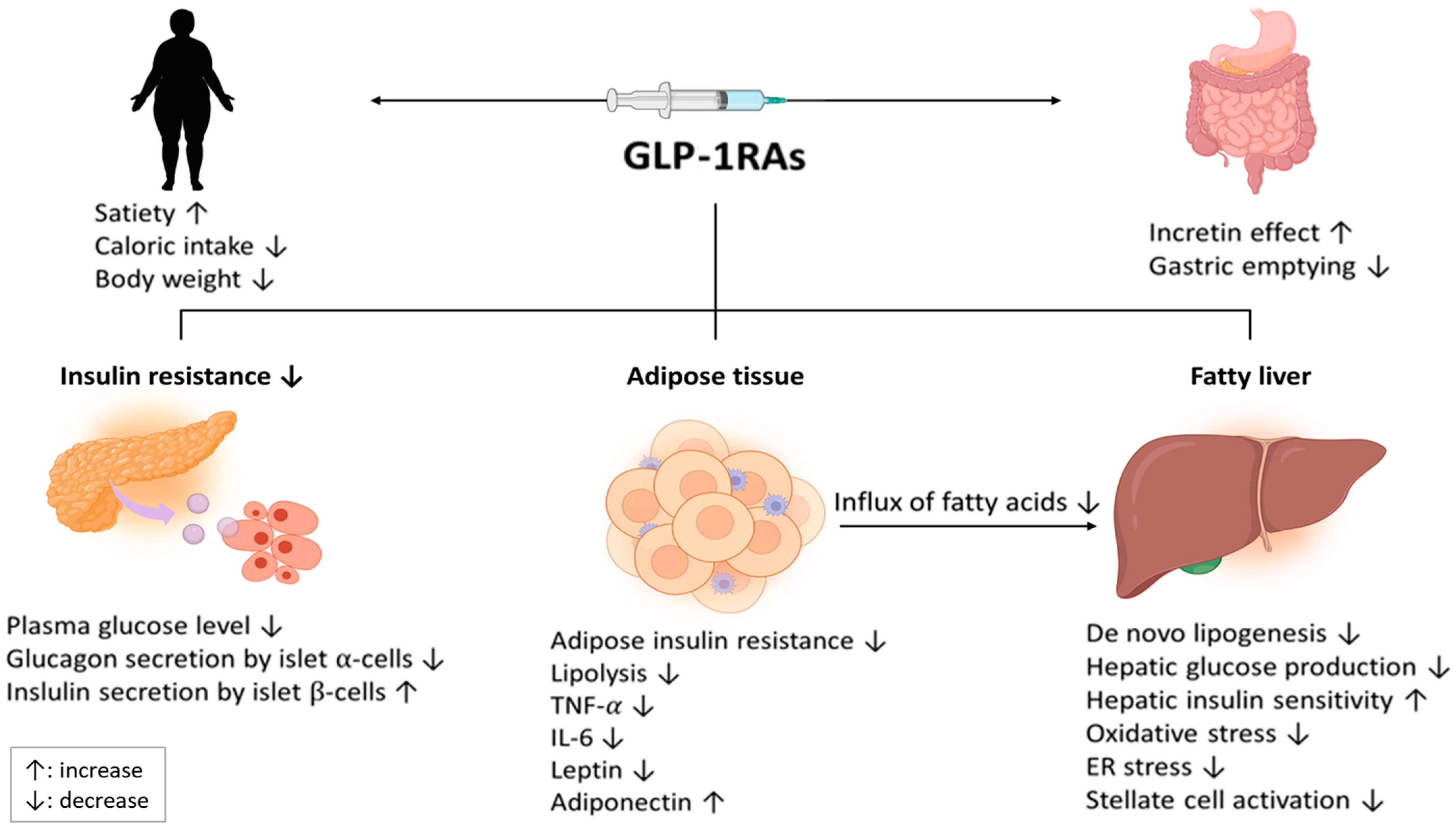
Glucagon-like peptide-1 (GLP-1) receptor agonists have emerged as a revolutionary class of medications for managing type 2 diabetes and associated metabolic disorders. These agents not only improve glycemic control by increasing insulin secretion and reducing glucagon levels but also offer numerous benefits, including weight loss, cardiovascular protection, and kidney health improvement.
The Science Behind GLP-1 Therapy
GLP-1 is an incretin hormone produced in the intestines in response to food intake. It plays a crucial role in glucose homeostasis by enhancing glucose-dependent insulin secretion and suppressing glucagon release. In individuals with type 2 diabetes, GLP-1 levels are impaired, leading to inadequate insulin secretion and hyperglycemia. Pharmacological stimulation of the GLP-1 receptor through GLP-1 receptor agonists (GLP-1RAs) has become an essential tool for the treatment of type 2 diabetes.

Benefits of GLP-1 Therapy
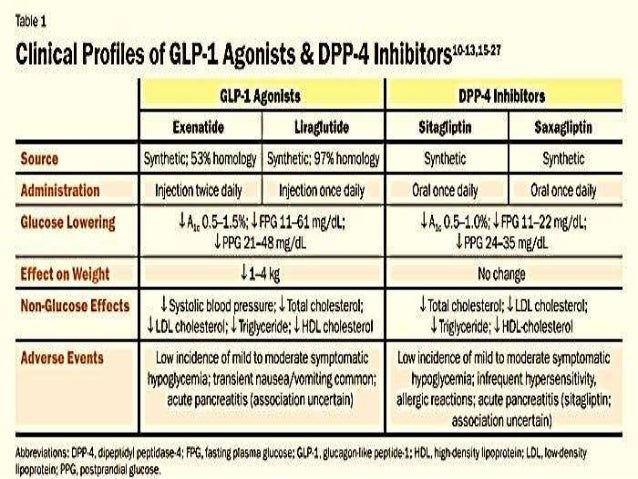
- Glycemic control: GLP-1RAs improve glycemic control by increasing insulin secretion and reducing glucagon levels.
- Weight loss: GLP-1RAs lead to significant weight loss, which is a major factor in the management of type 2 diabetes.
- Cardiovascular protection: GLP-1RAs have been shown to reduce the risk of cardiovascular events, including heart attacks and strokes.
- Kidney health improvement: GLP-1RAs have been found to improve kidney health and reduce the risk of kidney disease progression.