GLP-1 Therapy for Eating Disorder: Understanding the Connection
Glucagon-like peptide-1 (GLP-1) therapy has emerged as a promising treatment for various medical conditions, including diabetes and obesity. However, its impact on eating disorders has sparked a growing conversation in the medical community. As research continues to unravel the complexities of GLP-1 therapy for eating disorders, it is essential to explore the connection between the two and the potential risks and benefits associated with this treatment.
Risks of Eating Disorder Relapse and Misuse
Rapid weight loss and appetite changes caused by GLP-1 drugs can mimic eating disorder symptoms, making it challenging to distinguish treatment effects from relapse. This is particularly concerning for individuals with a history of eating disorders, as GLP-1 therapy may exacerbate underlying issues. Clinicians report that GLP-1 drugs can worsen or hide eating disorders by suppressing hunger cues, potentially undermining recovery strategies like intuitive eating.
Understanding GLP-1 and Eating Disorders
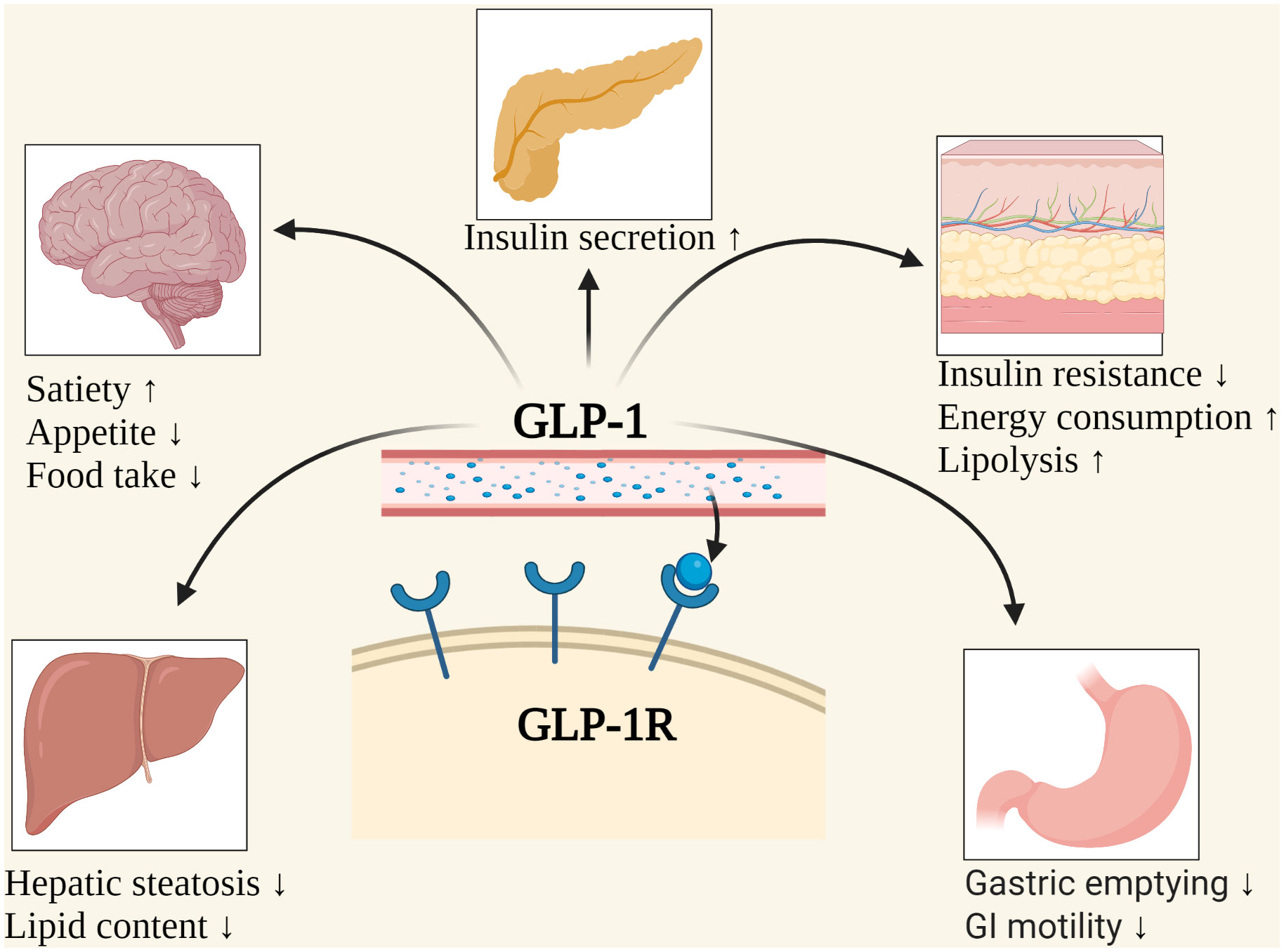
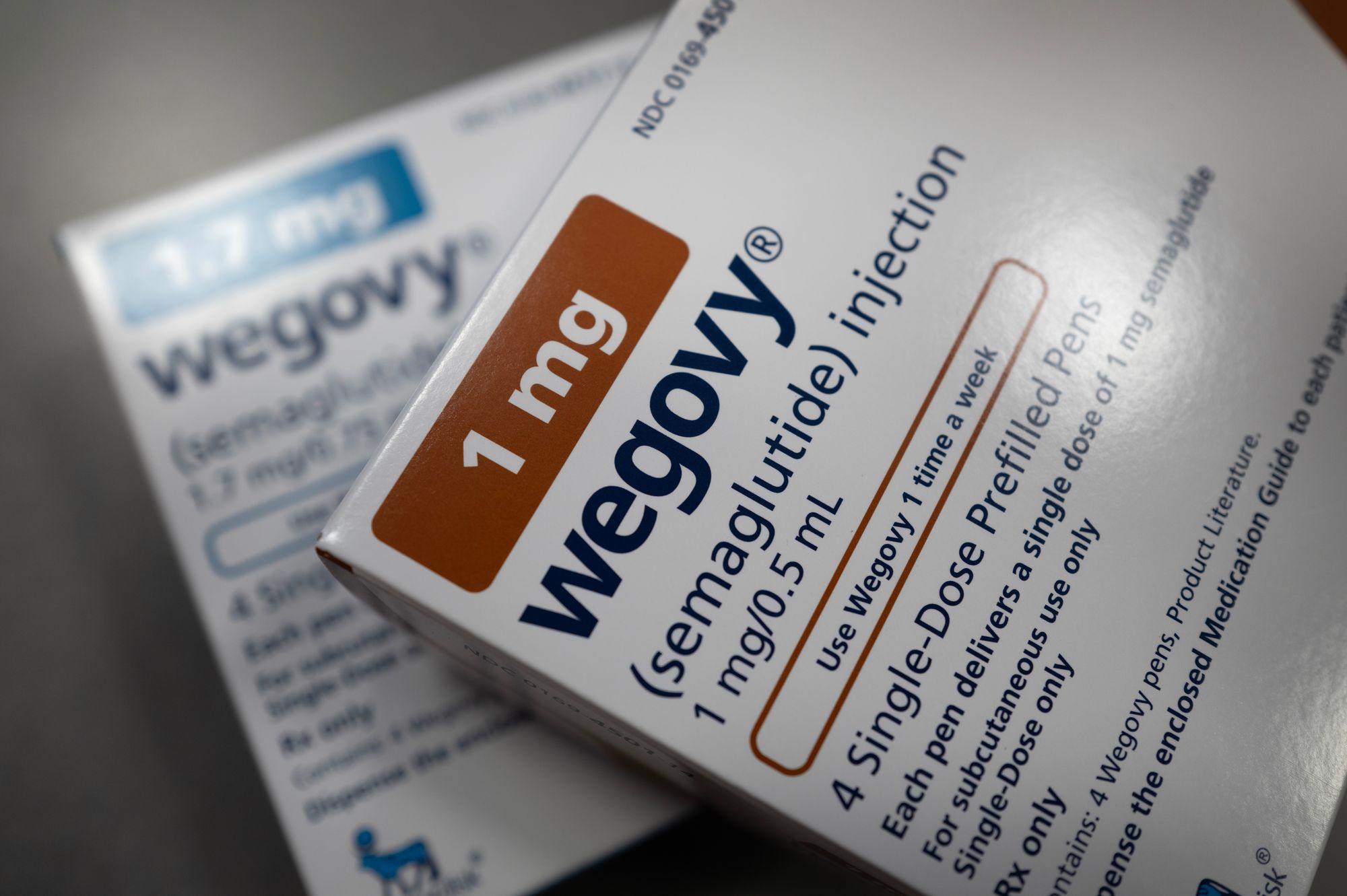
GLP-1 is a hormone produced in the gut that plays a crucial role in glucose metabolism and appetite regulation. GLP-1 receptor agonists, such as semaglutide (Wegovy) and liraglutide (Saxenda), have been approved for weight loss and diabetes treatment. However, their impact on eating disorders is still being studied, and experts warn that GLP-1 drugs could be misused by patients whose illness centers on pursuit of thinness, particularly if accessed through online prescribers without in-person evaluation.