GLP-1 Drug Effects on Pancreatic Islet Cells: A Comprehensive Review
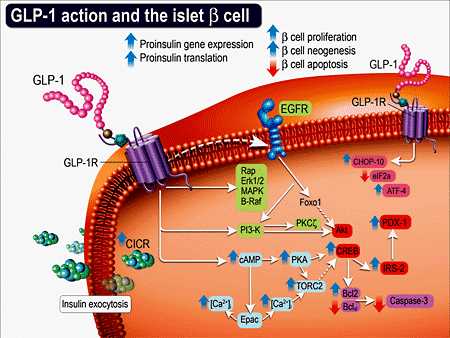
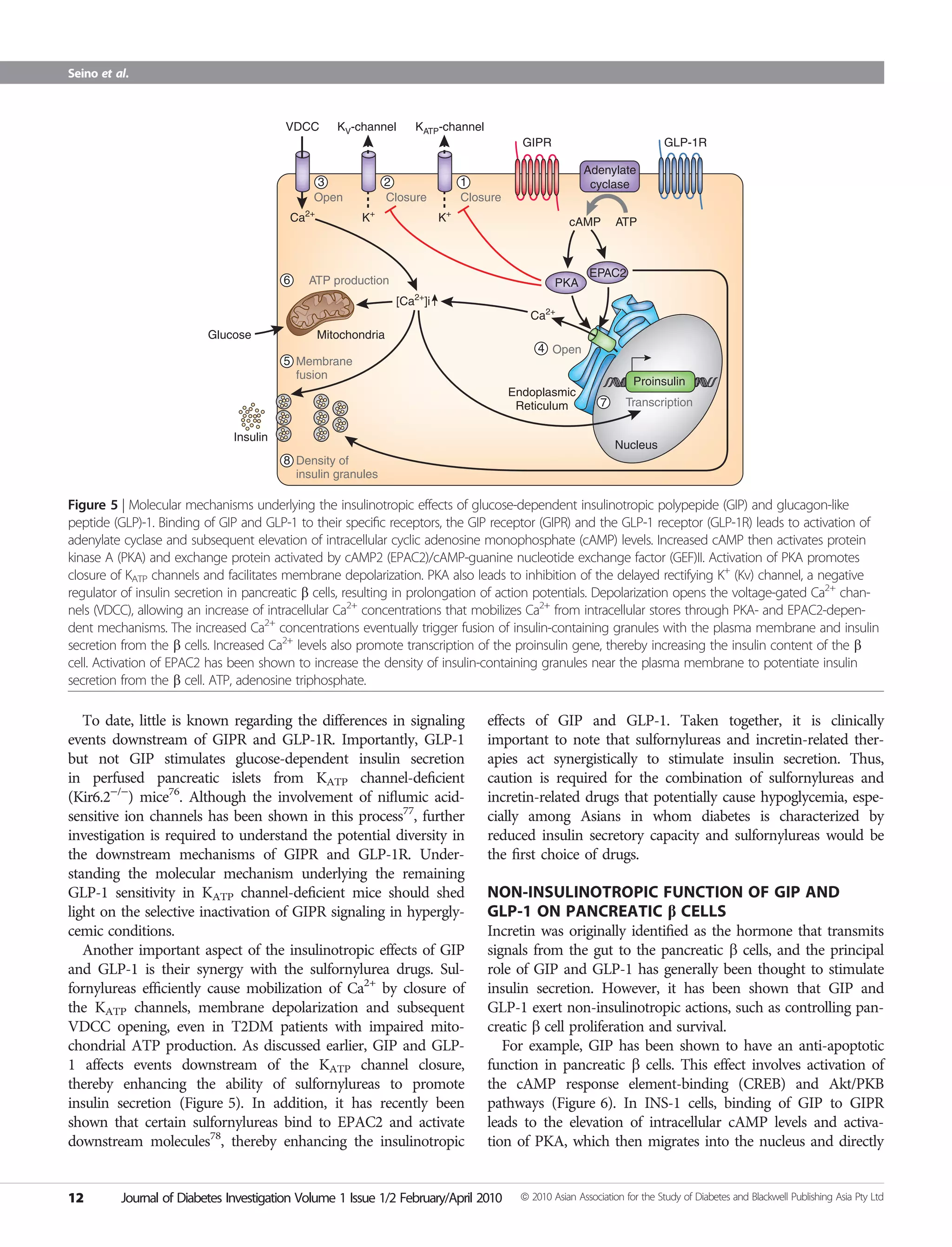
The glucagon-like peptide-1 (GLP-1) receptor agonists have revolutionized the treatment of type 2 diabetes mellitus (T2DM) by improving glycemic control, reducing body weight, and lowering blood pressure. GLP-1, a proglucagon derivative, is secreted by gut L-cells in response to meals and enhances glucose-induced insulin secretion from pancreatic islet β-cells. This incretin effect accounts for as much as half of the postprandial insulin response, making GLP-1 an attractive antidiabetic drug candidate.
GLP-1 Mechanism of Action
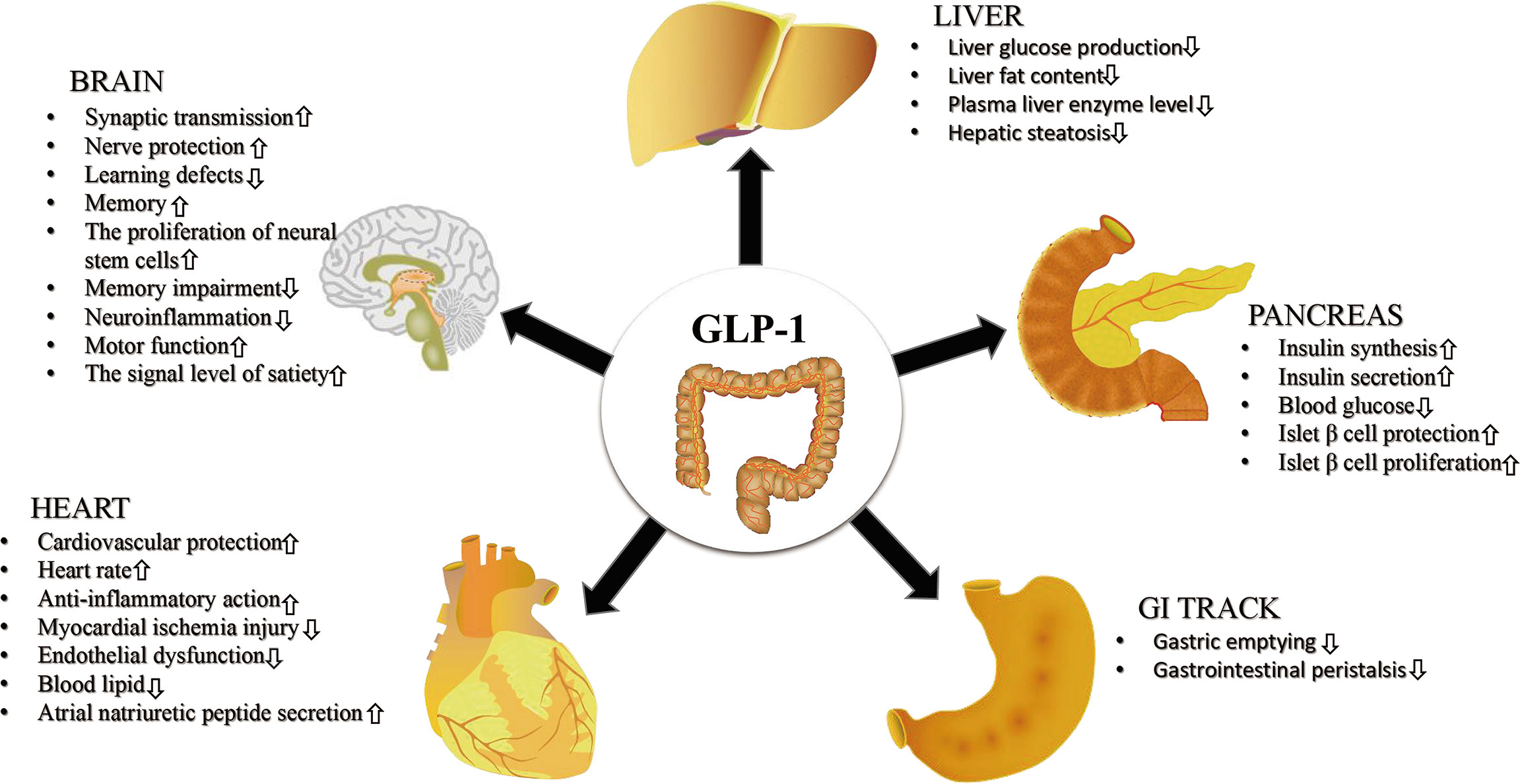
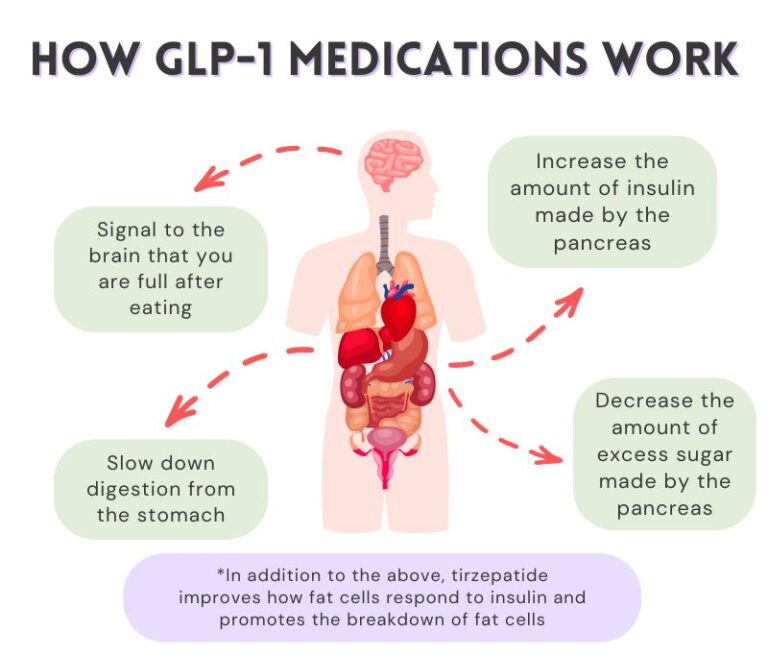
GLP-1 exerts its effects on pancreatic islet cells through several mechanisms. It stimulates glucose-stimulated insulin secretion and protects β-cells, while its extrapancreatic effects include cardioprotection, reduction of hepatic glucose production, and regulation of satiety. The rapid degradation of GLP-1 by dipeptidyl peptidase 4 (DPP-4) raises questions about how its effects are mediated on target organs such as pancreatic β-cells.

Alternative Pathways for GLP-1 Effects
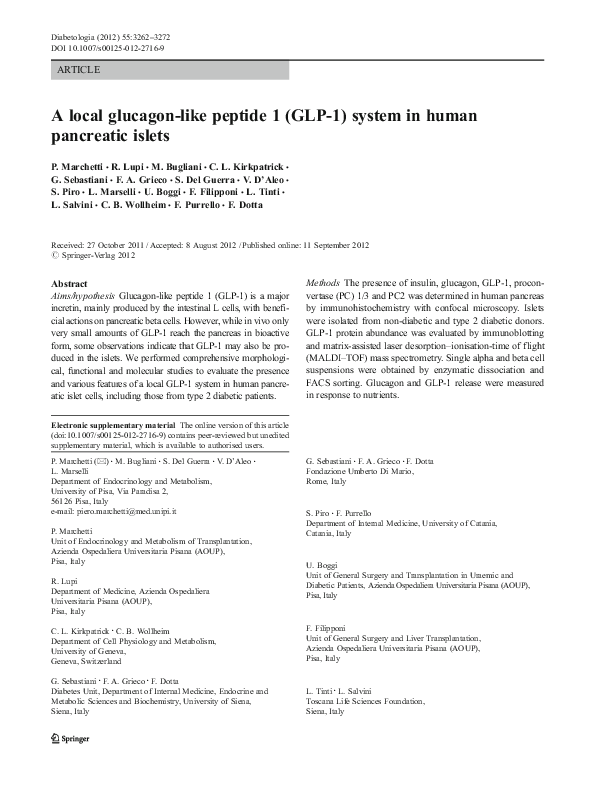
Several alternative pathways have been proposed for the incretin effect on pancreatic islet cells. These involve L-cell-derived GLP-1 via neuronal activation and α-cell-derived GLP-1 via auto/paracrine mechanisms. The α-cells in the pancreatic islets produce glucagon, which is a major regulator of glucose metabolism. GLP-1 has been shown to modulate the activity of α-cells, leading to reduced glucagon secretion and improved glucose control.