GLP-1 and Meal Planning for Blood Sugar Control: A Comprehensive Guide
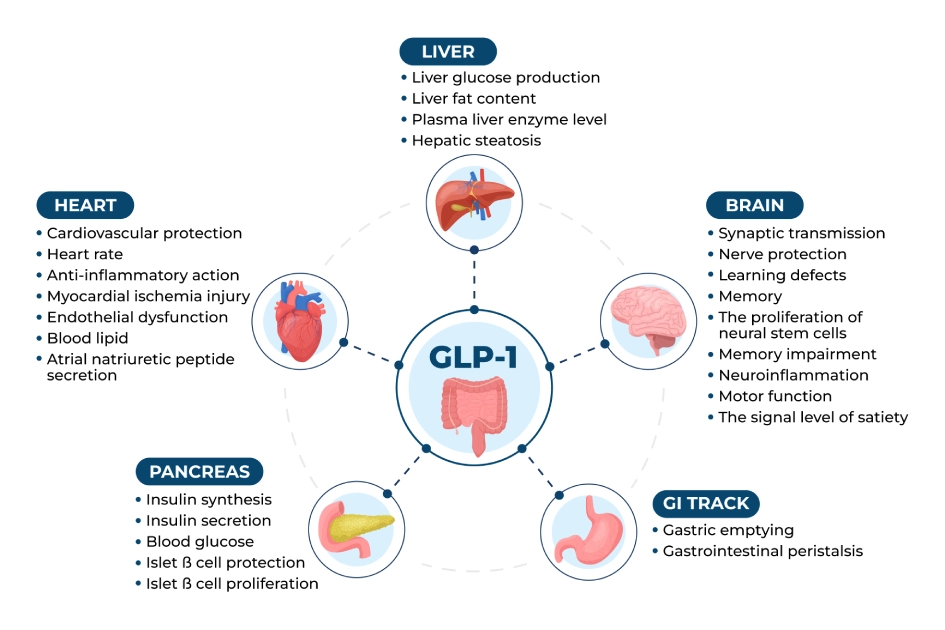
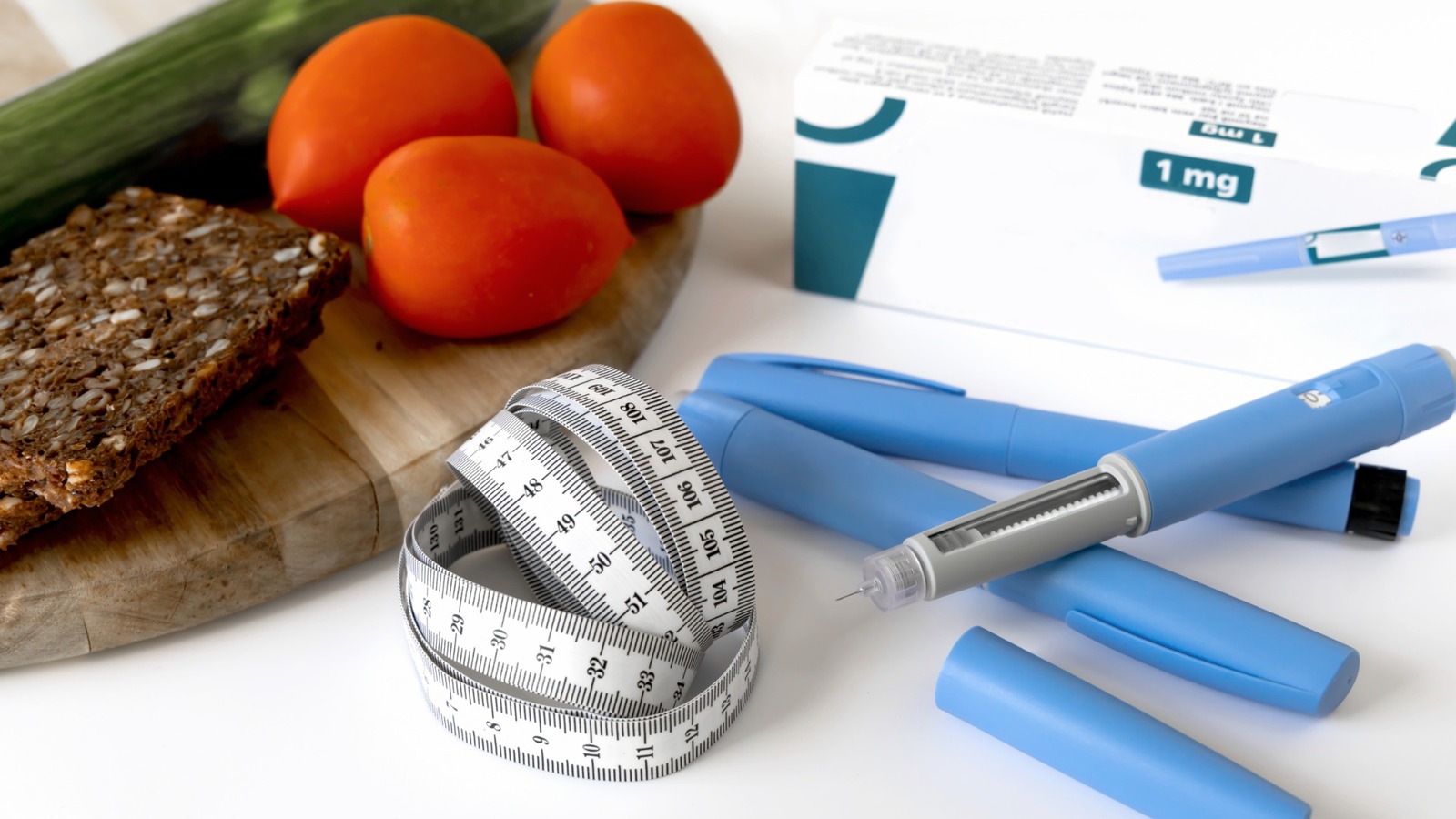
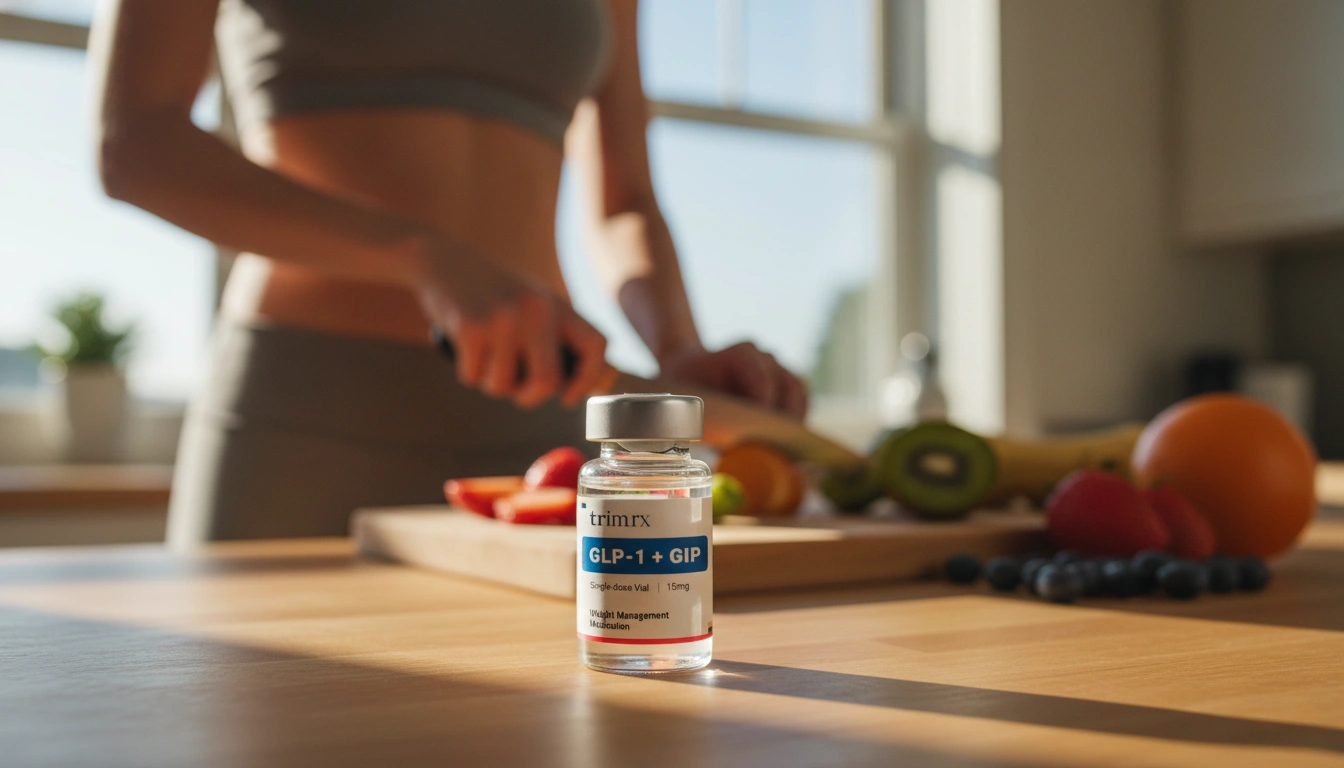
GLP-1 (Glucagon-Like Peptide-1) medications have revolutionized the way we manage blood sugar levels and weight. These medications work by mimicking a natural hormone in the body that regulates hunger and blood sugar, making it easier to feel full and satisfied with smaller portions. However, to maximize the benefits of GLP-1 medications, it's essential to complement them with a well-balanced diet that supports your health goals.
Understanding GLP-1 Medications
GLP-1 medications, such as semaglutide and tirzepatide, work by slowing down digestion, reducing appetite, and improving blood sugar control. They also have a lower risk of hypoglycemia compared to insulin therapy. However, these medications can cause gastrointestinal side effects like nausea and constipation, which can be managed with a well-planned diet.
Key Takeaways for GLP-1 Meal Planning

- High-protein, low-glycemic foods maximize GLP-1 medication effectiveness.
- Fiber-rich vegetables help prevent common GLP-1 side effects like nausea and constipation.
- Small, frequent meals work better than large portions when on GLP-1 therapy.
- Hydration and meal timing significantly impact treatment success and comfort.
General Dietary Recommendations
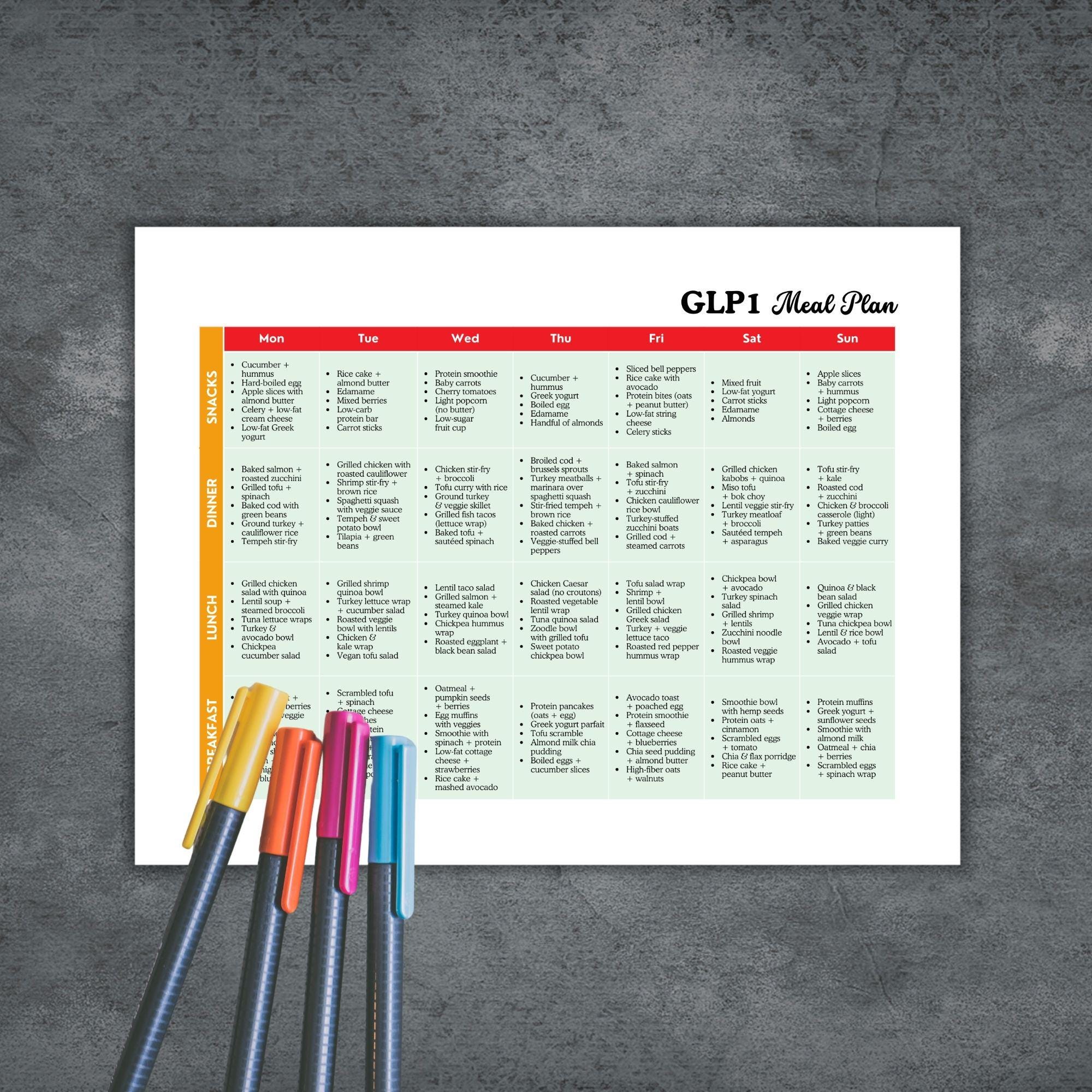
When planning your meals, focus on the following:
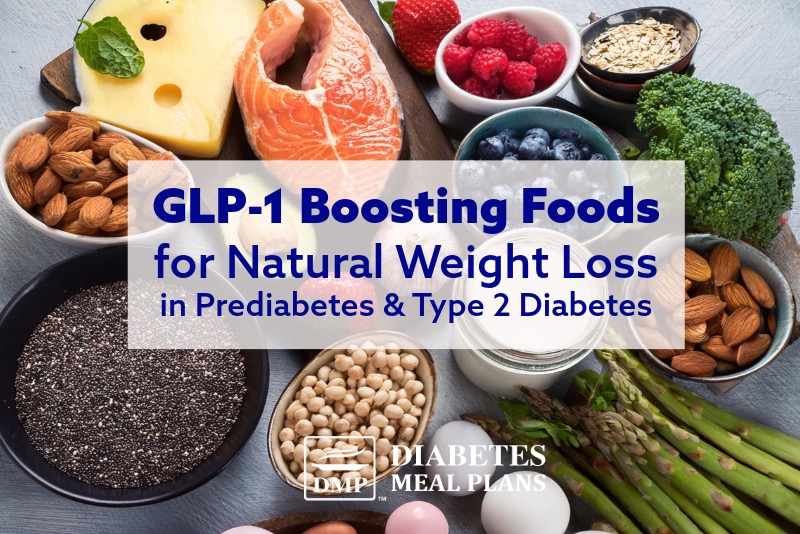
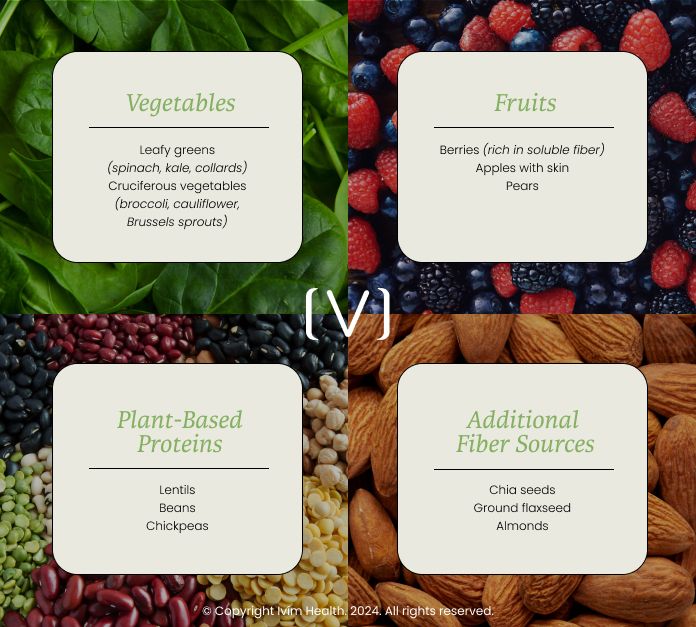
- Include high-fiber foods to keep you feeling full longer and aid in blood sugar control.
- Choose lean proteins, healthy fats, and fiber-rich carbohydrates to support stable energy levels and avoid blood sugar spikes.
- Pair high-glycemic carbs with protein and fat to slow digestion and improve blood sugar control.
- Avoid sugary snacks, sodas, and desserts that can cause blood sugar spikes.
- Limit ultra-processed foods that lack essential nutrients and may contribute to weight gain or nutrient deficiencies.