GLP-1 Therapy for Metabolic Syndrome Treatment Outcomes
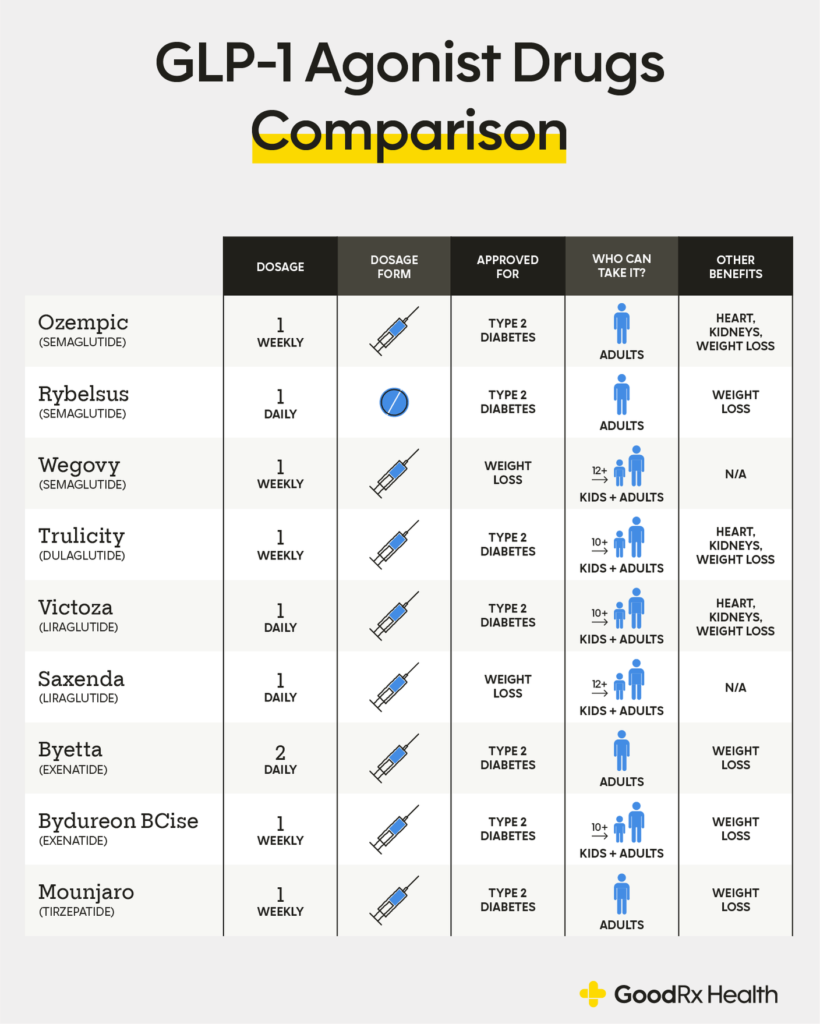
Glucagon-like peptide-1 (GLP-1) receptor agonists have emerged as a promising therapeutic option for obesity and metabolic syndrome, demonstrating significant weight reduction and metabolic benefits.
- GLP-1 receptor agonists have transformed obesity management, offering substantial weight loss and metabolic benefits.
- Beyond obesity and type 2 diabetes, the therapeutic potential of GLP-1 receptor agonists extends to other metabolic disorders such as hypertension, dyslipidemia, and cardiovascular disease.
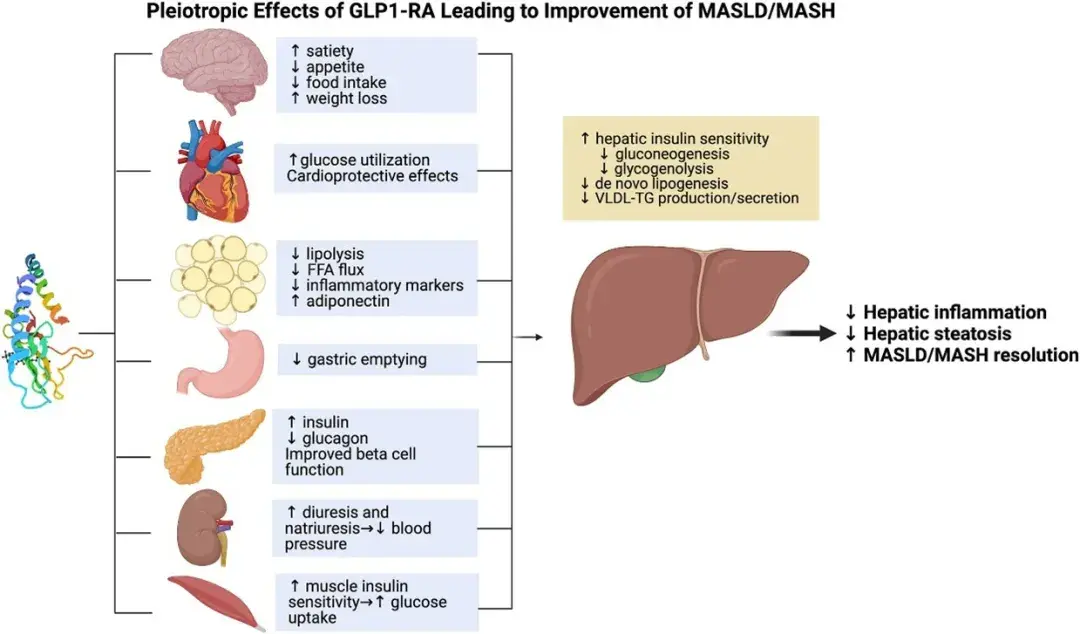
- The mechanisms of GLP-1 receptor agonists in the treatment of metabolic syndrome components and outcomes have been elucidated, providing insights into their therapeutic benefits.
Mechanisms of GLP-1 Therapy
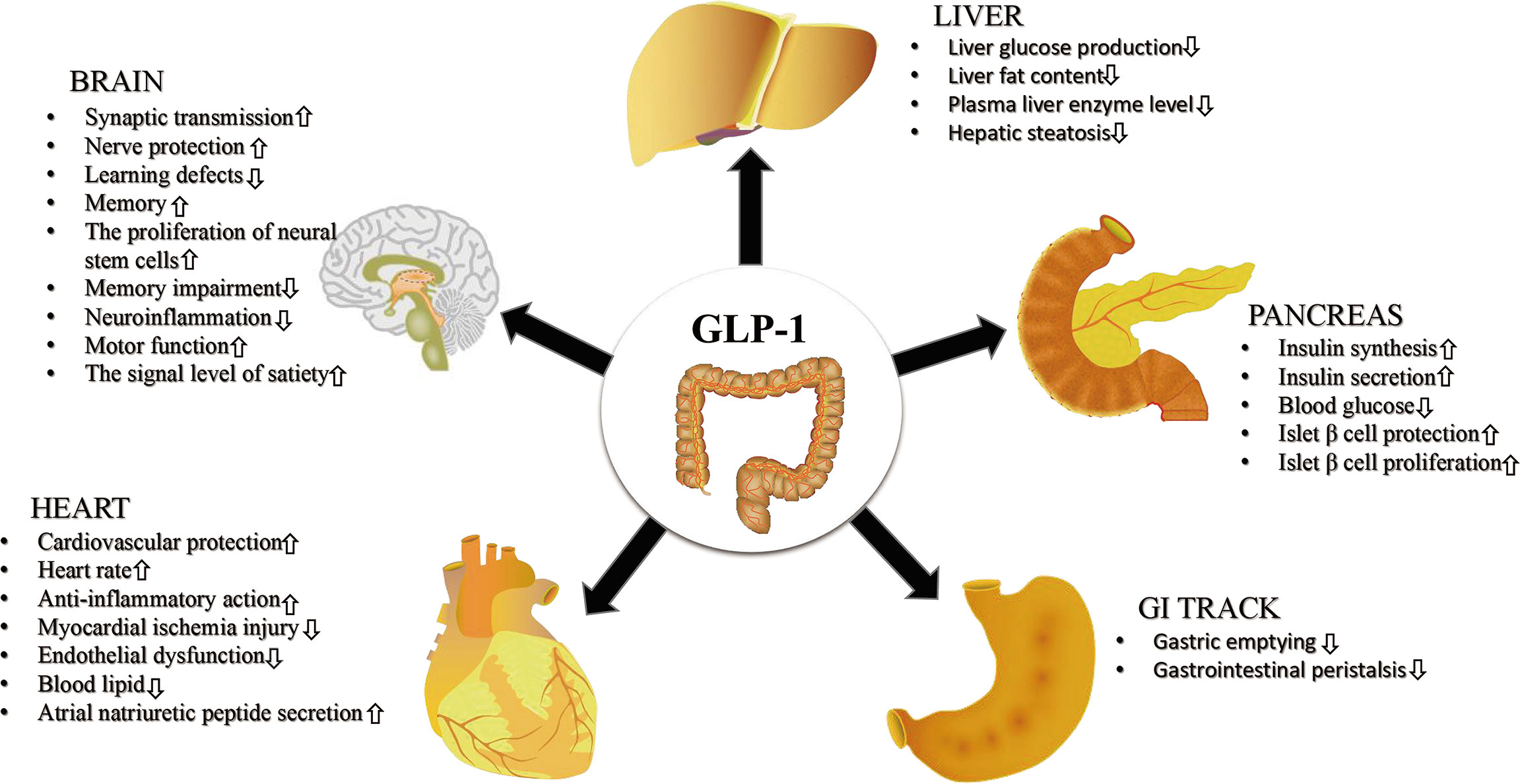
GLP-1 receptor agonists mimic the effects of natural GLP-1 hormone, which is involved in glucose metabolism, appetite regulation, and gastric emptying.
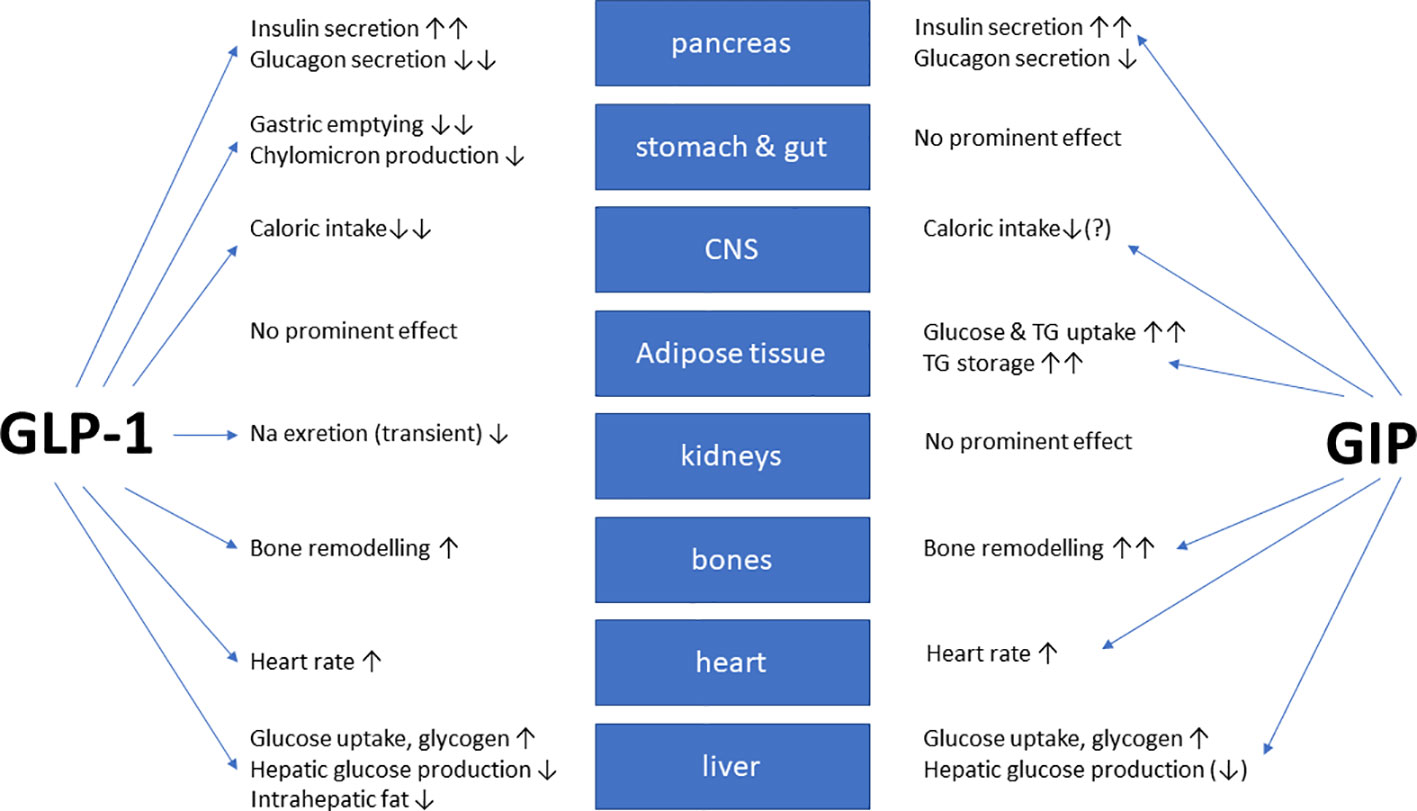
- By activating GLP-1 receptors, GLP-1 receptor agonists increase insulin secretion, suppress glucagon release, and slow gastric emptying, leading to reduced food intake and improved glucose metabolism.
- GLP-1 receptor agonists also have beneficial effects on lipid metabolism, reducing triglyceride and LDL cholesterol levels.
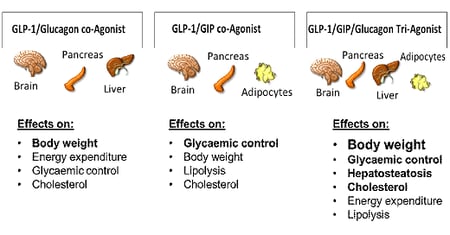
- The combination of GLP-1 receptor agonists with other medications, such as metformin and SGLT2 inhibitors, has been shown to have synergistic effects on metabolic outcomes.
GLP-1 Therapy for Metabolic Syndrome Treatment Outcomes
Studies have demonstrated the efficacy of GLP-1 receptor agonists in improving metabolic syndrome treatment outcomes, including: