Understanding GLP-1 and Gastroparesis: A Comprehensive Guide
Gastroparesis, a condition characterized by delayed gastric emptying, is a common complication observed in patients with diabetes mellitus, often due to autonomic neuropathy. The use of glucagon-like peptide-1 receptor agonists (GLP-1RAs) in diabetes management has raised concerns about their potential to exacerbate gastroparesis. In this article, we will delve into the relationship between GLP-1 and gastroparesis, exploring the mechanisms, risks, and management strategies for this condition.
What is Gastroparesis?
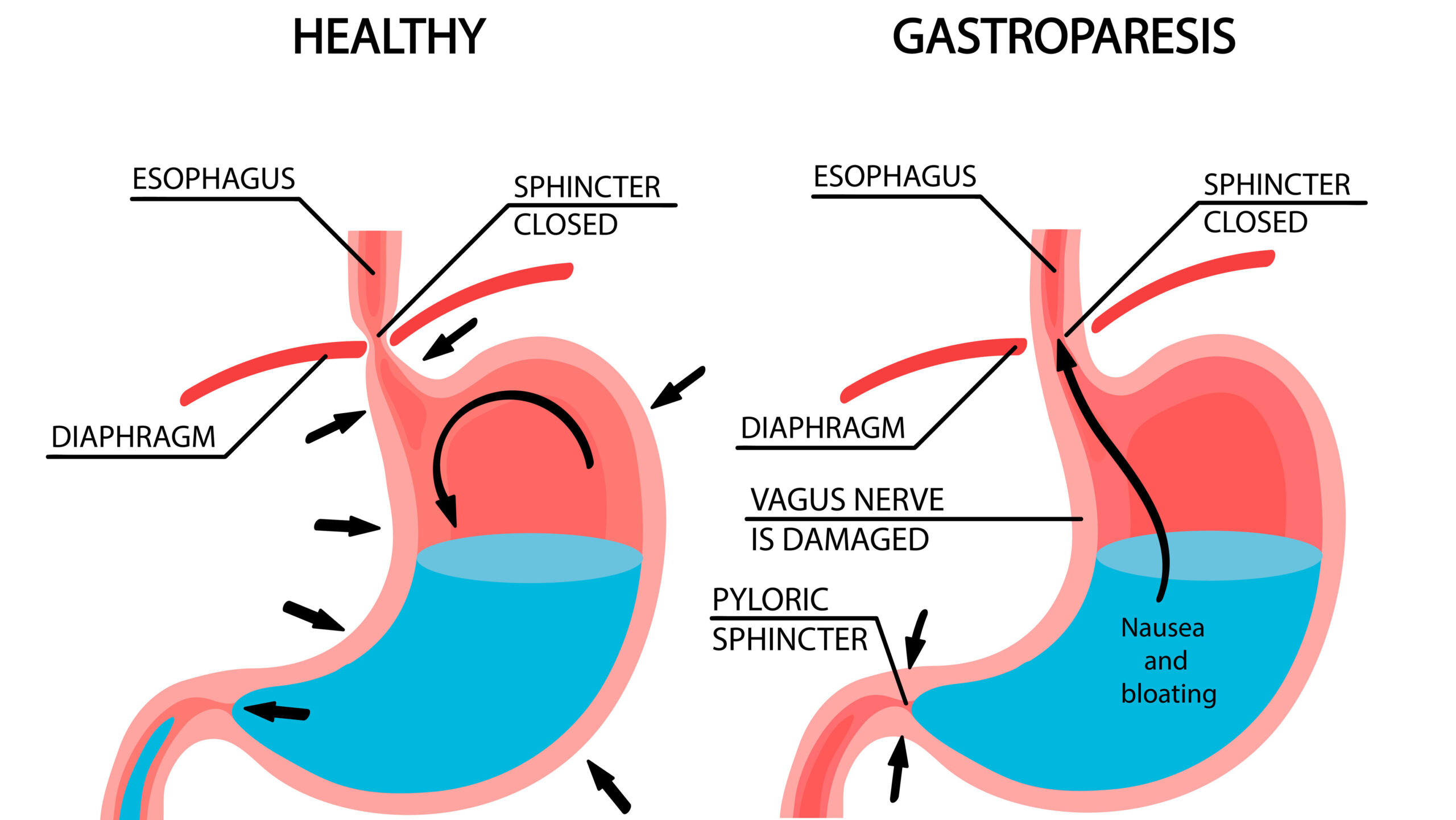
Gastroparesis is a functional disorder affecting the stomach muscles and nerves, causing delayed emptying of food from the stomach into the small intestine. This condition can range from mild to severe, leading to symptoms such as nausea, vomiting, bloating, and abdominal pain. Gastroparesis can be caused by various factors, including diabetes, autonomic neuropathy, and certain medications.
GLP-1 and Gastroparesis: A Complex Relationship
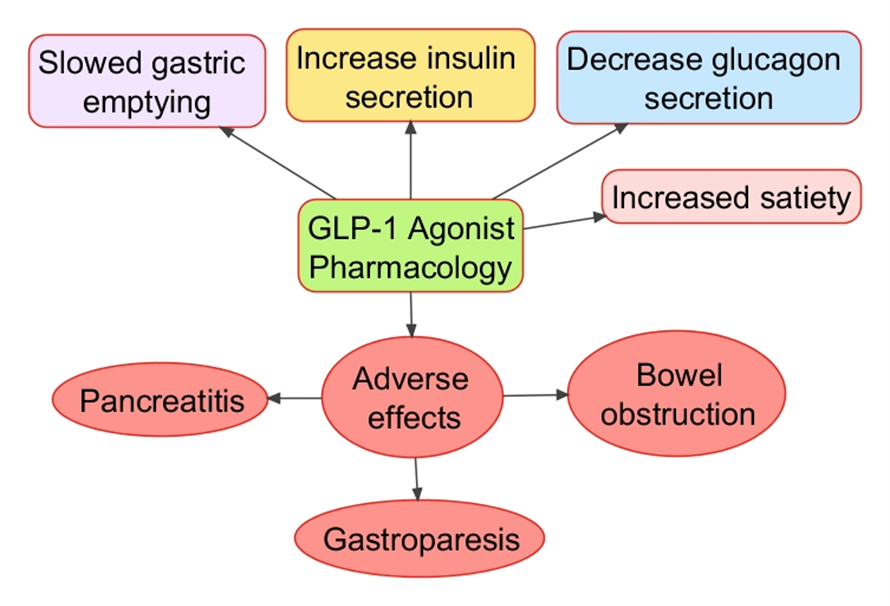
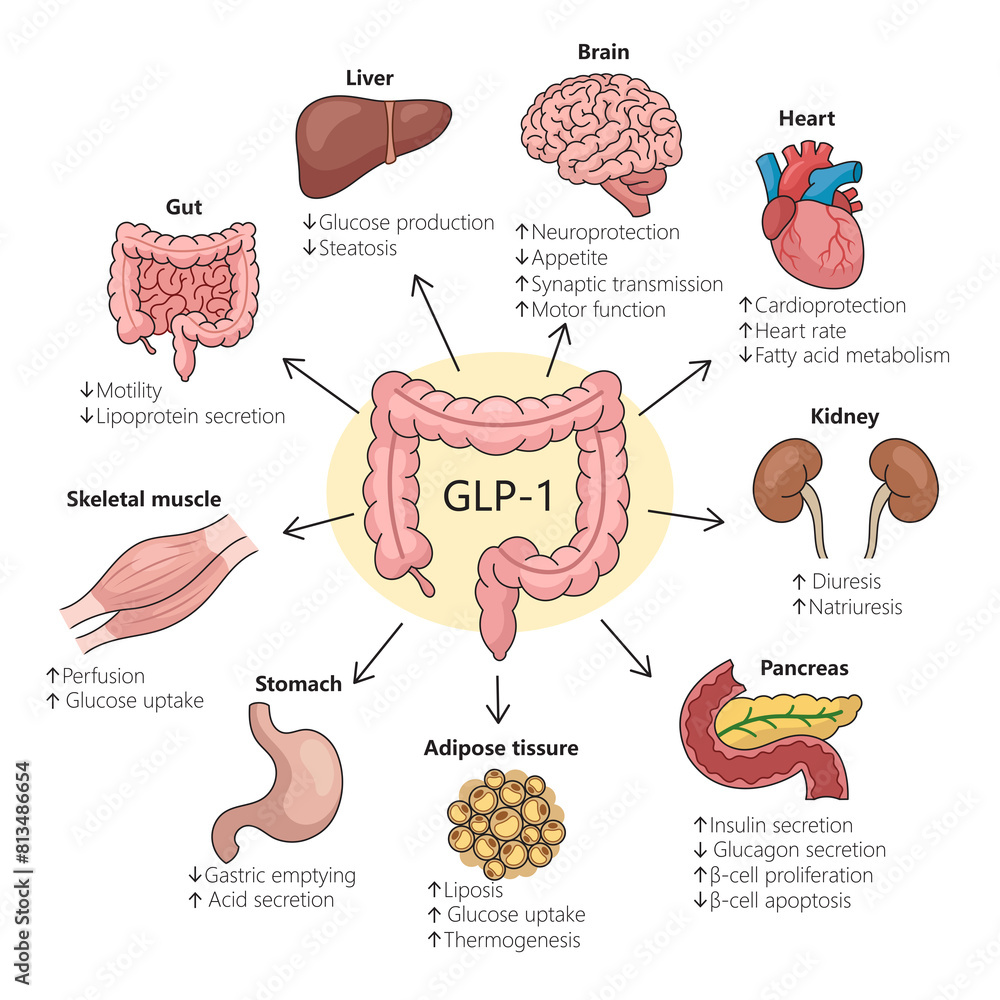
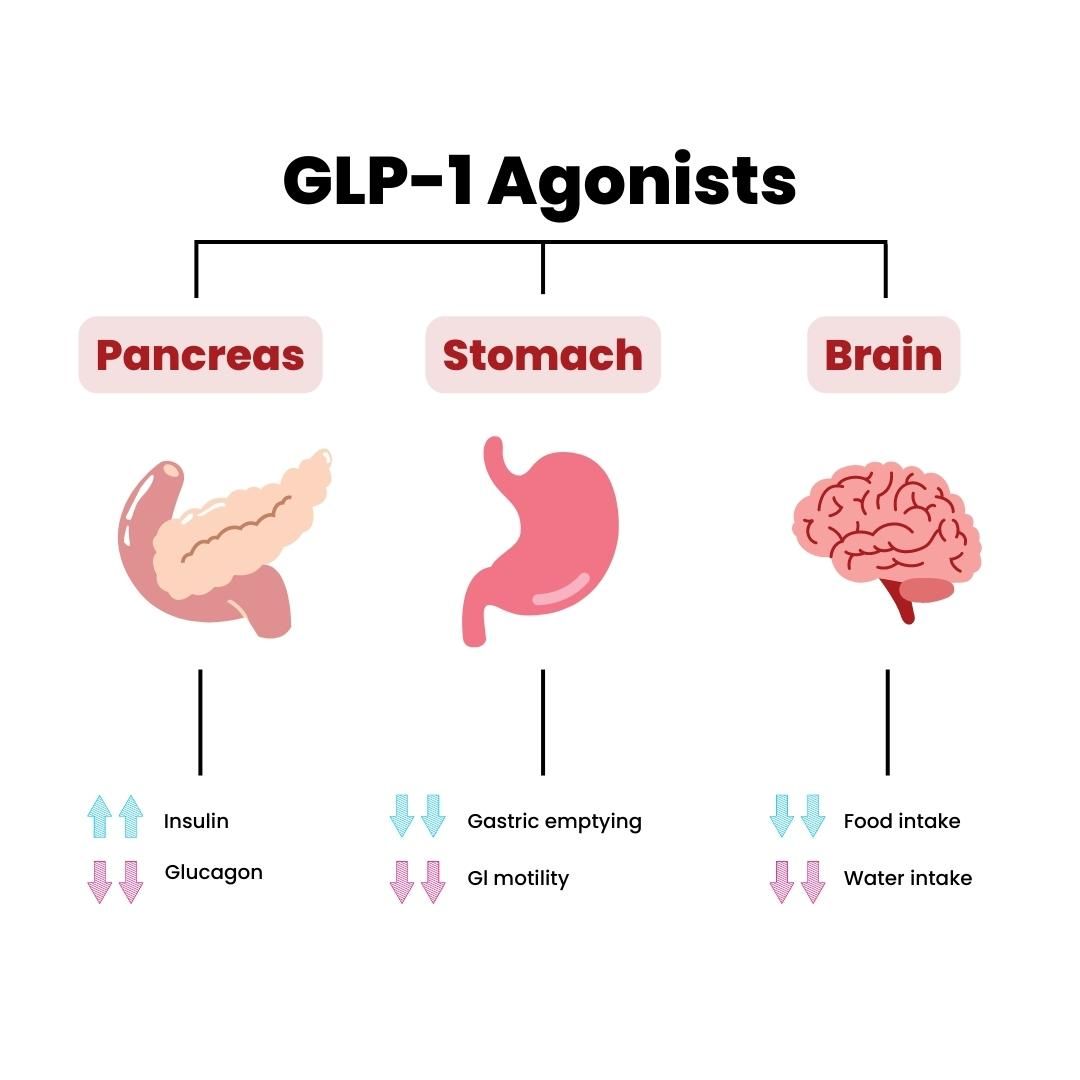
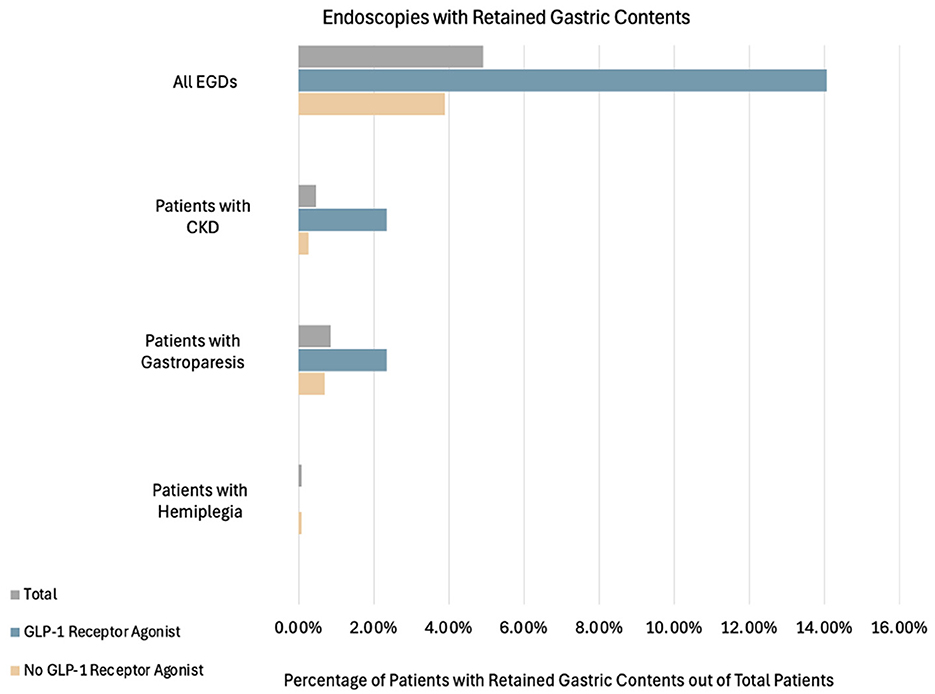
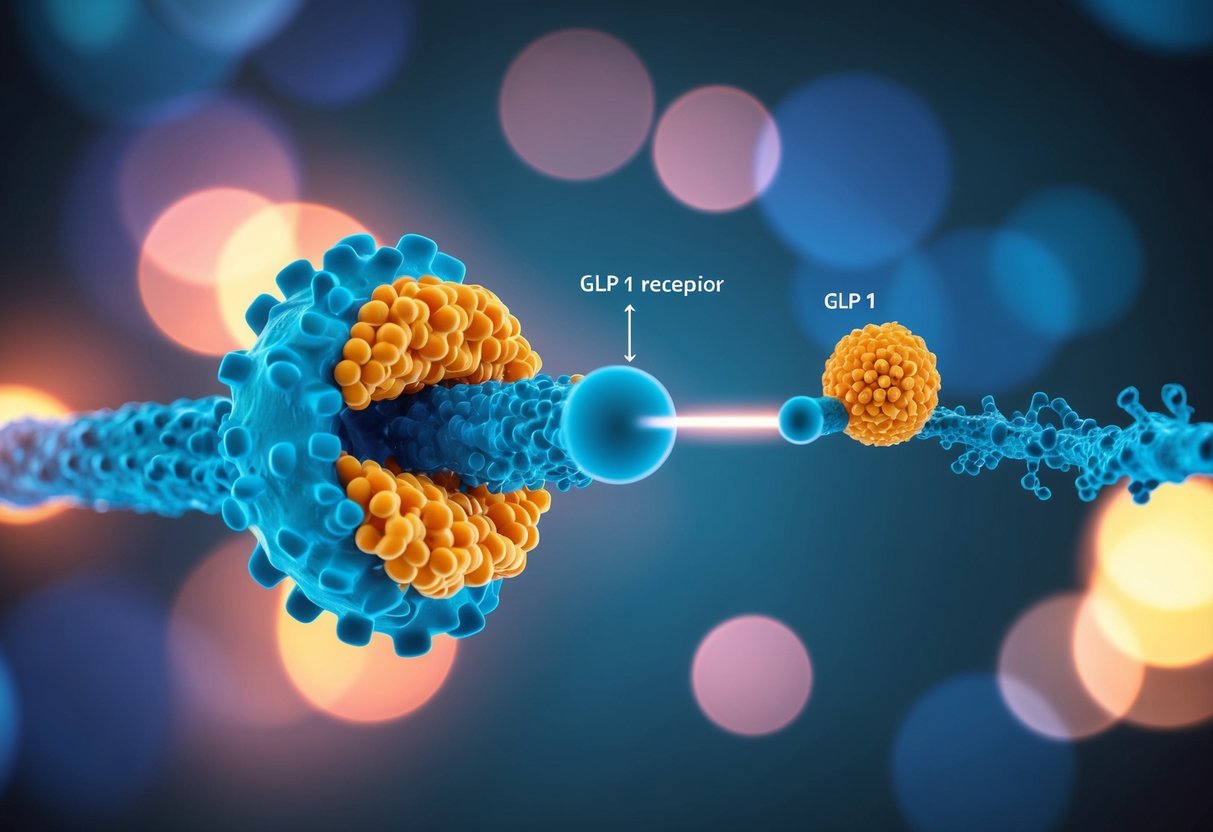
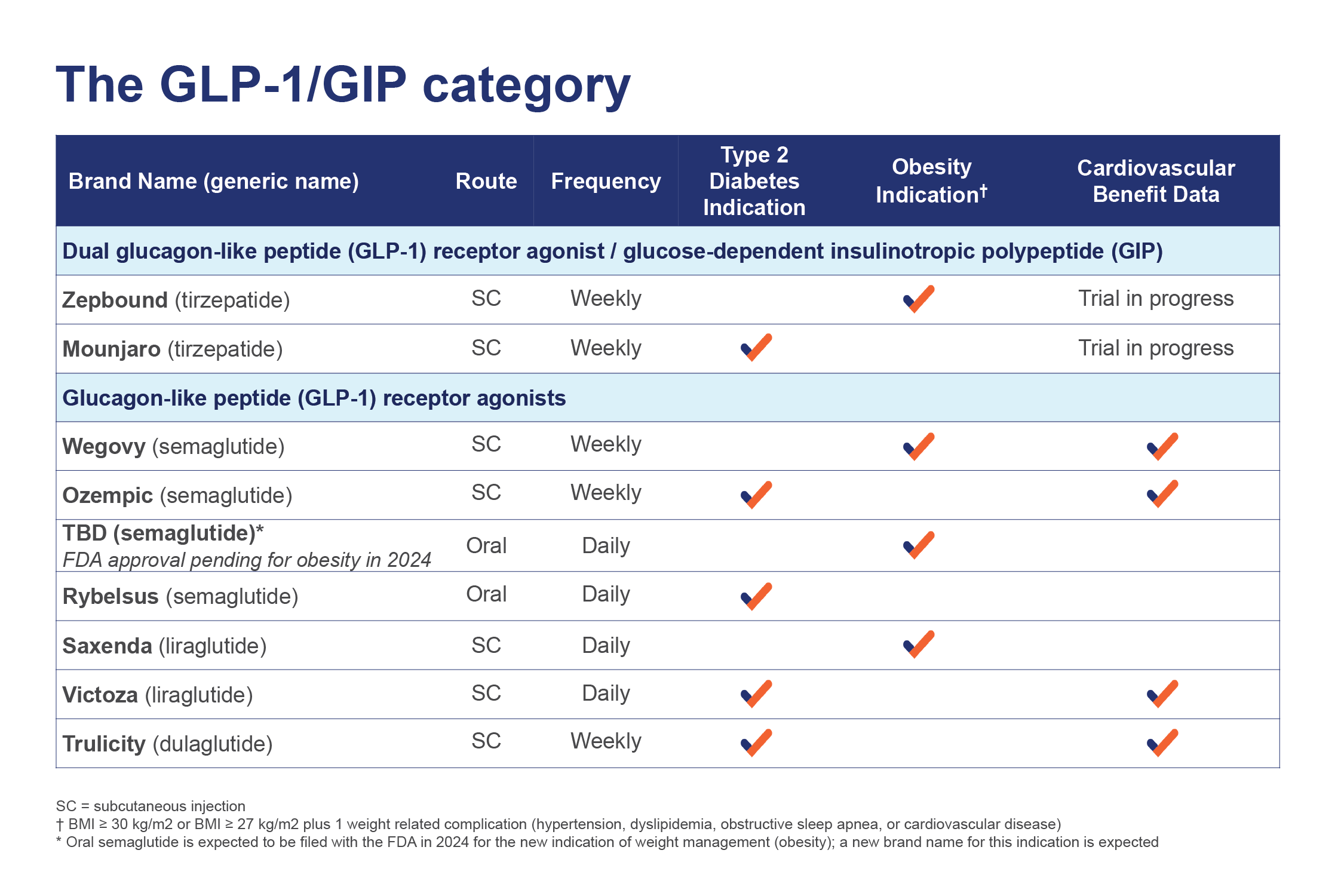
GLP-1RAs, such as semaglutide and liraglutide, are medications approved for the treatment of diabetes and weight management. These medications work by slowing gastric emptying, which helps regulate blood glucose levels and promotes weight loss. However, this mechanism also increases the risk of gastroparesis, particularly in patients with pre-existing conditions or those taking high doses of GLP-1RAs.