Unlocking the Potential of Food Addiction Therapy with GLP-1
Food addiction is a complex and multifaceted issue that affects millions of people worldwide. While traditional treatments focus on diet and lifestyle changes, a new wave of research is exploring the possibility of using GLP-1 (Glucagon-like peptide-1) medications to treat food addiction. In this article, we'll delve into the world of GLP-1 and its potential role in food addiction therapy.
What is GLP-1 and How Does it Work?
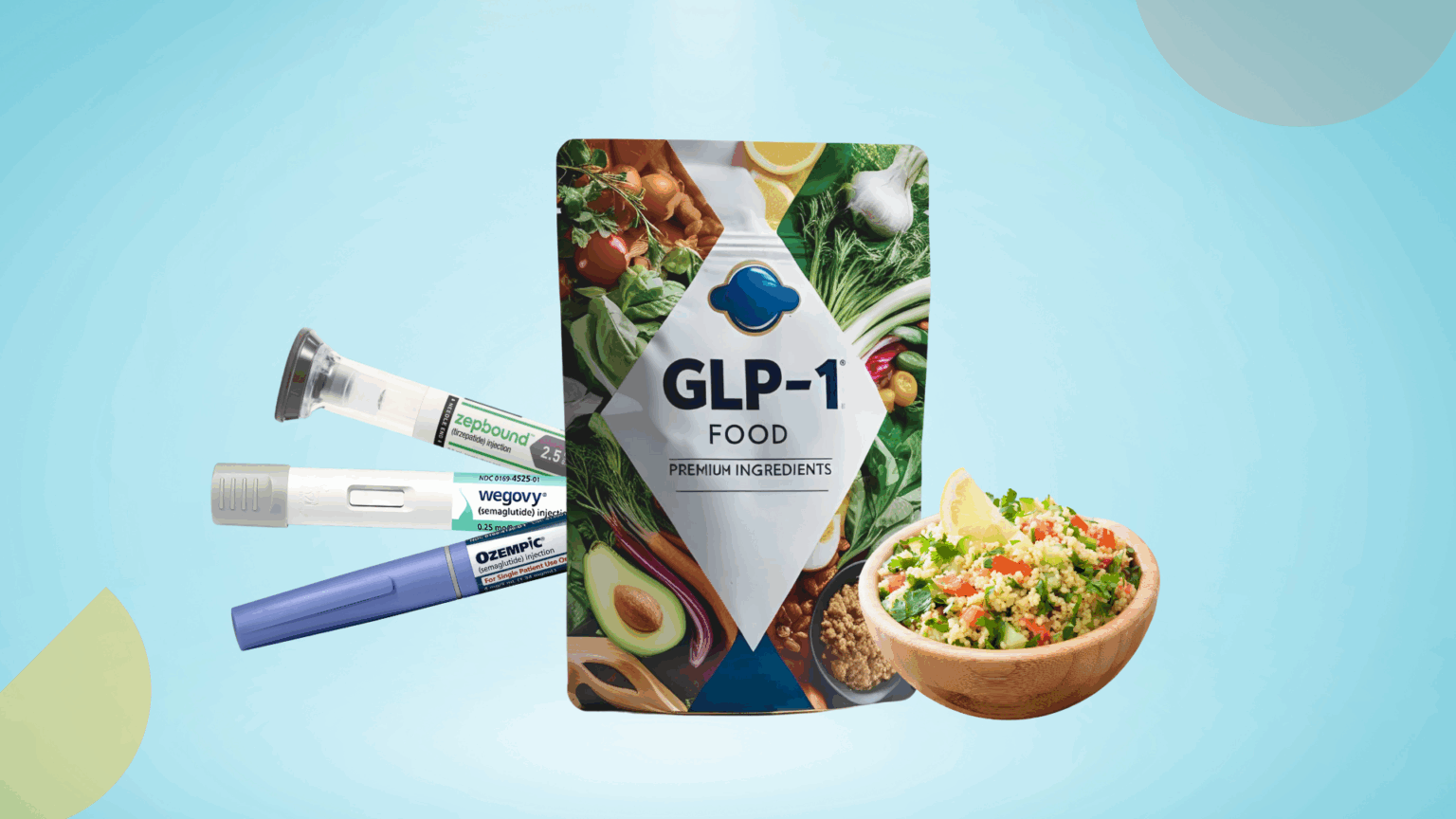
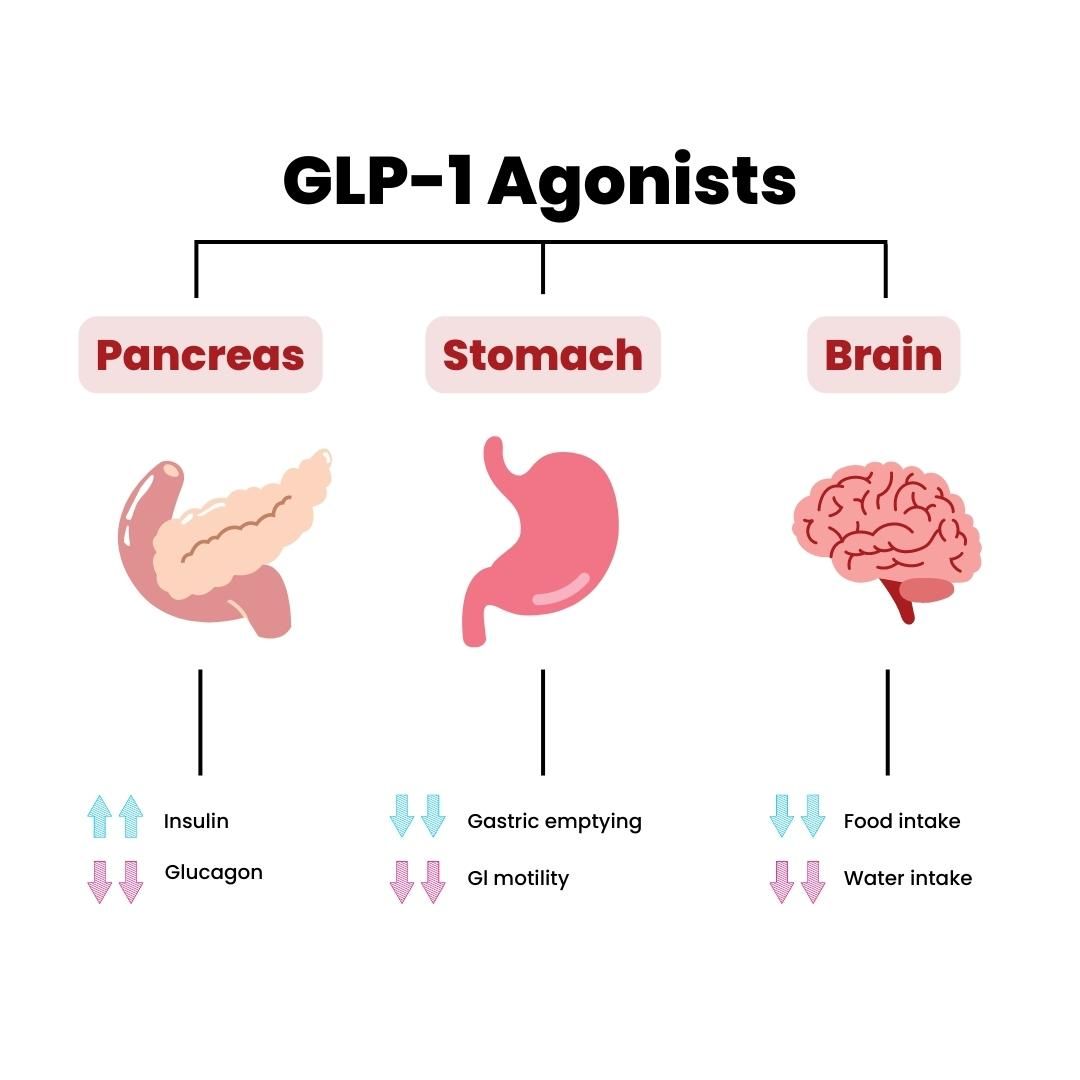
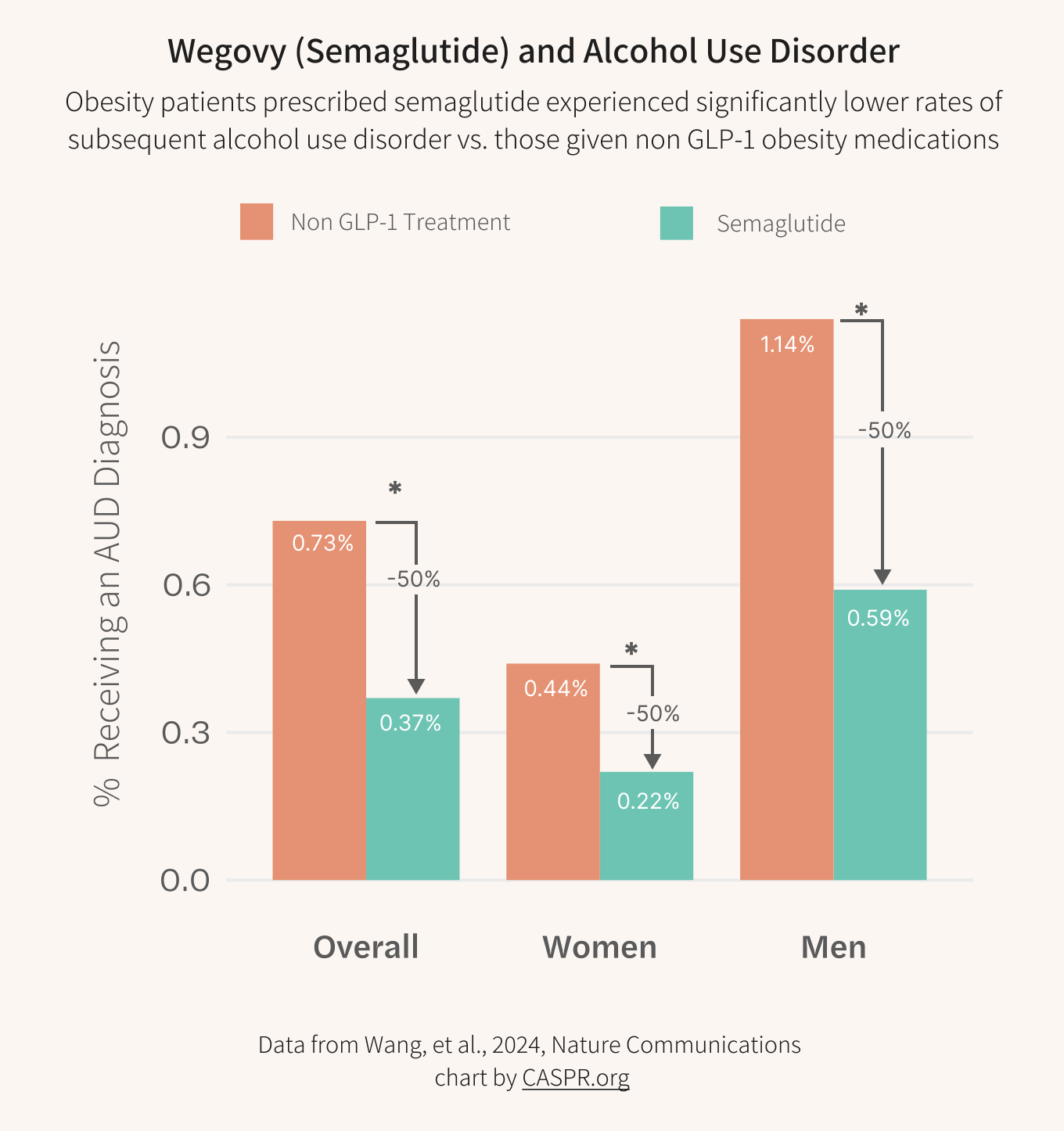
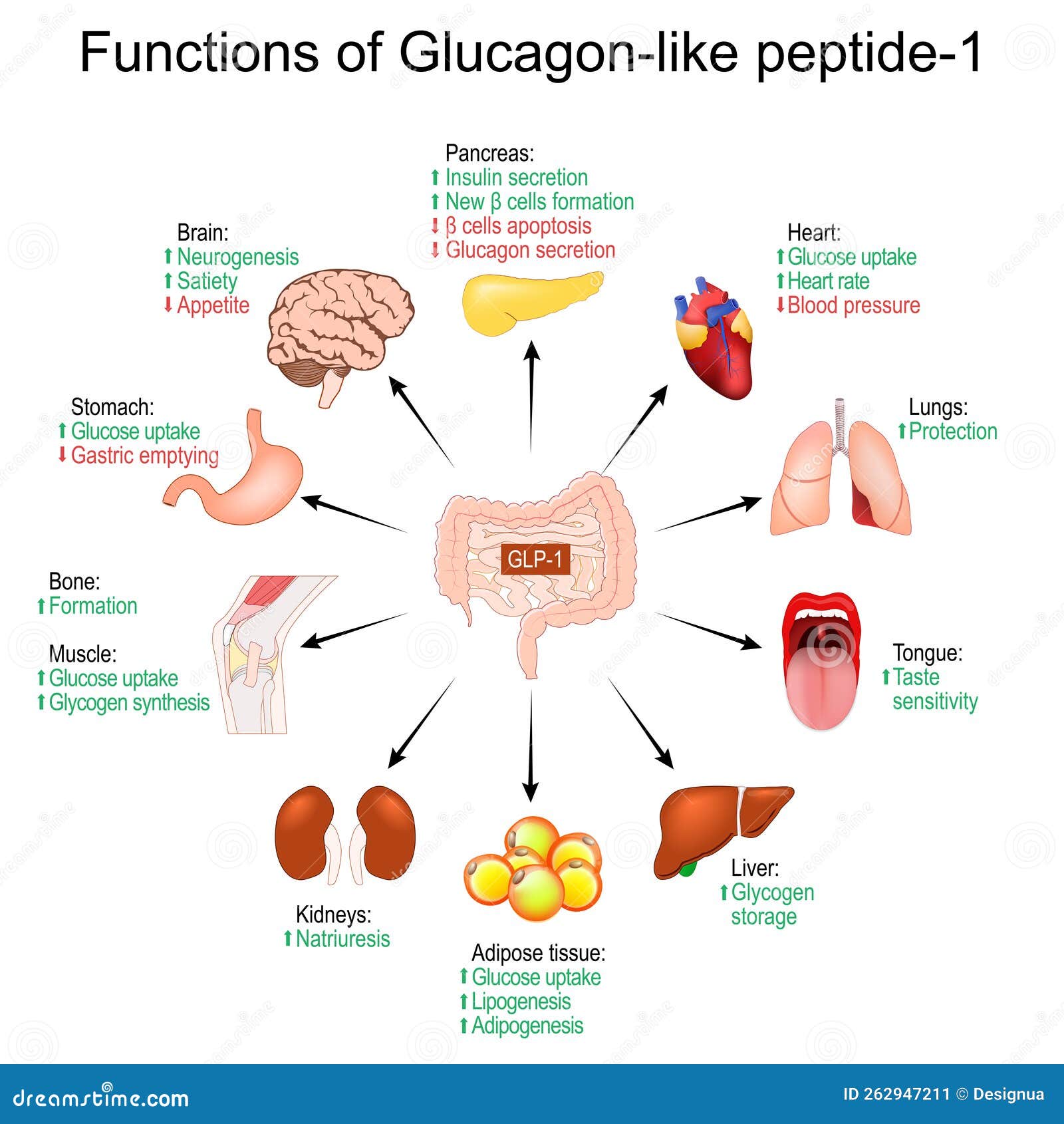
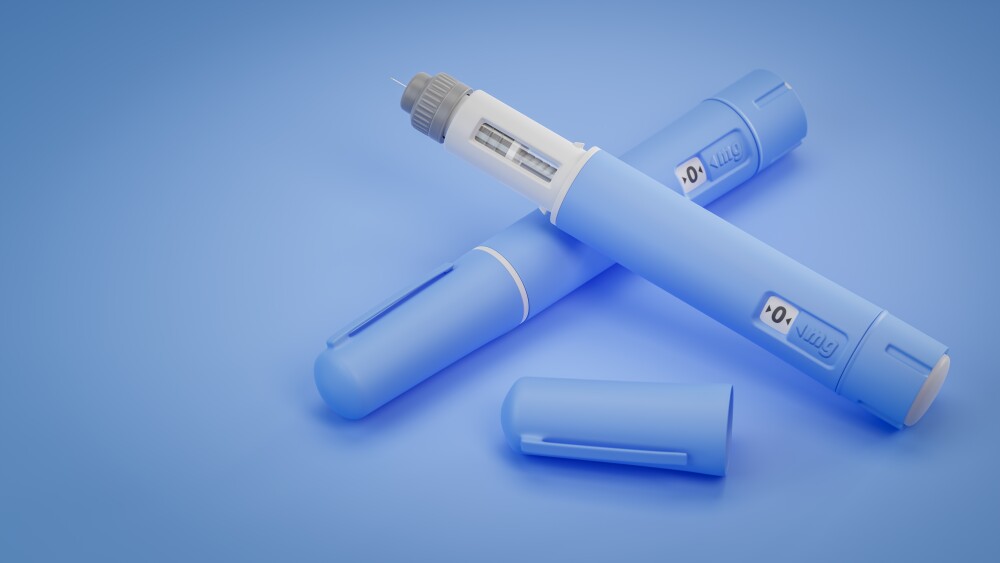
GLP-1 is a naturally occurring hormone involved in appetite regulation, digestion, and insulin release. Typically, GLP-1 medications have been used to treat type 2 diabetes and obesity by slowing gastric emptying, increasing satiety, reducing hunger, and food cravings. However, emerging evidence suggests that GLP-1 may also have a profound effect on the brain's reward system, making it a promising candidate for treating food addiction.
GLP-1 and Food Addiction: Breaking the Cycle
Food addiction is often characterized by compulsive eating, intense cravings, and loss of control. GLP-1, with its ability to regulate appetite and reduce cravings, may help individuals break the cycle of food addiction. By targeting the brain's dopamine reward system, GLP-1 could potentially reduce the emotional and psychological association with food, leading to a more balanced and sustainable relationship with eating.