Can a DNA Test Predict Health Risks?
DNAtesting has become a popular tool for individuals seeking insights into their health and future well-being. By analyzing specific genetic markers, these tests can identify potential health risks, giving people a glimpse into possible future medical conditions. As the technology becomes more accessible, many are curious if DNAtesting can truly predict future health problems.
In this article, we will delve into the accuracy of DNAtesting, its ability to predict cancer risk and the conditions it can identify. Understanding DNA testing, its benefits, and its limitations is essential to make informed decisions about one's health and future well-being.
What is DNA Testing?

DNAtesting, also known as genetic testing, involves analyzing the unique genetic code that determines an individual's traits, physical characteristics, and susceptibility to certain diseases. By examining specific genes or genetic markers, DNAtests can provide insights into inherited conditions, potential health risks, and even how the body might respond to certain medications.
- Genetic testing can identify diseases that have run in the family.
- DNAtesting can provide a diagnosis for genetic conditions such as fragile X syndrome.
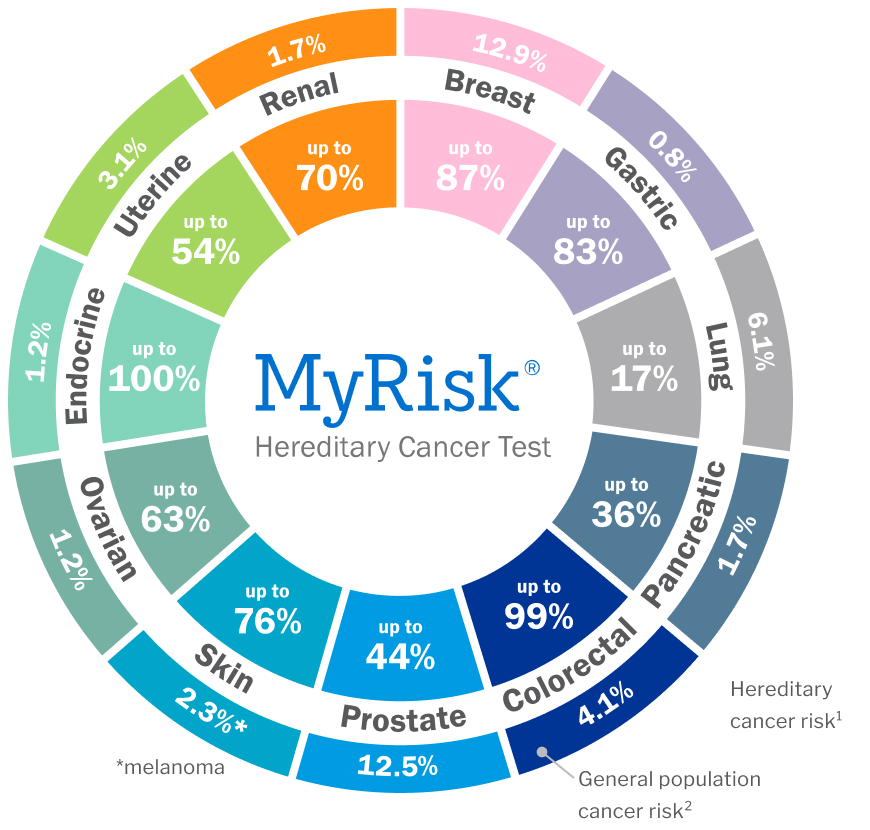
- The test results can offer insights into an individual's risk of developing cancer.
- Genetic markers can indicate how a person might respond to certain medications.