Binge Eating Disorder and GLP-1: A Comprehensive Guide
What is Binge Eating Disorder?
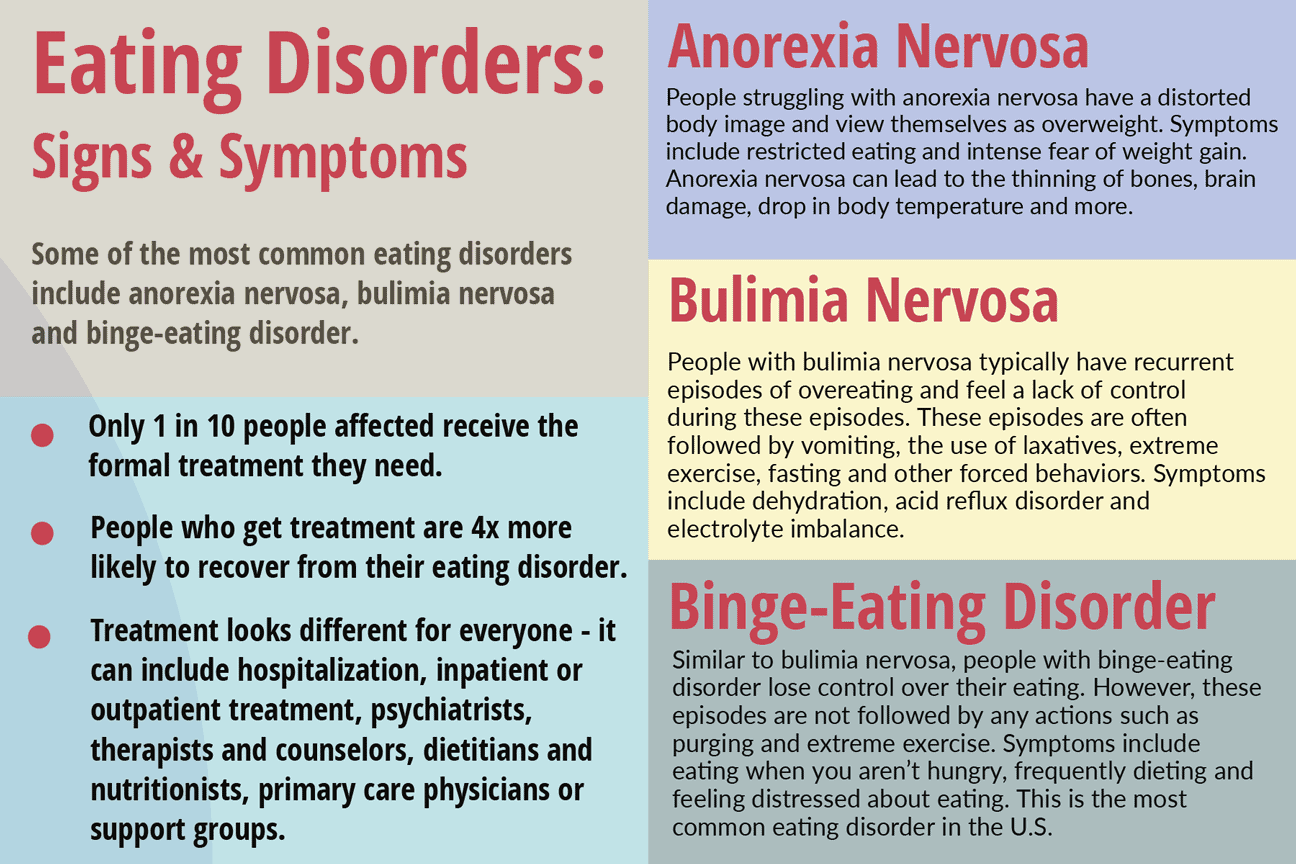
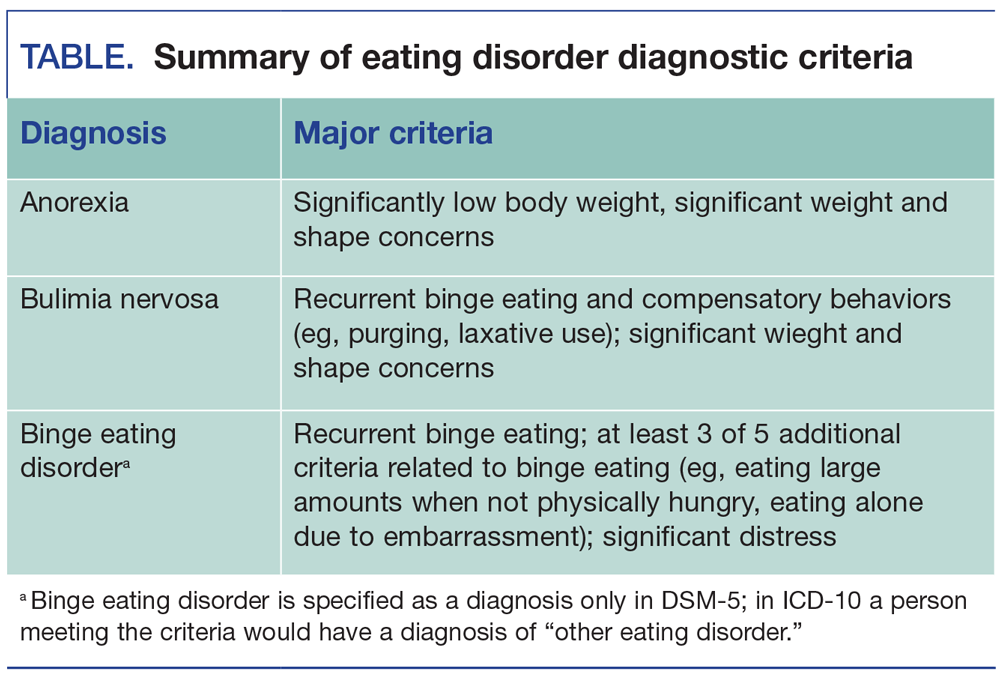
Binge eating disorder (BED) is a common eating disorder characterized by recurring episodes of excessive food consumption, often accompanied by feelings of guilt, shame, and loss of control. It is a complex condition that can have severe consequences on an individual's physical and mental health.
Introduction to GLP-1 and its Role in Eating Disorders
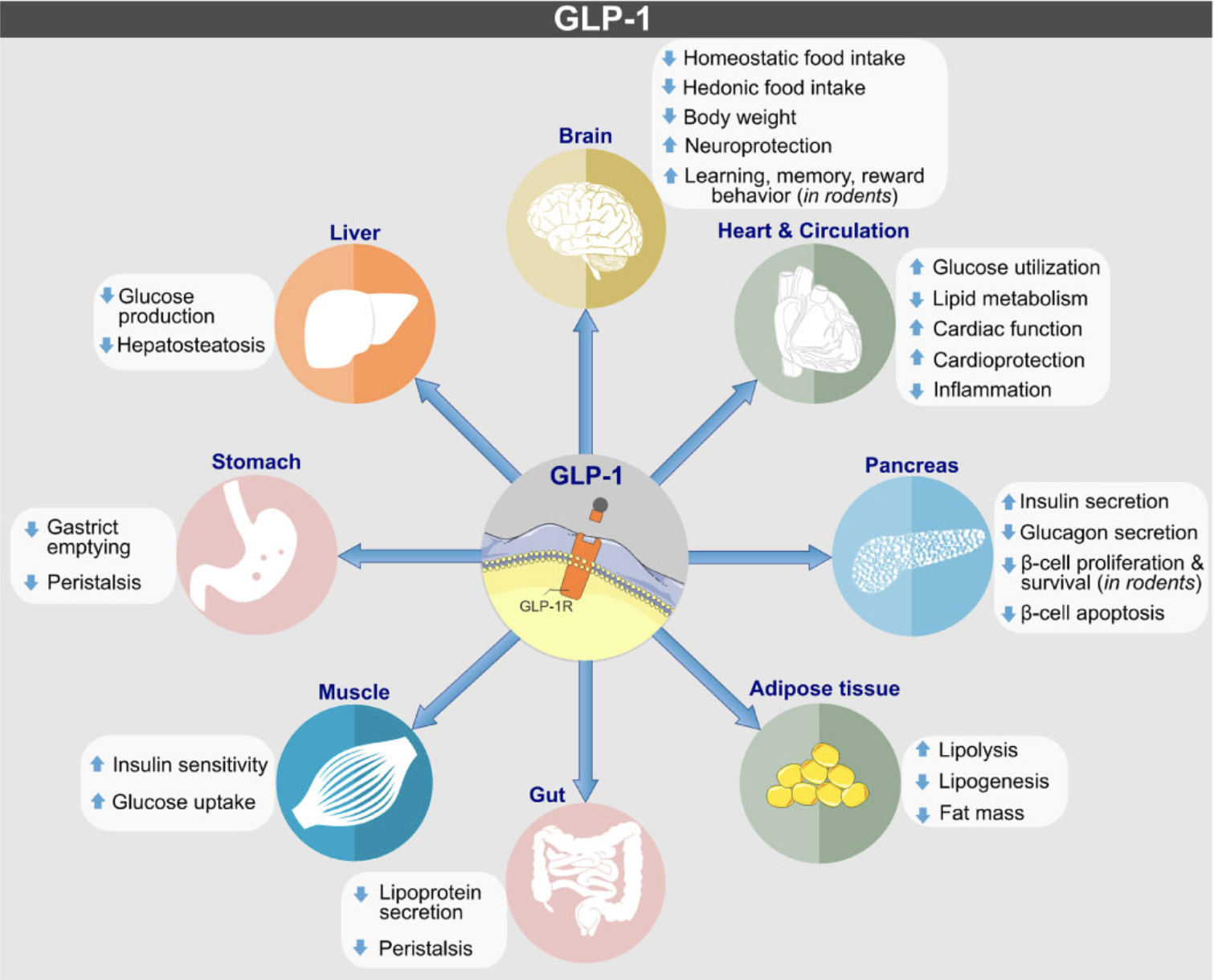
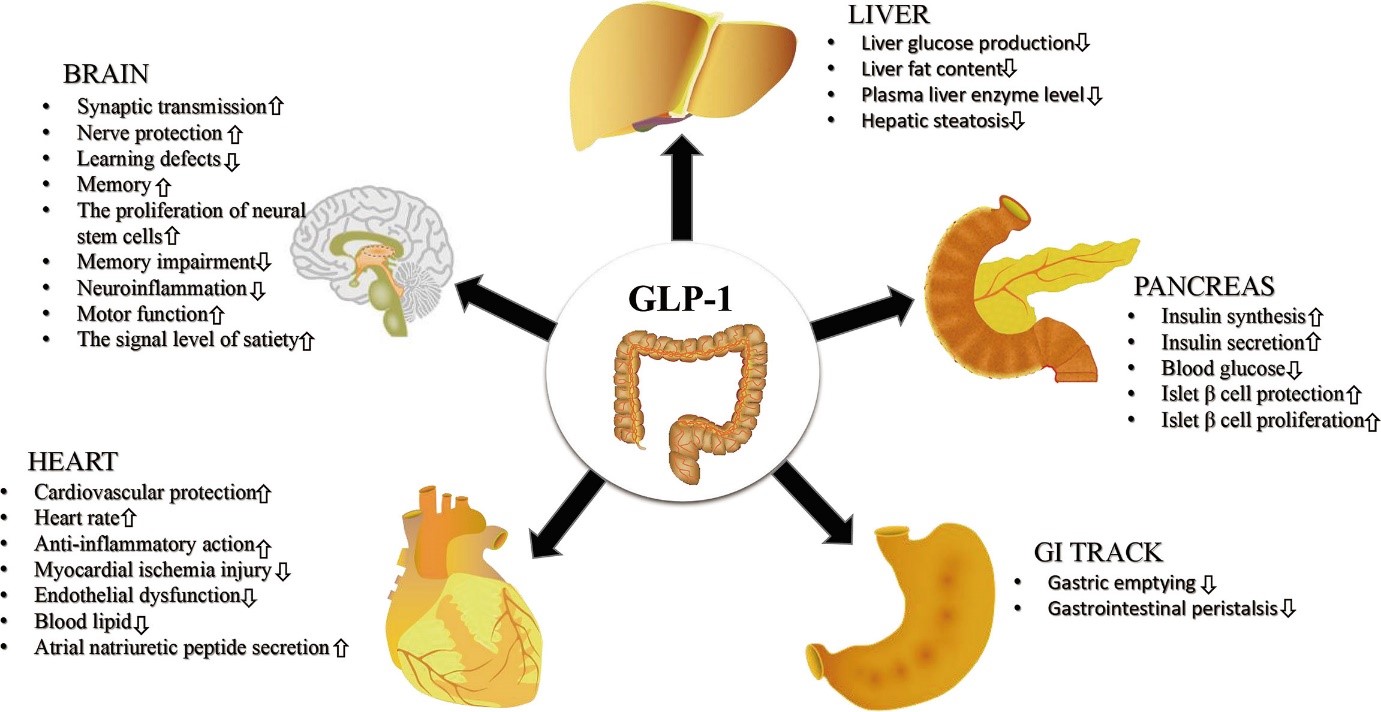
Glucagon-like peptide-1 (GLP-1) is a hormone released by the intestines in response to food intake. It plays a crucial role in regulating appetite, satiety, and glucose metabolism. Recent research has explored the potential of GLP-1 receptor agonists (GLP-1RAs) in treating eating disorders, including binge eating disorder (BED).
The Link Between GLP-1 and Binge Eating Disorder
GLP-1RAs and Binge Eating Disorder Treatment

GLP-1RAs, such as liraglutide (Saxenda) and semaglutide (Wegovy), have shown promise in reducing binge eating behaviors, body weight, and comorbidities in individuals with BED and bulimia nervosa. These medications have a favorable psychiatric side effect profile compared to current medical treatments.
Key Benefits of GLP-1RAs for BED Treatment
- Reduced binge eating behaviors
- Decreased body weight and comorbidities
- Favorable psychiatric side effect profile
- Complementary to traditional therapies
- May enhance mental health outcomes
Concerns and Considerations
- Risks of worsening pathological dietary restriction and preventing regular eating
- Uncertainty of long-term effects
- Potential for abuse and dependence



:max_bytes(150000):strip_icc()/binge-eating-disorder-diagnosis-5181755_FINAL-62daf89832dd4f26b1a2689b889a3eca.jpg "GLP-1 and Binge Eating Disorder: Can It Help? - Doctronic")