Best Practices for Remote Team Communication: Strategies for Success
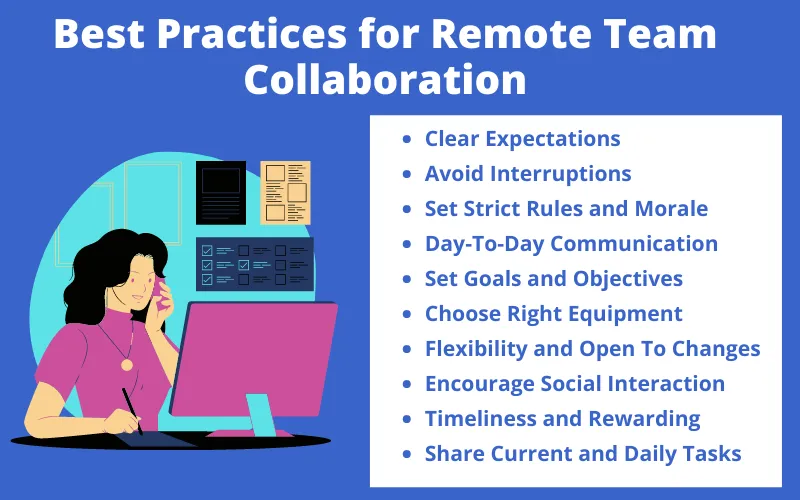
As more teams opt for remote work, the importance of effective communication cannot be overstated. Without strong communication strategies, teams risk misalignment, lost productivity, and disengagement. In this article, we'll explore the best practices for remote team communication, including choosing the right tools, setting clear norms, running effective check-ins, using asynchronous communication, and fostering transparency.
Choosing the Right Tools
Among the best practices for remote team communication, choosing the right tools is crucial. With a plethora of communication tools available, it's essential to select the ones that best suit your team's needs. Consider the following:
- Video conferencing tools**: Choose tools like Zoom, Google Meet, or Skype for face-to-face interactions.
- Instant messaging apps**: Select tools like Slack, Microsoft Teams, or Asana for real-time communication.
- Email**: Use email for formal communication, documentation, and long-form messages.
- Project management tools**: Select tools like Trello, Asana, or Basecamp for task management and collaboration.

Setting Clear Norms
Setting clear communication norms is essential to establish a common understanding of communication expectations. Consider the following best practices:
- Define communication protocols**: Determine what goes in Slack vs. email vs. meetings.
- Establish response times**: Set clear expectations for response times to avoid misunderstandings.
- Use clear and concise language**: Avoid using jargon or complex language that might confuse team members.
- Respect time zones**: Be considerate of team members' time zones and avoid scheduling meetings during their off-hours.