Setting Up a Reliable G Network in Rural Areas: A Comprehensive Guide
Introduction
Rural areas often face unique challenges when it comes to internet connectivity. Poor signal strength, limited infrastructure, and sparse population density can make it difficult for residents to access high-speed internet. However, with the advent of new technologies and innovative solutions, it's now possible to set up a reliable 4G or 5G network in rural areas, ensuring that residents stay connected and productive.Understanding the Challenges Faced by Rural Areas
Rural areas pose a significant challenge to internet service providers (ISPs) due to the following reasons:- Radio signal degradation due to distance from cell towers
- Limited number of cell towers and reduced coverage
- Hilly or mountainous terrain that obstructs signal transmission
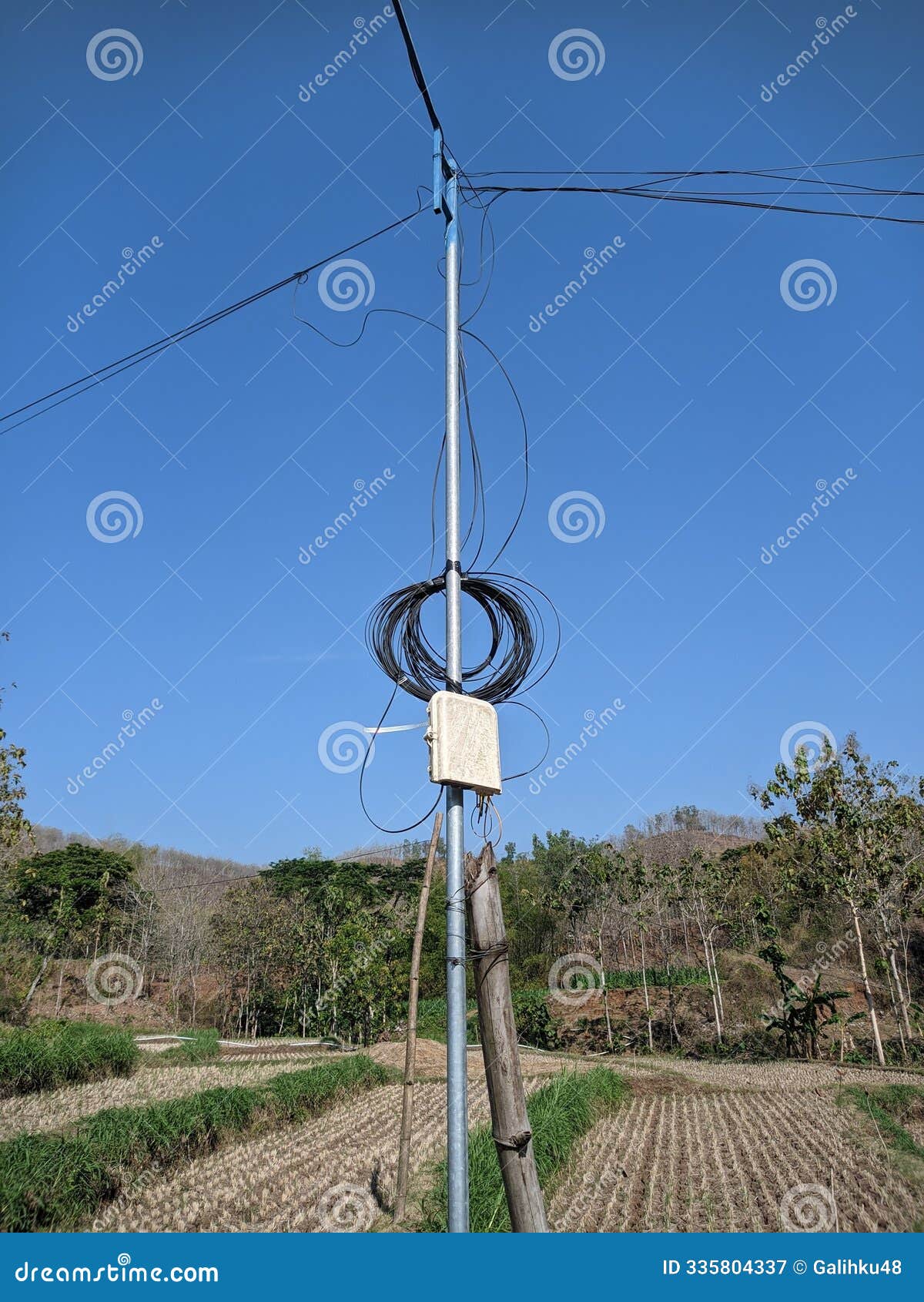
- Inadequate accessibility to fiber-optic cable networks

Popular Internet Options for Rural Areas
Fortunately, there are several internet options available for rural areas, each with its unique advantages and disadvantages.- Fiber-optic cable networks: Although expensive to install, fiber-optic cables offer the fastest and most reliable internet connection.
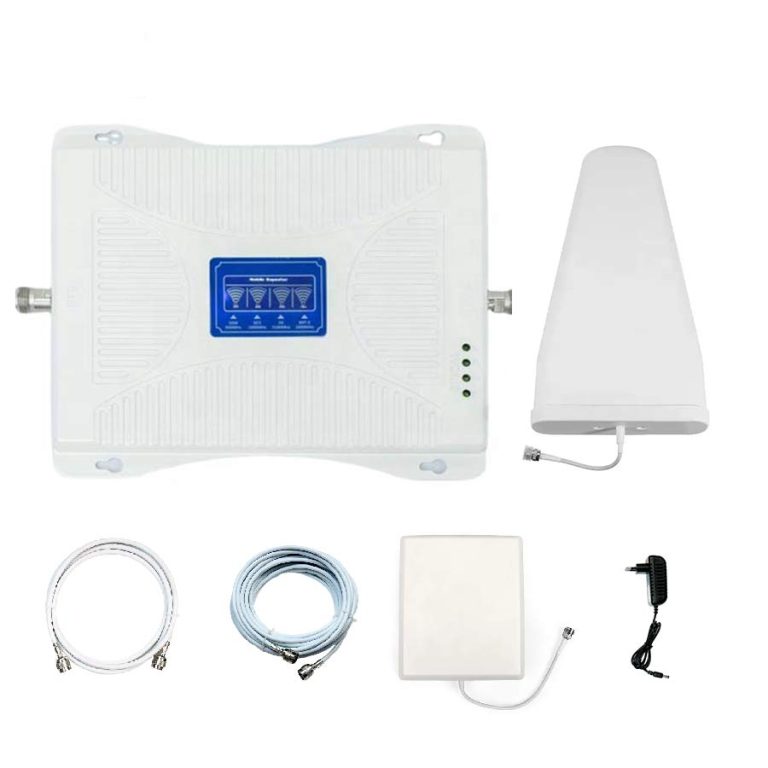
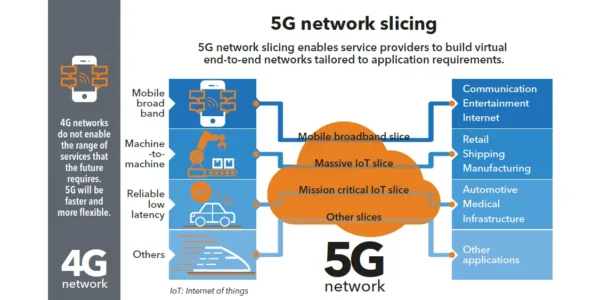
- Wireless or 5G network: Wireless networks have improved significantly, offering faster speeds and better coverage, especially in rural areas.
- Satellite internet: This option is perfect for remote areas without access to cable or wireless networks.
- Mobile broadband: Mobile broadband offers a convenient and affordable option for those who need to stay connected on the go.