Types of Export License Applications: A Comprehensive Guide
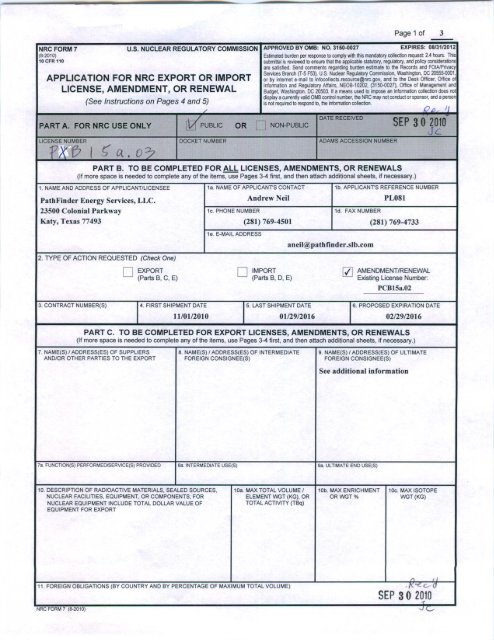
Exporting goods and services to foreign markets can be a highly lucrative business, but it requires compliance with various regulations and laws. One of the most critical components of international trade is obtaining the necessary export licenses. In this article, we will explore the types of export license applications, their codes, uses, and requirements, as well as provide guidance on how to submit applications efficiently.
What are Export Licenses?
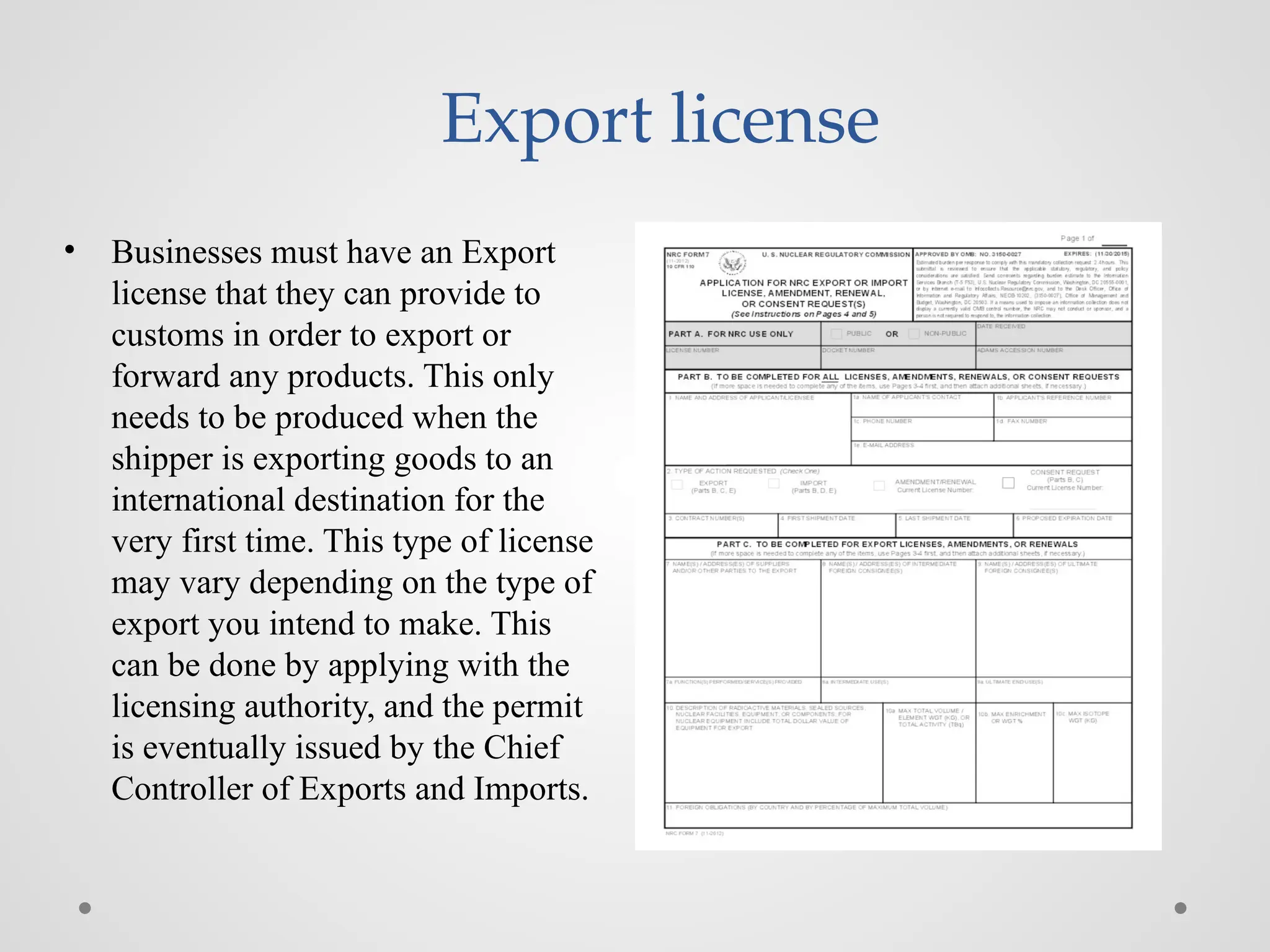
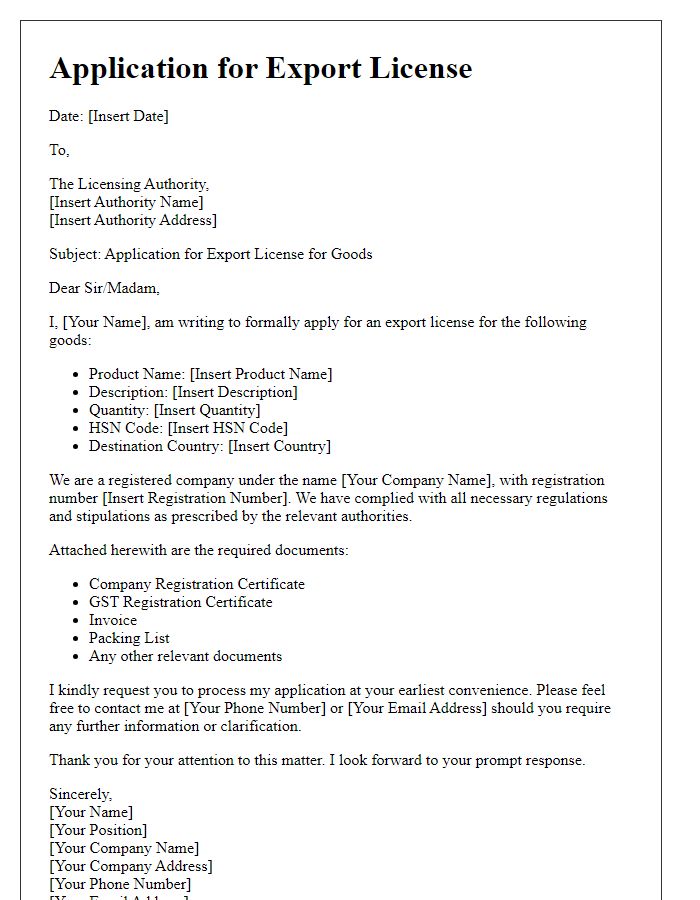
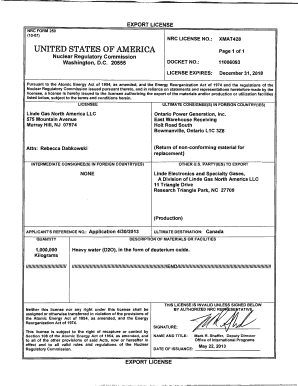
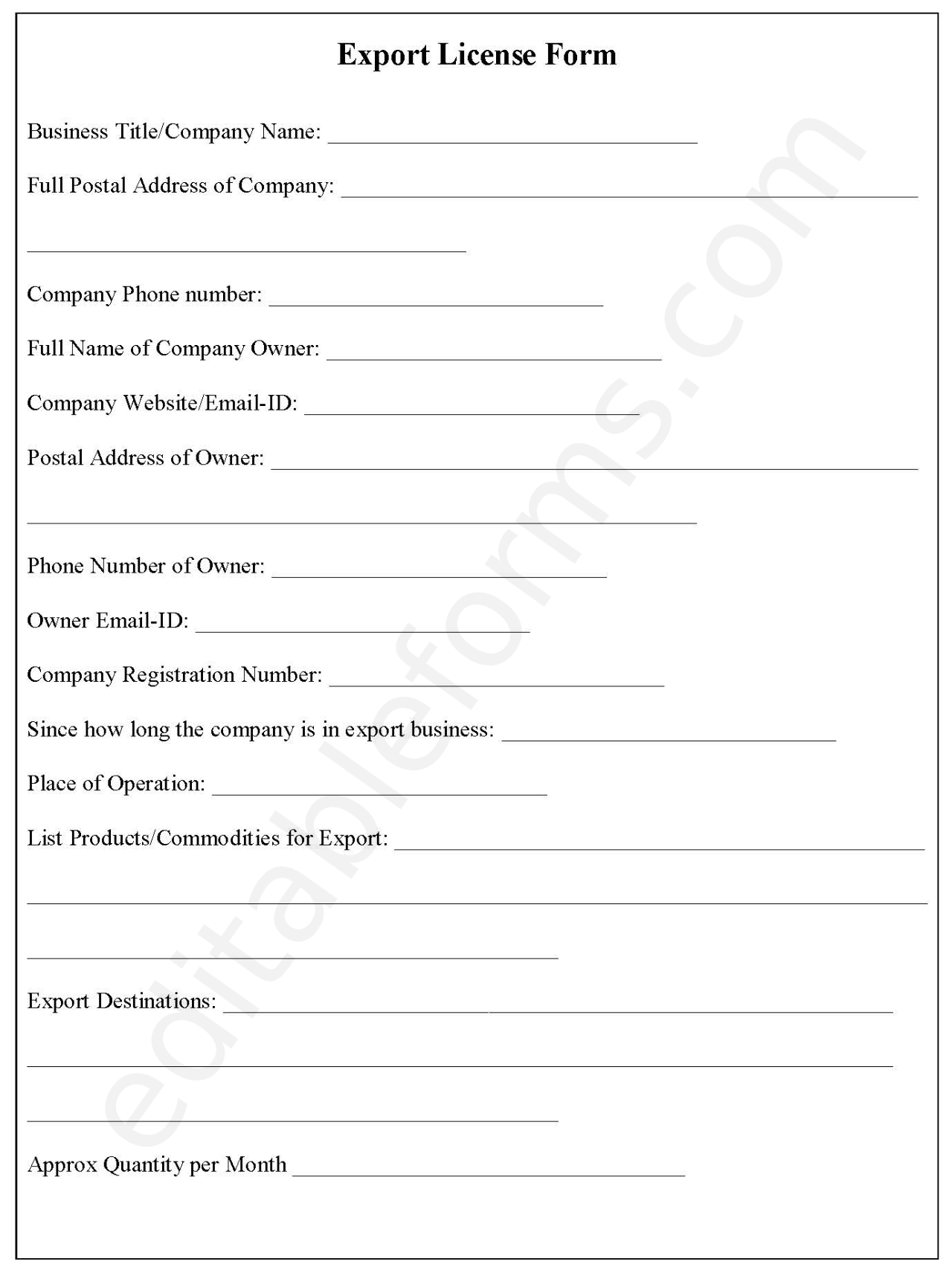
An export license is a government-issued document that authorizes or grants permission to conduct a specific export transaction, including the export of technology. The primary purpose of an export license is to permit the export of certain tangible products that are otherwise restricted. The authorized licensing agency can only issue it with no export license cost, enabling the exporter to transport and display their goods in the international market.
Types of Export License Applications
There are several types of export license applications, each with its specific application and requirements. Some of the most common types of export licenses include:
-
General License: A general license is a broad license that allows the export of certain goods or technologies to specific countries or regions without the need for a specific license.
-
Specific License: A specific license is required for the export of goods or technologies that are subject to strict regulations and controls.
-
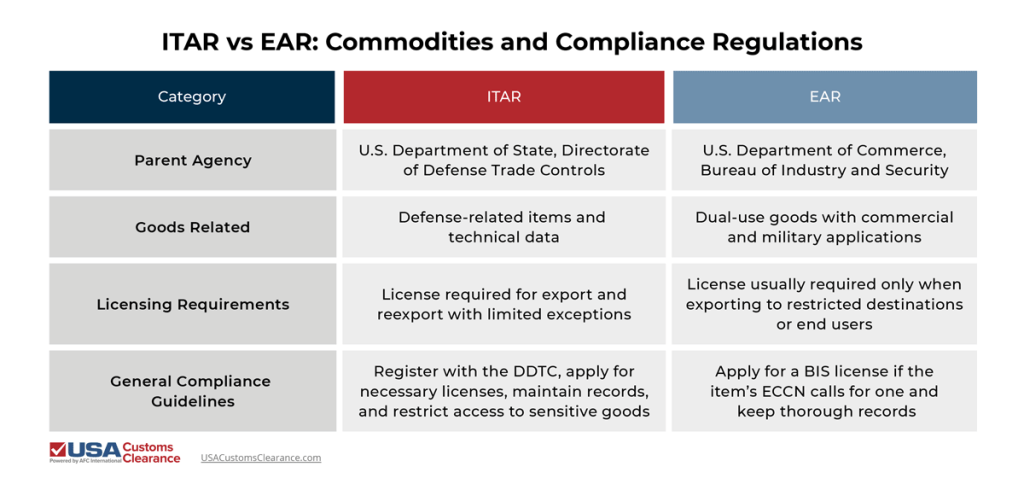
Dual-Use License: A dual-use license is required for the export of goods or technologies that have both civilian and military applications.
-
Individually Validated License (IVL): An IVL is a type of license that is individually validated by the licensing agency to ensure compliance with export regulations.