Understanding the Pharmacokinetics of GLP 1 and Low Carb
Glucagon-like peptide-1 (GLP-1) receptor agonists have revolutionized the treatment of type 2 diabetes and obesity. These medications mimic the action of the GLP-1 hormone, which plays a crucial role in glucose metabolism. However, the pharmacokinetics of GLP-1 and its relationship with low-carb diets are complex and multifaceted.
The Mechanism of GLP-1
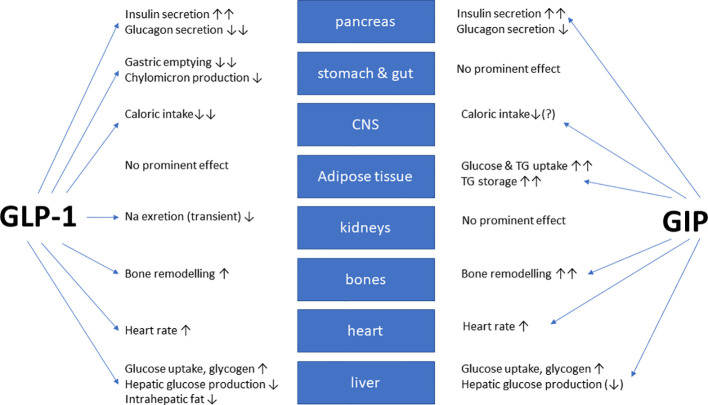
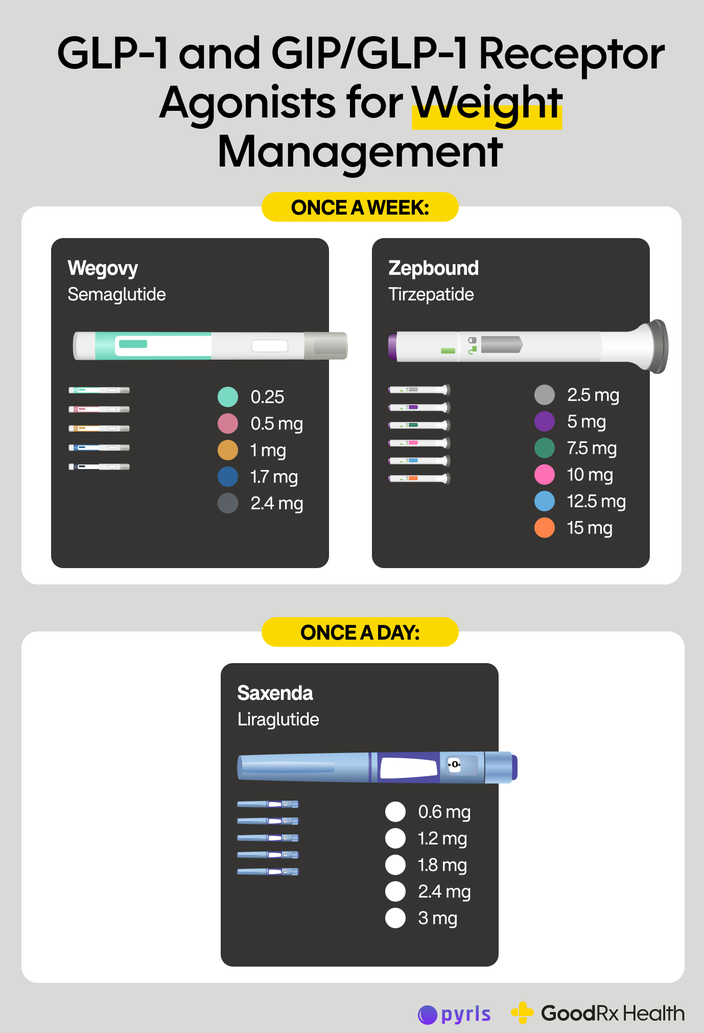
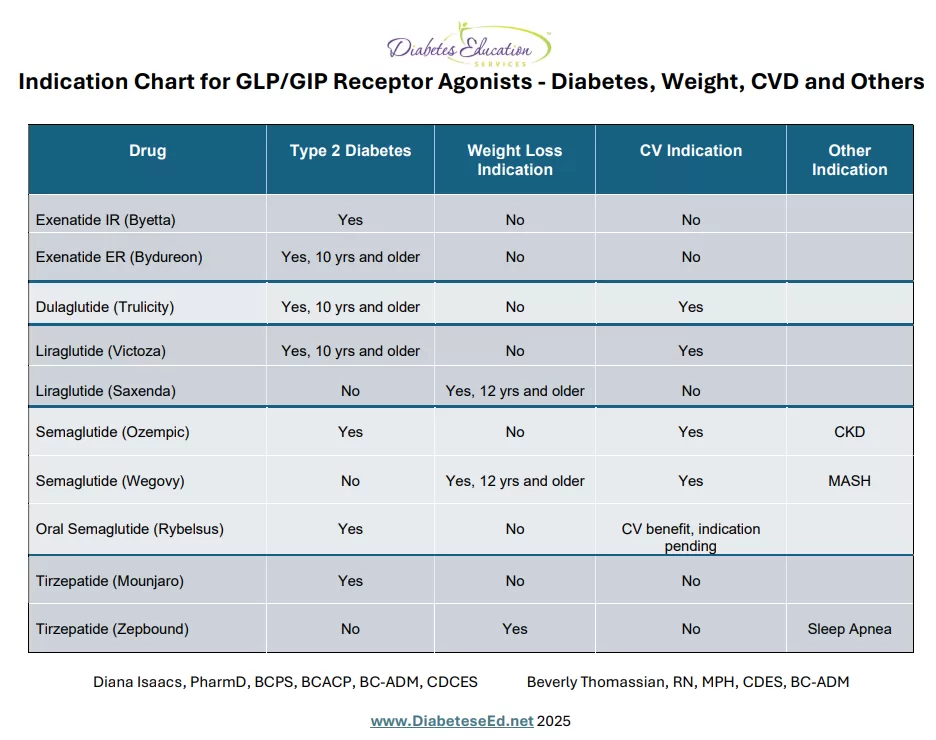
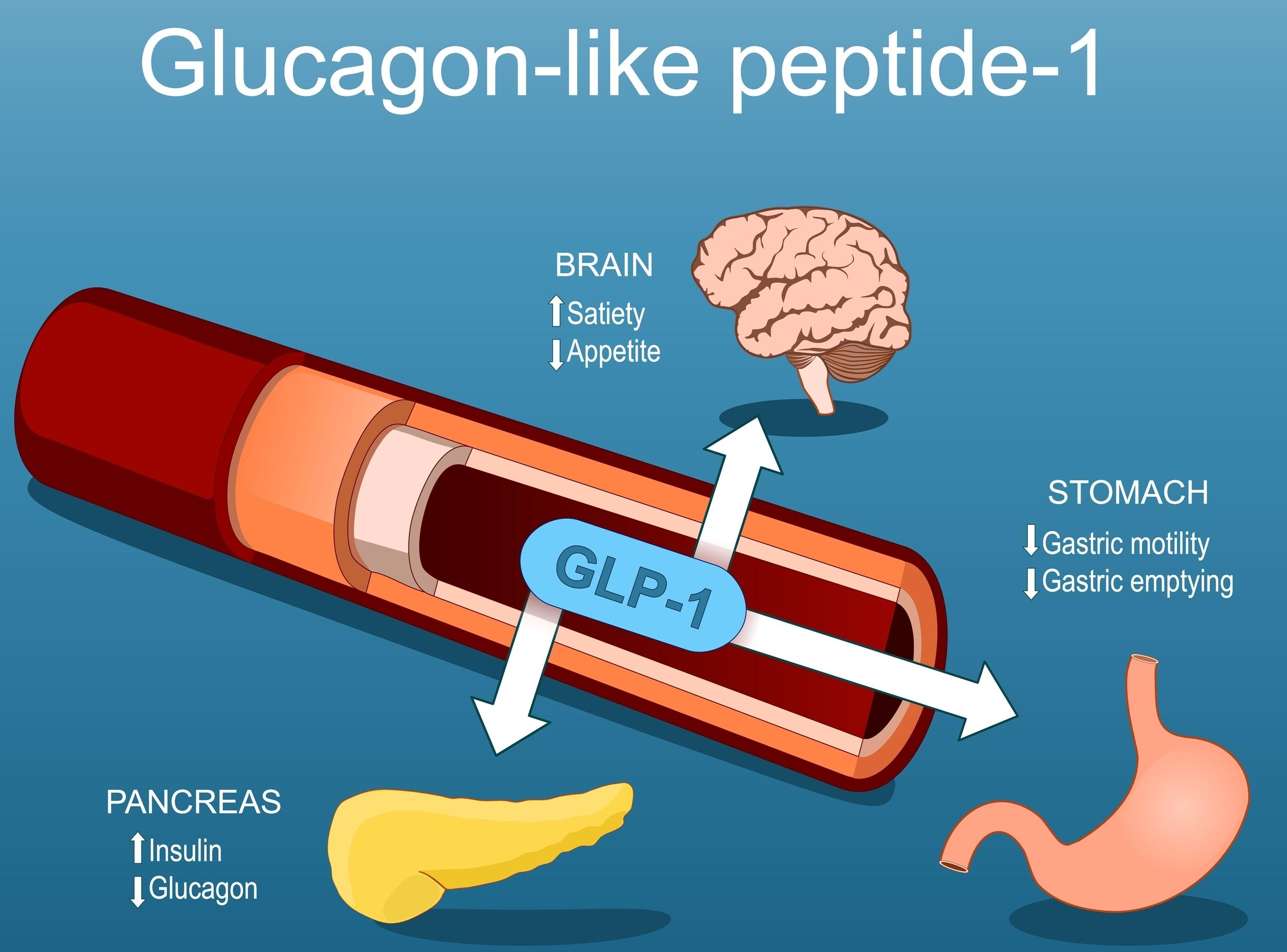
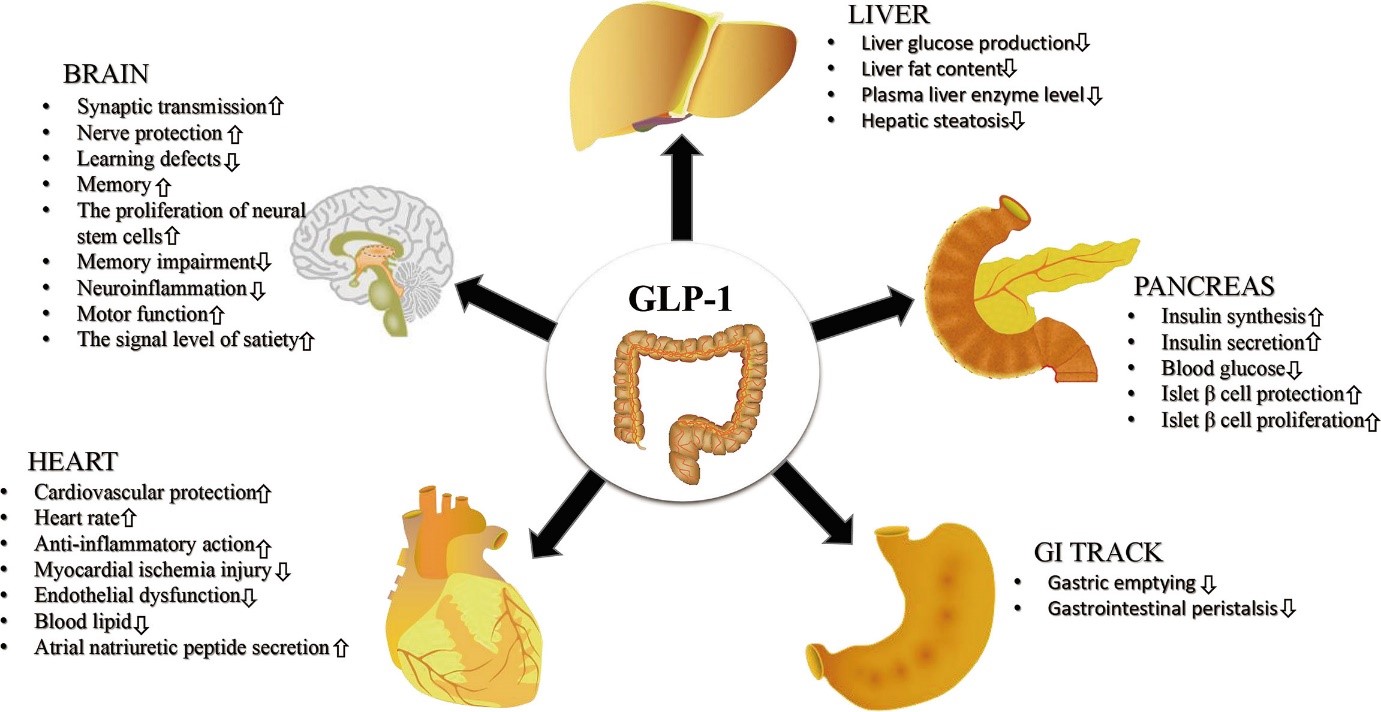
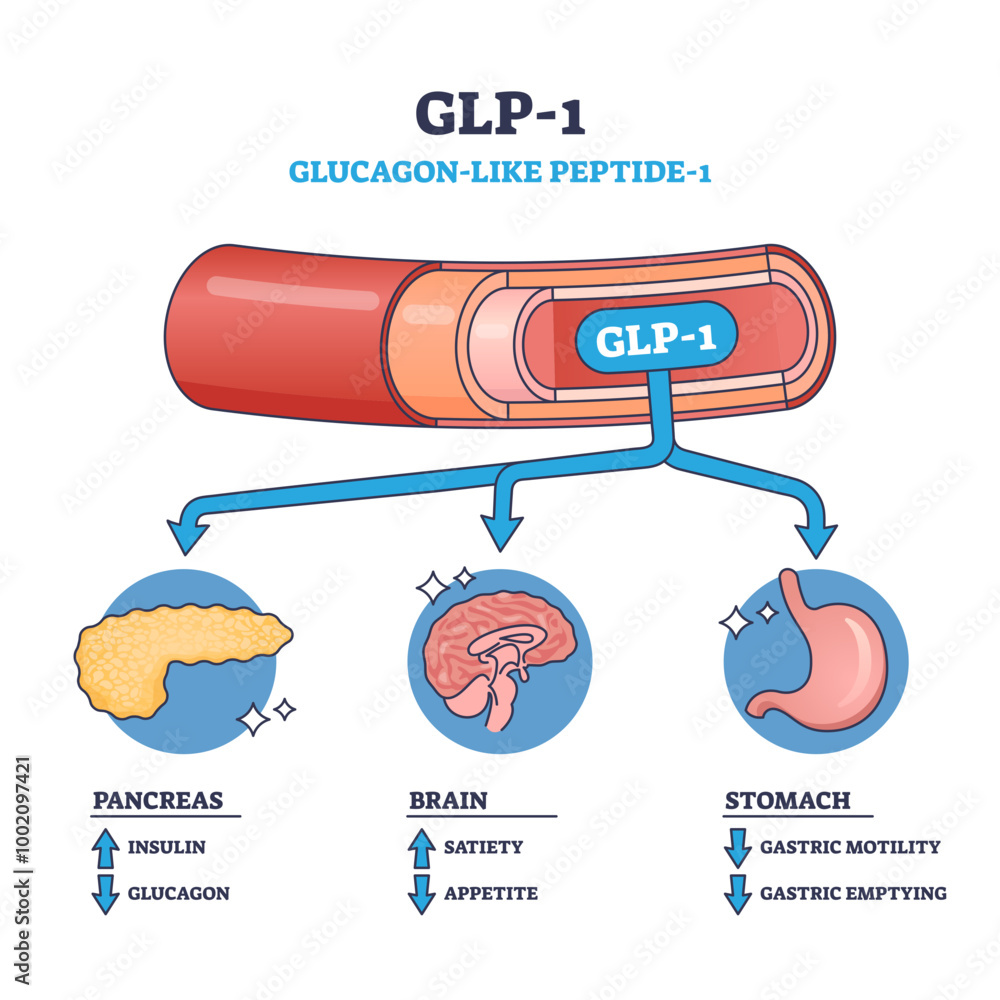
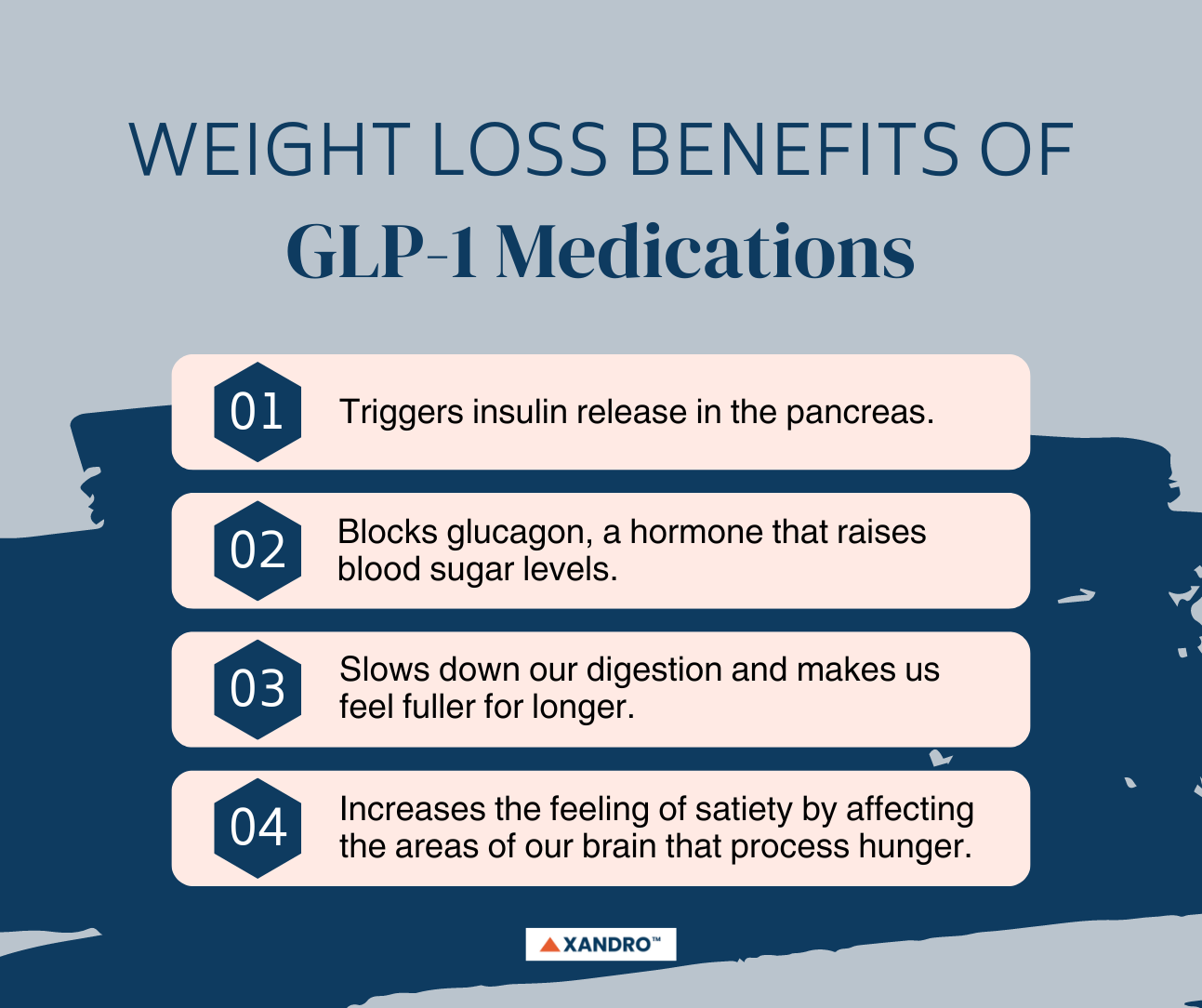
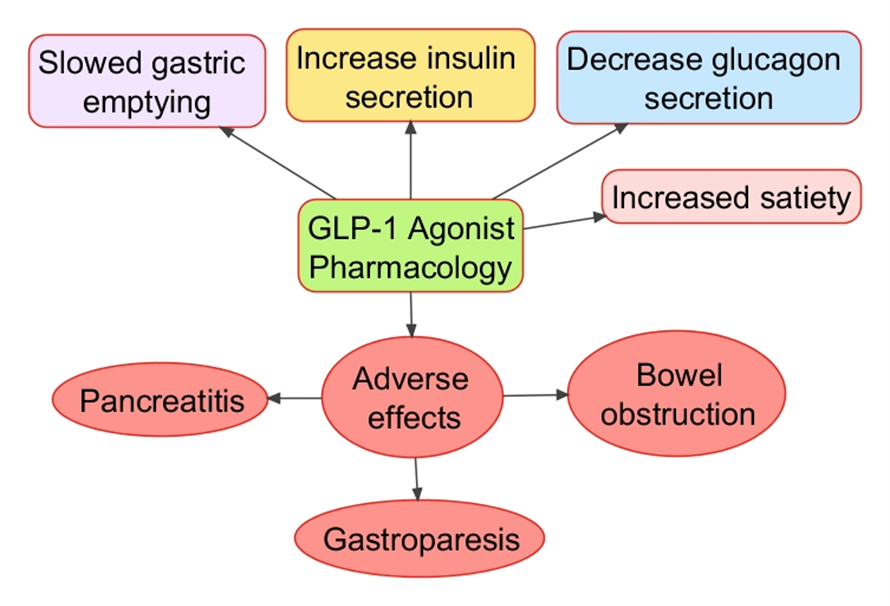
GLP-1 is a hormone produced by the intestines in response to food intake. It promotes insulin secretion, inhibits glucagon release, and delays gastric emptying, all of which contribute to improved glucose control. GLP-1 receptor agonists, such as exenatide, liraglutide, and semaglutide, mimic the action of GLP-1, leading to increased insulin secretion and reduced glucagon levels.
Pharmacokinetics of GLP-1
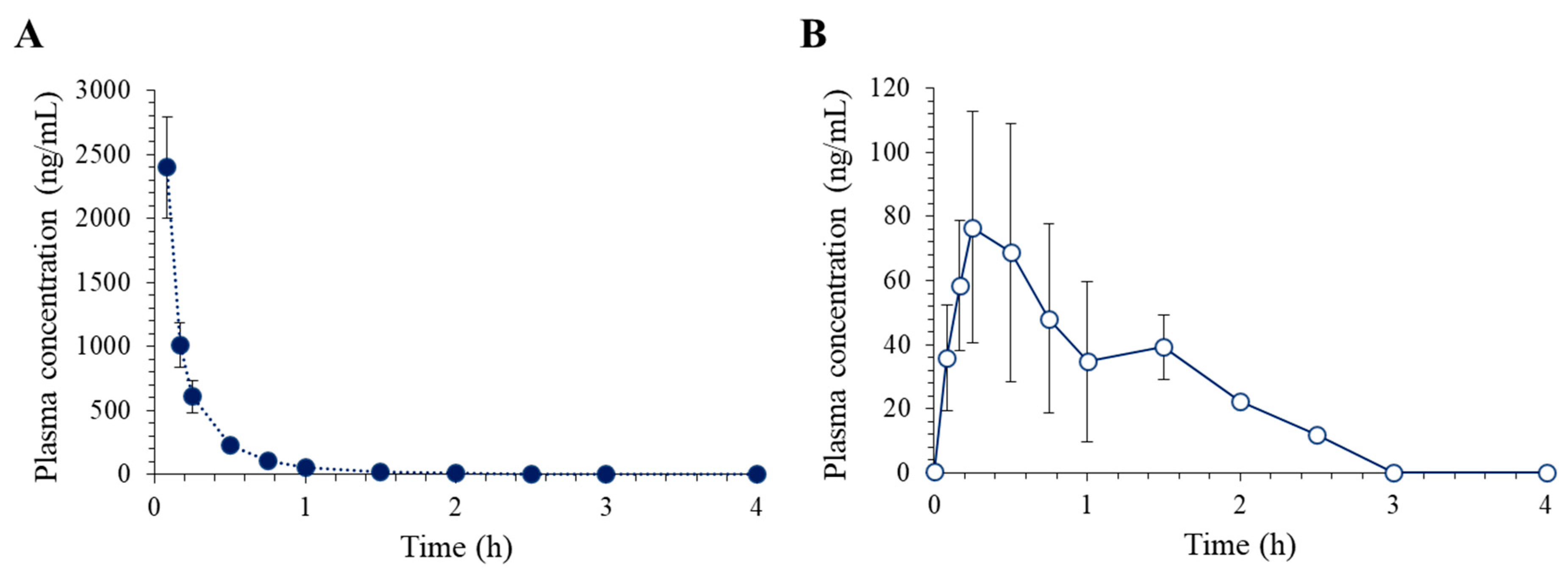
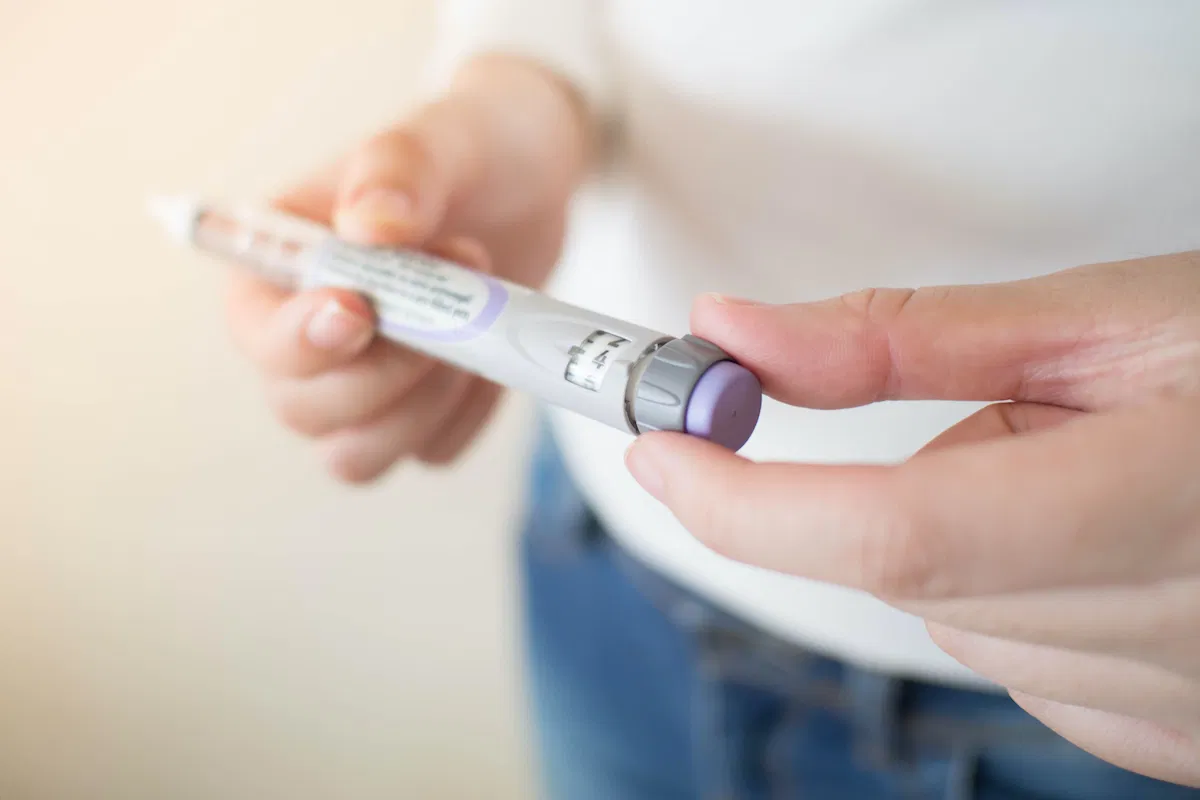
The pharmacokinetics of GLP-1 involve its absorption, distribution, metabolism, and excretion. GLP-1 receptor agonists are administered subcutaneously, and their absorption is influenced by factors such as injection site, dosing frequency, and individual variability. Once absorbed, GLP-1 receptor agonists are distributed to the liver, pancreas, and other tissues, where they exert their therapeutic effects.
The Role of Low-Carb Diets in GLP-1 Pharmacokinetics
Low-carb diets have been shown to enhance the effects of GLP-1 receptor agonists by promoting fat loss, reducing insulin levels, and increasing satiety. This is because low-carb diets lead to a reduction in insulin resistance, allowing GLP-1 receptor agonists to work more effectively. Additionally, low-carb diets may also enhance the expression of GLP-1 in the gut, further contributing to improved glucose control.