Glacagon-Like Peptide-1 Receptor Downregulation and Weight Gain
Glucagon-like peptide-1 (GLP-1) receptor agonists (GLP-1RAs) have emerged as breakthrough agents for weight loss. However, discontinuation is common, and clinical trials have demonstrated significant weight regain following cessation. In this article, we aim to explore the mechanisms involved in GLP-1 receptor downregulation and weight gain after GLP-1RA discontinuation.
Pathways and Brain Regions Involved in Weight Regulation
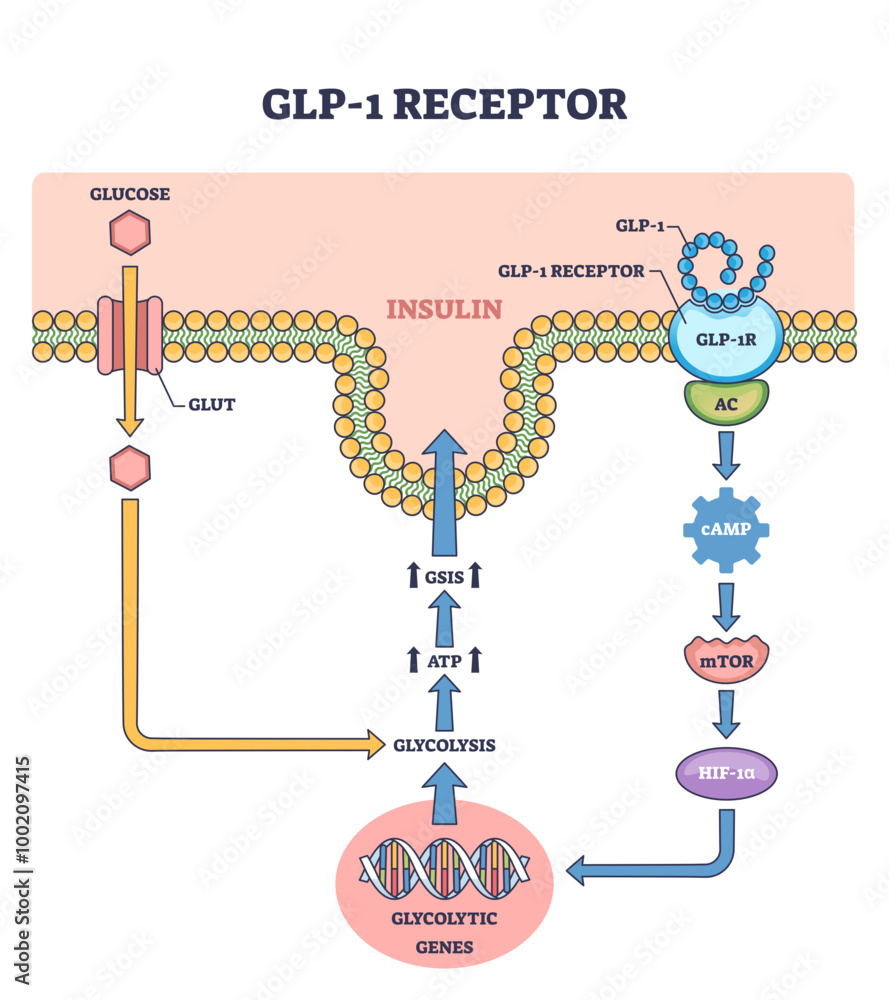
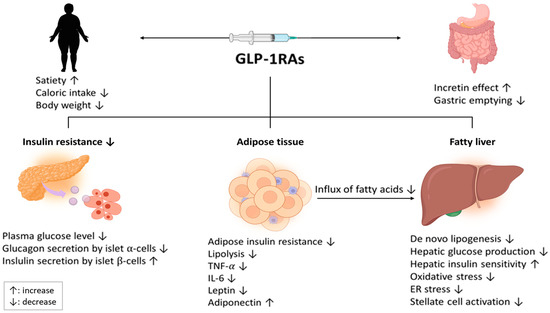
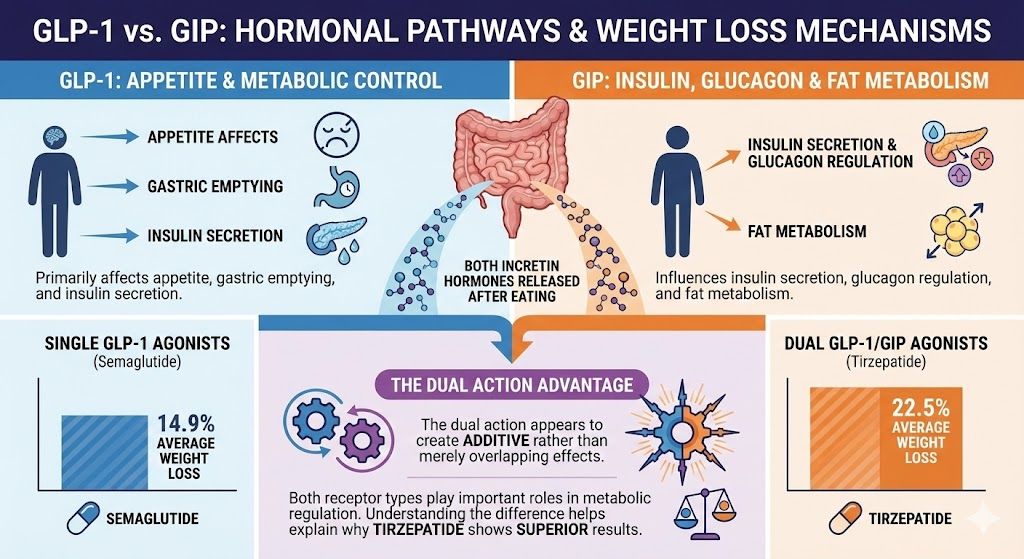
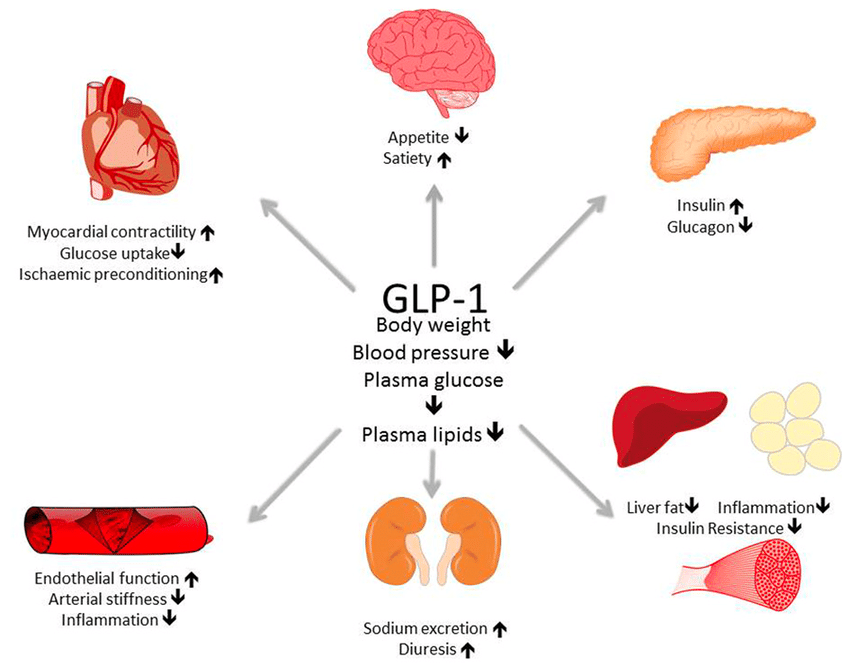
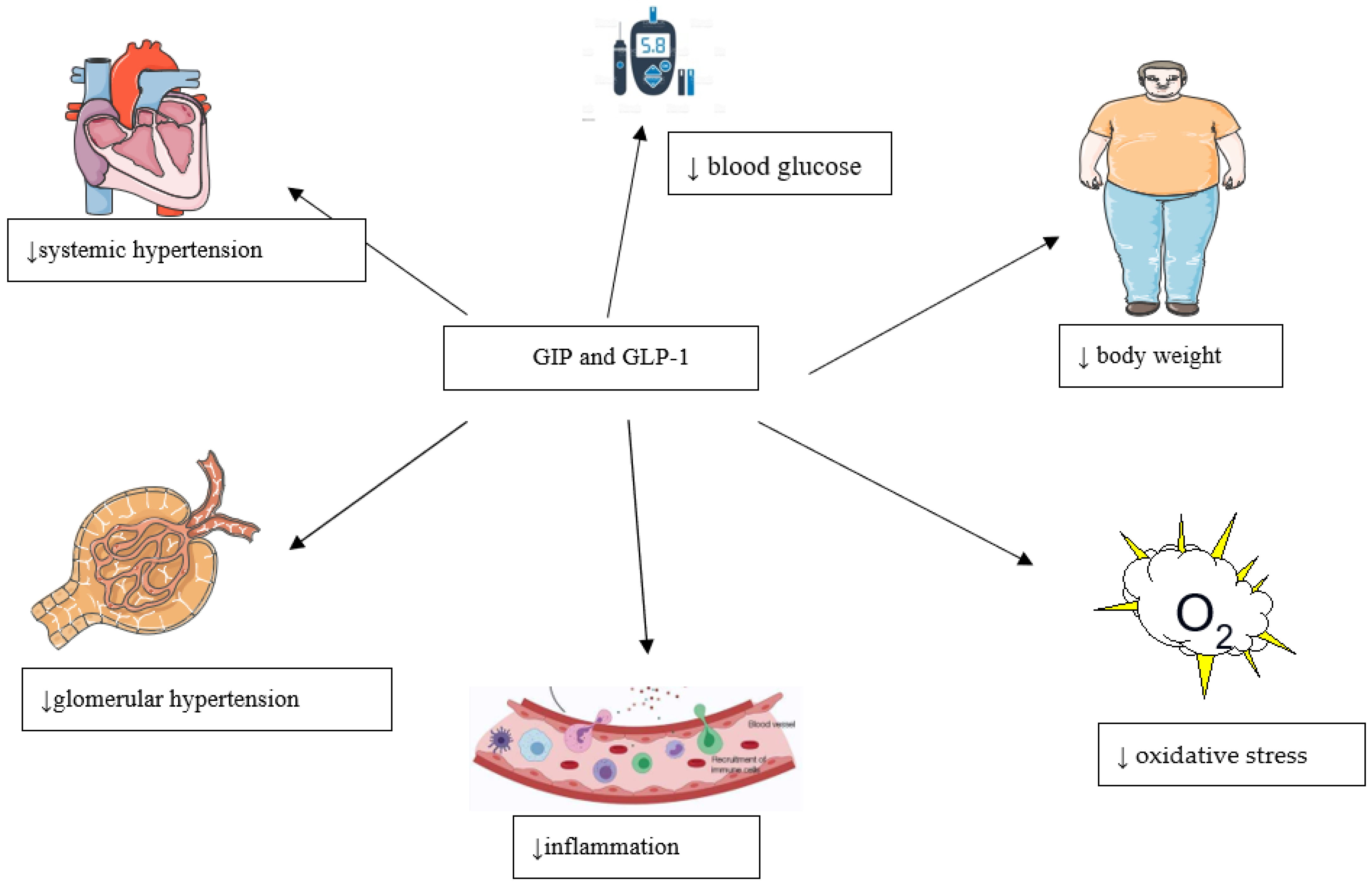
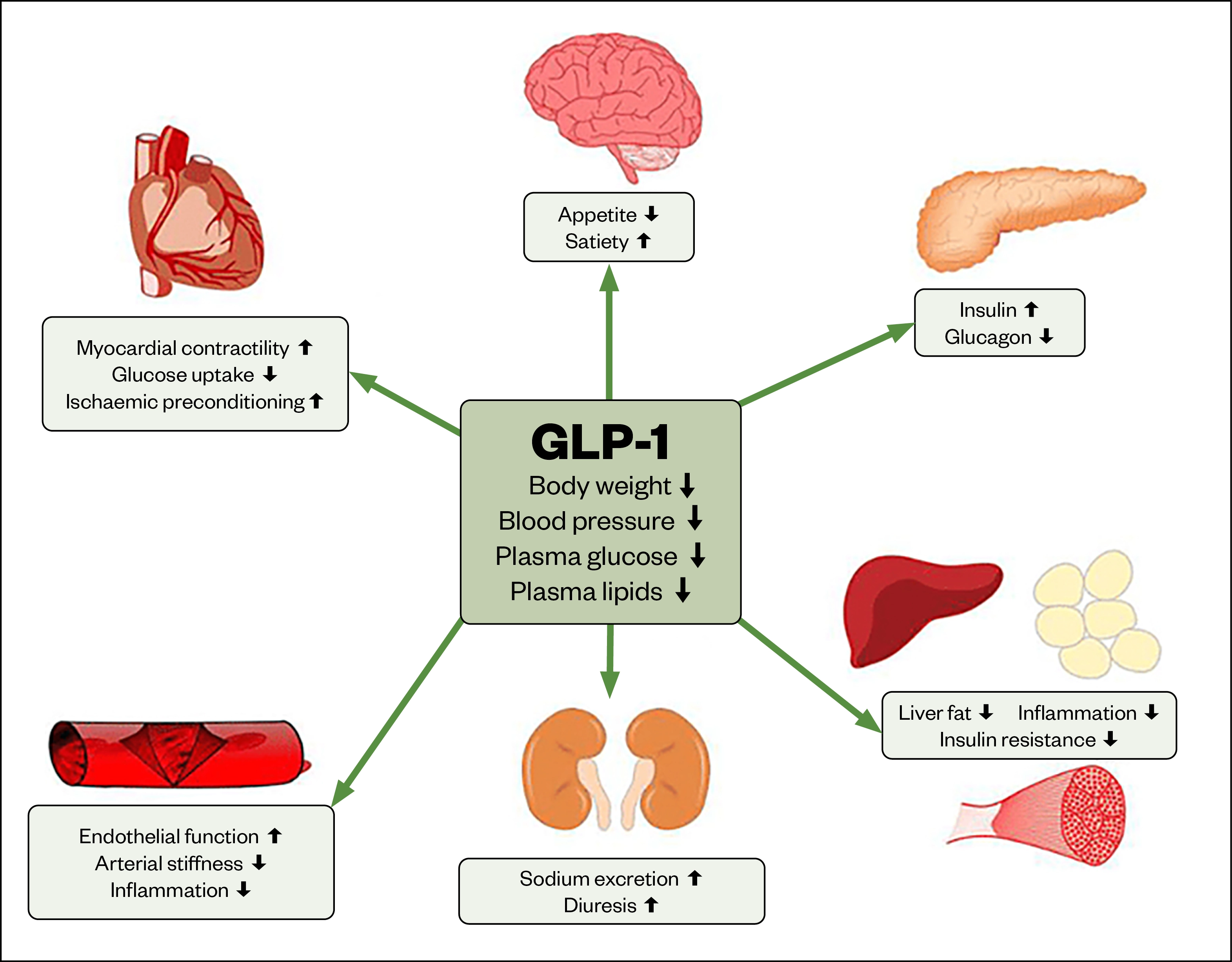
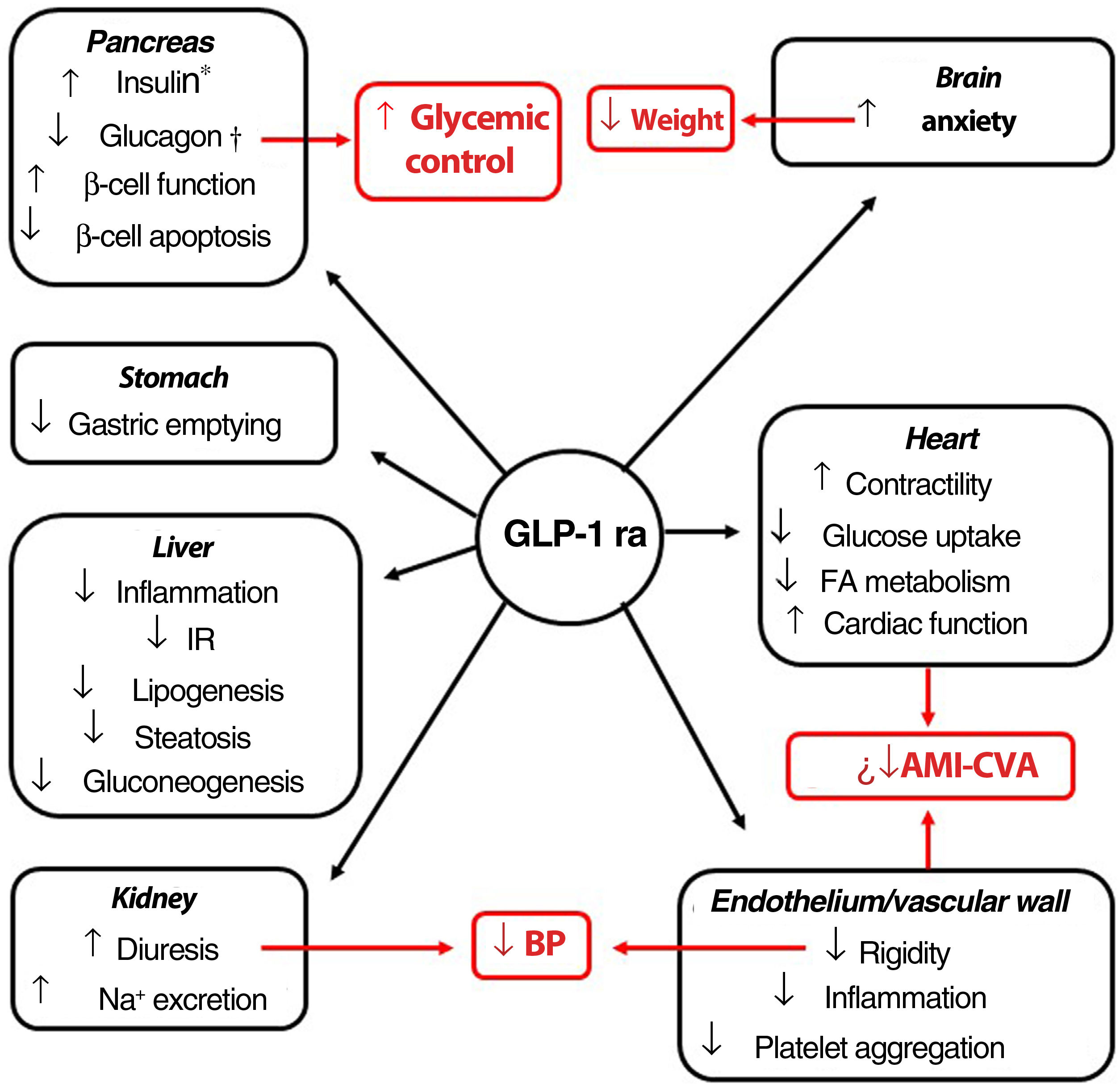
The first GLP-1 RA, liraglutide, was approved for treating obesity, as it promotes reduced food intake and weight loss. Research conducted on rodents by Nogueiras et al. showed that GLP-1 RA activates brown fat and increases energy expenditure, leading to weight loss. Additionally, GLP-1RAs stimulate the release of various hormones, including GLP-1, glucagon, and insulin, which play crucial roles in regulating appetite, satiety, and glucose metabolism.

- GLP-1RAs activate brown adipose tissue (BAT), increasing energy expenditure and weight loss.
- GLP-1RAs stimulate the release of GLP-1, glucagon, and insulin, which regulate appetite, satiety, and glucose metabolism.
- GLP-1RAs interact with the hypothalamus and hindbrain, influencing food intake and energy homeostasis.
- GLP-1RAs also modulate intestinal microbiota and inflammation, affecting nutrient absorption and energy utilization.
GLP-1RA Cessation and Weight Regain
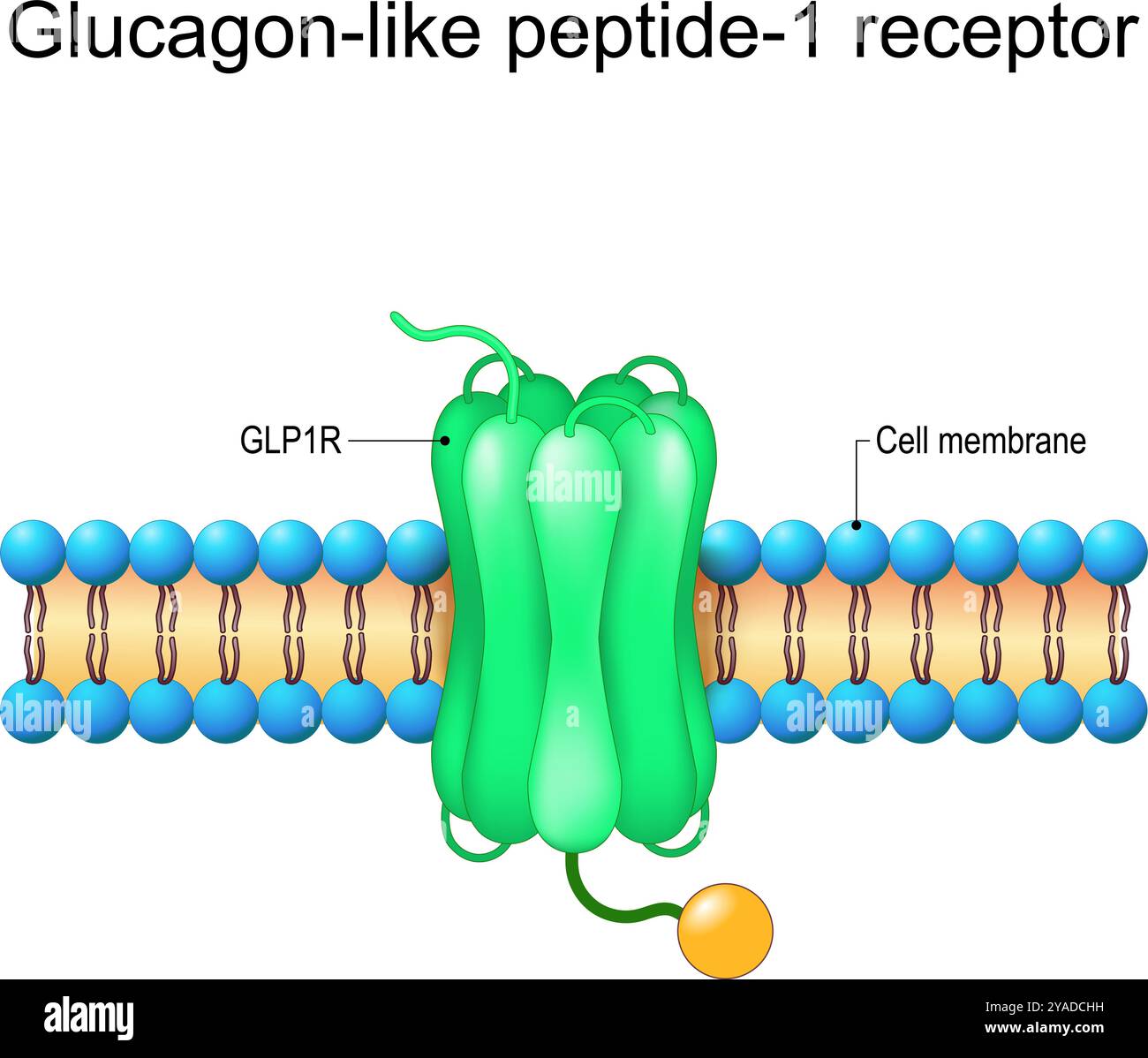
Studies have shown that nearly half of GLP-1 RA usage is discontinued within two years. The reasons for this are multifaceted, including weight regain, potential side effects, cost, and individual variability in response to treatment. GLP-1 RA discontinuation leads to downregulation of GLP-1 receptors, resulting in a return to pre-treatment weight levels.