GLP-1 and Weight Loss Mechanism: Unlocking the Secrets to Sustainable Weight Management
Glucagon-like peptide-1 (GLP-1) is a naturally occurring hormone produced in the intestines that plays a crucial role in regulating blood sugar levels, appetite, and metabolism. GLP-1 receptor agonists (RAs) have revolutionized the treatment of obesity and type 2 diabetes by mimicking the action of GLP-1, leading to significant weight loss and improved metabolic health. In this article, we will delve into the intricate mechanisms underlying GLP-1 RA-induced weight loss, exploring the central and peripheral pathways that contribute to this therapeutic effect.
What is GLP-1 and how does it relate to weight loss?
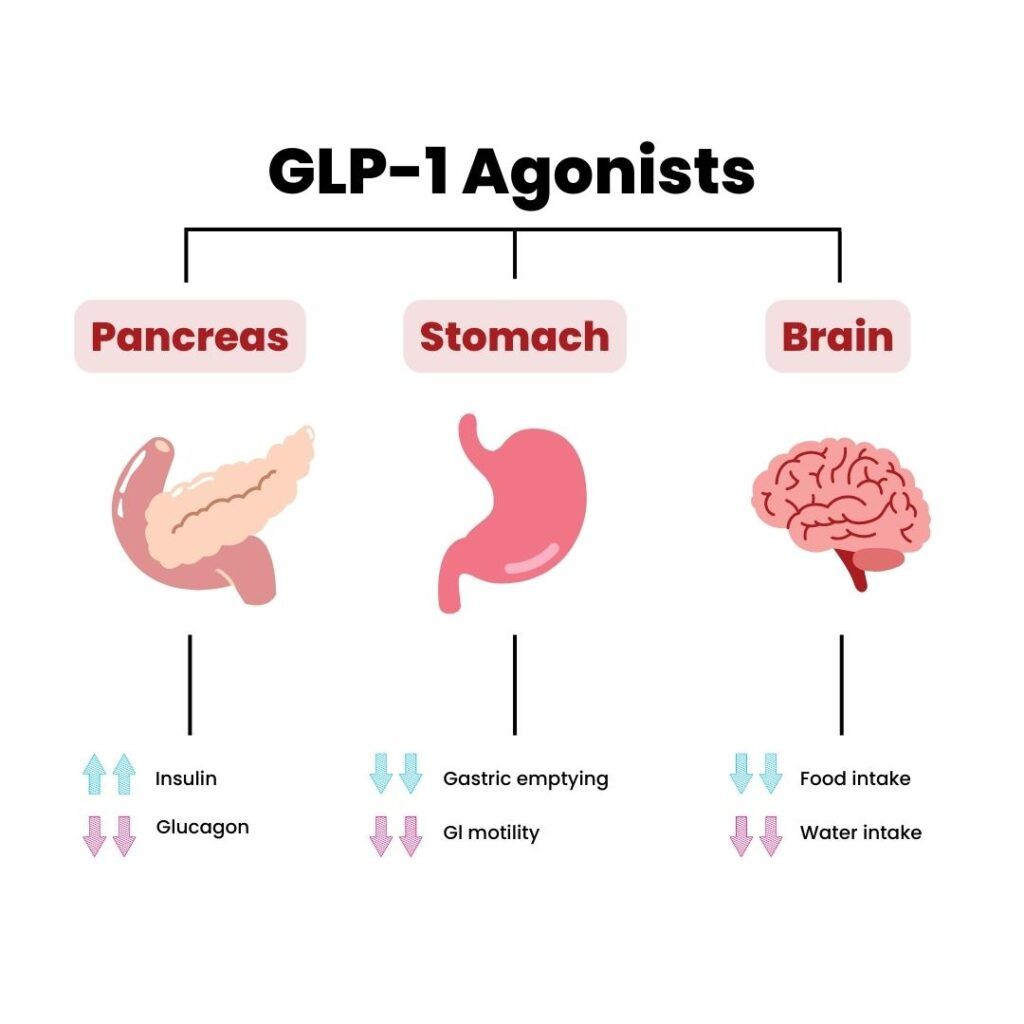
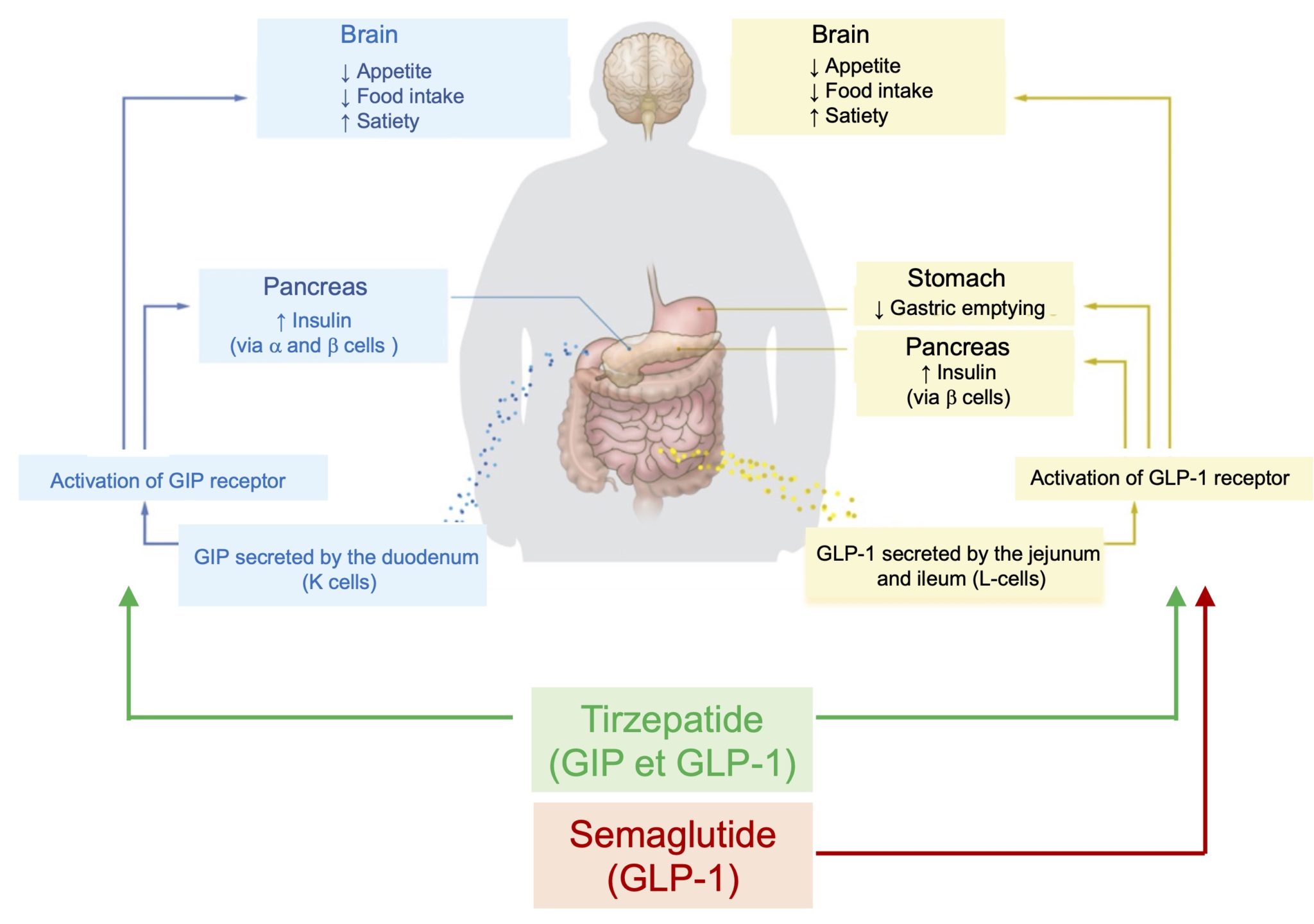
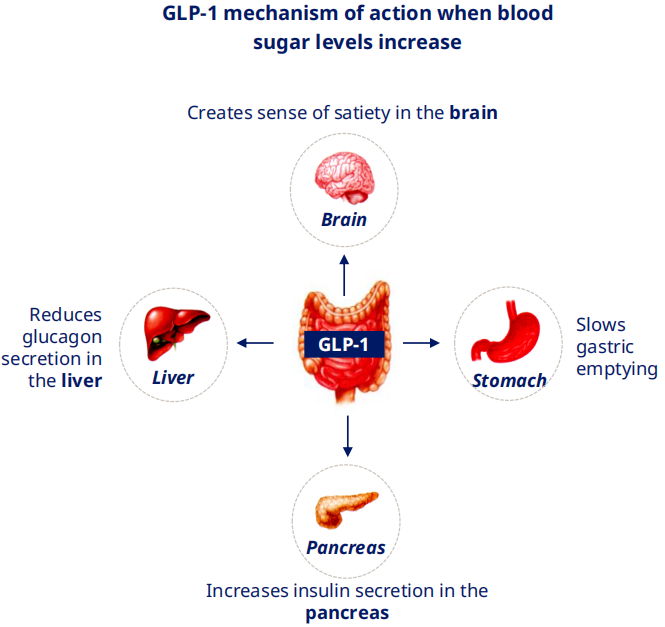
GLP-1 is a hormone secreted by the intestinal L cells in response to food intake. It works by binding to its receptor on the surface of pancreatic beta cells, stimulating insulin release when glucose levels rise, and slowing gastric emptying, thereby promoting a feeling of fullness and reducing appetite. GLP-1 RA therapy involves administering medications that mimic the action of GLP-1, mimicking its effects on glucose metabolism and appetite regulation.

Central and Peripheral Pathways: Understanding the Mechanisms of GLP-1 RA-induced Weight Loss
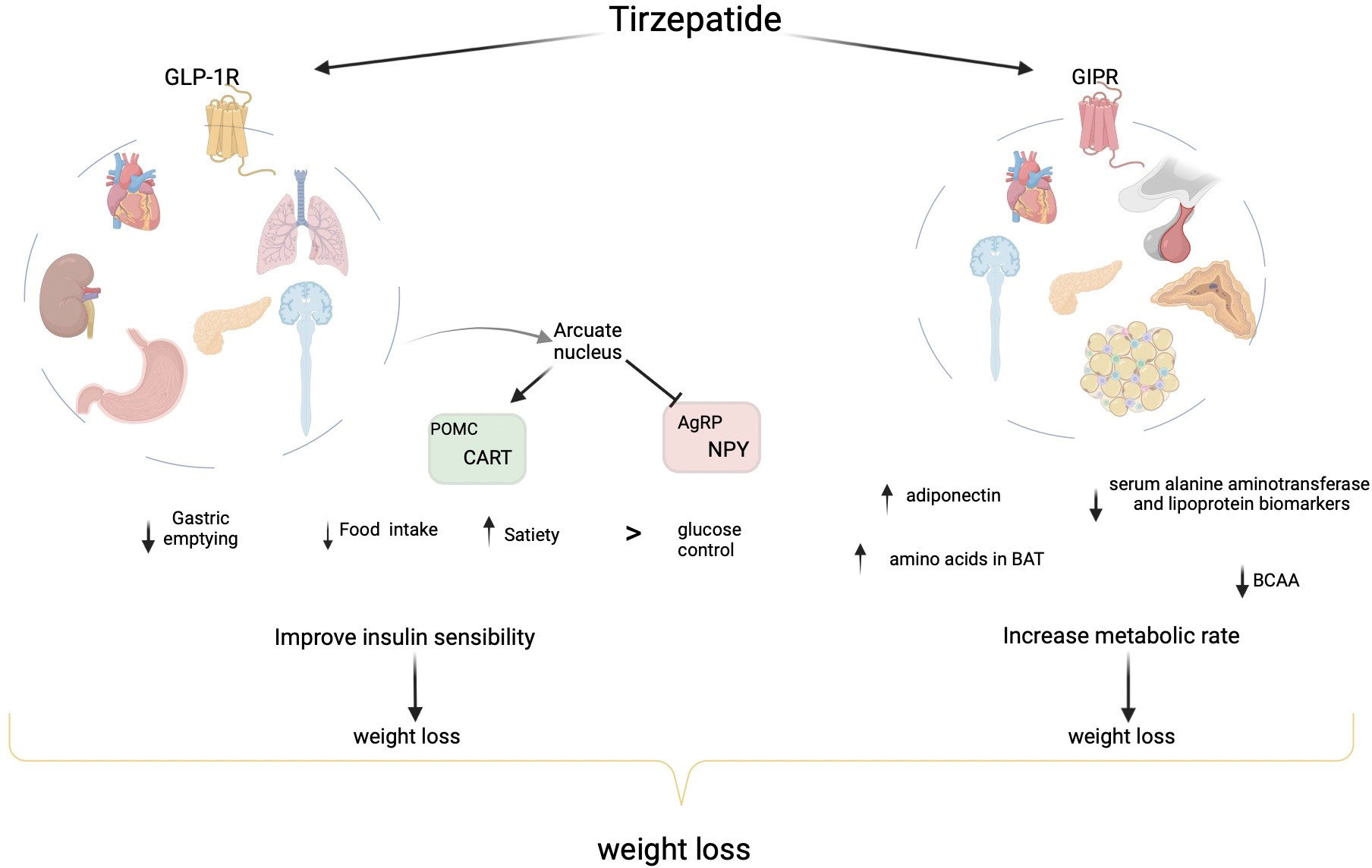
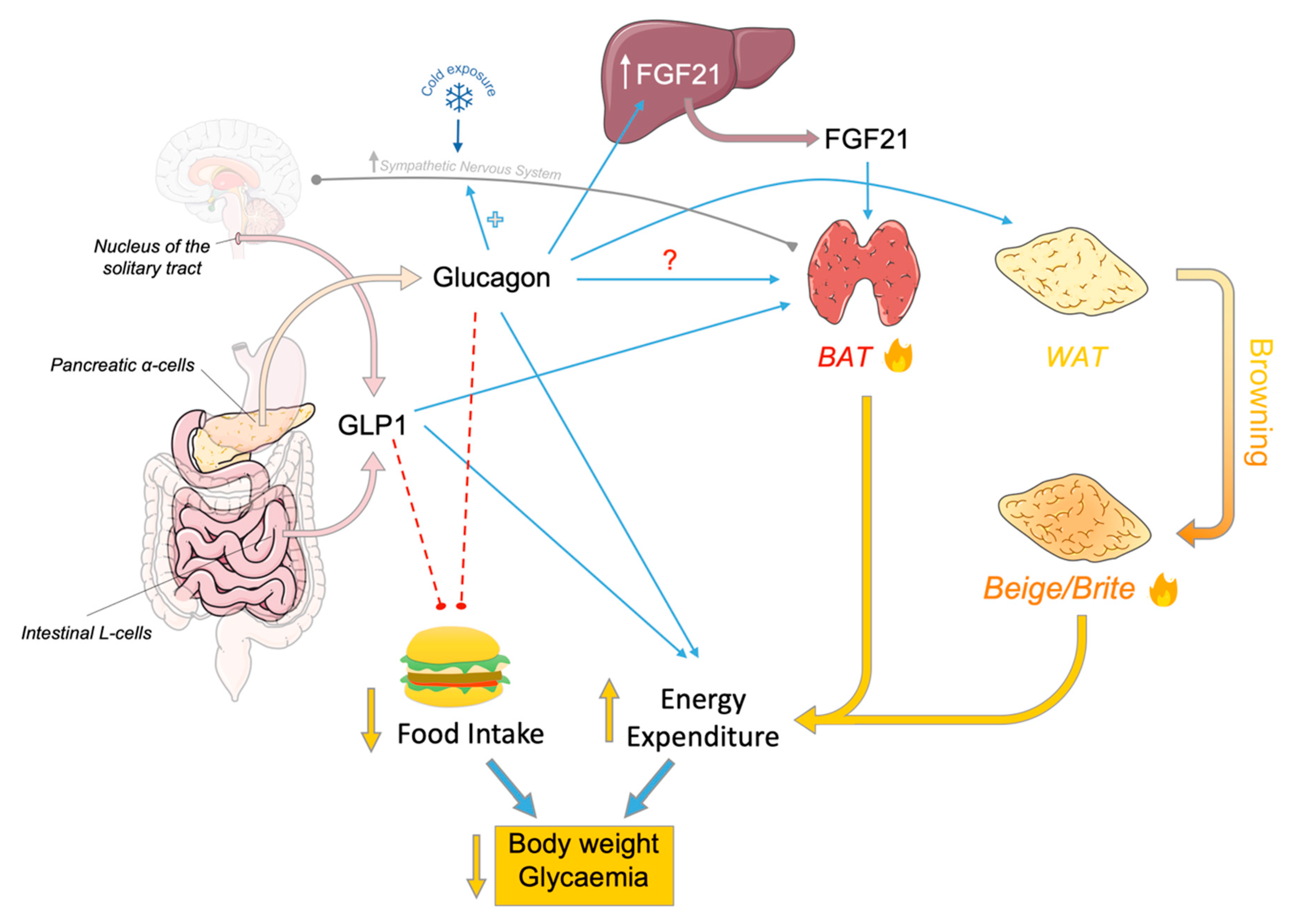
GLP-1 RA therapy acts on both central and peripheral pathways to achieve weight loss. Centrally, GLP-1 RAs modulate brain regions controlling appetite, influencing areas such as the hypothalamus, limbic system, and reward centers. This modulation leads to decreased appetite and food intake, which in turn contribute to weight loss. Peripherally, GLP-1 RAs slow gastric emptying, enhancing the release of satiety hormones and reducing the rate of sucrose assimilation, leading to a feeling of fullness and reducing the intake of energy-dense foods.