Export License Restrictions: What You Need to Know
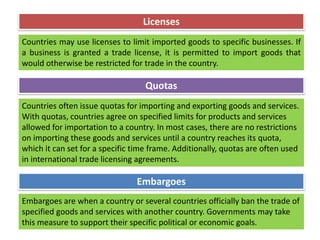
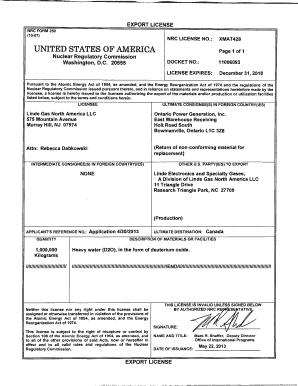
The import and export of goods, technology, and services across international borders is a complex and regulated process. For companies looking to ship products outside of the United States, it's essential to understand the export license restrictions that may apply. In this article, we'll delve into the world of export licenses, exploring the key agencies responsible for administering these restrictions, the different types of licenses, and how to navigate the application process.
The Three Key Agencies
Three main agencies are involved in overseeing export regulations in the United States: the U.S. Customs and Border Protection (CBP), the Department of State's Directorate of Defense Trade Controls (DDTC), and the Department of Commerce's Bureau of Industry and Security (BIS).
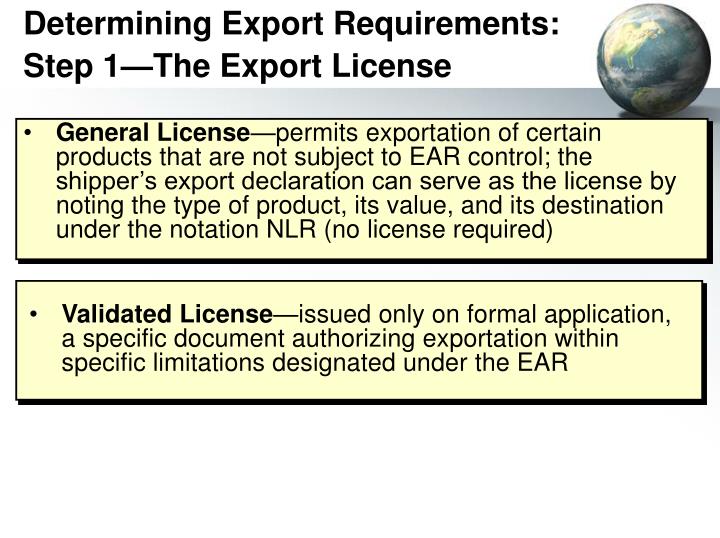
- CBP enforces export regulations for various government agencies, ensuring compliance with applicable U.S. laws and regulations.
- DDTC administers defense trade regulations, including the International Traffic in Arms Regulations (ITAR) and the Arms Export Control Act (AECA).
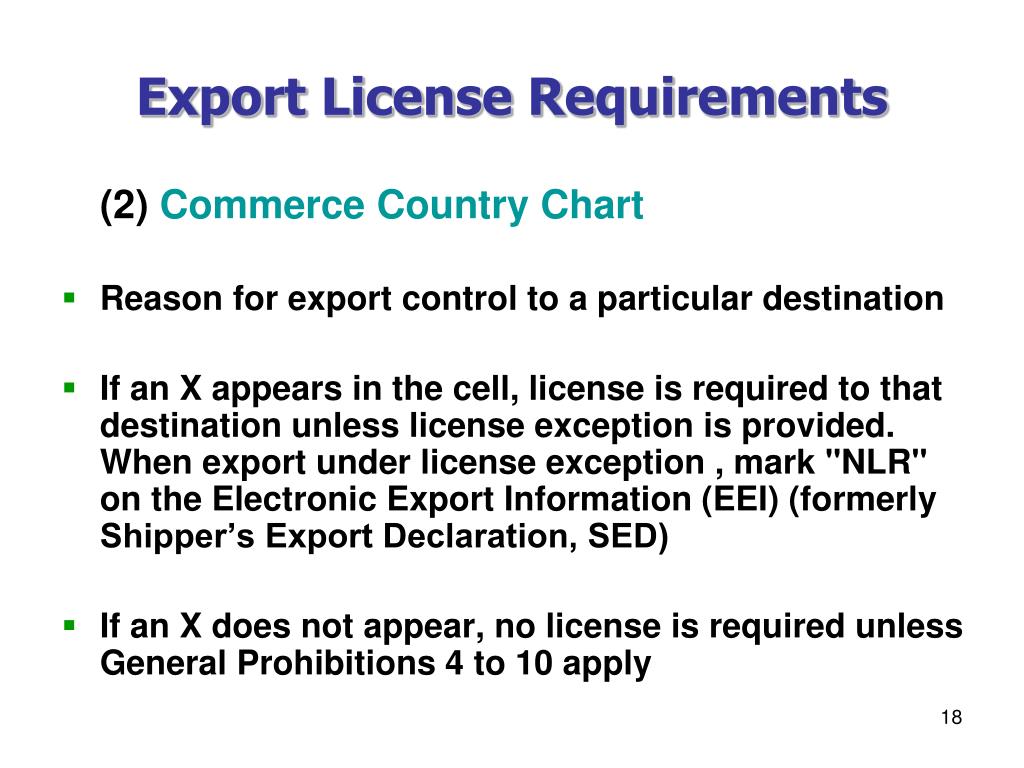
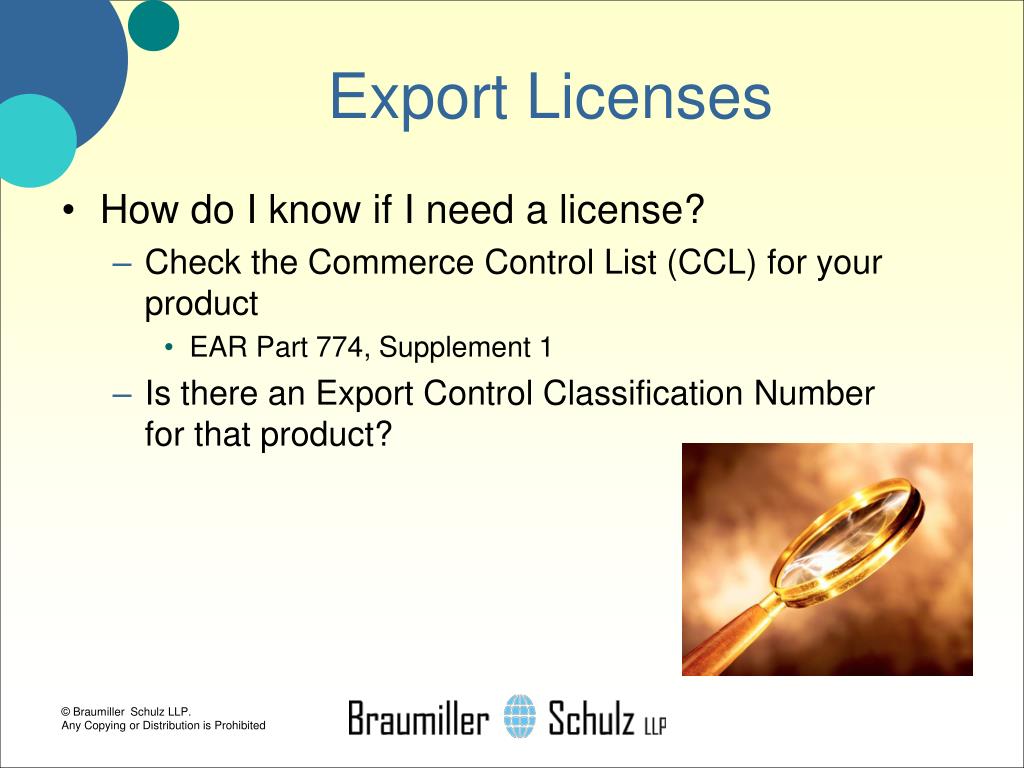
- BIS regulates the export and re-export of commodities, software, and technologies, overseeing the Export Administration Regulations (EAR).
The 95 Percent Myth
One common misconception is that 95% of U.S. exports do not require a license. This claim is based on an outdated statistic and does not hold true. In reality, the vast majority of export transactions require some level of documentation and compliance. Even if a license is not mandated, exporters must still adhere to various regulations and guidelines to ensure compliance.