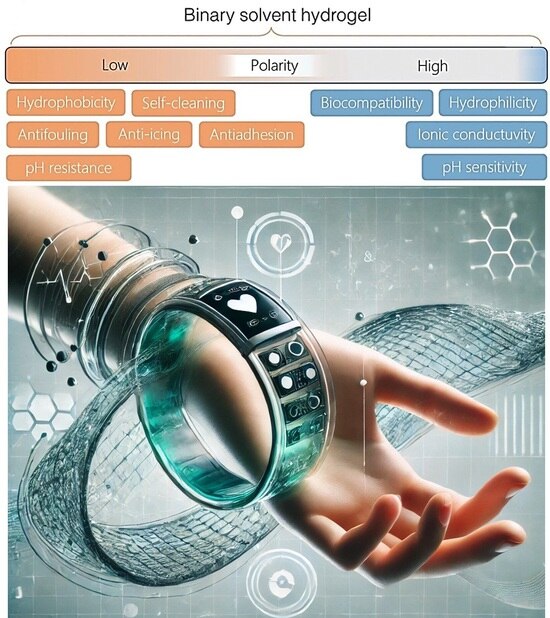
Environmentally Friendly Wearable Devices: Revolutionizing Sustainability
In an era where technology and environmental consciousness intersect, wearable technology for sustainability emerges as a transformative solution. These devices are not just about tracking fitness or monitoring health; they are increasingly being designed to promote sustainable practices, reduce waste, and encourage eco-friendly behaviors.
The Rise of Eco-Friendly Wearables
The wearable technology market has been booming, and alongside its growth, the demand for sustainable materials in these devices is increasing. Eco-friendly wearable materials are those that minimize environmental impact throughout their lifecycle, from production to disposal.
Materials for a Sustainable Future:
- Organic Cotton: A natural and renewable resource used to create biodegradable devices that can reduce the environmental footprint of production.
- Recycled Plastics: Repurposed from post-consumer waste to minimize the use of virgin materials and reduce pollution.
- Biodegradable Components: Designed to break down naturally, reducing waste and minimizing environmental harm.

Designing for Durability and Sustainability
Adopting sustainable practices in wearable manufacturing involves using eco-friendly materials, reducing energy consumption during production, and creating devices that are designed to last. These efforts not only minimize environmental impact but also align with growing consumer demand for eco-conscious products.
Energy Efficiency and Waste Reduction:
- Power Management: Implementing energy-efficient design principles to reduce power consumption and minimize waste.
- Recyclable Materials: Using materials that can be easily recycled or reused, reducing the amount of waste generated during production and disposal.
- Longer Lifespan: Designing devices with longer lifespans to reduce the need for frequent replacements and minimize electronic waste.