Blown-In Insulation for Existing Homes: A Comprehensive Guide
As a homeowner, you're likely no stranger to the concept of insulation. Insulation is a crucial aspect of home comfort and energy efficiency. However, when it comes to existing homes, installing insulation can be a daunting task. That's where blown-in insulation comes in – a simple, effective, and efficient solution for improving your home's energy efficiency.
What is Blown-In Insulation?
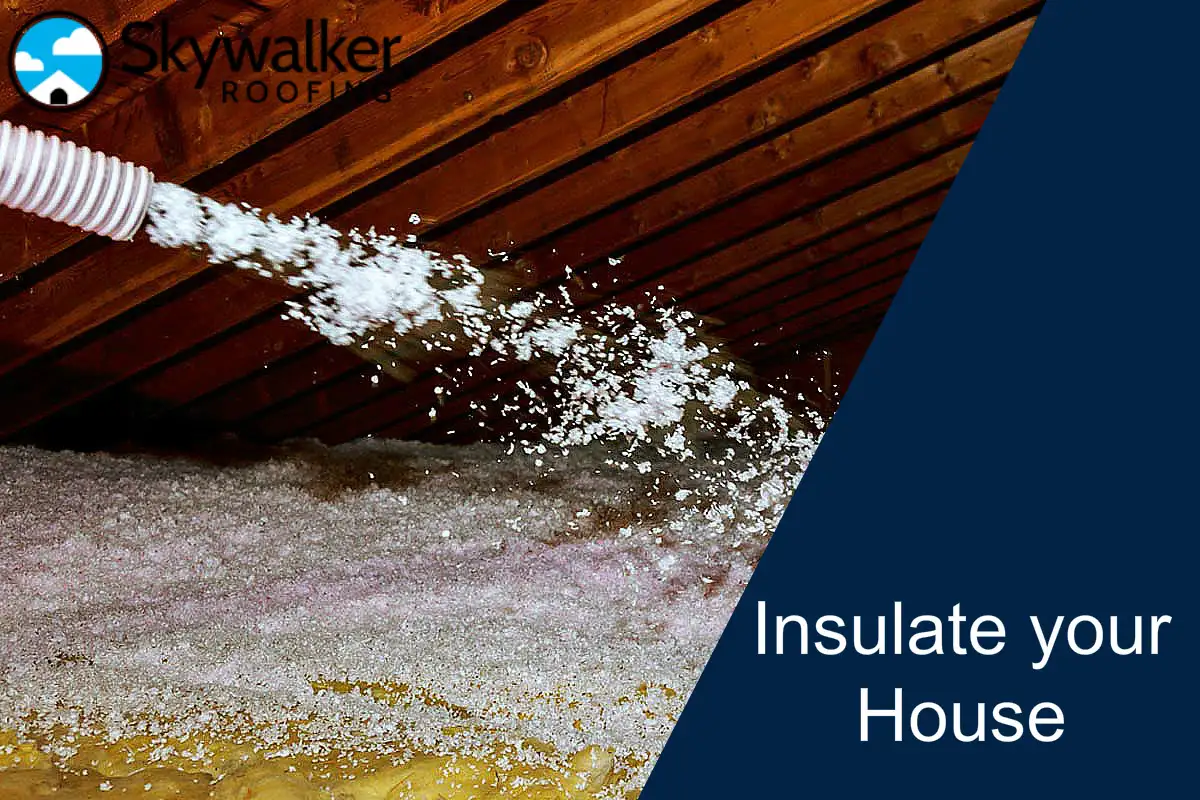
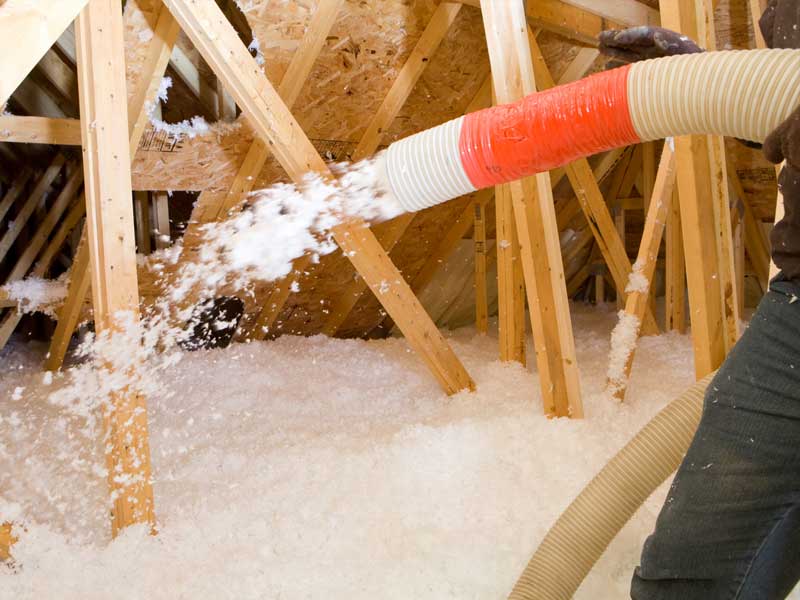
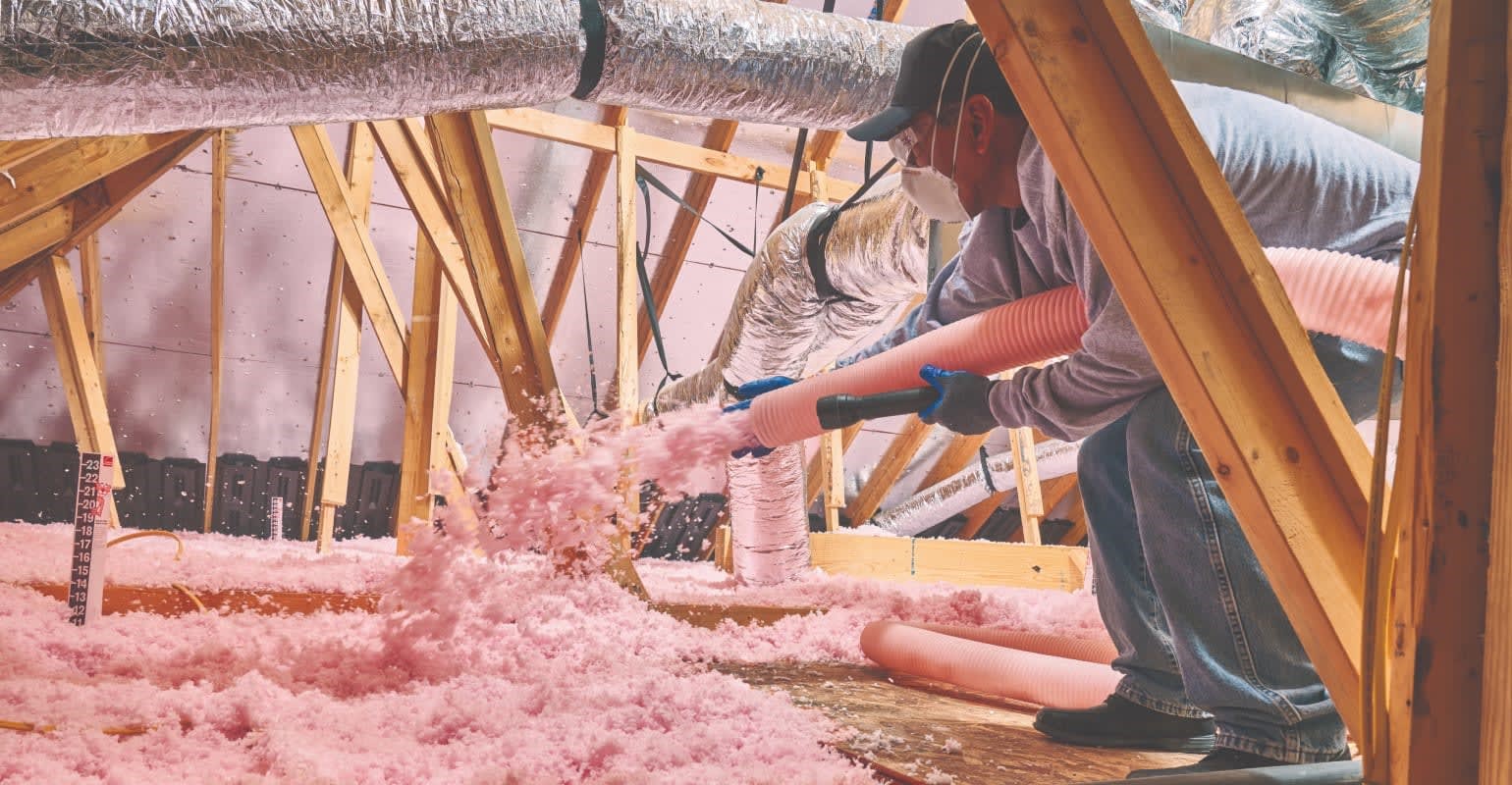
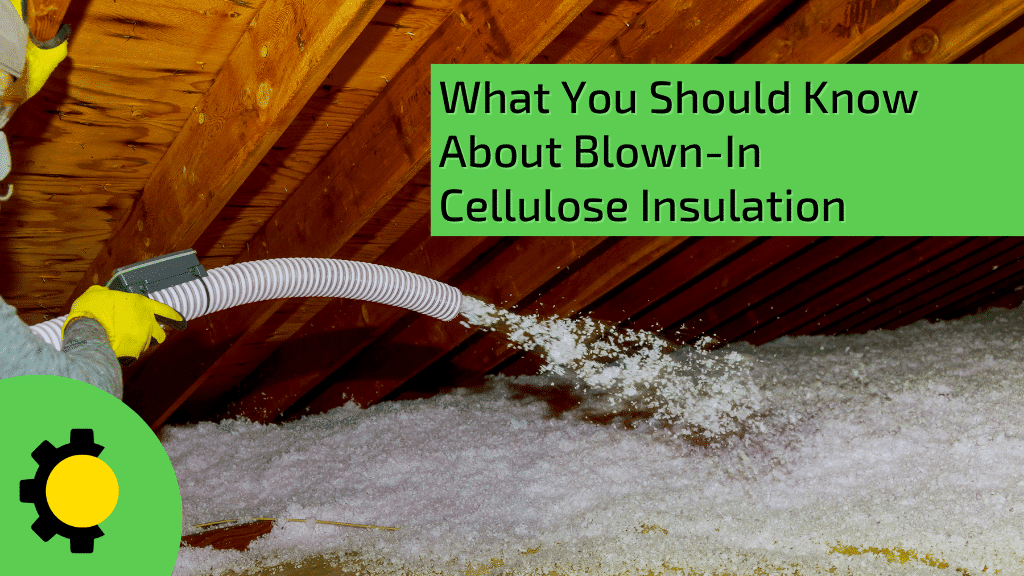
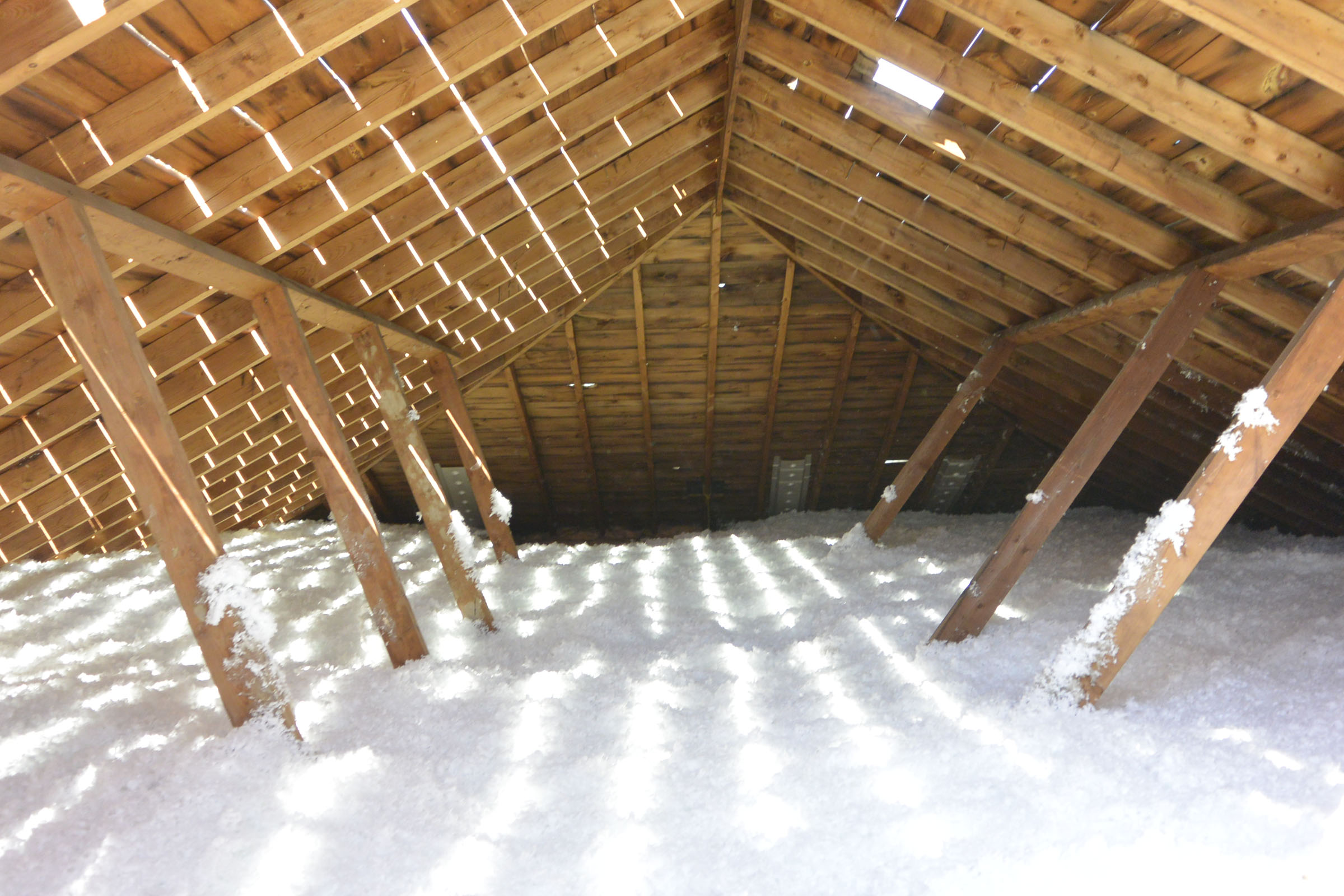
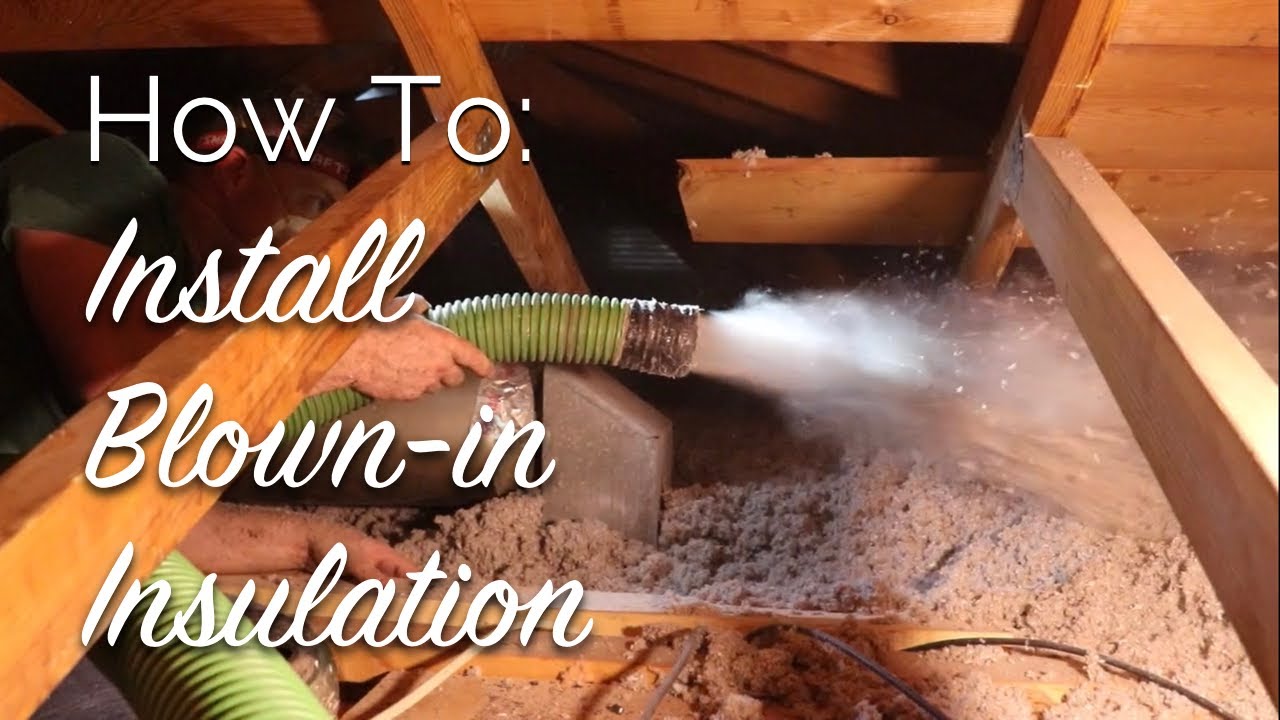
Blown-in insulation, also known as loose-fill insulation, is a type of insulation that uses specialized equipment to blow small particles of material into cavities throughout your home. Unlike batt or roll insulation, blown-in insulation fills gaps, crevices, and irregular spaces in walls, attics, and crawl spaces, creating a seamless thermal barrier.
Benefits of Blown-In Insulation
- Improved Energy Efficiency: Blown-in insulation significantly improves your home's R-value, which measures heat resistance. This means your home will stay warmer in the winter and cooler in the summer, helping you save up to 30% on heating and cooling costs.
- Reduced Noise Pollution: Blown-in insulation acts as a sound barrier, reducing noise pollution and creating a more peaceful living environment.
- Increased Property Value: Installing blown-in insulation can increase your home's value and appeal to potential buyers if you decide to sell.
- Long-Lasting Solution: Blown-in insulation can last for decades with minimal maintenance, providing a long-lasting solution for your home's insulation needs.