Understanding Anti-Obesity Medications: A Comprehensive Guide
Introduction
Obesity is a chronic disease that affects millions of people around the world. It is a leading cause of various health problems, including diabetes, heart disease, and certain types of cancer. Anti-obesity medications have emerged as a promising solution for individuals struggling with weight management, but it is essential to understand their safety, efficacy, and potential risks. In this article, we will explore the world of anti-obesity medications, discussing their types, mechanisms of action, common side effects, and recent developments in the field.What are Anti-Obesity Medications?

Types of Anti-Obesity Medications
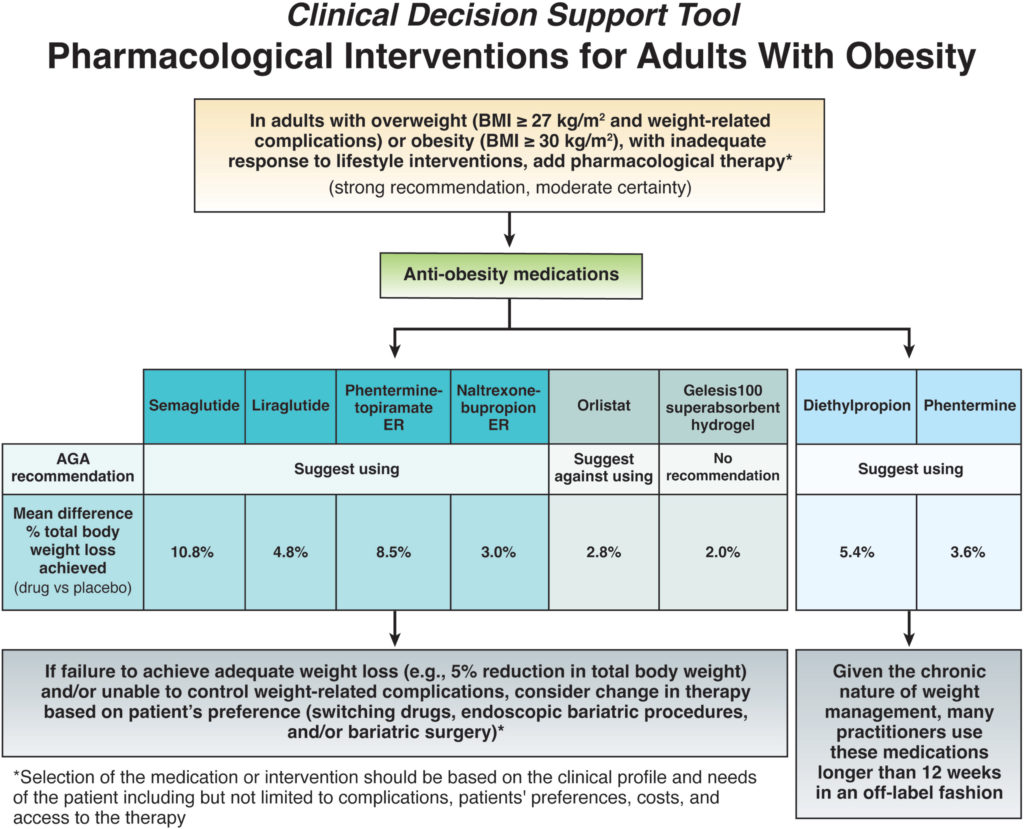
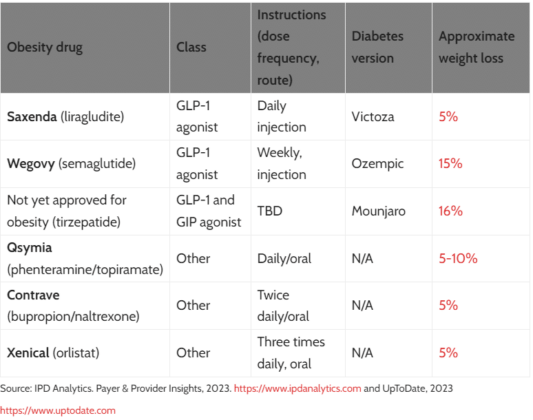
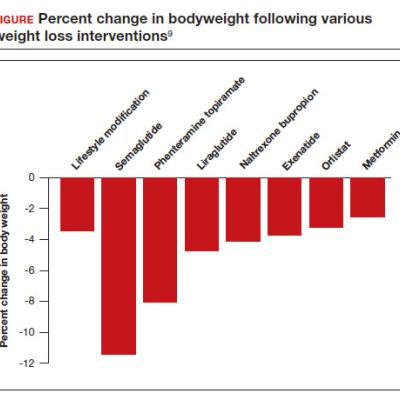
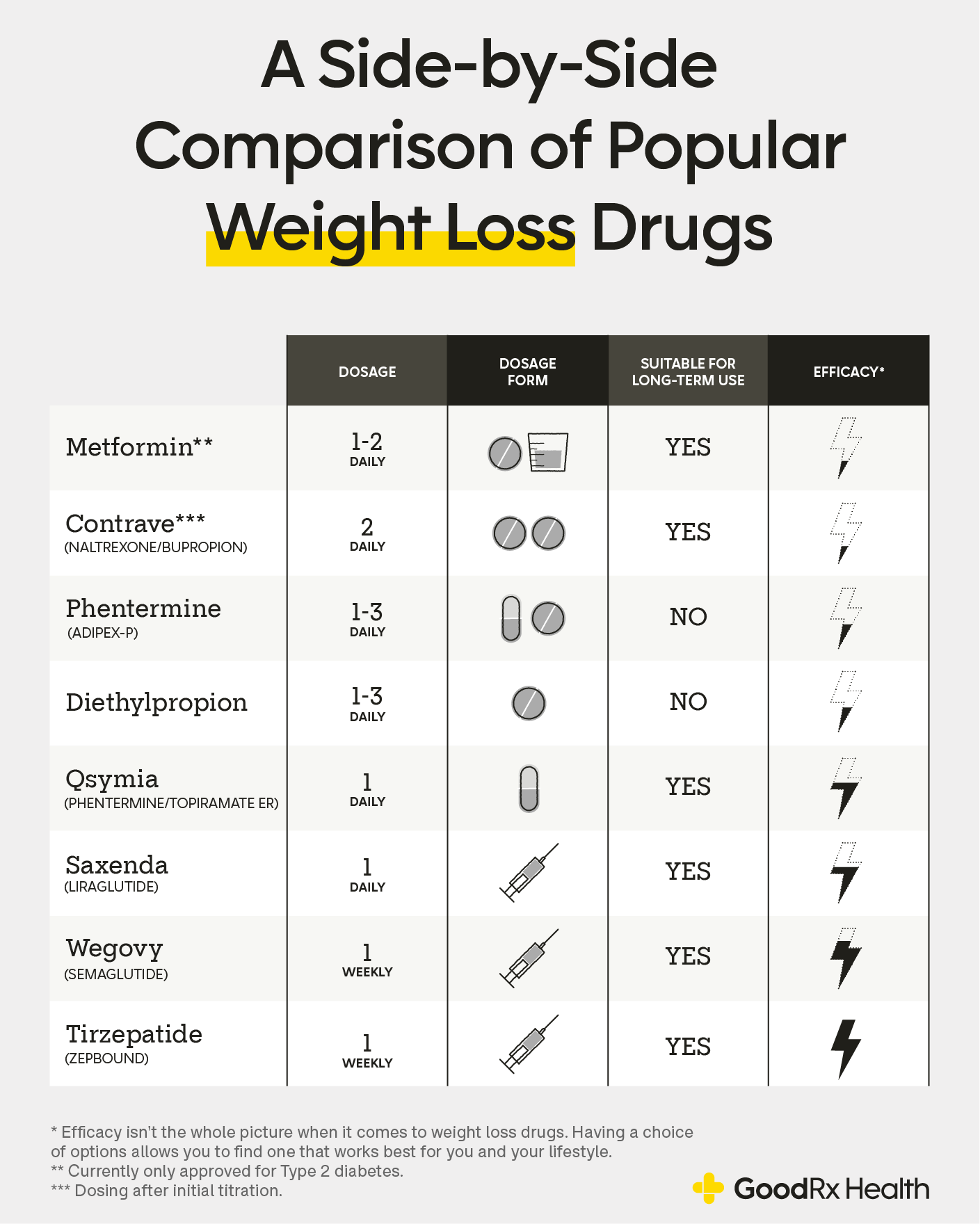
There are several types of anti-obesity medications available, each with its unique mechanism of action. Some of the most commonly prescribed anti-obesity medications include:- Incretin mimetics: These medications, such as semaglutide and liraglutide, mimic the action of hormones that help regulate blood sugar levels and appetite.
- Appetite suppressants: These medications, such as phentermine and topiramate, work by reducing hunger and increasing feelings of fullness.
- Antiemetics: These medications, such as naltrexone, work by reducing nausea and promoting weight loss.