Understanding Bile Duct Complications Associated with GLP-1 Weight Loss
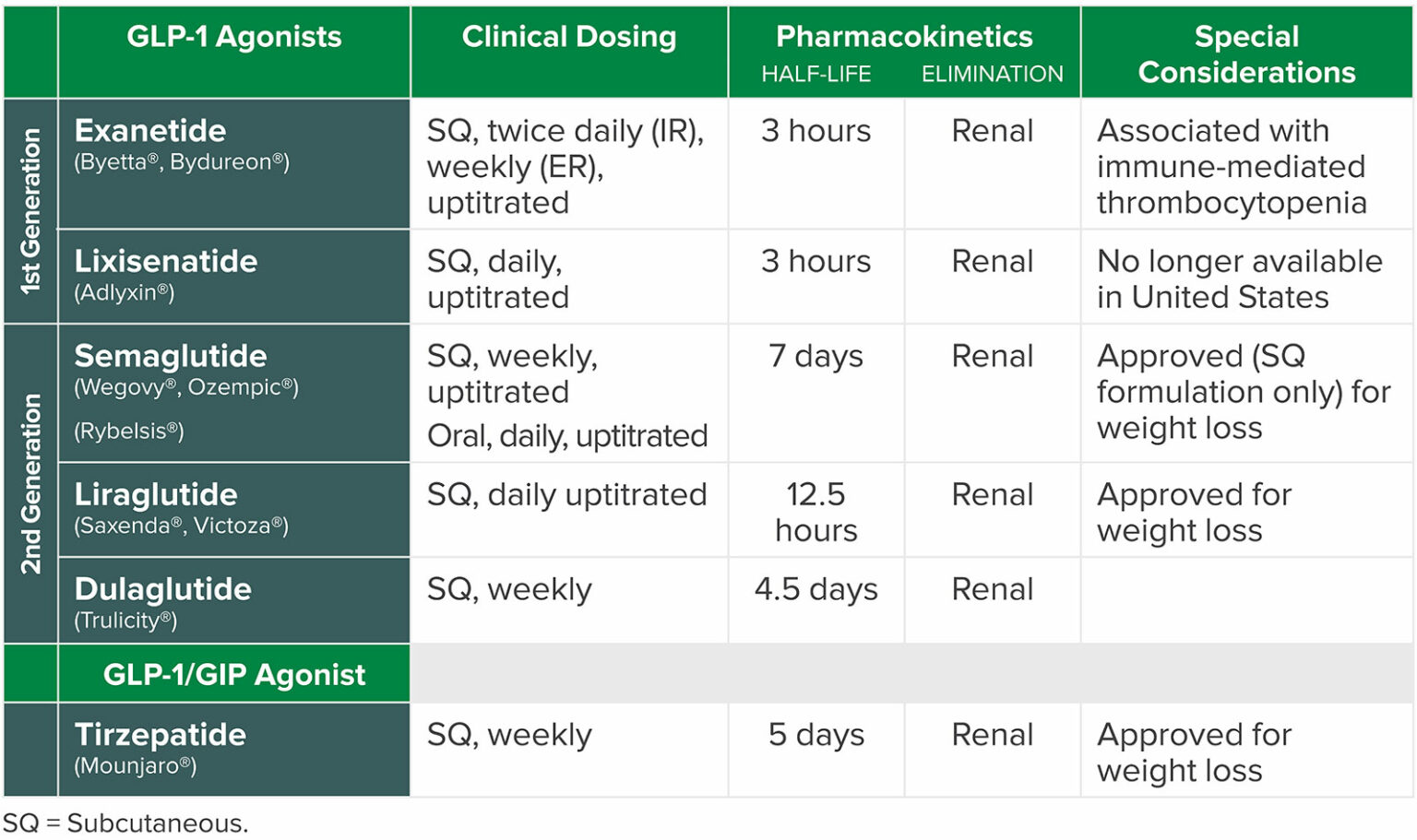
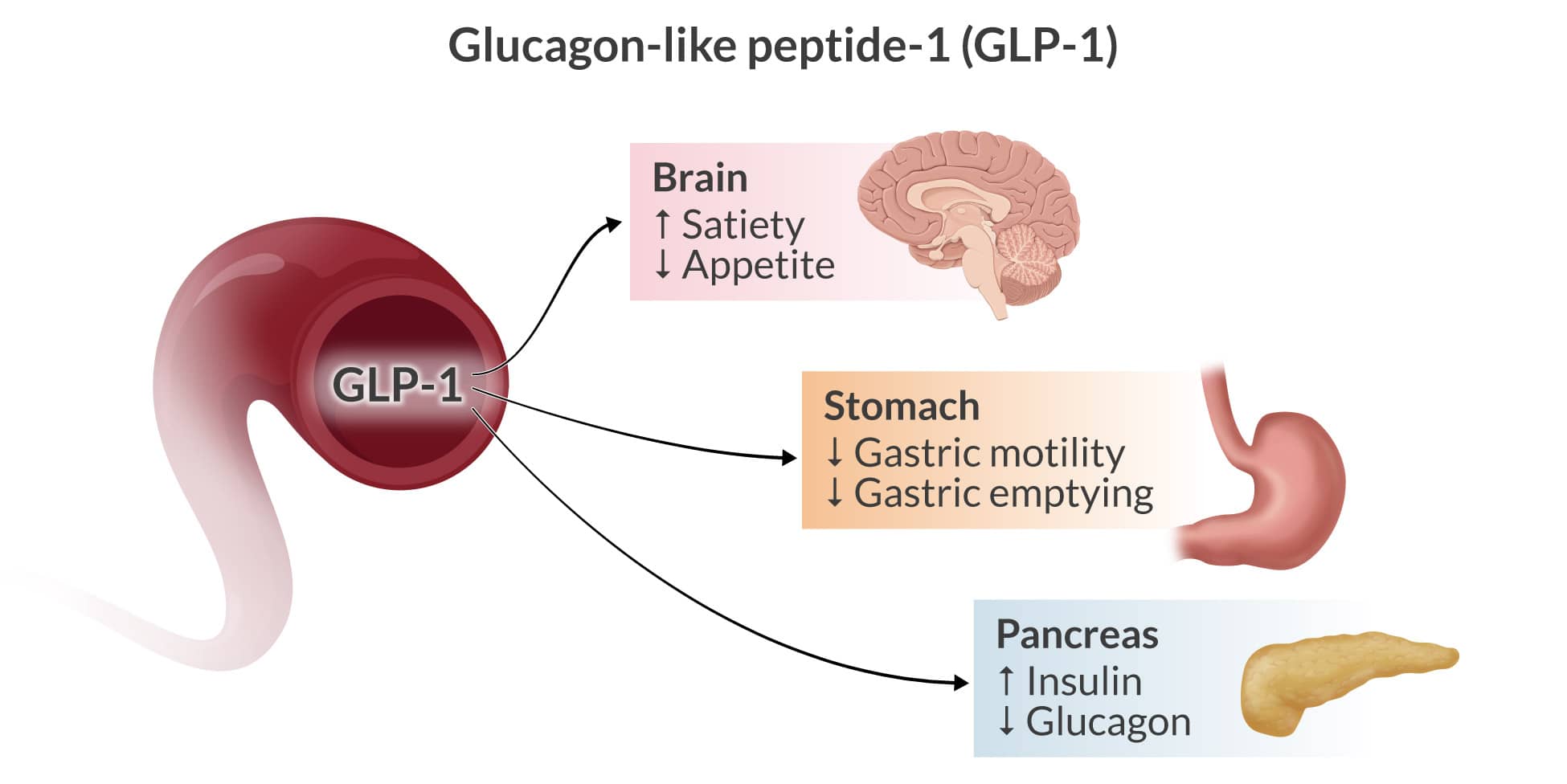
GLP-1 receptor agonists, such as Ozempic, Wegovy, and Mounjaro, have revolutionized diabetes and weight management, but they come with important considerations for gallbladder health. These medications can increase the risk of gallbladder complications, particularly in patients experiencing rapid weight loss.
Risk of Gallbladder Complications
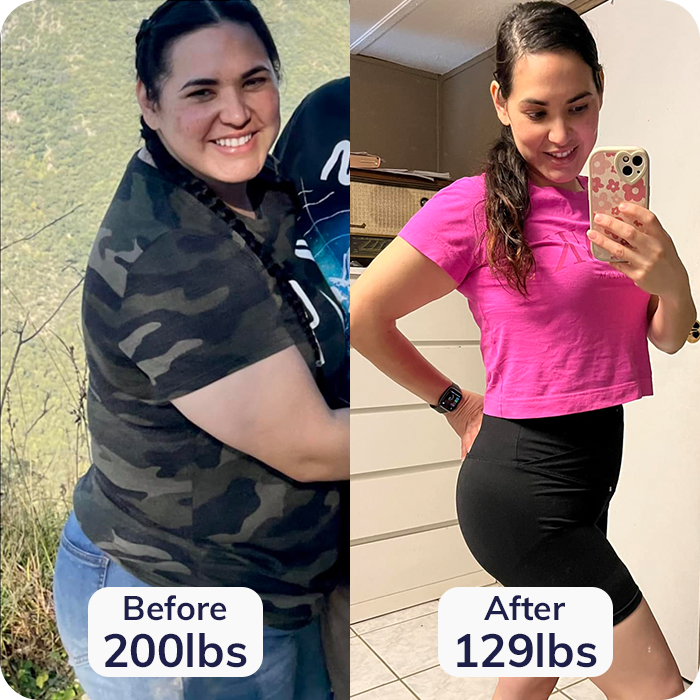
The mechanism by which GLP-1 receptor agonists increase the risk of gallbladder complications is not fully understood. However, studies have shown that rapid weight loss can lead to an increase in the amount of cholesterol in the gallbladder, which can cause gallstones. Additionally, fasting can keep the gallbladder inactive, leading to a buildup of thick bile, which eventually leads to the formation of gallstones.
Understanding the Connection between GLP-1 Medications and Gallbladder Disease

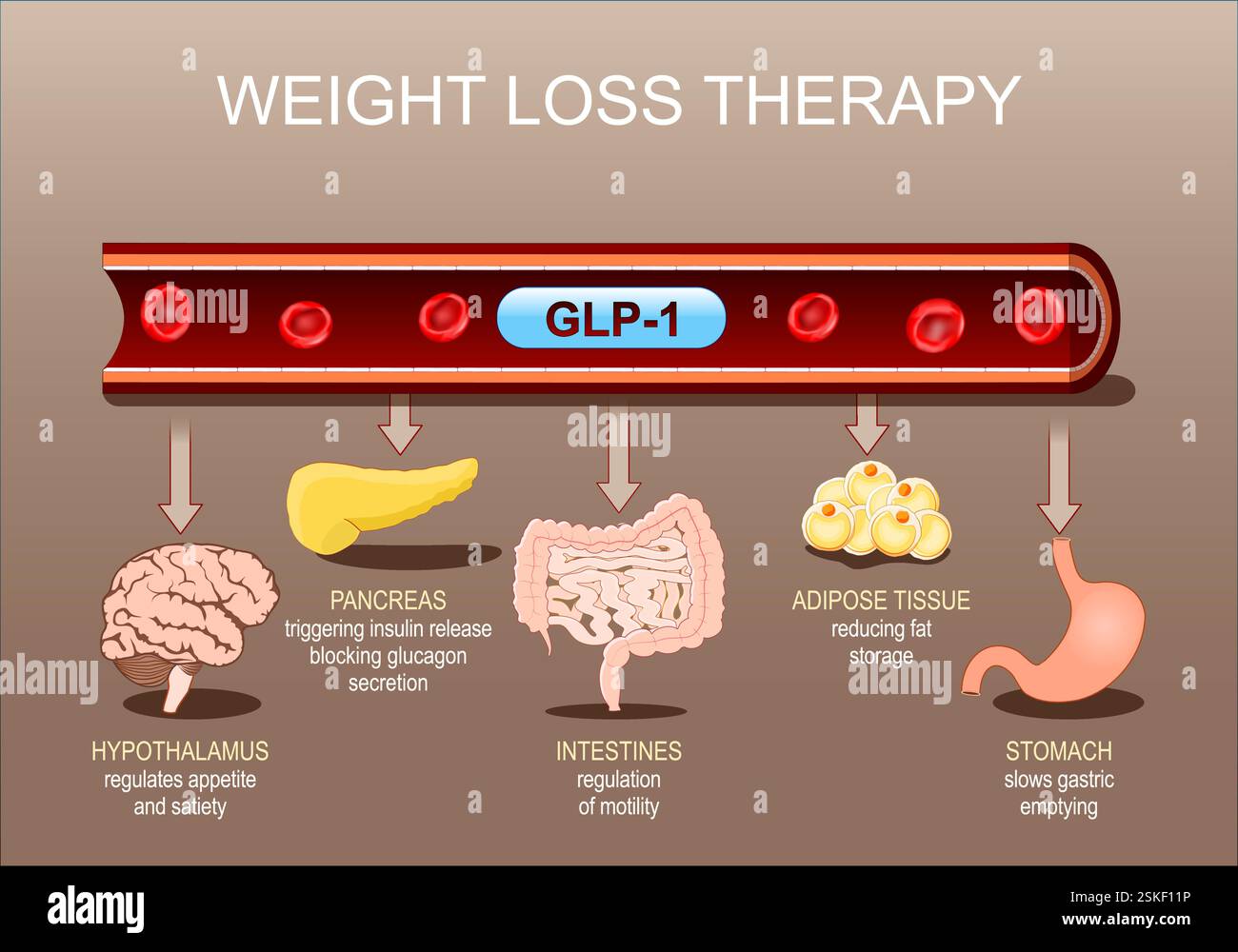
GLP-1 receptor agonists have become increasingly popular for both diabetes management and weight loss. While these medications can be highly effective, physicians are also paying close attention to potential side effects, including an increased risk of gallstones. The connection between GLP-1 medications and gallbladder disease is complex and requires a comprehensive understanding of the mechanisms involved.
Managing the Risk of Gallbladder Complications
While the risk of gallbladder complications associated with GLP-1 weight loss is a concern, there are steps that can be taken to manage this risk. These include managing diet and increasing activity levels, which can help reduce the risk of gallstones. Additionally, regular monitoring of liver function and bile duct health can help identify potential complications early on.




.png "Semaglutide vs. Tirzepatide for Weight Loss - U.S. News")