The Impact of Fasting on GLP 1 and Insulin Sensitivity
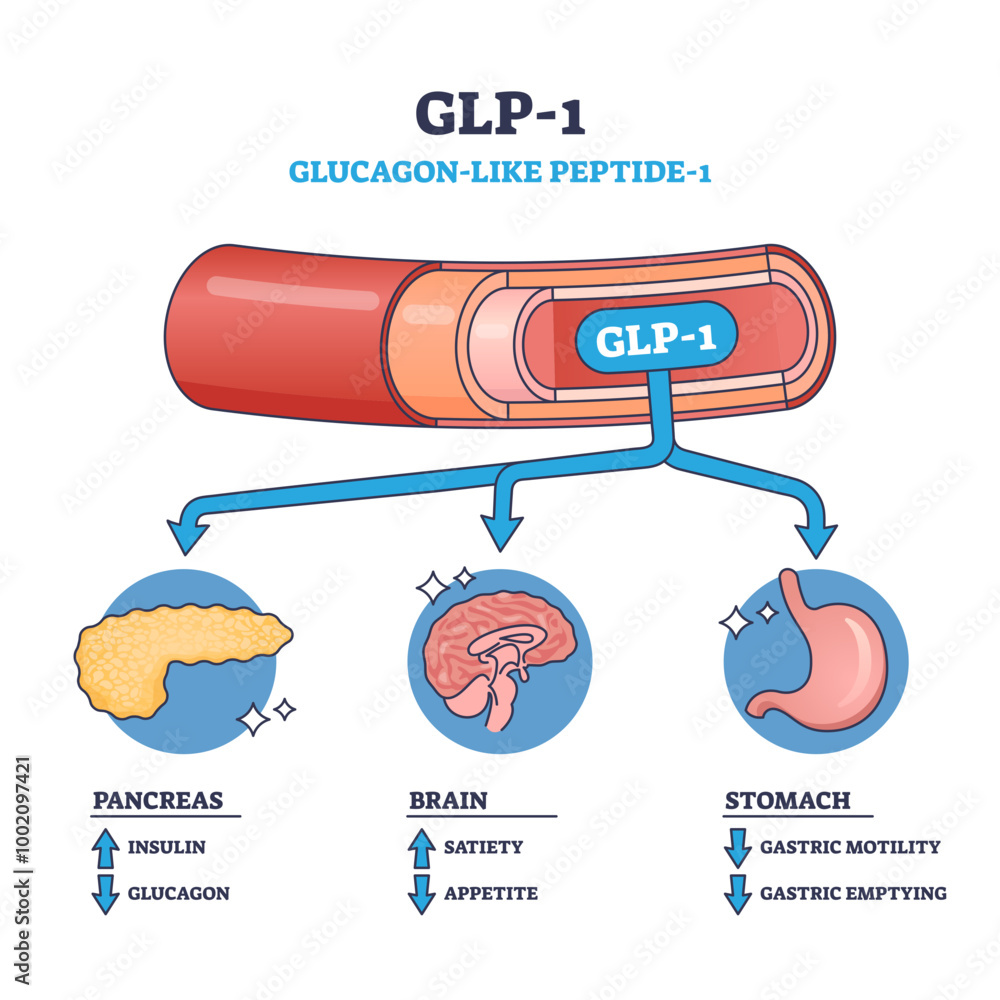
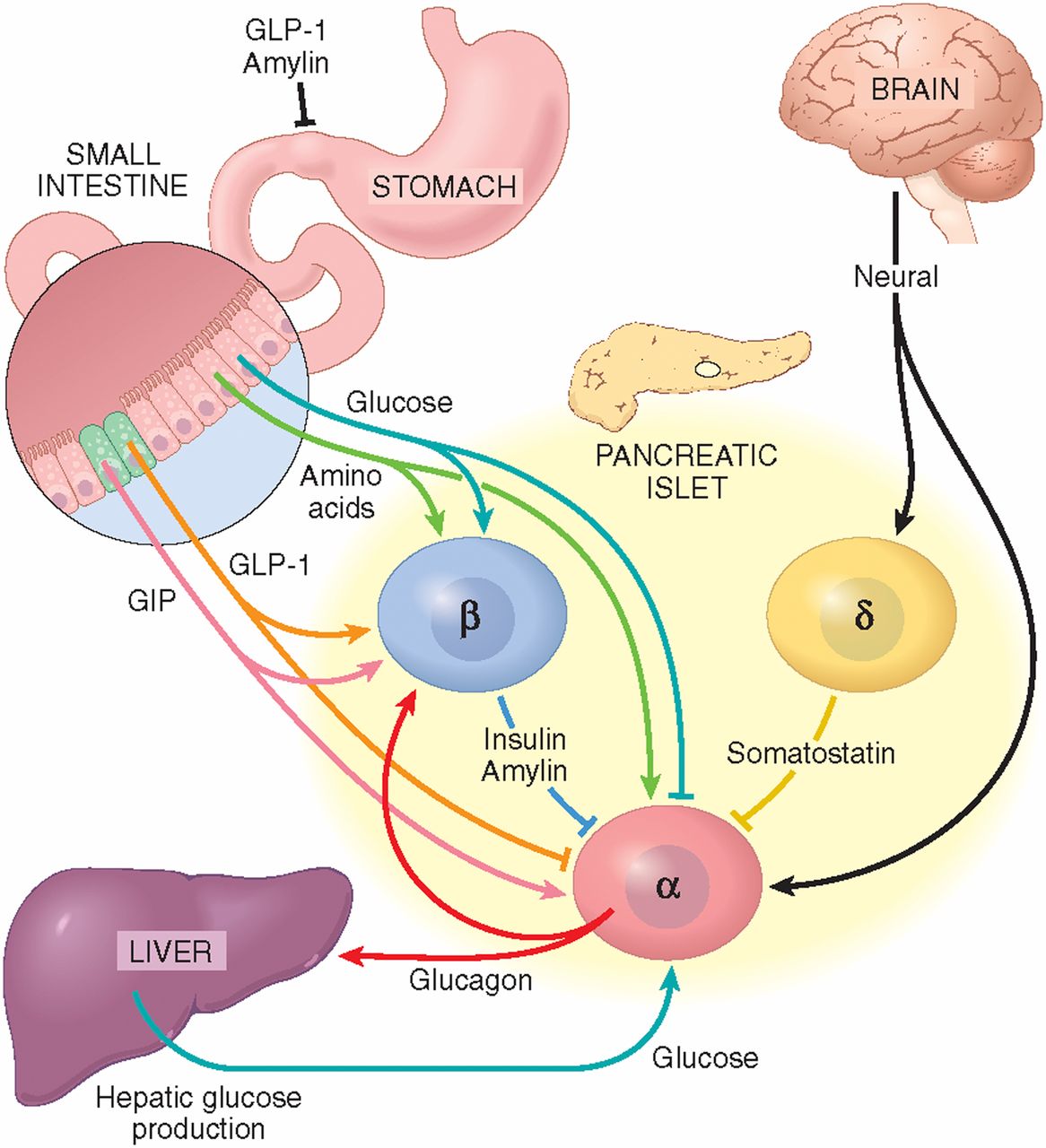
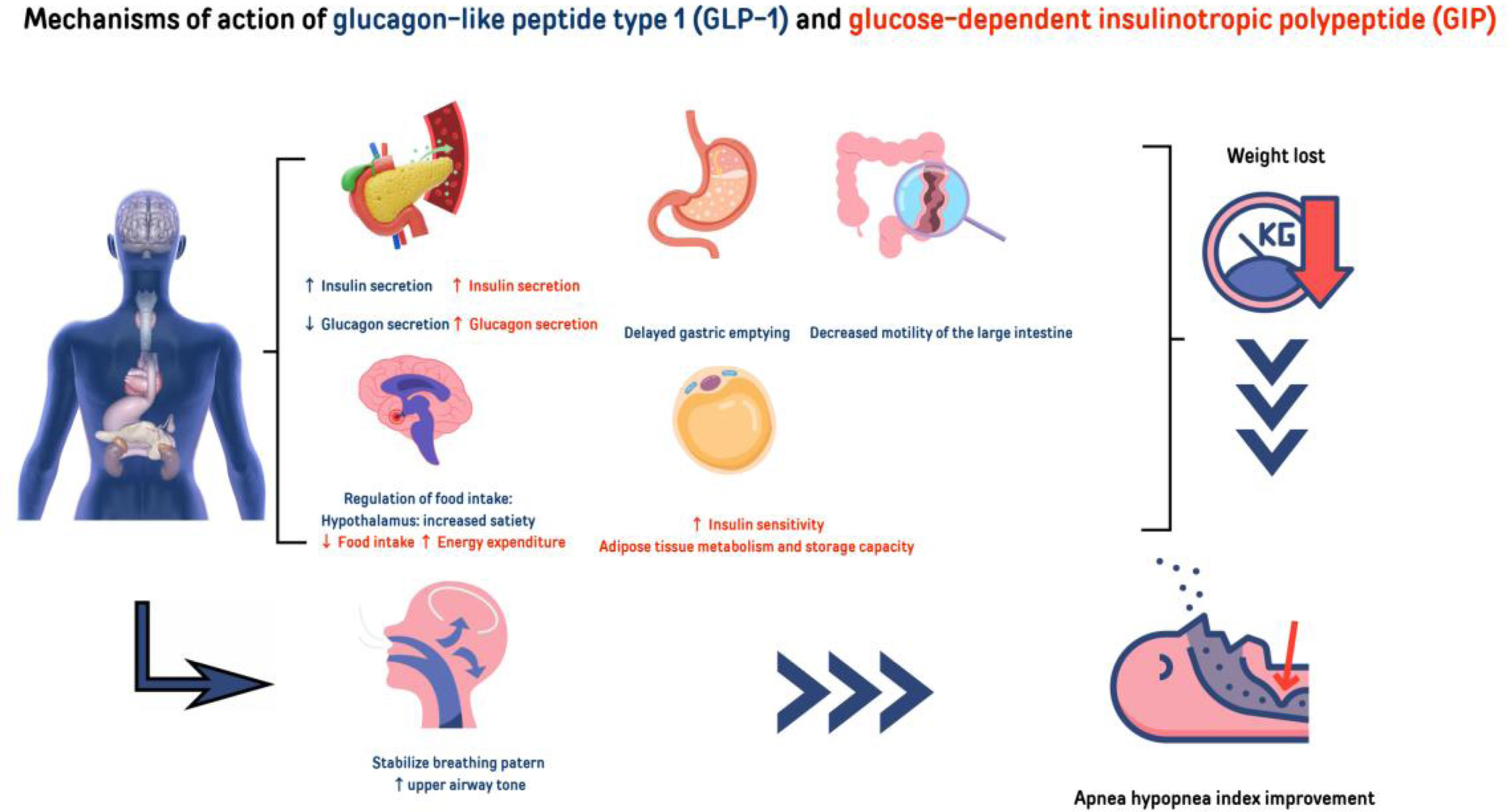
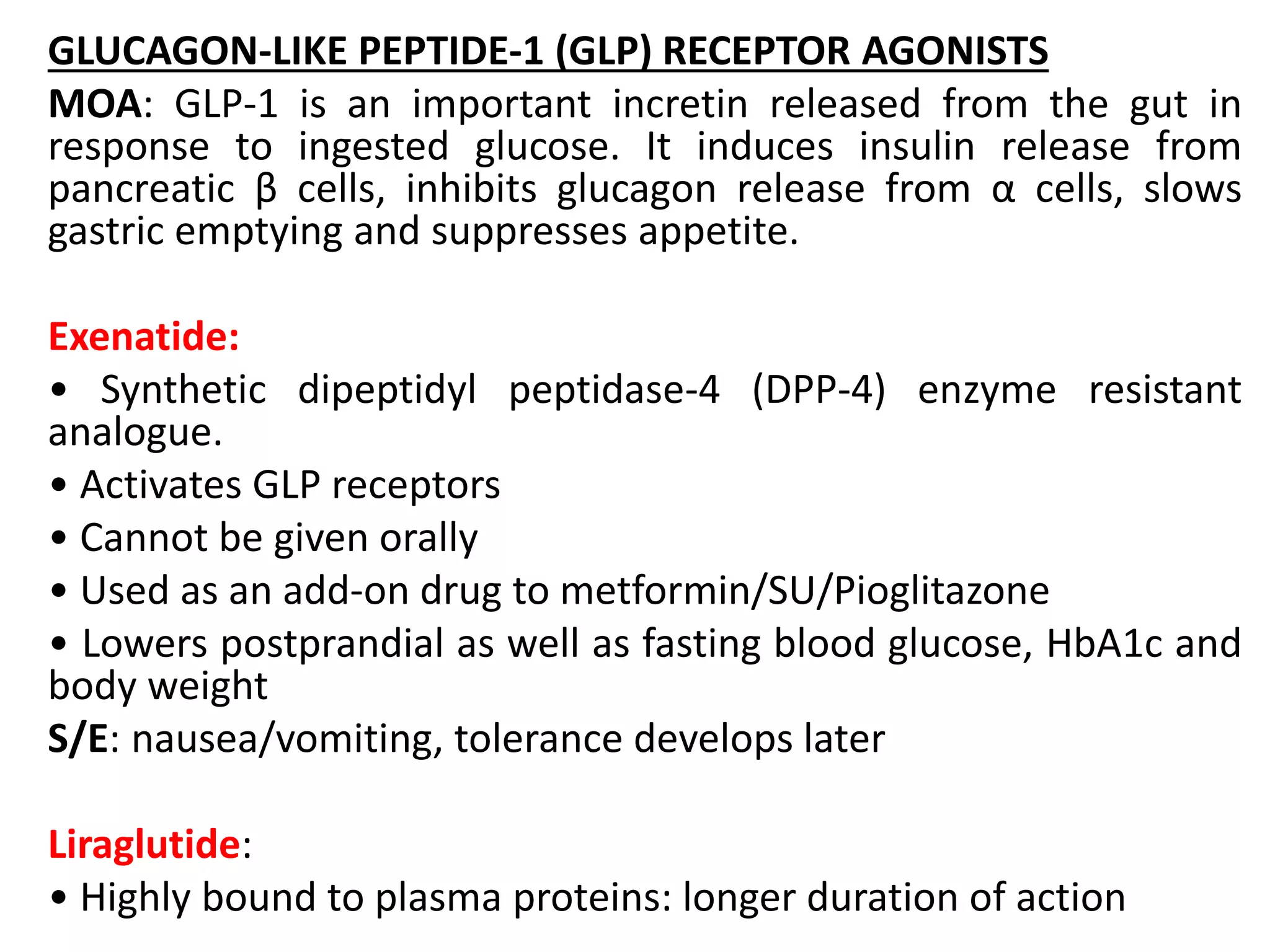
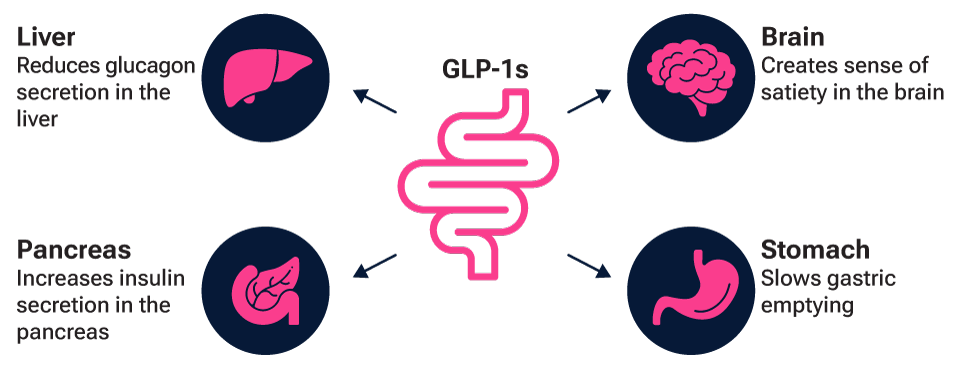
Glucagon-like peptide-1 (GLP-1) is a gastrointestinal peptide that plays a crucial role in glucose metabolism. It is secreted by L cells in the intestine in response to food intake and has a significant impact on insulin sensitivity. Research has shown that fasting can have a positive effect on GLP-1 levels and insulin sensitivity, but the exact mechanisms are not yet fully understood.
The Role of GLP-1 in Glucose Metabolism
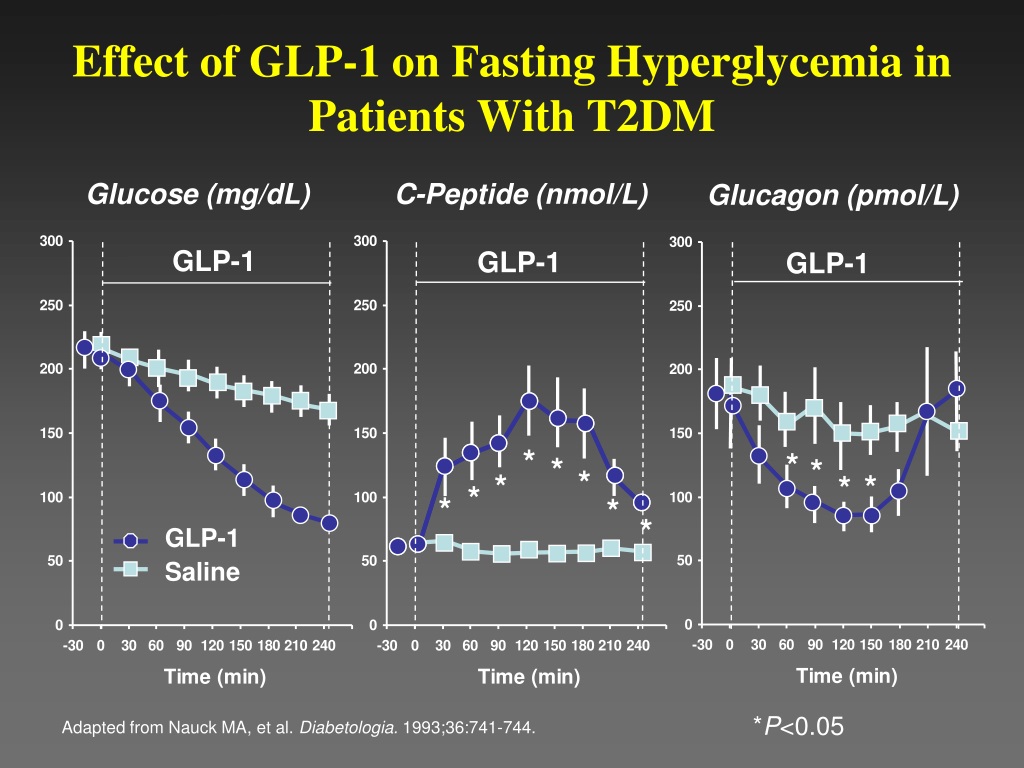
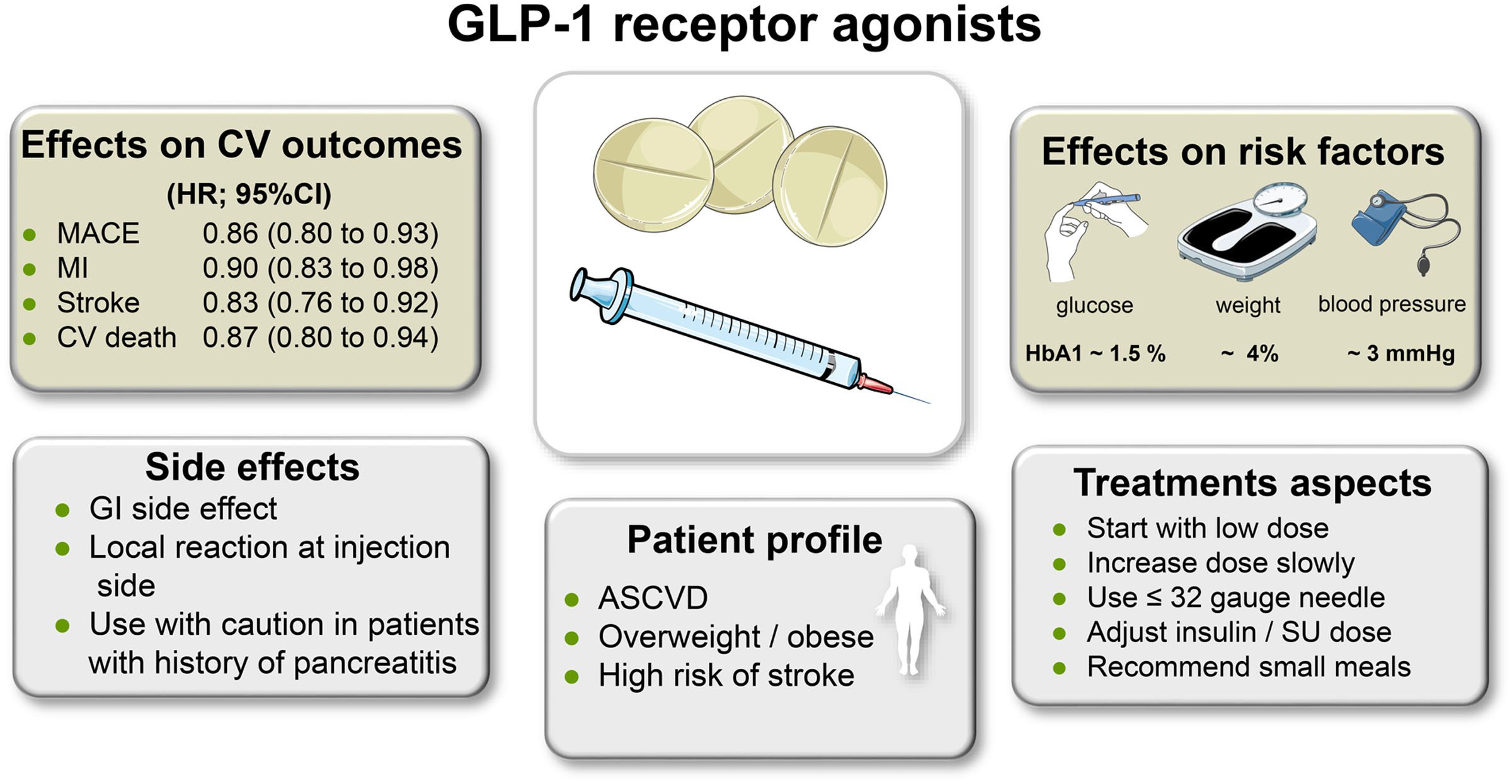
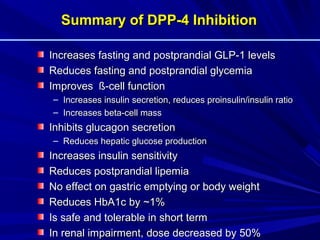
GLP-1 is secreted in response to nutrient-sensing via transporters and G-protein-coupled receptors (GPCRs). It stimulates insulin secretion in a glucose-dependent manner and improves glycemic control. Studies have shown that individuals with obesity or type 2 diabetes mellitus (T2DM) often have lower GLP-1 levels, which can contribute to insulin resistance and impaired glucose metabolism.

The Impact of Fasting on GLP-1 Levels
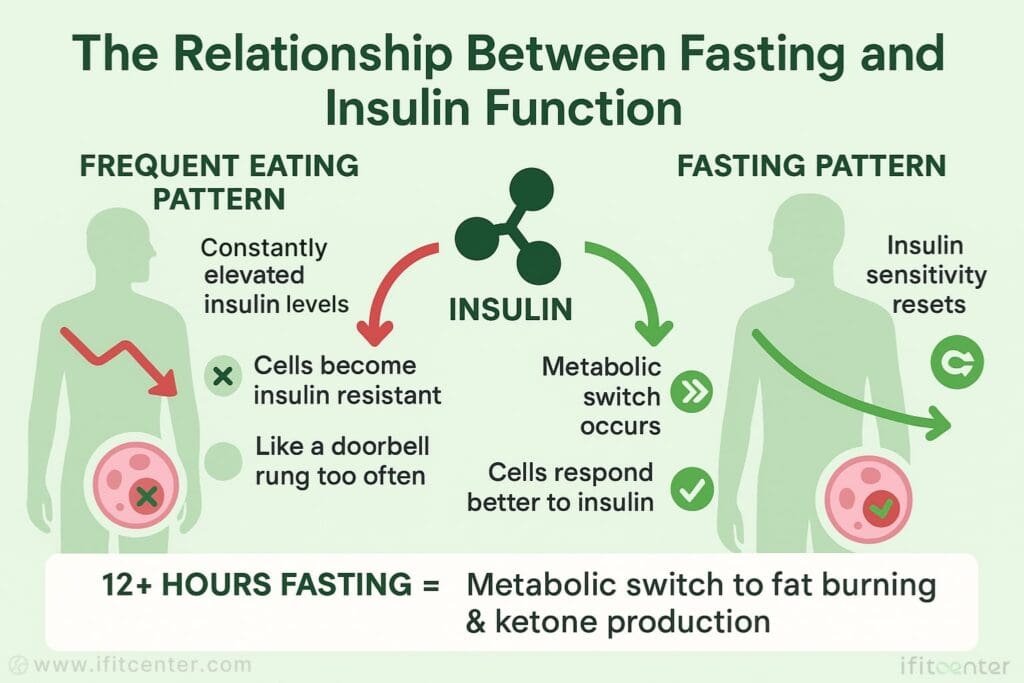
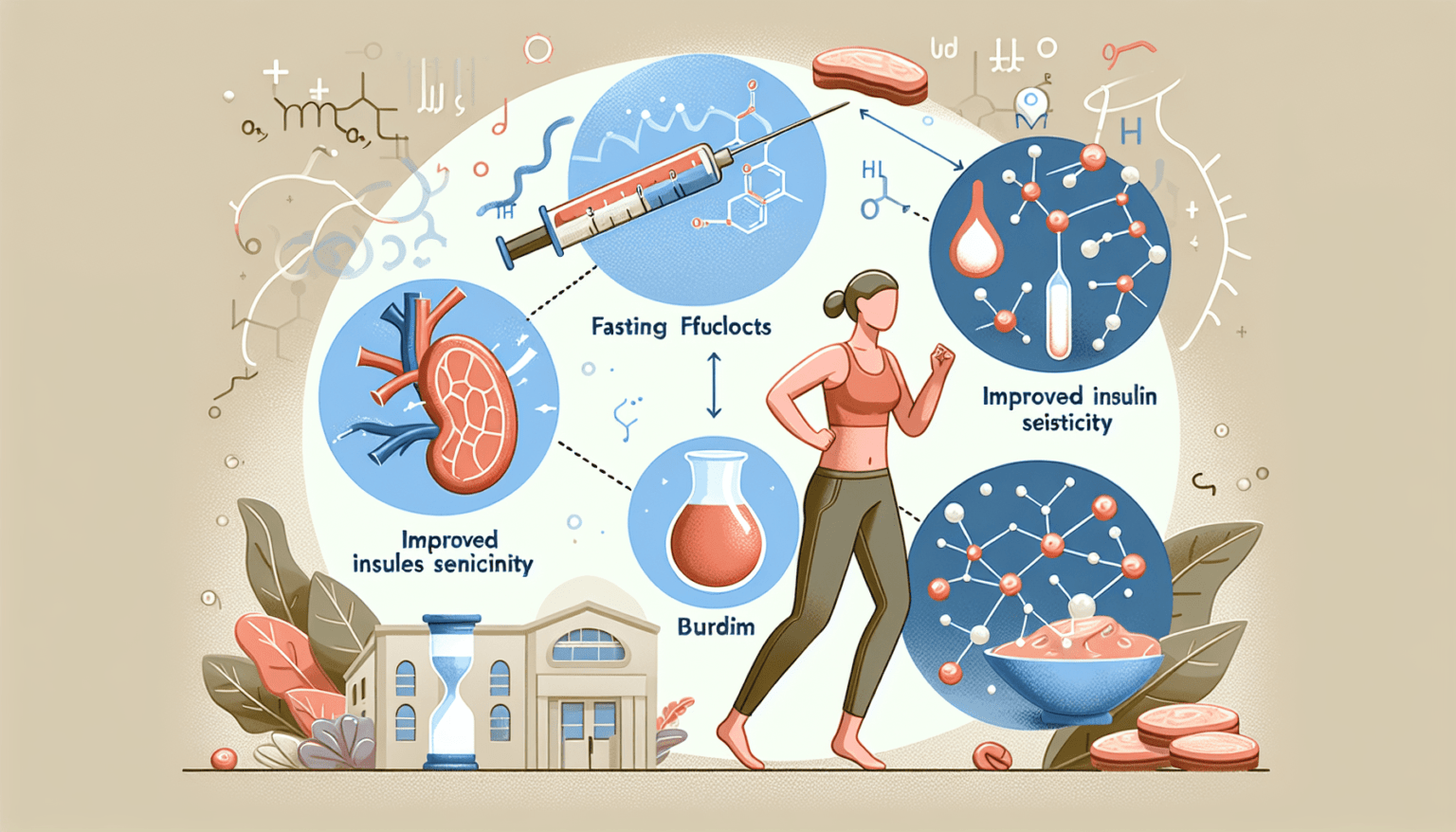
Research has shown that fasting can increase GLP-1 levels, which can have a positive impact on insulin sensitivity. A study published in Diabetes Care found that intermittent fasting increased GLP-1 levels and improved insulin sensitivity in individuals with T2DM. Another study published in the Journal of Clinical Endocrinology and Metabolism found that time-restricted eating increased GLP-1 levels and improved insulin sensitivity in healthy individuals.